UN Regulation R151/R159/R158
View More






Commercial vehicles frequently operate in environments where limited visibility can lead to serious safety risks. Large vehicle bodies, elevated driving positions, long wheelbases and wide turning paths create blind spots around the front, sides and rear of the vehicle.
These risks are especially significant when a truck turns at an intersection, a bus approaches a stop, an articulated vehicle reverses or construction machinery operates near workers.
The AI 360° Vision Platform is designed to address these challenges by combining three essential capabilities in one integrated system:
Rather than simply displaying camera images, the platform creates a complete safety loop—from helping the driver see surrounding hazards to recording video for incident review and operational traceability.
An AI 360° Vision Platform is an intelligent commercial vehicle camera system that uses multiple cameras installed around the vehicle to provide a complete view of its surroundings.
Images captured by the cameras are processed and stitched together to create a unified visual display. Drivers can view the surrounding environment through a clear 2D bird’s-eye view or an intuitive 3D panoramic view.
The platform also applies AI detection to the camera images. This supports blind spot monitoring and parking assistance by helping identify relevant objects within configured detection areas.
Compared with a conventional surround-view camera, an AI-powered platform provides three layers of value:
This makes the platform suitable for commercial fleets that require both real-time driving assistance and reliable video records.
Large commercial vehicles have significantly larger blind spots than passenger vehicles. A driver may be unable to see a pedestrian, cyclist, smaller vehicle or obstacle located close to the vehicle body.
The AI 360° Vision Platform combines images from cameras positioned around the vehicle to provide a complete visual overview.
It can support drivers during:
Instead of requiring the driver to interpret several independent camera images, the platform consolidates the visual information into one surround-view interface. This makes it easier to understand the position of the vehicle in relation to nearby people, vehicles and obstacles.
Camera visibility alone may not be sufficient in complex driving environments. Drivers must simultaneously monitor traffic conditions, vehicle movement, mirrors, warning indicators and road users.
The AI 360° Vision Platform integrates AI blind spot detection to provide an additional layer of support. The system analyses camera images and helps identify relevant objects in configured monitoring areas around the vehicle.
The function can support the driver in situations such as:
By combining object detection with a visual surround view, the platform enables the driver to verify the location of a potential risk directly on the monitor.
The system is intended to assist the driver. It does not replace safe driving practices, direct observation or compliance with applicable traffic regulations.
Different manoeuvres require different viewing perspectives. The platform therefore supports both 2D and 3D surround-view modes.
The 2D mode presents a clear top-down image of the vehicle and its surroundings. It is particularly useful for:
The 3D mode provides a more intuitive perspective of the vehicle and nearby environment. It helps drivers understand the relative position of surrounding objects in more complex operating situations.
Together, the two display modes improve situational awareness and help reduce the visual blind spots associated with large commercial vehicles.
Commercial vehicle safety does not end when the journey is completed. Fleet operators often need reliable video records to understand what happened before, during and after an incident.
The AI 360° Vision Platform integrates video recording and storage into the same system used for real-time surround monitoring.
It supports dual-card storage, with a capacity of up to 512 GB per card. Under suitable recording configurations, the system can provide continuous video storage for 15 days or longer.
Actual recording duration depends on factors such as:
Recorded footage can be used for:
By integrating surround vision and recording, the same camera infrastructure supports both active safety and post-event evidence.
The platform includes built-in Wi-Fi connectivity, allowing authorised personnel to connect wirelessly to the control unit.
Wireless access can be used for:
This simplifies system commissioning and allows technicians or fleet personnel to manage the platform without relying on a direct wired connection.
For fleets with multiple vehicles, easier configuration and video export can also reduce maintenance time and improve operational efficiency.
Commercial vehicles differ significantly in length, body structure and operating environment. A standard four-camera system may be suitable for a rigid truck but may not provide sufficient coverage for a long trailer or articulated vehicle.
The AI 360° Vision Platform uses an extensible architecture that supports:
This flexible design allows the camera layout and viewing coverage to be adapted to different vehicle platforms.
Additional cameras can provide extended coverage for long vehicles, trailers or equipment with complex structures. The platform can therefore be applied across multiple commercial vehicle categories without relying on a single fixed configuration.
The system architecture is designed to support future functional expansion.
Planned upgrade capabilities include:
These functions can extend the platform from an onboard safety system into a connected fleet-management solution.
The availability of future functions may depend on product configuration, software development and individual project requirements.
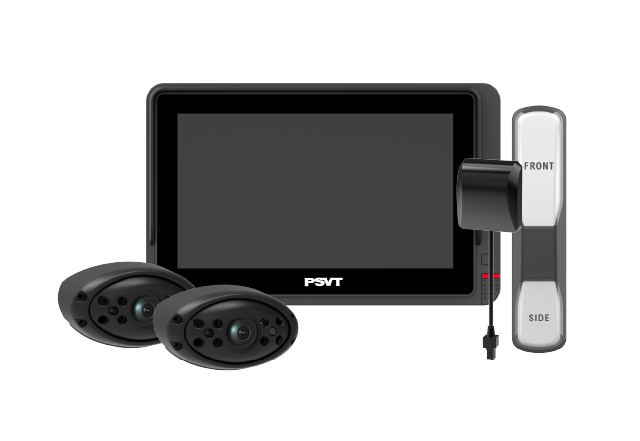
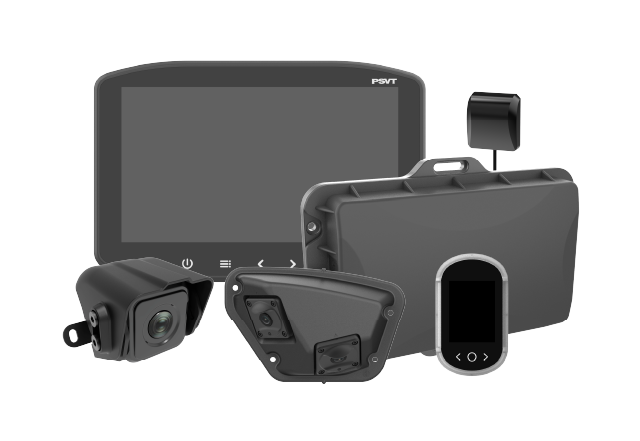
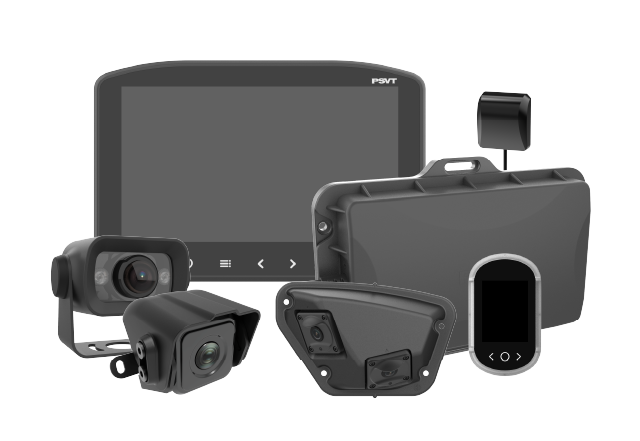
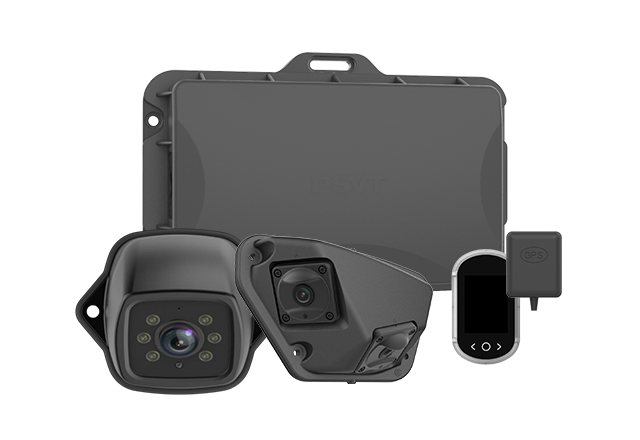
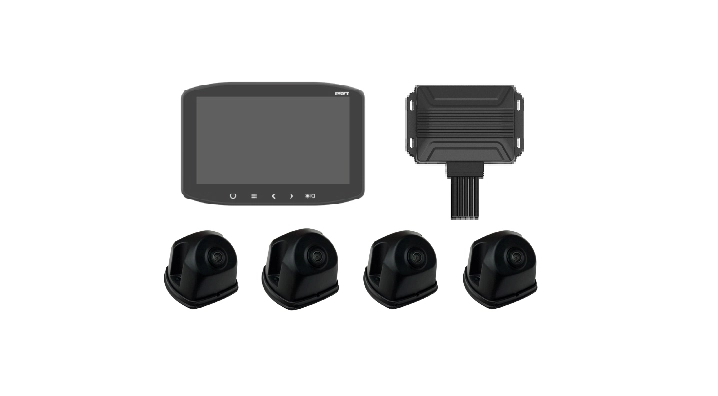
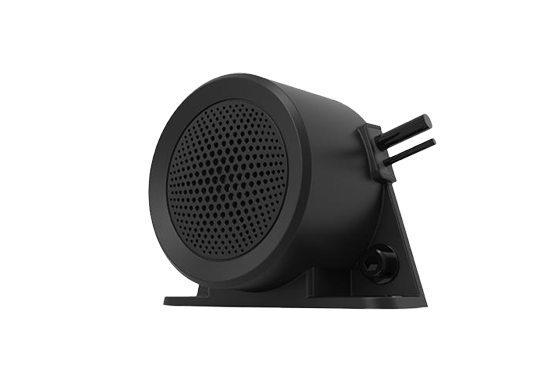
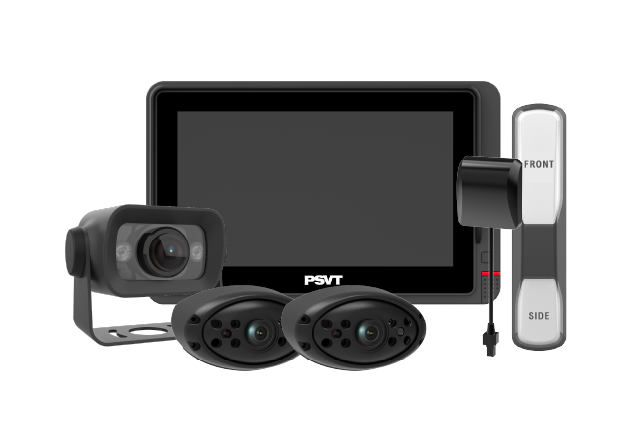
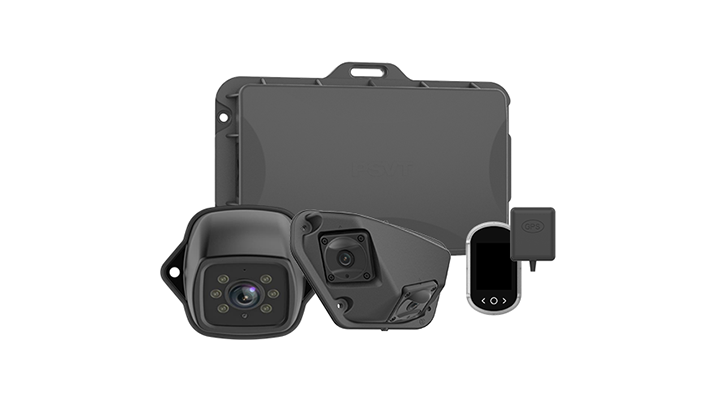
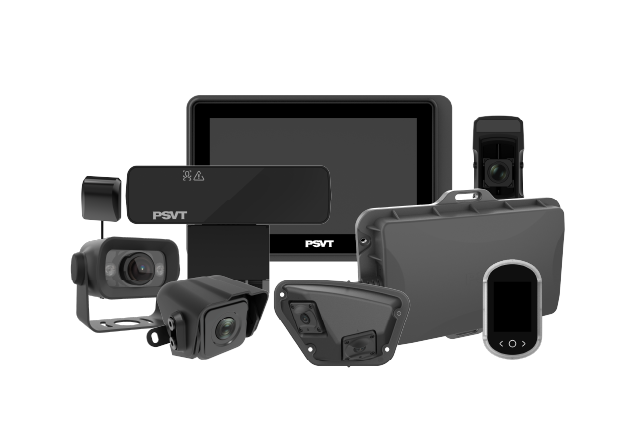
A complete AI 360° Vision Platform generally consists of three main components.
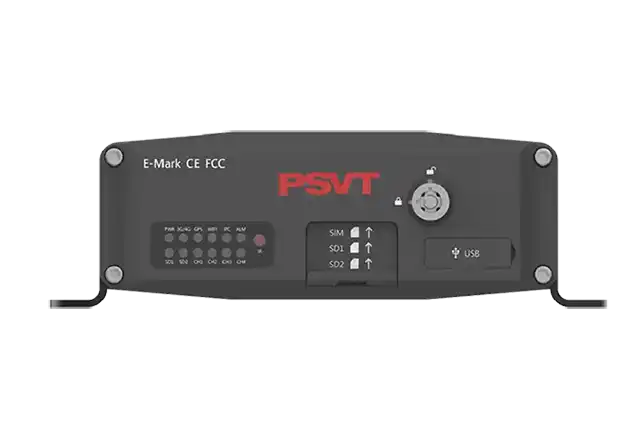
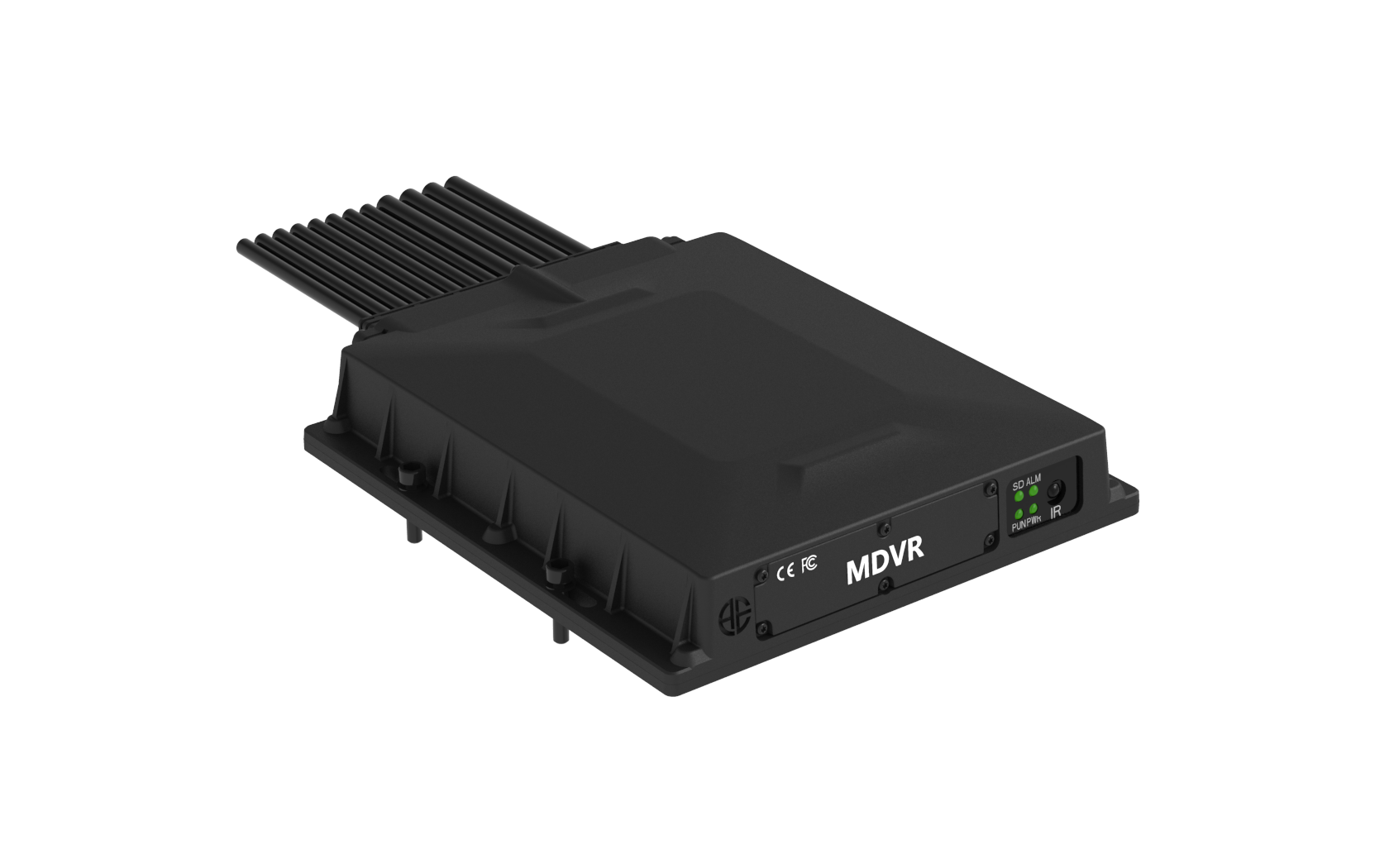
The control unit processes camera images, generates stitched surround views and manages AI blind spot detection and video recording.
Integrating these functions into one platform helps reduce the need for separate devices for surround monitoring, AI detection and video storage.
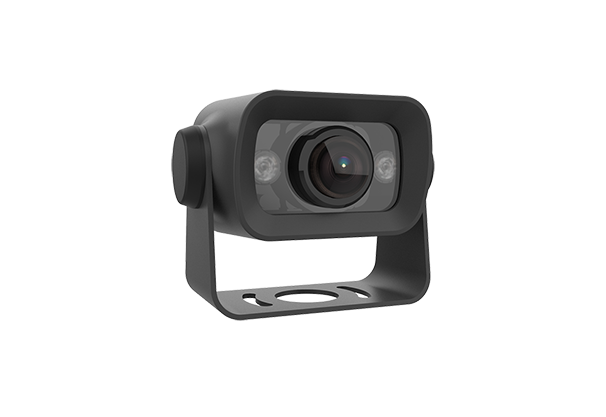
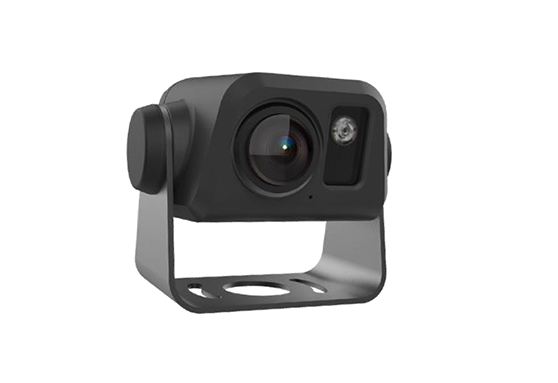
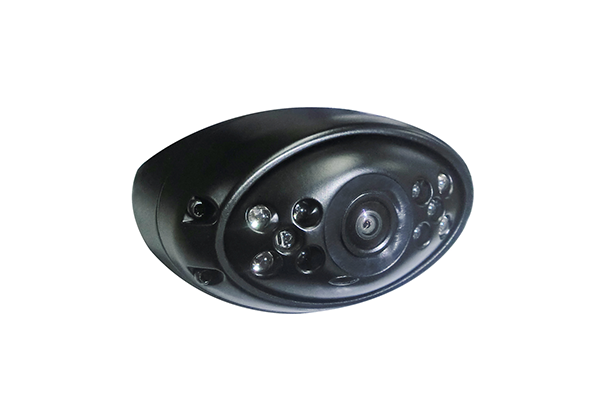
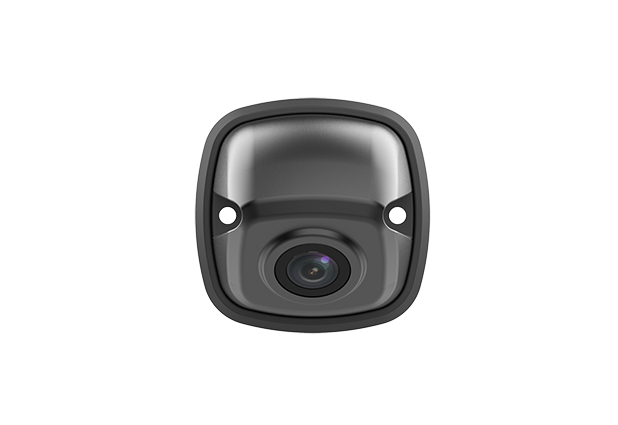
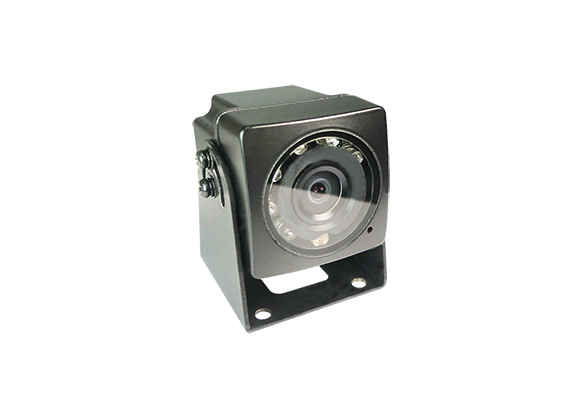
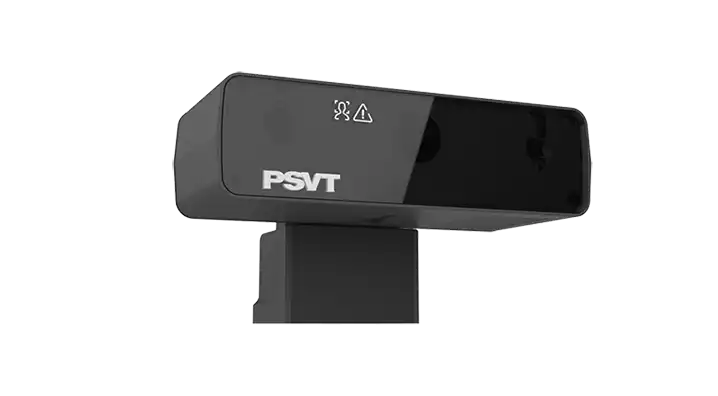
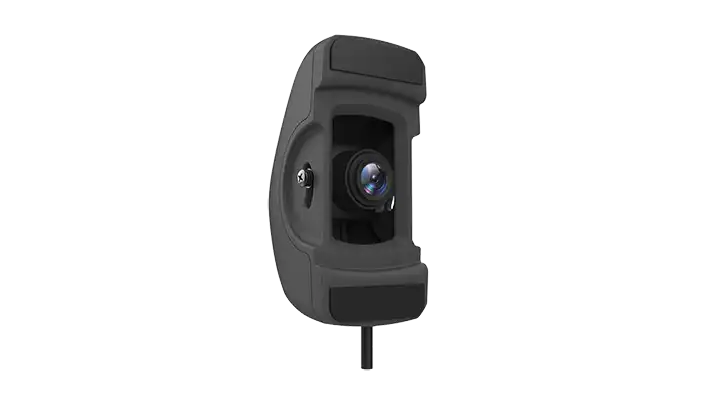
Multiple cameras are installed around the vehicle to capture the front, side and rear environments.
Camera quantity and installation positions can be selected according to:
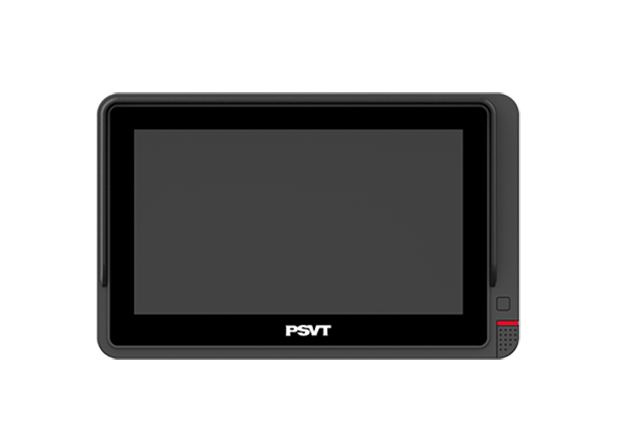
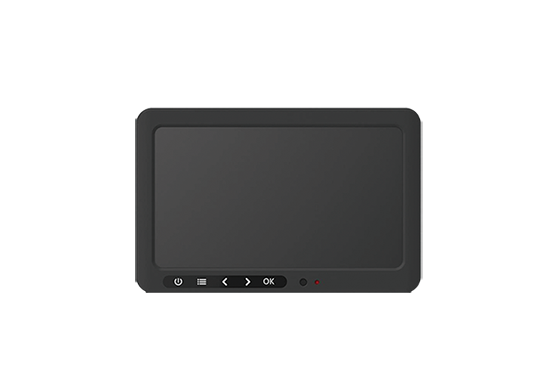
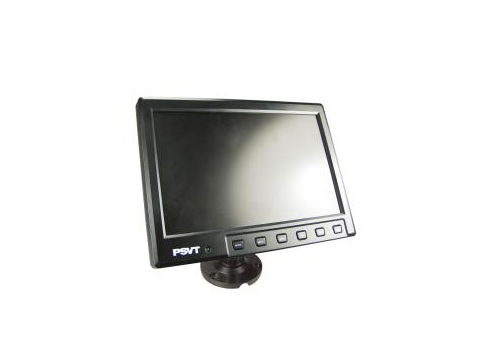
The in-cab monitor displays the 2D or 3D surround view and provides the driver with visual information for safer manoeuvring.
A clear display is especially important when the driver must quickly assess the position of nearby objects during turning, parking or low-speed operation.
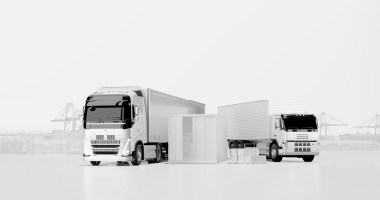
Heavy trucks and container haulers have large side and rear blind spots. Their long wheelbases also create wide turning paths, which can place nearby road users at risk.
The platform helps drivers monitor the areas around the vehicle during:
Integrated recording also provides fleet operators with video evidence for reviewing accidents, cargo-yard incidents and driver behaviour.
Bus drivers operate large vehicles in environments where pedestrians, cyclists and passengers may be close to the vehicle.
The AI 360° Vision Platform can support bus operations around:
Surround vision and AI detection can provide additional awareness when passengers or other vulnerable road users approach the vehicle.
Long trailers and articulated vehicles are particularly difficult to manoeuvre because the position and movement of the trailer change during turning and reversing.
The platform’s 6-channel and 8-channel configurations can extend camera coverage along longer vehicle combinations. Articulated operating modes help provide more appropriate views for complex vehicle movement.
This makes the system suitable for:
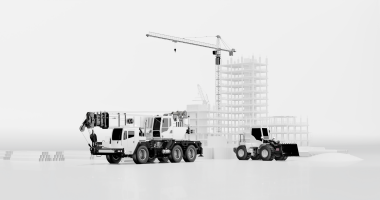
Excavators and other construction vehicles frequently operate close to workers, materials and other machinery. Dust, noise and restricted visibility can further increase the risk of collisions.
The platform can support operators during:
Recorded video can also support construction-site safety management and incident investigation.
Large agricultural machines often have attachments or vehicle structures that restrict the operator’s view.
A 360° camera system can improve awareness when agricultural vehicles operate in:
The extensible camera architecture allows the system to be configured according to the size and structure of different agricultural vehicles.
A conventional camera system primarily answers one question: What can the driver see?
An AI-powered platform supports a broader safety process:
This creates two complementary forms of value.
Surround vision and AI detection help drivers identify blind-spot risks during vehicle operation.
Continuous recording preserves footage for accident investigation, insurance claims, driver training and fleet safety management.
Combining these functions in one platform allows fleets to move beyond basic camera visibility toward a more complete and traceable safety solution.
Commercial vehicle blind spots cannot always be addressed effectively through mirrors or individual cameras alone. Drivers need a complete view of the vehicle’s surroundings, intelligent assistance for identifying potential risks and reliable recordings for incident review.
The AI 360° Vision Platform combines 360° surround awareness, AI blind spot detection, 2D/3D display modes, dual-card video recording, wireless system management and an extensible 4-, 6- or 8-channel architecture.
It is suitable for trucks, container haulers, buses, articulated vehicles, construction machinery and agricultural equipment.
For commercial fleets, the platform provides more than a panoramic camera view. It connects real-time visibility, AI-assisted detection and video evidence to create a more complete commercial vehicle safety solution.
An AI 360° Vision Platform is a commercial vehicle safety system that combines multiple cameras, stitched surround views, AI blind spot detection and onboard video recording. It helps drivers monitor the areas around a vehicle while preserving footage for subsequent review.
Cameras installed around the vehicle capture images from different directions. The control unit processes and stitches these images together to produce a unified 2D bird’s-eye view or 3D panoramic view.
A conventional system mainly provides visual images. An AI-powered platform also analyses camera images to support blind spot detection and integrates video recording for incident investigation and operational traceability.
Yes. The platform analyses camera images and helps identify relevant objects within configured monitoring areas. This provides additional assistance during turning, lane changing, parking and low-speed manoeuvring.
Yes. It supports continuous video recording, allowing footage to be reviewed for accident investigation, insurance claims, driver management and operational analysis.
The platform supports dual-card storage with a capacity of up to 512 GB per card. The total supported capacity is therefore up to 1 TB when two 512 GB cards are installed.
Under suitable recording configurations, video can be retained for 15 days or longer. Actual retention time depends on the number of cameras, video resolution, frame rate, compression settings and daily operating time.
Yes. The extensible architecture supports 4-, 6- and 8-channel configurations, as well as articulated vehicle operating modes. Camera coverage can be adapted to the vehicle’s length and structure.
It is suitable for trucks, container haulers, buses, long trailers, articulated vehicles, excavators, construction machinery and agricultural vehicles.
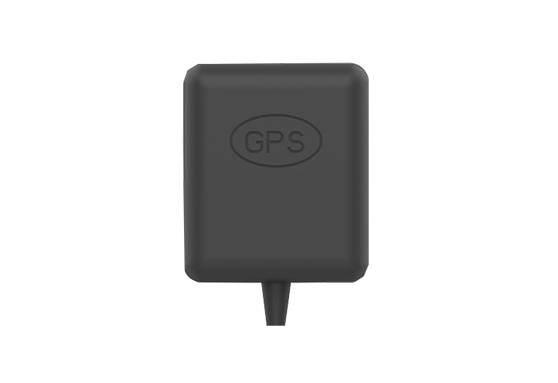
Yes. Built-in Wi-Fi allows authorised users to configure system parameters, access recordings and export video files wirelessly. Future expansions may also support GPS, 4G, remote video access, vehicle tracking and smart fleet management.