UN Regulation R151/R159/R158
View More

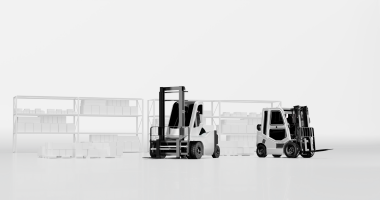






Forklifts are essential to warehouses, factories, ports, logistics centers, and construction-material facilities, but they operate in some of the most complex traffic environments in industry. Pedestrians cross vehicle routes, loads obstruct the operator’s view, aisles create blind corners, and noise can make traditional alarms easy to miss. An AI-Powered Forklift Active Safety System addresses these risks by using intelligent cameras, real-time object recognition, and targeted alerts to help operators identify people and hazards before a near miss becomes an accident. Instead of merely recording what happened, the system supports intervention at the moment risk begins to develop.
Conventional safety controls remain important. Driver training, marked pedestrian lanes, mirrors, speed limits, audible reversing alarms, warning lights, barriers, and site rules all contribute to safer operations. However, each measure has practical limitations. Floor markings may be ignored or obscured. Mirrors only help when operators look at them at the correct time. General-purpose alarms can become background noise, especially in facilities where several vehicles are operating simultaneously. Blue or red warning lights indicate that a forklift is nearby but cannot determine whether a person is actually in danger.
The operating environment is also dynamic. A temporary pallet stack can create a new blind spot within minutes. Contractors and visitors may not understand traffic rules as well as regular employees. Operators working long shifts can become distracted or fatigued. A forklift may move from a bright loading yard into a dim warehouse, or travel between narrow aisles and crowded staging areas. Static safety measures cannot always adapt to these changing conditions.
An AI-Powered Forklift Active Safety System adds a responsive layer to the existing safety framework. It continuously observes selected risk zones, distinguishes relevant targets from ordinary background objects, and issues an alert based on defined conditions. The goal is not to replace trained operators or good traffic management. It is to provide another set of intelligent eyes where human visibility and attention are most likely to be challenged.
A basic camera gives the operator a wider view. A recorder preserves footage. A proximity sensor signals when an object is nearby. Active safety goes further by combining perception, decision logic, and immediate warning.
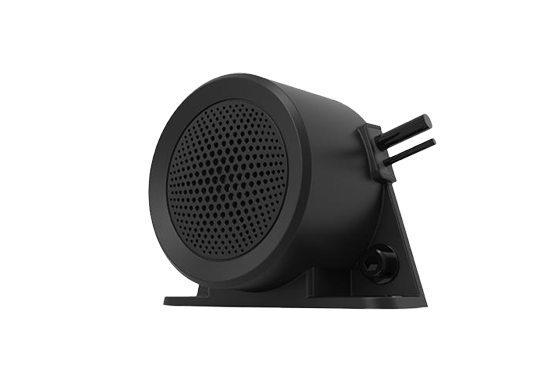
First, cameras capture the area around the forklift. Depending on the vehicle and use case, cameras can cover the front, rear, sides, mast area, or a stitched surround view. Second, an onboard AI processor analyzes the images and identifies target classes such as pedestrians. Third, the system evaluates where the target is located in relation to configured warning zones. Finally, it delivers a visual, audible, or voice alert so the operator can slow down, stop, or reassess the maneuver.
This sequence converts video from passive information into an operational safety input. It can also reduce irrelevant alarms because the warning can be associated with a recognized pedestrian rather than every wall, rack, pallet, or stationary object within sensor range. Better alert relevance is critical: a system that warns constantly can create alarm fatigue, while a well-configured system helps operators understand that an alert requires attention.
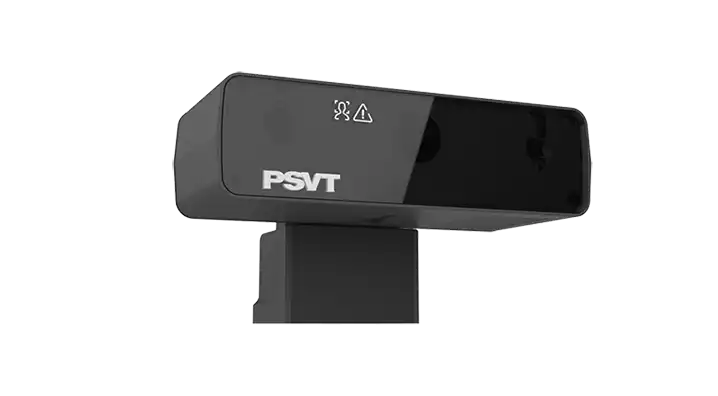
Pedestrian detection is often the central function because interactions between forklifts and people create severe risk. AI vision can identify a person entering a predefined monitoring area and warn the operator in real time. This is especially valuable while reversing, leaving an aisle, approaching a crossing, or maneuvering near picking and packing stations.
Detection should be evaluated under real operating conditions rather than in an empty demonstration area. Workwear, body position, partial obstruction, lighting transitions, rain, dust, and crowded backgrounds can all affect performance. Fleet buyers should therefore ask suppliers how the algorithm has been validated and whether detection zones can be adjusted for different vehicles and sites.
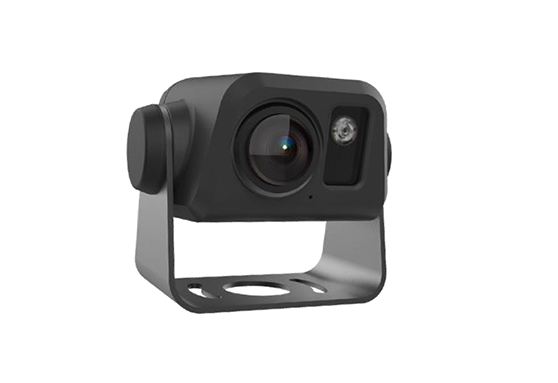
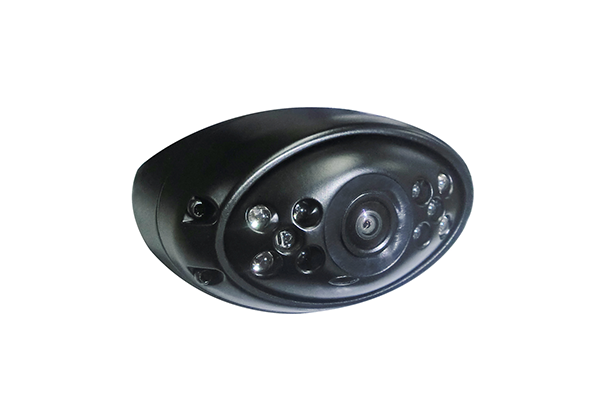
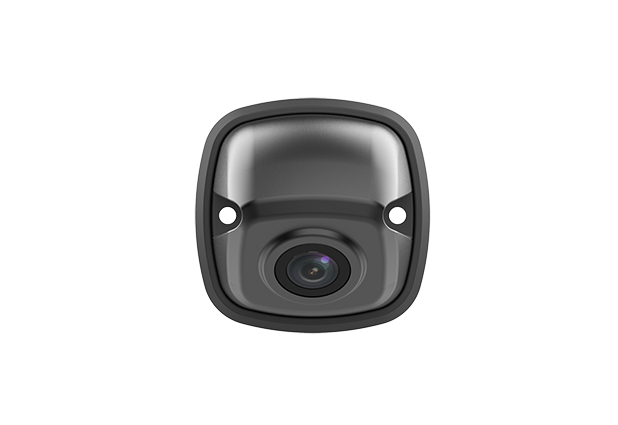
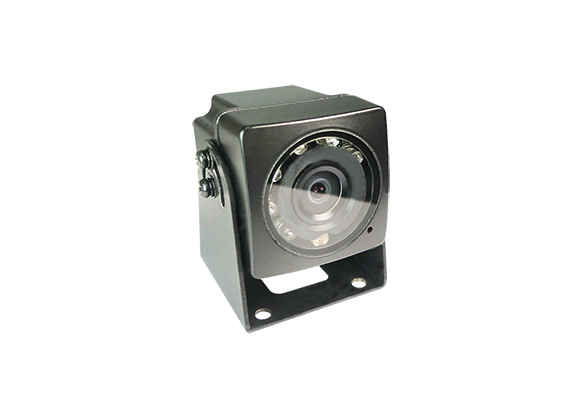
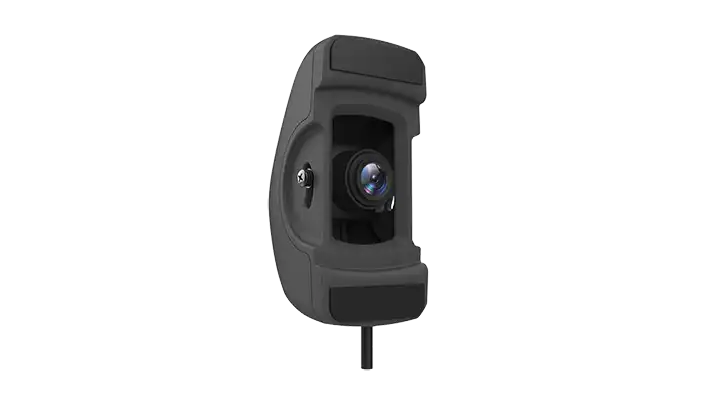
Forklift visibility changes with the load, mast height, attachments, vehicle geometry, and direction of travel. Large or elevated loads can block the forward view, while the rear counterweight and cabin structure can create additional blind spots. Side-mounted or rear-mounted intelligent cameras help cover areas the operator cannot see directly.
An AI-Powered Forklift Active Safety System can be configured around the actual risk profile of each forklift type. A reach truck working in narrow aisles may require a different camera arrangement from a counterbalance forklift operating across indoor and outdoor loading zones. The most effective design begins with vehicle movement and site hazards, not with a one-size-fits-all equipment package.
Not every detected person represents the same level of risk. Multi-level zones allow the system to distinguish between awareness and immediate danger. For example, an outer zone may produce a visual notification, while entry into a closer zone triggers a stronger audible or voice warning. The logic can be tailored according to speed, direction, task, and available stopping distance when supported by the selected platform.
Thoughtful zone design helps balance safety and usability. Zones that are too small may not provide enough reaction time. Zones that are too large can generate unnecessary warnings from people who are separated from the vehicle by a barrier or who are not on its path. A site survey and controlled commissioning process are therefore essential.
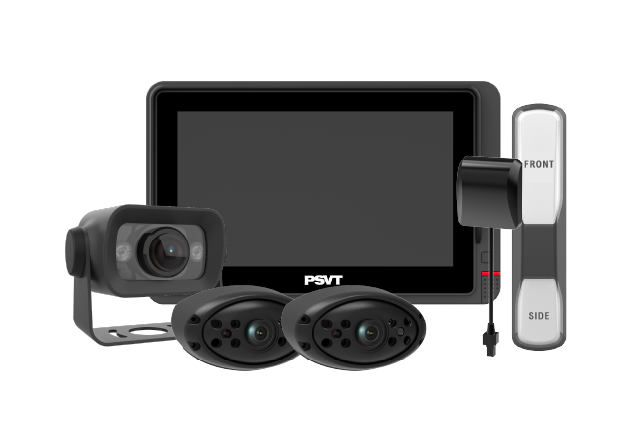
A multi-camera surround-view system can present a more complete picture of the forklift’s immediate environment. This helps during tight turns, pallet positioning, reversing, and operation near racks or equipment. When AI detection is overlaid on the display, the operator can see both the broader scene and the location of the recognized risk.
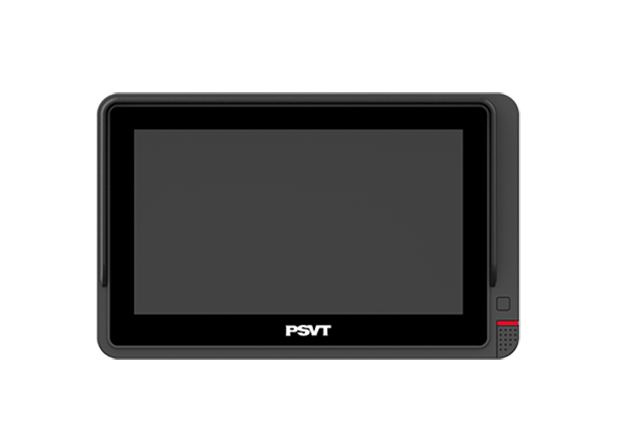
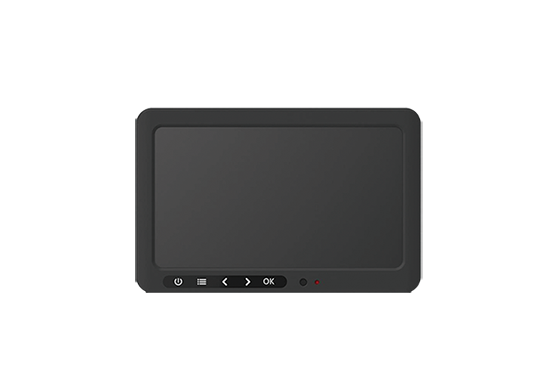
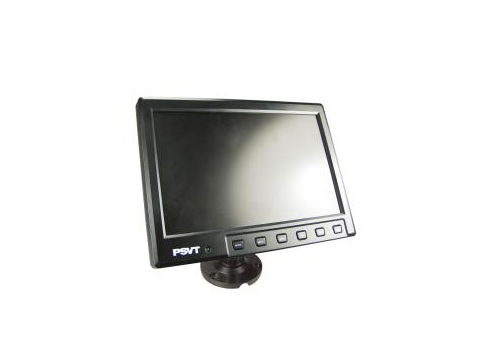
The display should support fast interpretation rather than add distraction. Clear icons, highlighted detection boxes, intuitive zone colors, and appropriate screen placement make the information easier to use. Human-machine interface design is as important as detection capability because an alert only creates value when the operator can understand and act on it promptly.
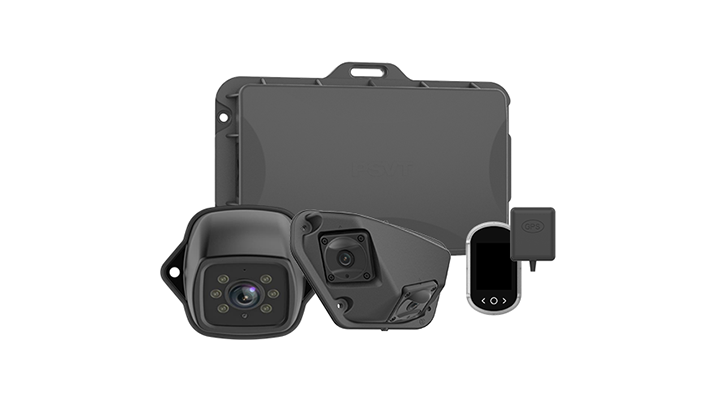
Recording turns individual alerts into usable safety data. Relevant footage can support incident investigation, near-miss review, operator coaching, insurance discussions, and corrective-action planning. Event tagging can make it easier for safety managers to find important clips without manually reviewing hours of video.
This capability shifts fleet management from anecdotal reporting toward evidence-based improvement. If repeated alerts occur at the same intersection, the problem may not be operator behavior alone. The site might need a barrier, a one-way route, revised storage practices, better lighting, or a redesigned pedestrian crossing. Video context helps managers address the underlying hazard.
The real value of an AI-Powered Forklift Active Safety System is created when detection, intervention, evidence, and improvement form a continuous loop. The system identifies a developing risk and warns the operator. If recording is enabled, it preserves the event. Safety teams then review patterns, determine root causes, take corrective action, and measure whether the number or severity of events declines.
This closed-loop model is more powerful than buying a collection of separate devices. A camera that only displays video depends entirely on the operator noticing the screen. A recorder that only stores footage helps after an event but does not prevent it. A general alarm may warn everyone but provide little information about what triggered it. Integrated intelligence connects immediate protection with long-term fleet learning.
For multi-site operators, standardized event categories and reporting practices can reveal differences between facilities, shifts, vehicle types, and workflows. Management can prioritize high-risk locations, share successful countermeasures, and establish more consistent safety benchmarks across the organization.
Safety is the primary objective, but stronger risk control also supports operational continuity. A serious forklift incident can cause injury, equipment damage, inventory loss, blocked aisles, investigation time, schedule disruption, and reputational harm. Even frequent near misses can reduce employee confidence and create tension between vehicle operators and pedestrians.
An effective system can help reduce uncertainty during difficult maneuvers and improve operator awareness without requiring constant supervision. Video evidence can shorten investigations by clarifying vehicle direction, pedestrian movement, environmental conditions, and the sequence of events. Training can become more specific because managers can use actual operating scenarios instead of generic examples.
The technology can also support productivity when implemented correctly. Operators who have better visibility may complete low-speed positioning and reversing tasks with greater confidence. Maintenance and operations teams can identify damaged cameras, recurring route conflicts, or problematic layouts before they lead to prolonged downtime. The result is not “safety versus productivity,” but a more controlled operating process in which both objectives reinforce one another.
The right solution depends on the environment, vehicle mix, and business objective. Begin by defining the highest-priority scenarios: reversing collisions, blind intersections, pedestrian crossings, rack impacts, load-obstructed travel, or outdoor loading operations. Map where these scenarios occur, which forklifts are involved, and how frequently people and vehicles interact.
Next, examine the detection performance and system architecture. Ask whether processing occurs locally on the vehicle, how quickly alerts are generated, which target types can be recognized, and how the system handles partial obstruction or changing light. Review camera durability, operating temperature, ingress protection, vibration resistance, connectors, cable routing, and compatibility with the forklift’s power supply.
Scalability matters as well. A pilot may cover five vehicles, but a successful program could expand to dozens of vehicle models across several facilities. Buyers should consider configuration management, event retrieval, user permissions, software updates, data export, and integration with existing fleet or safety platforms. Open interfaces and a clear product roadmap can reduce the risk of creating another isolated safety device.
An AI-Powered Forklift Active Safety System should also be assessed for installation and maintenance effort. Long vehicle downtime, complex calibration, or difficult camera replacement can weaken the business case. A practical solution should allow installers to position cameras securely, define zones efficiently, verify coverage, and document the final configuration. Regular inspection procedures should be simple enough to become part of normal fleet maintenance.
Start with a structured risk assessment. Involve forklift operators, safety managers, warehouse supervisors, maintenance teams, and system integrators. Their perspectives are different but complementary. Operators understand visibility limitations; safety teams understand incident patterns; supervisors know workflow peaks; maintenance teams understand vehicle constraints.
Select a pilot area with meaningful risk exposure but manageable complexity. Establish baseline measures before installation, such as recorded near misses, collision frequency, route congestion, investigation time, and operator feedback. Define what success will look like. Useful metrics might include fewer high-risk pedestrian alerts, reduced repeat events at known hotspots, faster incident review, or improved operator confidence.
During the pilot, tune detection zones and warning behavior. Avoid judging the technology solely by the number of alerts. A reduction in alerts can mean conditions improved, but it can also mean the zone is incorrectly configured. Review sample footage and speak with operators to determine whether alerts are timely, relevant, and understandable.
Training should explain what the system can and cannot do. Operators must continue to follow speed limits, perform visual checks, use horns where required, and comply with site rules. Pedestrians must not assume the technology guarantees that a driver has seen them. The AI-Powered Forklift Active Safety System is a risk-reduction tool, not permission to relax established controls.
After validation, create a phased rollout plan. Group vehicles by type and application, standardize installation templates where possible, and record configuration details for every unit. Schedule periodic reviews to confirm camera alignment, lens cleanliness, alert operation, recording health, and operator acceptance.
The cost of the solution should be compared with the broader cost of unmanaged risk. Direct costs may include vehicle repair, damaged goods, medical expenses, and downtime. Indirect costs can include investigation labor, retraining, disrupted orders, higher insurance exposure, lost employee confidence, and damage to customer relationships.
A credible ROI model does not promise that technology will eliminate every accident. Instead, it estimates how improved visibility, earlier warnings, faster investigations, and data-driven corrective actions can reduce the frequency or severity of events. The model should include hardware, installation, training, maintenance, software, and vehicle downtime, alongside measurable operational benefits.
For senior management, the strongest proposal links the system to existing objectives: protecting employees, maintaining business continuity, improving safety culture, reducing preventable loss, and standardizing fleet governance. For operations teams, the proposal should show that the system is practical, maintainable, and designed around real workflows.
Forklift safety is moving from isolated warning devices toward connected, intelligent systems. Future platforms are likely to combine camera perception with vehicle data, speed information, location awareness, and centralized analytics. Risk logic may become more contextual, adjusting warnings according to direction, speed, task, and operating zone.
The AI-Powered Forklift Active Safety System can become an edge intelligence node within a broader industrial safety ecosystem. Instead of producing only an alarm, it can supply structured event information to fleet platforms, warehouse systems, or safety dashboards. This creates opportunities for predictive maintenance, hotspot analysis, workflow redesign, and cross-site benchmarking—provided that data governance, privacy, cybersecurity, and access control are addressed from the beginning.
Forklift accidents rarely result from a single factor. Blind spots, human movement, site design, workload, visibility, and operator attention often combine within seconds. Intelligent vision adds a valuable layer of defense by detecting relevant hazards, directing the operator’s attention, and preserving evidence for continuous improvement.
For fleet and facility leaders, the key is to treat an AI-Powered Forklift Active Safety System as part of a complete safety strategy rather than a standalone gadget. When the technology is selected around real hazards, configured carefully, supported by training, and connected to a review process, it can help transform forklift safety from reactive investigation into proactive risk management.
It is an onboard safety solution that uses cameras, AI-based object recognition, configurable detection zones, and real-time alerts to help forklift operators identify pedestrians or other defined hazards. Depending on the configuration, it may also provide surround view, event recording, and fleet-level safety data.
A standard sensor generally detects that an object is present, while AI vision can classify what the camera sees, such as distinguishing a pedestrian from a rack, wall, or pallet. Actual performance depends on system design, environmental conditions, installation, and configuration.
No technology can eliminate every accident. It should supplement—not replace—operator training, traffic separation, speed control, vehicle inspection, site rules, and supervision. Its role is to reduce risk by improving awareness and enabling earlier intervention.
Many solutions can support both environments, but buyers should verify lighting performance, weather resistance, operating temperature, lens contamination management, and image quality during transitions between indoor and outdoor areas.
Poorly designed zones or generic sensing can cause nuisance alerts. Site-specific camera placement, multi-level zones, relevant target classification, and careful commissioning can improve alert quality. Operator feedback during the pilot is essential.
Yes, many systems are designed for retrofit installation. Compatibility should be checked for power supply, available mounting positions, vehicle dimensions, attachments, cable routing, display location, and the operational environment.
Recording capability varies by product. Some systems continuously record, while others save clips associated with detected events. Buyers should review storage capacity, overwrite logic, event locking, retrieval methods, user permissions, and privacy requirements.
Define baseline risks and success metrics before installation. Then assess detection reliability, alert relevance, operator acceptance, video usefulness, installation quality, maintenance needs, and changes in repeated high-risk events. A pilot should validate both technical performance and operational fit.
Typical tasks include cleaning camera lenses, checking mounting alignment, inspecting cables and connectors, verifying display and alert functions, confirming recording health, and reviewing system diagnostics. Maintenance frequency should reflect dust, weather, vibration, and vehicle usage.
Ask for detection scope, environmental specifications, latency, camera coverage options, zone configuration methods, recording features, installation requirements, maintenance procedures, data and cybersecurity controls, integration capability, validation evidence, warranty, and after-sales support.