UN Regulation R151/R159/R158
View More








A Mirror Replacement System gives commercial vehicle operators a new way to manage one of driving’s most persistent challenges: seeing what is happening beside and behind a large vehicle. By displaying exterior camera views on monitors inside the cab, the technology can improve access to important visual information during lane changes, turns, and tight maneuvers. For fleet managers, however, the buying decision goes beyond a sharper picture. The real questions concern usable visibility, driver confidence, regulatory suitability, serviceability, and measurable operating value.
Traditional mirrors remain familiar and effective tools, but their performance depends on adjustment, vehicle geometry, weather, and the driver’s viewing position. Large housings can also obstruct part of the direct view through the side windows. Digital alternatives create opportunities to address these limitations, provided the complete installation is engineered for the vehicle and its operating environment.
The term describes a camera-and-monitor arrangement intended to perform specified indirect-vision functions traditionally provided by mirrors. Exterior cameras capture the required viewing areas, while displays present those images within the driver’s normal scanning environment. The technology is also commonly described as a camera monitor system, digital mirror system, or electronic mirror system. These terms overlap, but product naming alone does not establish whether a particular device can legally replace a mandatory mirror.
This distinction matters during procurement. A reversing camera, blind spot camera, or surround-view system may add valuable visibility while remaining a supplementary aid. A replacement system must satisfy the applicable requirements for the mirror functions it replaces and for its installation on the vehicle. Buyers should ask suppliers to identify the exact approved configuration and intended applications, rather than assuming that any high-resolution automotive camera qualifies.
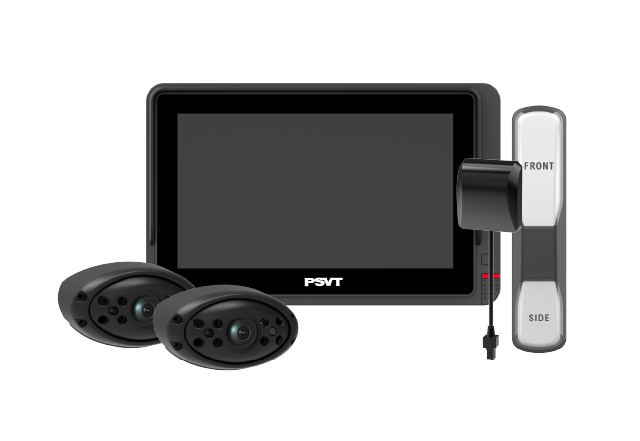
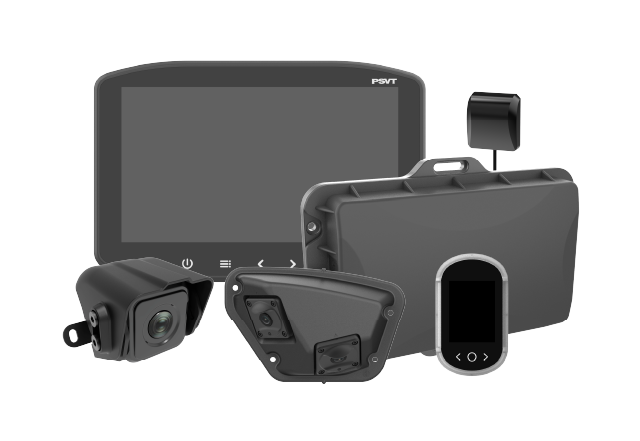
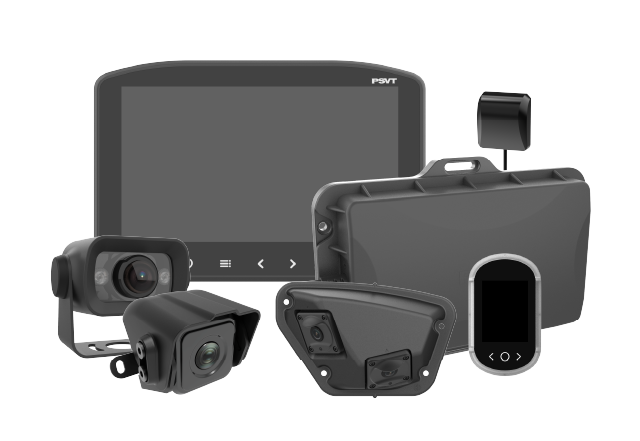
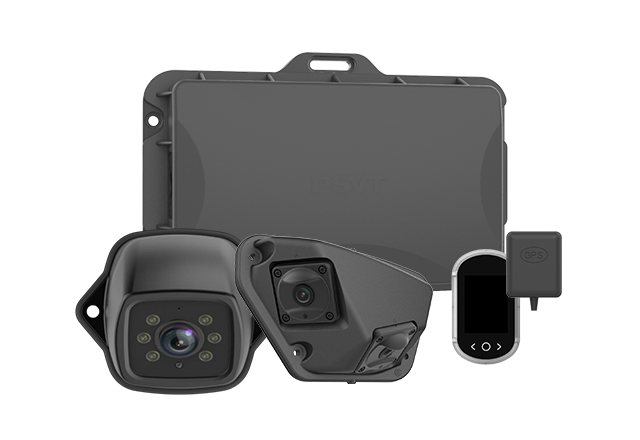
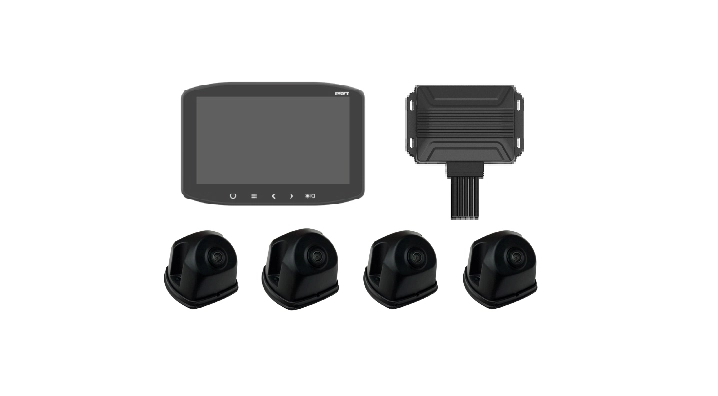
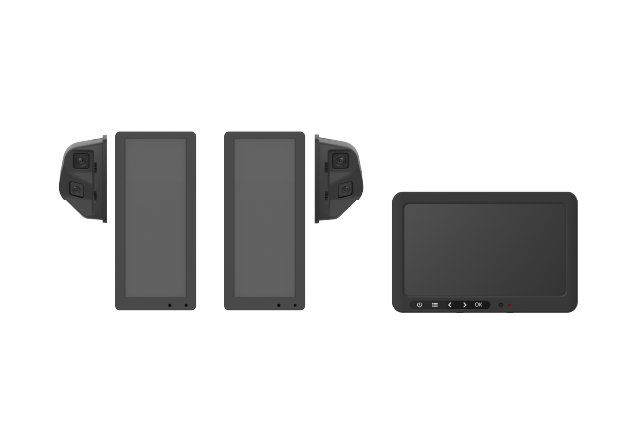
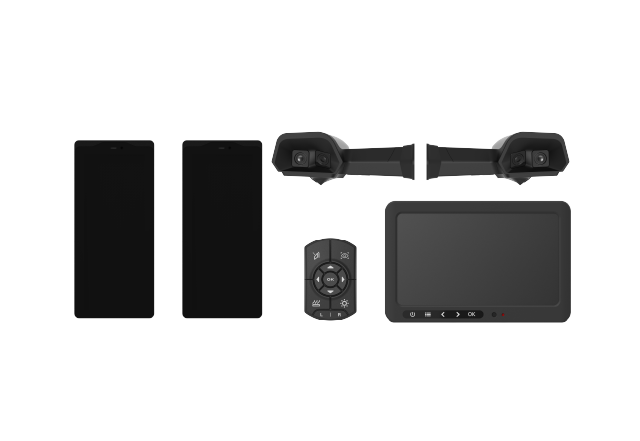
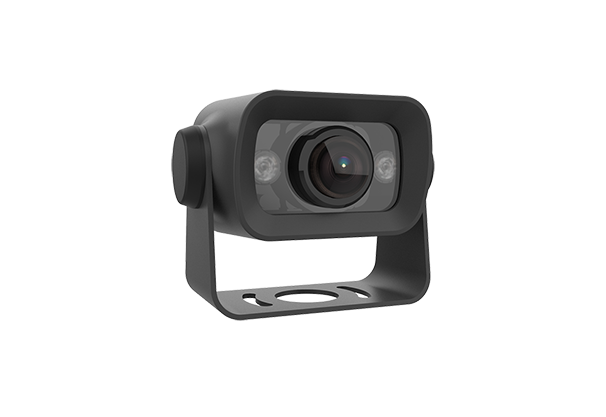
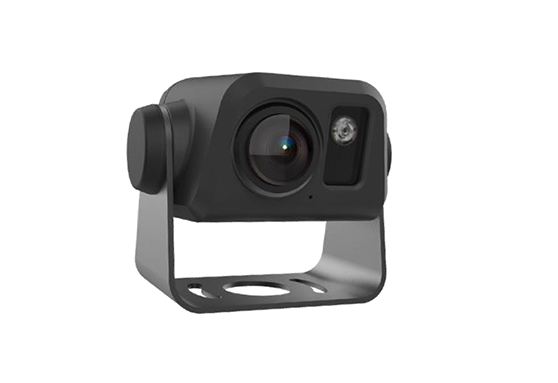
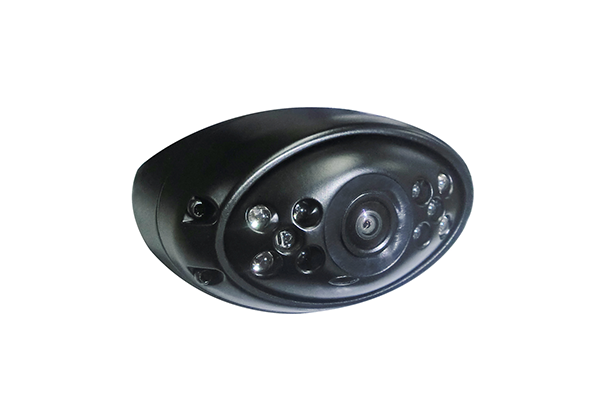
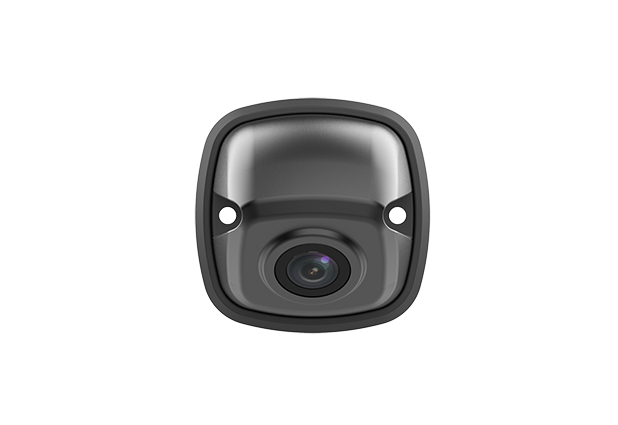
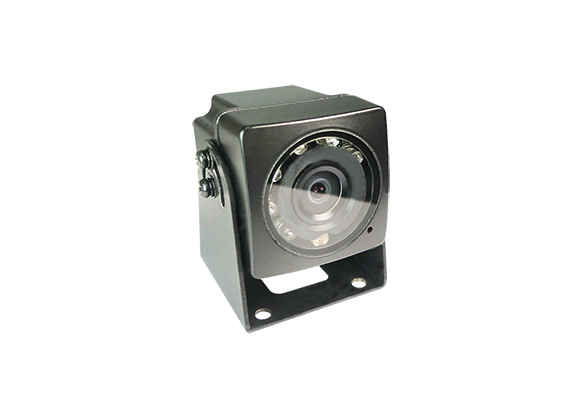
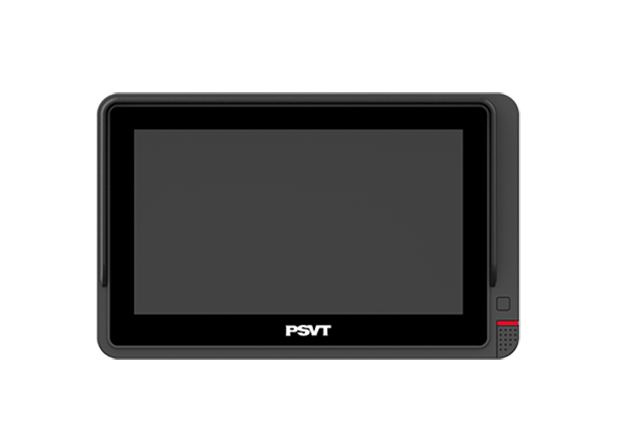
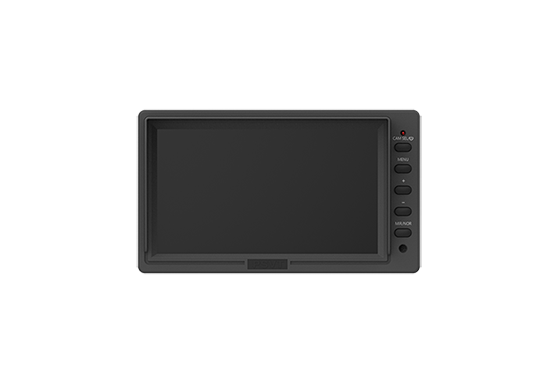
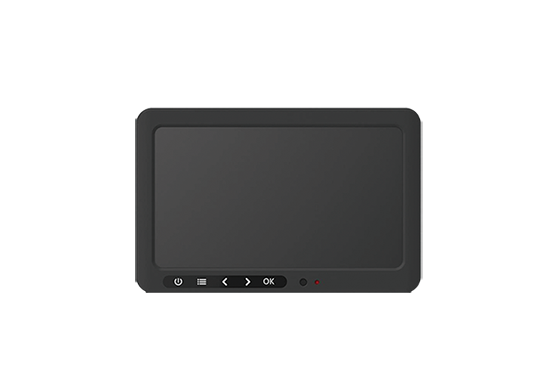
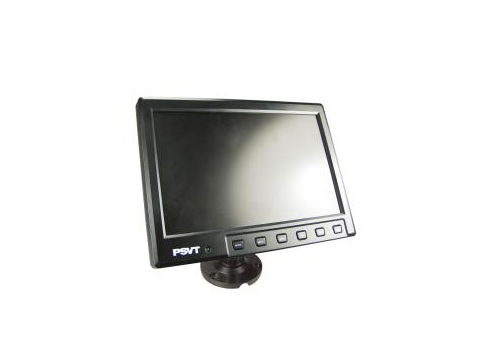
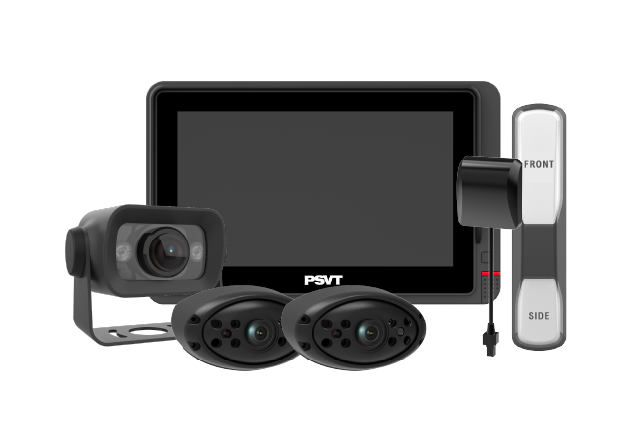
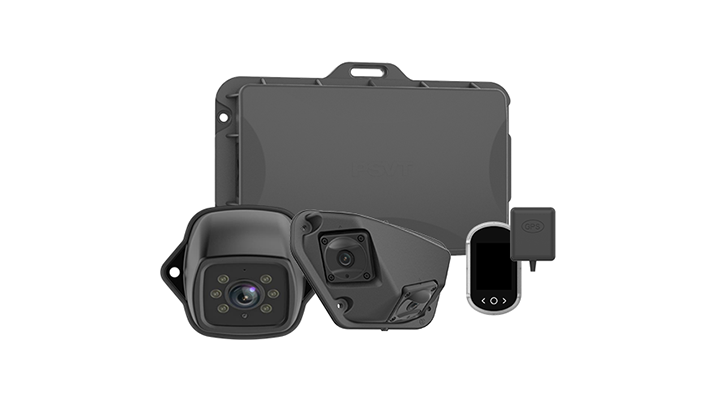
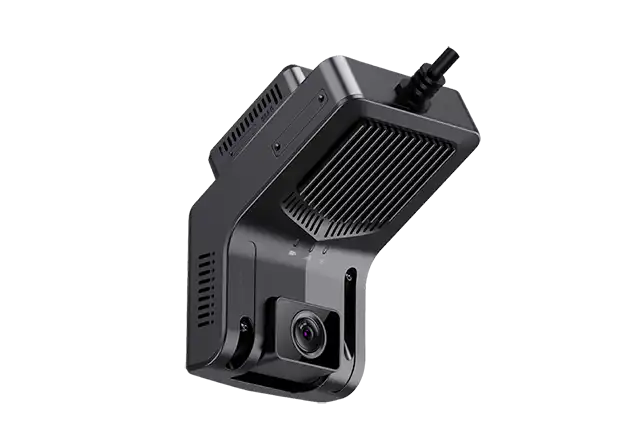
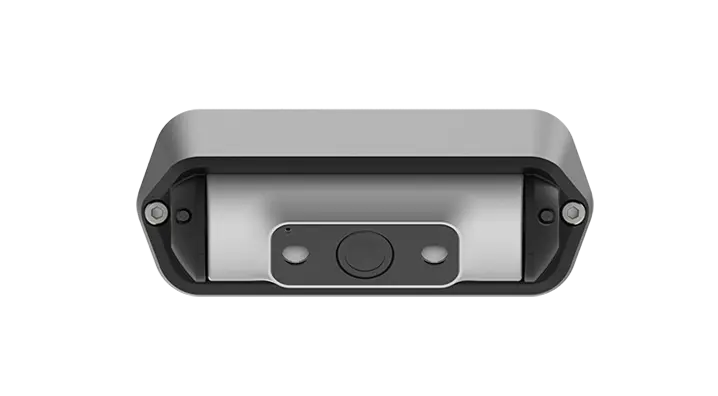
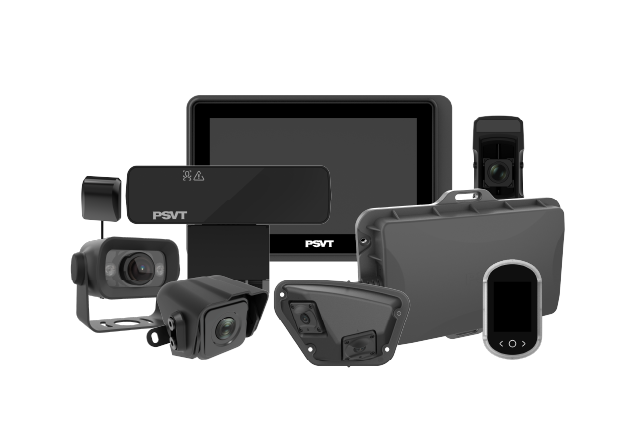
A typical installation combines exterior camera modules, video transmission links, image processing, in-cab displays, and a vehicle power interface. Cameras are positioned to capture designated areas alongside and behind the vehicle. The processing chain adjusts the image and may support functions such as brightness control, distortion correction, or view selection. Displays then show the relevant scenes continuously when required for driving.
Performance depends on the entire chain. A capable sensor can still produce an unhelpful result if the lens loses detail, processing introduces excessive delay, or the monitor washes out in sunlight. Equally, a clear display cannot compensate for poor camera positioning. Buyers should evaluate what the driver actually sees in the installed vehicle, including object size, distance cues, image orientation, and consistency during transitions between lighting conditions.
Commercial vehicles operate in situations where several risks compete for the driver’s attention. A distribution truck may turn across a cycle lane while watching approaching traffic. A coach may pull away from a crowded stop while monitoring its rear overhang. An articulated vehicle may reverse toward a loading bay while its trailer changes angle relative to the cab. In each case, useful visual information must be available quickly enough to support a sound decision.
A Mirror Replacement System can help by presenting engineered views in predictable display locations. Depending on the configuration, it may offer separate main and wide-angle images or functions that help maintain visibility of the trailer. The objective is to make relevant objects easier to observe throughout a maneuver. Wider coverage alone is insufficient: a view must preserve enough detail and an understandable perspective for drivers to judge what they see.
Reducing large exterior mirror housings can also improve portions of direct visibility around the cab. The amount of improvement depends on the original mirror geometry and the replacement installation. Fleet evaluations should therefore include junction approaches, pedestrian crossings, and side-window checks, alongside monitor performance. The benefit is most convincing when drivers can demonstrate improved observation in the specific situations that generate risk on their routes.
Night operations expose limitations that are difficult to judge during a daylight demonstration. Drivers may need to distinguish an approaching vehicle against a dark background while headlights create intense highlights. Warehouse entrances and tunnels present another challenge: the camera moves rapidly between bright and dim environments. Image processing can help manage these transitions, but suitability should be assessed through actual driving scenes.
When evaluating a Mirror Replacement System, ask how it balances brightness, detail, motion, and glare. Excessive brightening may reveal noise without improving recognition. Strong noise reduction can blur moving objects, while poorly controlled sharpening may create misleading edges. The goal is a stable image that lets a driver identify relevant road users and understand their movement. Request demonstrations with oncoming headlights, wet pavement, shaded loading areas, and dim urban streets.
Monitor behavior deserves equal attention. A screen bright enough for direct sunlight may be uncomfortable at night unless its dimming works effectively. Placement, reflections, viewing angles, and polarized eyewear can influence readability. Drivers should assess these conditions from their usual seating positions. Automatic brightness adjustment is useful only when it responds appropriately and maintains a view that remains comfortable and legible.
Moving the viewing surface from a large mirror to a compact camera changes maintenance requirements. Camera lenses can collect water droplets, mud, salt, and road film. Heating or water-management features may support visibility, but their effectiveness depends on design and conditions. A fleet should test how quickly images deteriorate during realistic contamination and whether drivers can inspect and clean the cameras safely.
The electronic architecture also becomes part of the visibility function. Power interruptions, damaged connectors, video-link faults, and display failures require clear diagnostic behavior and operating procedures. Ask the supplier how the system identifies a lost or frozen image, what the driver sees during a fault, and how service teams locate the cause. Document the required response to any loss of a mandatory view before deployment.
A dependable installation requires secure mounting, protected cable routing, appropriate sealing, and compatibility with the vehicle’s electrical environment. Environmental test reports should match the supplied components and configuration. Published ingress ratings or vibration claims are useful evidence, but they do not establish performance in every installation. Maintenance teams should review access to connectors, replacement procedures, calibration needs, and spare-parts availability.
Exterior mirror assemblies create aerodynamic drag, so replacing them with smaller camera housings can offer an efficiency opportunity. The size of that opportunity varies with vehicle design, speed, duty cycle, and installation. Highway fleets may have a stronger aerodynamic business case than vehicles that spend most of their time at low speeds. Any savings estimate should therefore be supported by vehicle-specific evidence.
A Mirror Replacement System should be assessed through total cost of ownership. Include purchase price, installation labor, vehicle downtime, training, cleaning, maintenance, and replacement components. Potential benefits may include reduced energy use or fewer contacts involving protruding mirror assemblies, but these outcomes require validation. Insurance savings and collision reductions should enter the financial model only when the fleet has credible supporting evidence.
For a simple illustration, suppose a truck uses 40,000 liters of diesel annually. If a controlled fleet trial verifies a 1% reduction attributable to the installation, the annual saving would be 400 liters. Multiply that figure by the fleet’s fuel price, then compare the result with installed cost and recurring expenses. This is a calculation method, not a promised performance figure. Sensitivity analysis helps show how the decision changes if savings are smaller or maintenance costs are higher.
In markets applying UN Regulation No. 46, the regulatory framework addresses devices for indirect vision and their installation on vehicles, including relevant camera-monitor provisions. Approval must be evaluated for the applicable device class, configuration, and vehicle installation. A certificate for one component or viewing function should not be assumed to authorize replacement of every mirror on every commercial vehicle.
Before selecting a Mirror Replacement System, request the approval documentation, installation instructions, and a clear statement of the functions it can replace in the intended market. Confirm the vehicle category, mounting arrangement, display configuration, and any conditions attached to the approval. Where requirements differ by jurisdiction, the supplier should explain the applicable route rather than offer a blanket worldwide compliance claim.
Fleet managers should also distinguish indirect-vision approval from other safety obligations. A digital mirror does not automatically satisfy separate requirements for detecting or warning about vulnerable road users. If the procurement brief includes blind spot information, moving-off information, or other assistance functions, evaluate those capabilities and their approval evidence separately. This keeps the specification precise and prevents gaps between the promised package and the required vehicle functions.
The right specification begins with the vehicle’s work. Long-haul tractors need stable views during motorway lane changes and changing trailer angles. Urban delivery fleets need useful observation around frequent turns, parked vehicles, and loading areas. Buses and coaches require evaluation around passenger stops and rear body sweep. Construction vehicles add demanding contamination, vibration, and uneven-ground conditions to the assessment.
For each application, define the situations in which the current arrangement causes difficulty. Then establish acceptance criteria that drivers and engineers can observe. Examples include recognizing a cyclist in the required side view, retaining useful trailer visibility during a turn, and reading the display in low sun. A feature has procurement value when it solves a documented operational problem and remains understandable under pressure.
Image-guidance functions deserve careful review. Some systems can adjust a displayed view to help follow a trailer or provide reference markings. Daimler Truck has described MirrorCam image tracking during turns and lane changes as part of its production vehicle technology. This demonstrates a real commercial implementation, but buyers should confirm what each competing product actually supports. Similar marketing language can conceal substantial differences in behavior.
Resolution, frame rate, and latency are relevant, but none should be interpreted in isolation. Ask for end-to-end performance at the display rather than relying solely on sensor specifications. Review latency under representative conditions, the readability of small objects, and continuity during processing or mode changes. A responsive, consistent image is more valuable than an impressive specification that does not translate into useful driving information.
A Mirror Replacement System also needs a display layout that fits the cab. Evaluate whether screens obstruct direct vision, require excessive head movement, or place important information outside comfortable viewing angles. Include drivers of different heights and seating preferences.
Request a structured supplier response covering approval scope, optical performance, fault detection, environmental validation, installation support, warranty, and service arrangements. For original equipment manufacturers, additional questions may concern electrical integration, diagnostic interfaces, production quality controls, and engineering change management. For retrofit fleets, installation consistency and regional service capacity may determine whether a successful pilot can scale economically.
Experienced drivers have learned to judge speed, clearance, and distance through mirrors over many years. Digital displays present information differently, and adaptation should be planned. Drivers need to understand view boundaries, image scale, reference markings, brightness controls, and fault indications. A short handover at vehicle delivery is rarely enough to establish confidence across all operating scenarios.
Introduce a Mirror Replacement System through a structured training program. Start with stationary familiarization, followed by controlled-yard exercises and supervised route driving. Include turning, reversing, lane changes, trailer alignment, and night operation where relevant. Explain the system’s limitations alongside its capabilities so drivers develop realistic expectations and retain appropriate checking habits.
Collect feedback systematically. Ask which objects were harder to judge, whether screen positioning created discomfort, and whether view changes were predictable. Separate problems that improve with familiarization from those requiring engineering changes. Driver acceptance should be treated as operational evidence: it can reveal installation issues that a technical checklist misses and help determine the support needed for wider deployment.
A meaningful pilot should include representative vehicles, routes, weather, and driver experience levels. Record the baseline first: mirror damage, maintenance interventions, fuel use, driver observations, and relevant incident history. Select measures that the fleet can collect consistently and define the trial’s acceptance criteria before reviewing results. This helps avoid judging success only through favorable anecdotes.
For fuel assessment, account for route, load, speed, traffic, and weather rather than comparing two unadjusted averages. For visibility, use repeatable maneuver evaluations and structured feedback. For reliability, log faults, cleaning frequency, repair time, and unavailable vehicle hours. Rare collision events usually require larger datasets and longer observation periods, so a small trial should not be presented as proof of a particular crash-reduction percentage.
The best purchasing decision connects these findings to a clear rollout plan. Confirm installer training, component stocking, maintenance responsibilities, driver onboarding, and support escalation. A product that performs well on one demonstration vehicle still needs a repeatable installation and service process to deliver value across dozens or hundreds of vehicles.
Digital mirrors offer a practical opportunity to rethink how commercial vehicle drivers access indirect views. Their value comes from the combination of useful images, suitable placement, robust engineering, clear approval scope, and consistent support. Fleet buyers should pursue improvements they can verify in their own operating conditions and build the business case from those results.
When evaluating a Mirror Replacement System, begin with the maneuvers that matter most to your fleet. Ask suppliers to demonstrate those scenarios, provide supporting documentation, and explain how the installation will be maintained over its working life. Request a vehicle-specific assessment and a representative pilot before finalizing the purchase. That approach turns a promising technology into a decision supported by operational evidence.
Replacement depends on the approved functions, vehicle installation, and local requirements. Some products replace particular mirror classes; others provide supplementary views. Confirm the exact scope before removing any mandatory mirror.
A reversing camera primarily helps the driver observe the rear area during reversing. Digital mirrors provide specified indirect views used during normal driving and other maneuvers. Their approval and installation requirements depend on the functions they perform.
No system should be assumed to provide complete visibility around a vehicle. Camera coverage, body geometry, contamination, and image interpretation all impose limits. Evaluate the required viewing areas and any additional aids separately.
Performance depends on the camera, image processing, display, and lens condition. Test the supplied configuration after dark and in realistic wet conditions, including glare and contamination. Confirm cleaning and inspection requirements with the supplier.
No. Object detection, tracking, and warning functions are product-specific options or separate capabilities. Confirm their operating limits, alert behavior, and approval evidence instead of assuming they are included with digital mirrors.
No. Live viewing and recording are different functions. If footage is needed, specify compatible outputs, recording equipment, storage, and access controls. Confirm that recording integration preserves the performance of the primary driving views.
Some vehicles and products support retrofit installation. Suitability depends on mounting positions, electrical integration, cab layout, approval scope, and local rules. Obtain a vehicle-specific installation assessment before committing to a retrofit program.
The behavior depends on the architecture and fault handling. Ask for documented failure indications and required driver actions. Establish an operating procedure for loss of a required view, including when the vehicle must stop or be taken out of service.