UN Regulation R151/R159/R158
View More







An active safety solution for commercial vehicle fleets does more than record what happened after a collision. It continuously observes the vehicle, road, driver, and surrounding vulnerable road users; identifies developing hazards; warns the driver in time; and, where the vehicle architecture permits, supports intervention before an incident occurs. For operators facing rising repair costs, driver shortages, insurance pressure, demanding delivery schedules, and stricter safety expectations, active safety is no longer an isolated hardware purchase. It is an operational system that connects real-time risk detection with driver coaching, vehicle data, fleet management, and measurable business improvement.
Traditional fleet safety has often been reactive. A standard dashcam records video, an MDVR stores multiple channels, and the safety team reviews footage after a complaint or accident. These tools are useful for evidence and claims defense, but they cannot independently reduce a risk that is unfolding beside or in front of the vehicle.
Commercial vehicles create a distinct risk profile. Trucks, buses, coaches, refuse vehicles, construction vehicles, and delivery vans have large blind zones, longer stopping distances, wide turning paths, and demanding duty cycles. Drivers may operate in congested streets, loading yards, highways, poor weather, or low-light conditions during the same shift. A person walking or cycling beside a turning truck can enter a critical zone within seconds. A tired driver may look away from the road before a traffic queue forms ahead. A forklift or utility vehicle may reverse in an area where workers and equipment are constantly moving.
An active safety solution for commercial vehicle fleets addresses these risks while they are developing. The goal is not to produce more alerts or collect more video. The goal is to give the right warning to the right person at the right moment—and to turn event data into actions that reduce repeat risk.
Active safety includes technologies designed to help prevent a crash or reduce its severity. Passive safety, by contrast, reduces injury after an impact through features such as seat belts, airbags, and structural protection. Video recording without real-time detection is primarily reactive. It becomes part of active safety when intelligent perception, timely warning, or vehicle-level response is added.
A complete active safety solution for commercial vehicle fleets usually combines four layers:
The quality of the overall solution depends on how well these layers work together. A high-resolution camera alone does not guarantee accurate detection. A powerful algorithm does not help if warnings arrive too late. A cloud dashboard adds little value if managers cannot distinguish a genuine near miss from an avoidable false alert.
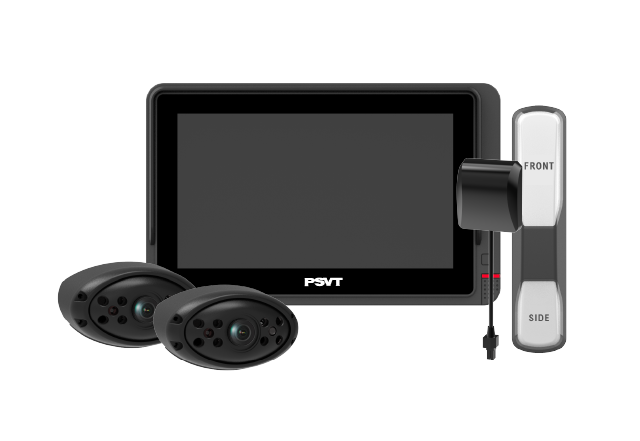
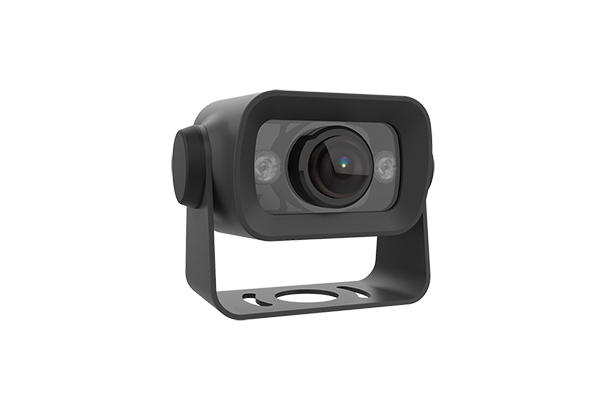
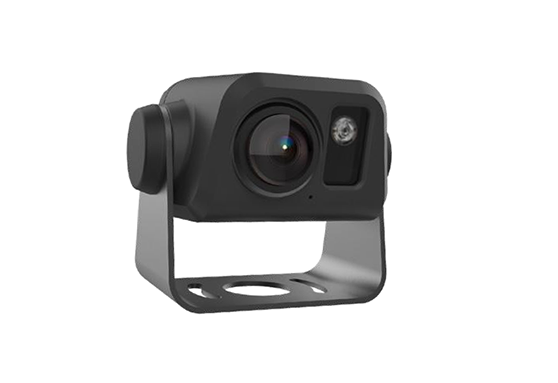
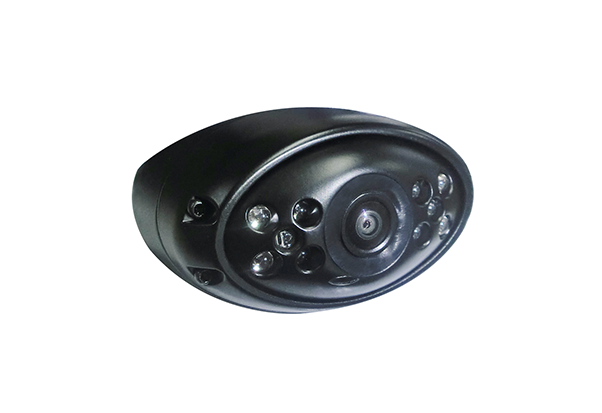
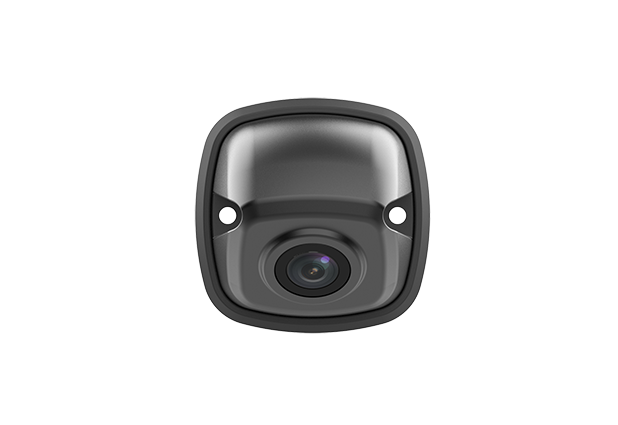
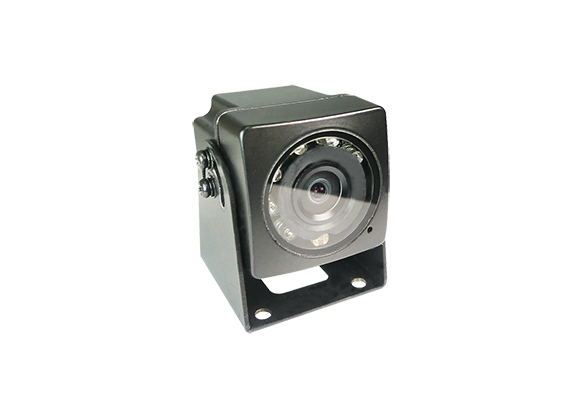
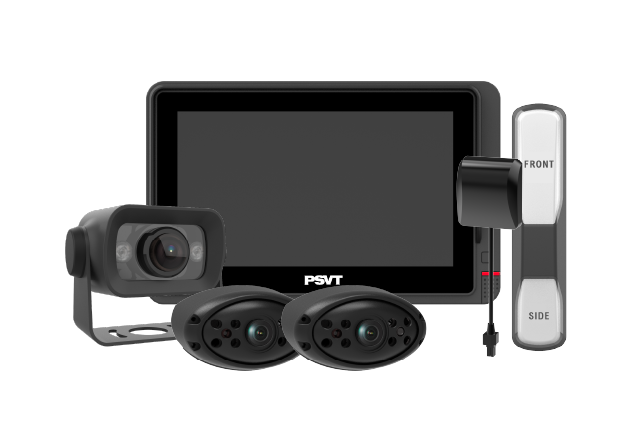
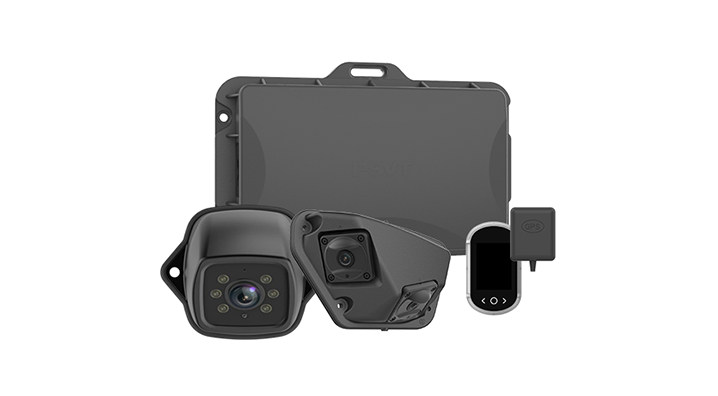
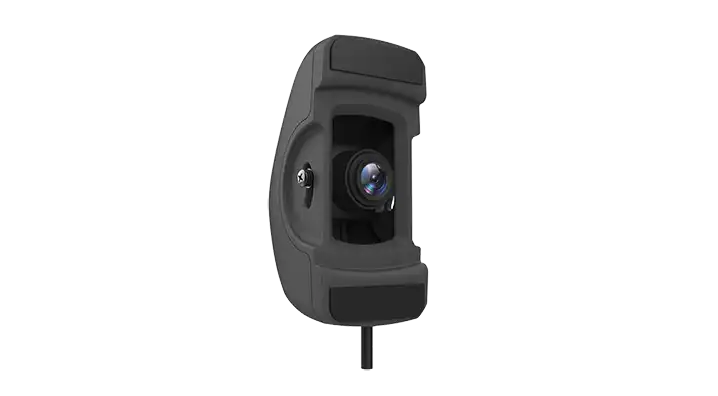
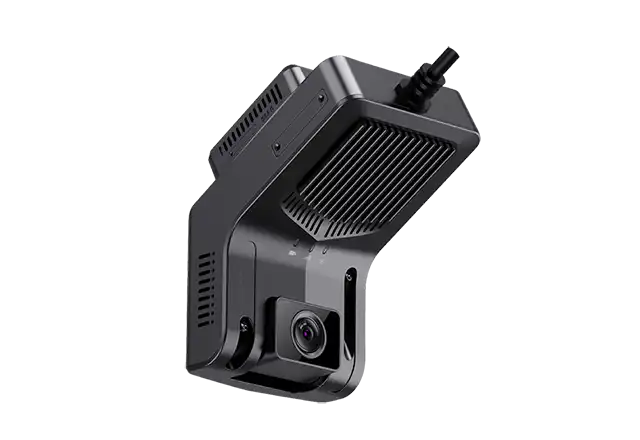
AI cameras can detect and classify road users directly at the edge, reducing dependence on continuous cloud connectivity. A forward-facing unit may support forward collision warning, pedestrian collision warning, lane departure warning, headway monitoring, traffic sign recognition, or speed-related alerts. Side cameras focus on vulnerable road users in blind zones, particularly during low-speed turns and urban operation.
For an active safety solution for commercial vehicle fleets, detection range and accuracy must match the use case. A long-haul tractor requires different calibration and warning logic from a refuse truck that repeatedly stops and turns on narrow streets. Side detection should consider steering input, vehicle speed, object trajectory, and the geometry of the danger zone. Otherwise, the system may warn whenever a cyclist is visible—even when no collision path exists.
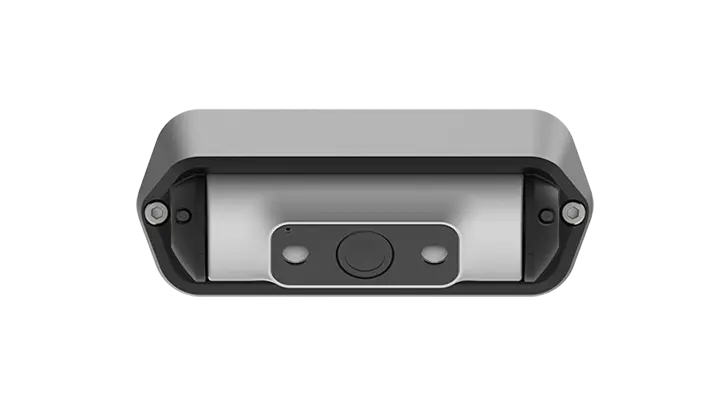
Blind spot information systems monitor the side of the vehicle and can warn when a cyclist or pedestrian is at risk during a turn. Moving-off information systems cover the frontal area immediately ahead, where a driver may not see a vulnerable road user close to a high cab.
Good systems do not treat the entire camera image as one undifferentiated alarm zone. They use multiple risk areas, time-to-collision logic, object direction, vehicle state, and configurable speed thresholds. This helps separate awareness alerts from urgent collision warnings and reduces alarm fatigue.
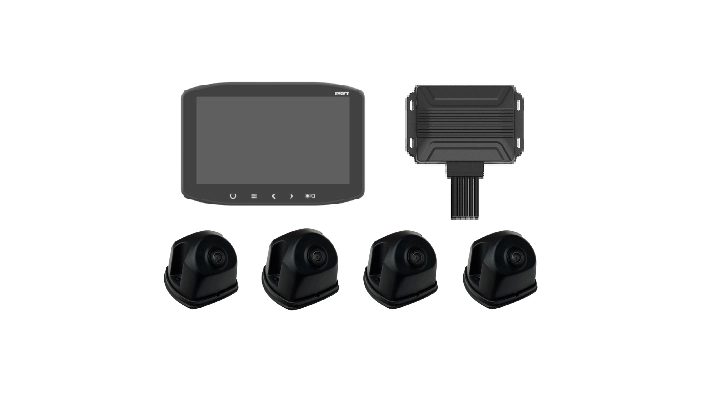
A 360° around-view monitoring system, commonly called AVM, stitches images from cameras mounted around the vehicle into a bird’s-eye view. It helps drivers understand vehicle position during turning, parking, loading, reversing, and operation in confined spaces.
AVM becomes more valuable when AI detection is overlaid on the surround view. Instead of expecting the driver to monitor four separate images, an intelligent system can highlight a pedestrian, cyclist, vehicle, or obstacle in the relevant zone. For articulated vehicles, calibration, camera placement, trailer movement, and real-time stitching quality are especially important.
Within an active safety solution for commercial vehicle fleets, AVM should complement direct camera views rather than hide useful detail. The interface must prioritize hazards, preserve low latency, and remain understandable at a glance.
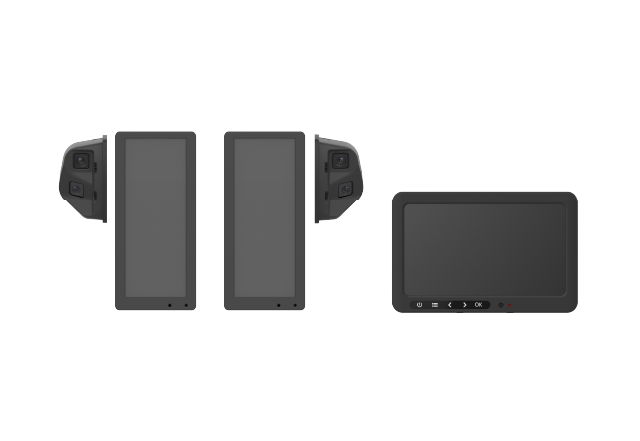
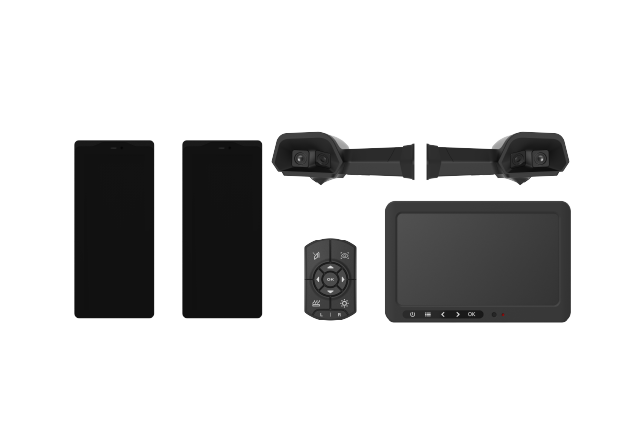
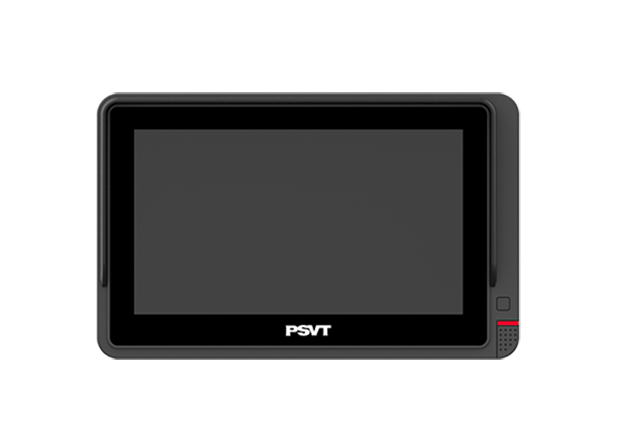
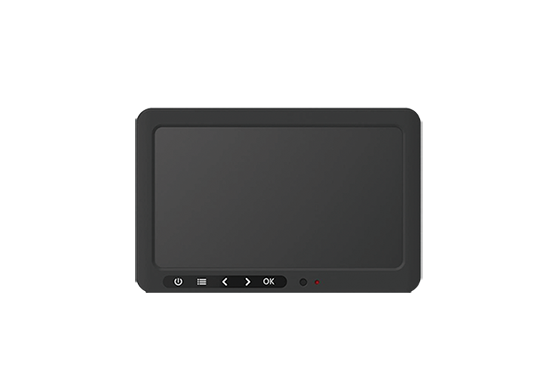
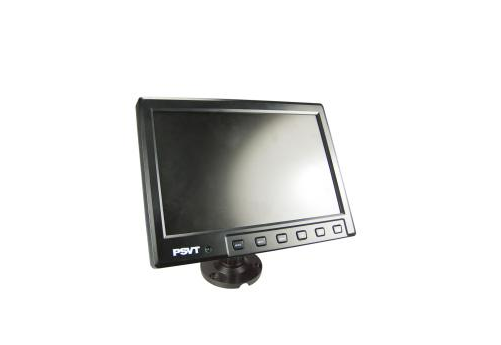
A camera monitor system replaces or supplements conventional mirrors with exterior cameras and in-cab displays. CMS can improve visibility in low light, rain, glare, and other demanding conditions when it includes appropriate high dynamic range, low-light performance, lens heating, and image processing.
For buses and trucks, electronic mirrors can also support multiple regulated fields of view, trailer-aware auto panning, and AI overlays. A reliable CMS must maintain low end-to-end latency, rapid startup, stable color and contrast, and dependable performance over temperature, vibration, water, and dust exposure. These engineering details matter because the display is part of the driver’s primary visual information path.
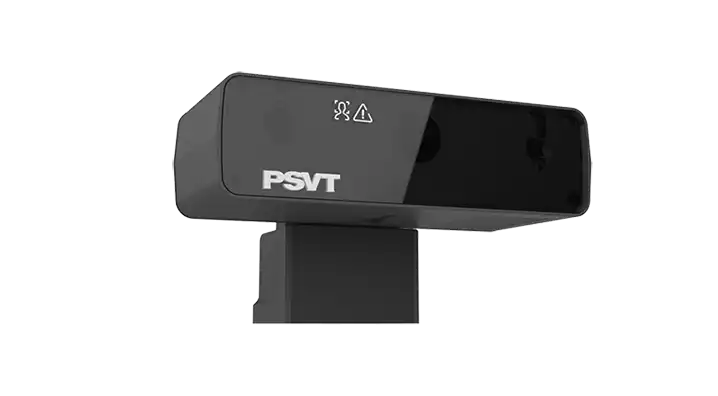
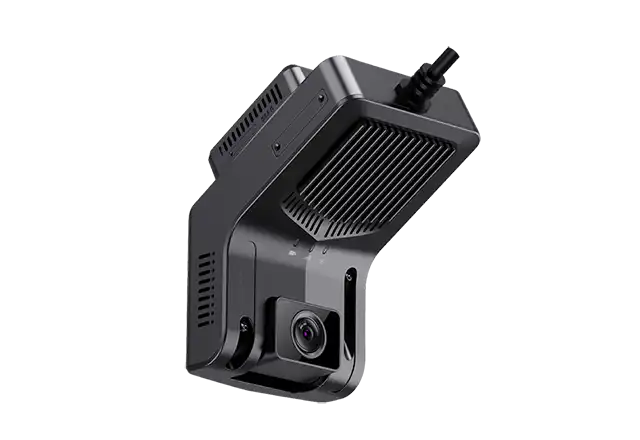
External perception only addresses part of fleet risk. Driver monitoring systems can identify distraction, drowsiness, phone use, smoking, seat-belt status, or prolonged attention away from the road. Advanced driver assistance systems can add lane, headway, and collision-related warnings.
The best implementation uses a clear escalation policy. A brief glance should not trigger the same response as repeated eyes-off-road behavior. In-cab warnings should give drivers an opportunity to self-correct, while recurring or severe events can be uploaded for coaching. Transparent policies are essential so drivers understand what is detected, why data is collected, who can view it, and how it will be used.
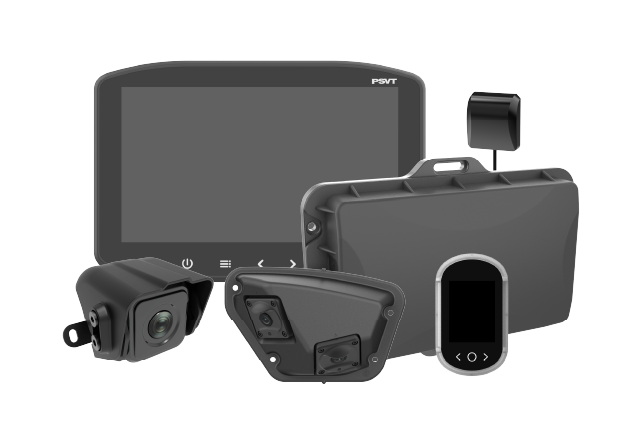
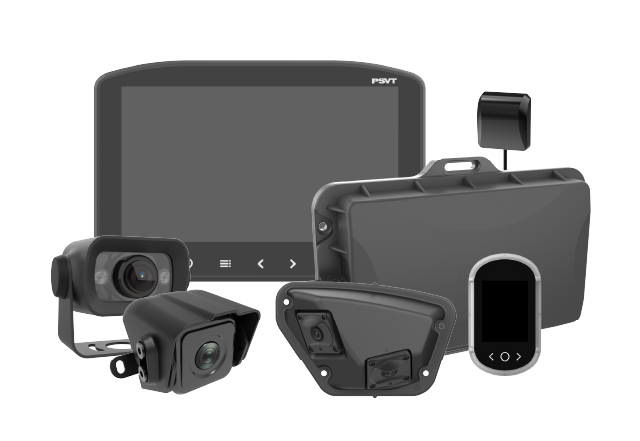
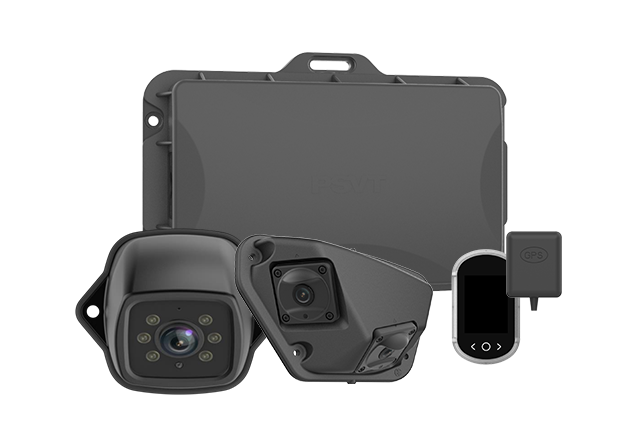
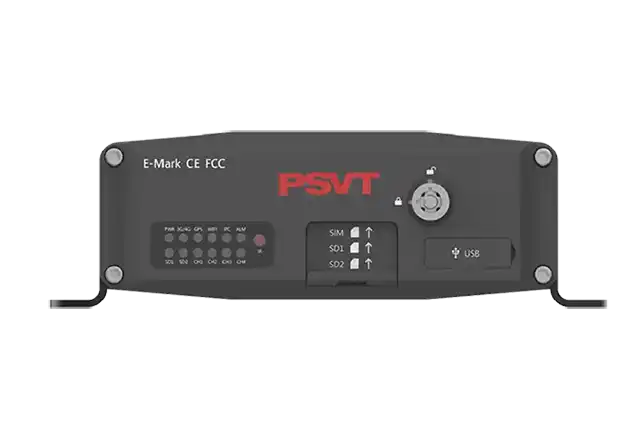
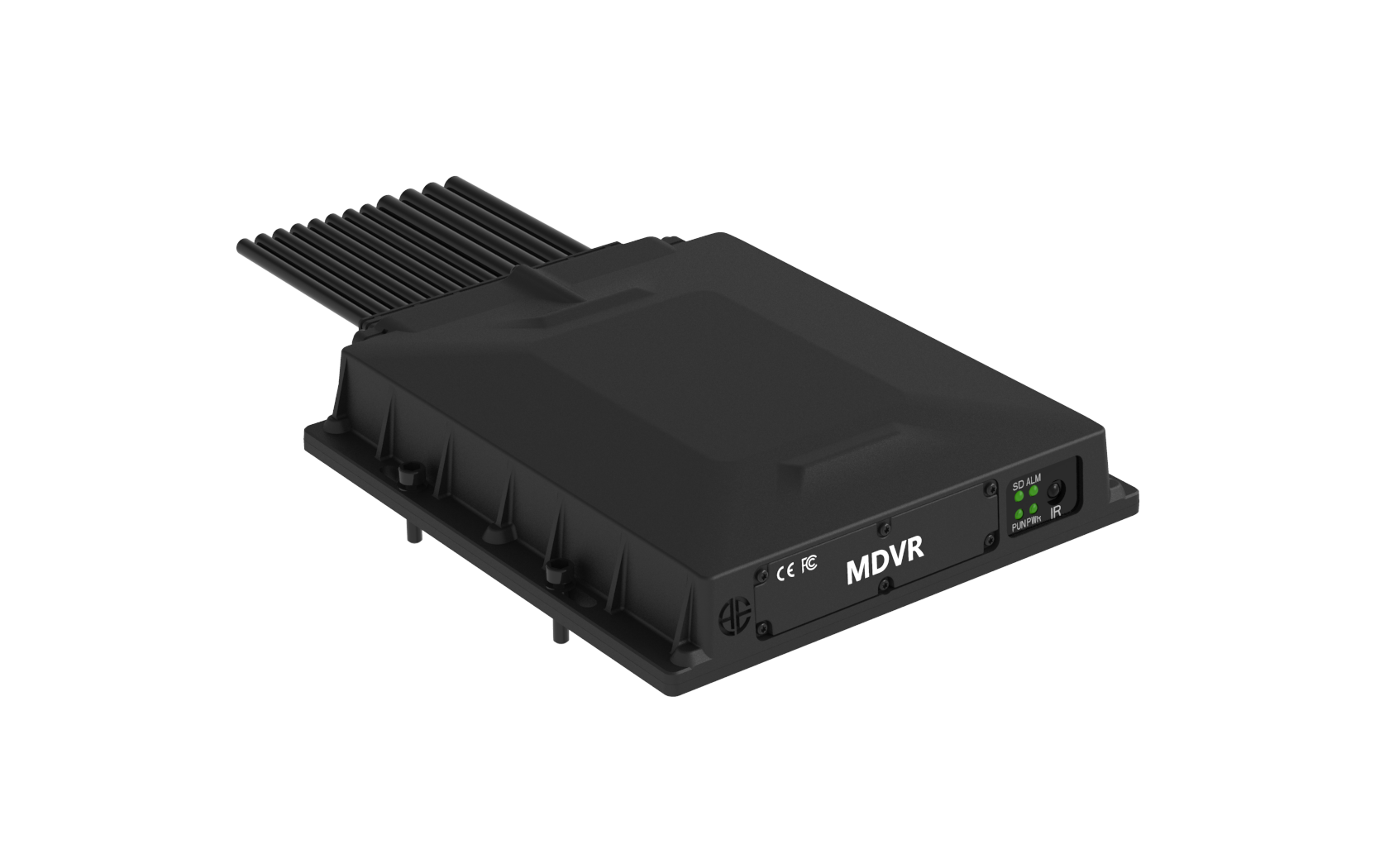
An AI-enabled MDVR can combine multi-channel recording, edge analytics, event tagging, positioning, wireless communication, vehicle interfaces, and remote management. Unlike a basic recorder, it can associate video with a risk event and send a short, prioritized clip instead of requiring managers to search through hours of footage.
This layer connects the vehicle to the safety operation. An active safety solution for commercial vehicle fleets can use event metadata to show which routes, vehicles, shifts, or behaviors create the highest exposure. Integration with a fleet platform can support live view, geofencing, incident workflows, maintenance alerts, and over-the-air updates.
Fleet technology is often purchased one component at a time: a dashcam from one supplier, side sensors from another, a display from a third, and telematics from a fourth. The result may be duplicated cameras, multiple driver displays, incompatible event formats, overlapping alarms, and difficult support.
A properly designed active safety solution for commercial vehicle fleets begins with the operating design domain: where and how the vehicles work. The integrator then maps each major hazard to a sensor, detection function, warning strategy, recording requirement, and management response.
For example, an urban bus may need forward vulnerable-road-user detection, side blind spot monitoring, moving-off detection, 360° visualization, driver monitoring, and event upload. A highway fleet may place greater emphasis on forward collision risk, headway, lane behavior, drowsiness, and video evidence. A construction fleet may prioritize low-speed surround awareness, reversing protection, rugged hardware, and local alerts because connectivity is inconsistent.
Integration also affects latency and reliability. Uncompressed or low-latency links may be necessary for primary driver displays, while compressed IP video may be appropriate for recording and transmission. CAN, Ethernet, RS232, RS485, digital I/O, and wireless interfaces must be defined carefully. Each interface should have a purpose, ownership, failure behavior, and cybersecurity plan.
Technology does not reduce collisions simply because it has been installed. Fleets need a closed-loop safety process:
This is where an active safety solution for commercial vehicle fleets becomes a management capability rather than a collection of devices. The system should help managers focus on high-consequence and repeated behavior, not bury them in a queue of minor events.
Useful safety KPIs include preventable collisions per million kilometers, near-miss frequency, high-risk events per 1,000 driving hours, repeat-event rate after coaching, average review time, false-alert rate, claims cost, vehicle downtime, and driver acceptance. Establish a baseline before deployment so improvements can be measured credibly.
False or poorly prioritized warnings can undermine even sophisticated technology. When drivers hear frequent alerts that do not correspond to genuine danger, they learn to ignore the system. In some cases, they may cover a sensor, lower the volume, or resist the entire program.
An effective active safety solution for commercial vehicle fleets should use sensor confidence, vehicle speed, turn signals, steering angle, object movement, distance, direction, and time-to-collision to determine urgency. Warning design should distinguish informational awareness from immediate action. Audio patterns, display graphics, and warning locations should be consistent across the fleet.
Pilot testing is essential. Test representative vehicle types, body configurations, routes, loading conditions, weather, day and night operation, and common edge cases. Review false positives and false negatives with drivers and safety managers. A solution tuned only in a laboratory or on a passenger car may not perform appropriately on a commercial fleet.
Real-time safety decisions should generally occur at the edge because a warning cannot depend on mobile network coverage or cloud round-trip time. The vehicle-side processor must detect the hazard and issue the alert locally. The cloud is better suited to aggregation, remote configuration, model and firmware distribution, event review, reporting, and cross-fleet analysis.
This hybrid architecture also controls data cost. Continuous upload from multiple high-definition cameras can consume substantial bandwidth. Event-based upload, configurable clip length, low-bandwidth previews, Wi-Fi offload, and storage policies help fleets balance evidence, responsiveness, and operating cost.
Cybersecurity and privacy must be designed into the active safety solution for commercial vehicle fleets. Fleet operators should define authentication, encryption, user roles, data retention, export permissions, firmware signing, vulnerability management, and over-the-air update controls. Driver-facing policies should explain when recording occurs and how footage is used.
The price of safety technology is visible; the cost of unmanaged risk is spread across many budgets. A collision can create repair bills, third-party liability, injury claims, cargo loss, legal expense, insurance increases, administrative time, missed deliveries, reputational damage, and vehicle downtime. Severe events can also affect contracts and the fleet’s ability to recruit and retain drivers.
When evaluating an active safety solution for commercial vehicle fleets, calculate total cost of ownership rather than comparing camera prices. Include hardware, installation, calibration, connectivity, software subscriptions, storage, training, support, replacement units, system maintenance, and the internal time required to review events.
Then model potential benefits conservatively: fewer preventable incidents, lower average claim severity, faster claims resolution, reduced fraudulent claims, improved driver coaching efficiency, less downtime, and better utilization. Do not promise that technology will eliminate accidents. A credible business case shows how the solution reduces the frequency or severity of defined risks and how the fleet will verify the result.
Analyze collision records, insurance claims, near misses, route types, vehicle classes, driver feedback, and operational tasks. Identify the highest-severity and highest-frequency scenarios. Avoid beginning with a preferred product.
Translate risks into requirements for detection, fields of view, warning timing, accuracy, low-light performance, environmental protection, recording, storage, connectivity, vehicle interfaces, cybersecurity, and compliance. Define acceptable false-alert performance and the events that must reach the cloud.
Select enough vehicles to cover meaningful variations. Include experienced drivers and operational skeptics, not only technology advocates. Run the pilot long enough to include realistic routes and conditions. Document installation time, calibration stability, connectivity performance, alert quality, manager workload, and driver response.
Explain what the system does, what it does not do, and why it is being deployed. Demonstrate each warning. Define the review and coaching process. Emphasize that active safety supports professional drivers; it does not replace attention, judgment, or safe operating procedures.
Compare pilot results with the baseline. Investigate event trends and tune the solution without masking real risks. Confirm that managers can process the event volume. Update policies and training before fleet-wide rollout.
Standardize installation, calibration records, user permissions, data retention, firmware management, spare parts, support escalation, and KPI reporting. An active safety solution for commercial vehicle fleets must remain consistent after hundreds or thousands of vehicles are deployed.
Fleet operators should look beyond demonstration videos and headline accuracy figures. Ask suppliers to explain how performance was measured, which vehicle types and environments were tested, and how the system handles unusual conditions.
The right partner should be able to connect sensing performance to operational outcomes. An active safety solution for commercial vehicle fleets is a long-term safety infrastructure decision, so product lifecycle, engineering support, and integration capability are as important as the initial feature set.
Commercial vehicle safety is moving from isolated warning devices toward integrated perception. Cameras, radar, vehicle signals, and AI will increasingly work together to understand not only whether an object is present, but whether its path creates a meaningful collision risk. Edge systems will make immediate decisions, while fleet platforms identify patterns across vehicles, drivers, routes, and time.
The strongest systems will also become more driver-centered. They will reduce unnecessary alerts, provide clear information, preserve direct visibility, and support fair coaching. They will integrate with existing operations instead of forcing safety teams to manage another disconnected portal.
Ultimately, an active safety solution for commercial vehicle fleets should create a simple outcome from complex technology: help the driver see risk earlier, help the fleet act on evidence faster, and help the organization prevent the same dangerous event from happening again.
There is no single camera or algorithm that solves every fleet safety problem. Effective prevention requires a system built around real operating risks, appropriate sensing, reliable edge intelligence, intuitive warnings, connected evidence, and disciplined management.
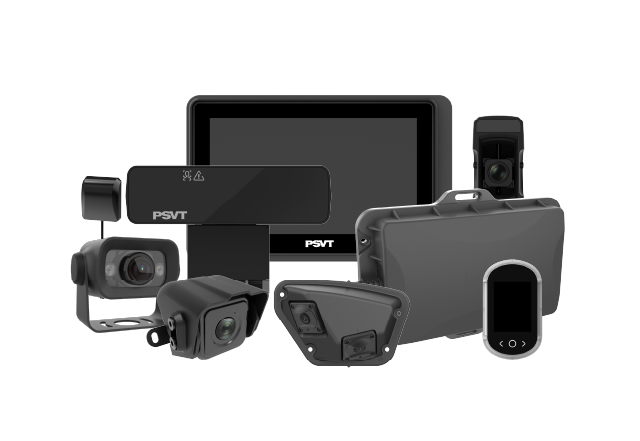
For fleet leaders, the best starting point is not “Which device should we buy?” It is “Which collisions and near misses must we prevent, and what information or intervention would change the outcome?” Once that question is answered, the fleet can design an active safety solution for commercial vehicle fleets that combines AI cameras, blind spot detection, AVM, CMS, driver monitoring, AI MDVR, and fleet intelligence in a coherent architecture.
The result is more than improved visibility. It is a scalable safety program that protects drivers and vulnerable road users, strengthens operational control, reduces avoidable cost, and gives customers, insurers, and business partners greater confidence in every journey.