UN Regulation R151/R159/R158
View More

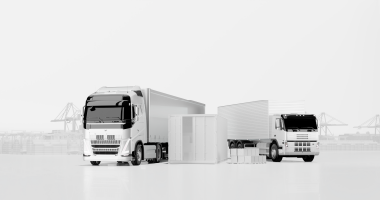
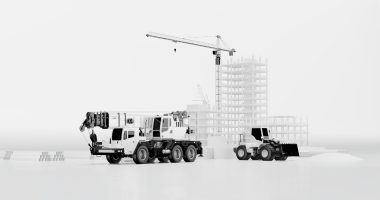
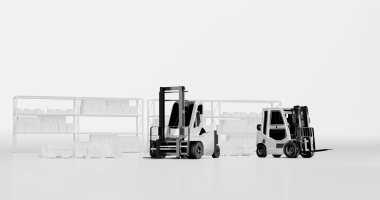
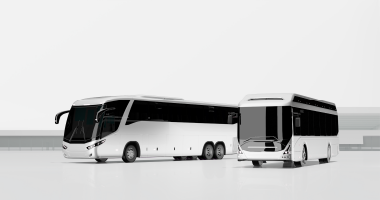






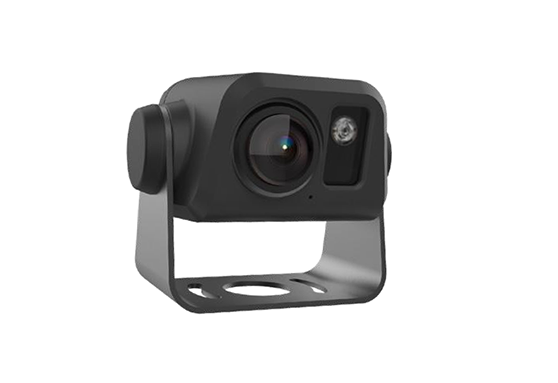
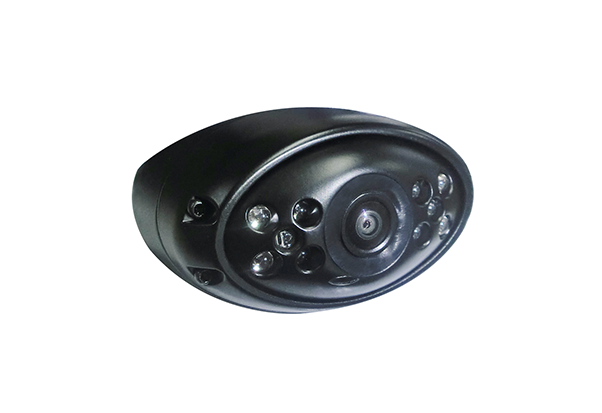
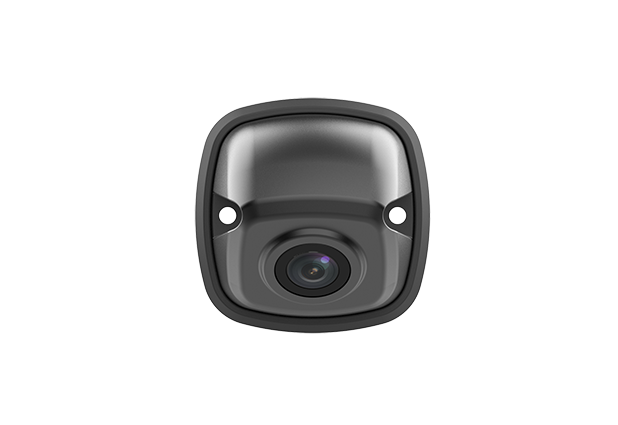
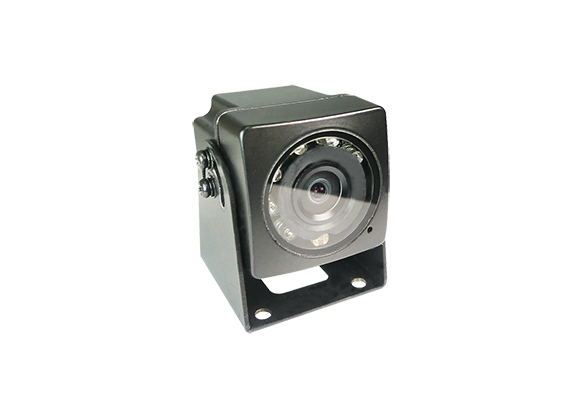
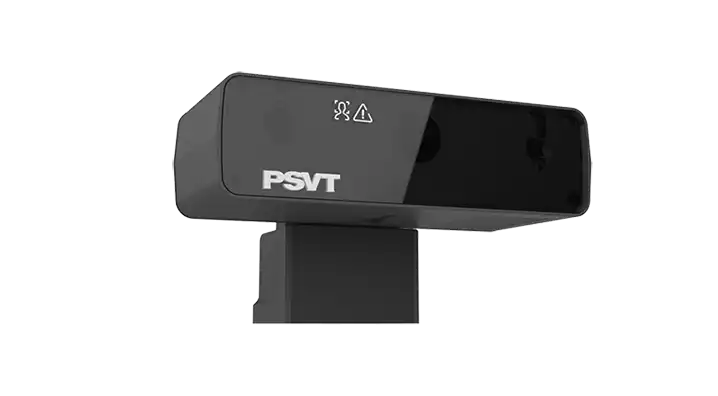
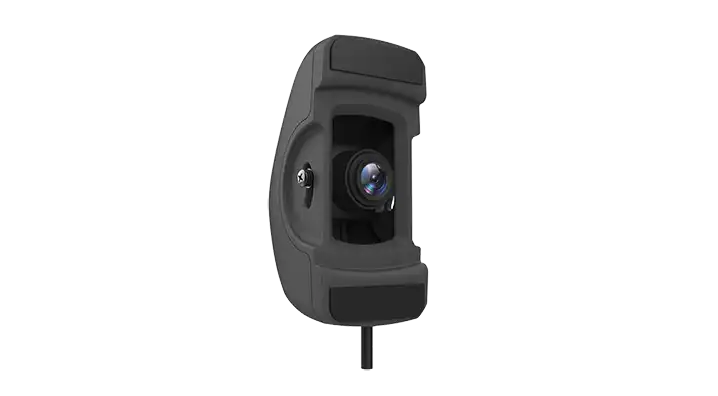
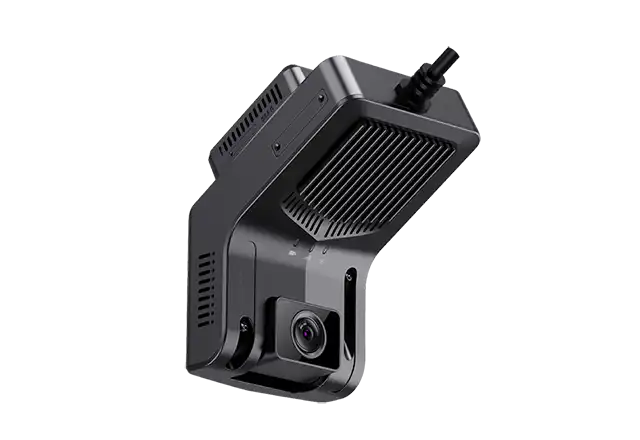
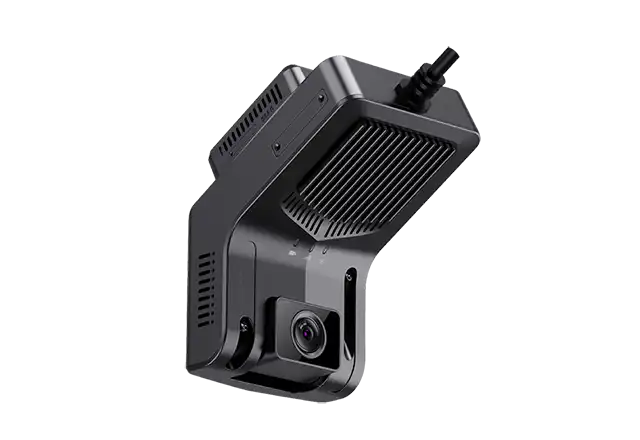
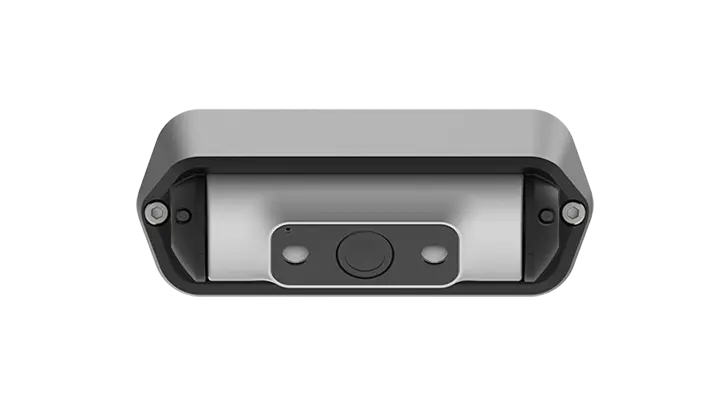
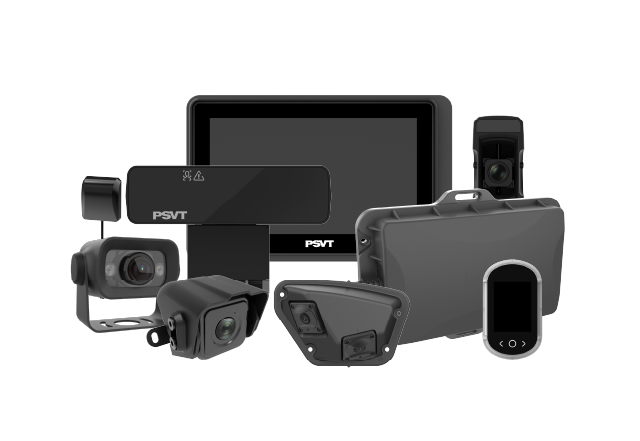
Commercial vehicles operate in some of the most demanding traffic environments. Trucks, buses, construction vehicles, refuse vehicles, and delivery fleets must regularly travel through crowded streets where pedestrians, cyclists, motorcycles, passenger cars, and stationary obstacles may appear within seconds. An AI pedestrian & vehicle detection camera gives drivers an additional layer of awareness by identifying vulnerable road users and surrounding vehicles in real time. Instead of simply showing video, the system analyzes the scene, recognizes potential hazards, and delivers timely visual or audible warnings before a dangerous situation develops.
For fleet operators, this technology represents more than another camera installed on a vehicle. A properly designed AI pedestrian & vehicle detection camera can become part of a broader active-safety strategy covering blind spots, low-speed maneuvers, urban deliveries, construction sites, depots, and congested intersections. It helps fleets move from passive video recording toward proactive risk prevention.
A commercial vehicle may have several areas that cannot be adequately observed through conventional mirrors alone. The size of the vehicle, the height of the driver’s seating position, the body structure, trailers, cargo equipment, and turning geometry can all restrict visibility.
These limitations become particularly serious when a pedestrian or cyclist is positioned close to the front or side of a truck. A conventional camera can display the area, but the driver must still notice the person, interpret the situation, and respond while simultaneously controlling a large vehicle.
An AI pedestrian & vehicle detection camera supports the driver by continuously examining the camera image. When the algorithm recognizes a pedestrian, cyclist, motorcycle, car, or other designated object inside a predefined detection zone, it can highlight the target and generate a warning.
This distinction is important. A traditional vehicle camera improves visibility, but an AI pedestrian & vehicle detection camera adds machine-based interpretation. It helps direct the driver’s attention to relevant hazards rather than requiring the driver to monitor every camera view continuously.
The technology is especially valuable for vehicles operating in environments such as:
In these environments, an AI pedestrian & vehicle detection camera can help identify road users who may otherwise remain unnoticed until the vehicle begins moving or turning.
An AI pedestrian & vehicle detection camera combines an imaging sensor, lens, image signal processing, an artificial intelligence processor, detection algorithms, and a warning interface. Depending on the system architecture, AI processing may take place inside the camera or in a separate electronic control unit.
The camera first captures video from the selected area around the vehicle. The detection algorithm then analyzes each frame and searches for recognizable object characteristics. Rather than reacting only to motion, an AI pedestrian & vehicle detection camera classifies objects according to trained categories.
Typical detection categories can include:
After identifying an object, the system determines whether it is located inside a configured warning zone. More advanced solutions may also evaluate movement direction, relative distance, vehicle speed, and the time available before a possible conflict.
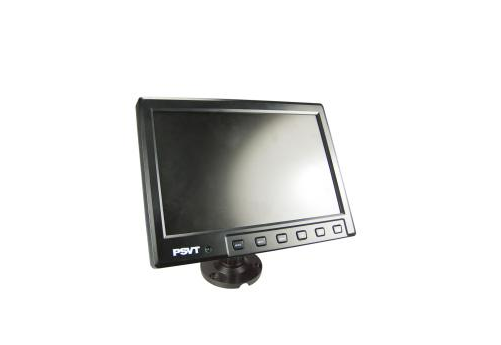
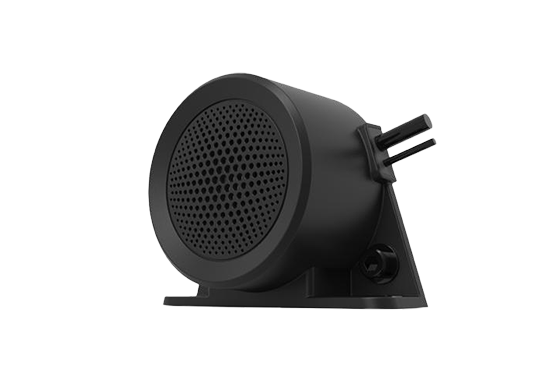
When the conditions meet the warning logic, the AI pedestrian & vehicle detection camera can send a signal to a monitor, buzzer, speaker, LED indicator, vehicle network, or telematics platform. This allows the fleet to design different warning strategies for different vehicle types and operating scenarios.
For example, a side-mounted AI pedestrian & vehicle detection camera may monitor the passenger-side blind spot of a truck. If a cyclist enters the warning zone while the vehicle is preparing to turn, the system can highlight the cyclist on the display and activate an audible warning.
A front-mounted solution may monitor the area immediately ahead of a bus or truck during low-speed operation. A rear-mounted AI pedestrian & vehicle detection camera can support reversing by detecting people or vehicles behind the vehicle.
Traditional motion detection usually responds to changes in pixels. Movement caused by rain, shadows, tree branches, reflections, or lighting transitions may therefore trigger an alert. It generally does not understand what the moving object represents.
An AI pedestrian & vehicle detection camera is designed to distinguish meaningful road users from irrelevant background movement. The system can be trained to recognize the visual characteristics of pedestrians and different types of vehicles.
This object-classification capability helps reduce unnecessary warnings. Alarm quality matters because repeated false alerts can create driver frustration and eventually lead to alarm fatigue. If drivers receive warnings too frequently, they may begin to ignore the system.
The effectiveness of an AI pedestrian & vehicle detection camera should therefore not be evaluated solely by whether it can detect an object. Buyers must also consider how accurately it identifies relevant targets, how consistently it operates, and how effectively the warning logic filters situations that do not require driver action.
The most immediate benefit of an AI pedestrian & vehicle detection camera is improved awareness around large vehicles. Cameras can be installed at the front, rear, or sides according to the vehicle’s blind-spot configuration.
The system assists drivers when direct vision and mirror coverage are limited. This can be particularly useful during turning, reversing, lane-side operations, and low-speed maneuvering.
Pedestrians and cyclists can move into danger zones quickly. In dense urban traffic, drivers must process information from mirrors, windscreens, displays, road signs, traffic lights, and surrounding vehicles.
An AI pedestrian & vehicle detection camera helps prioritize vulnerable road users by drawing attention to detected targets. The objective is not to replace driver observation but to support faster recognition and decision-making.
A normal video feed provides information but does not necessarily tell the driver where to look. An AI pedestrian & vehicle detection camera can place a bounding box or warning symbol around the detected object and activate a corresponding audible alert.
Some systems can apply different warning levels based on distance, zone, speed, or risk. A person in an outer monitoring area may generate a visual indication, while a person entering a higher-risk zone may trigger both visual and audible warnings.
Installing an AI pedestrian & vehicle detection camera can support a broader fleet-risk strategy. Fleets may combine camera-based detection with driver training, incident reviews, route planning, vehicle inspections, and safety performance monitoring.
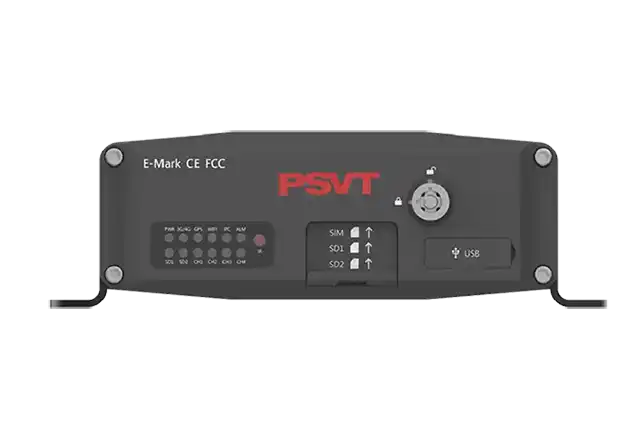
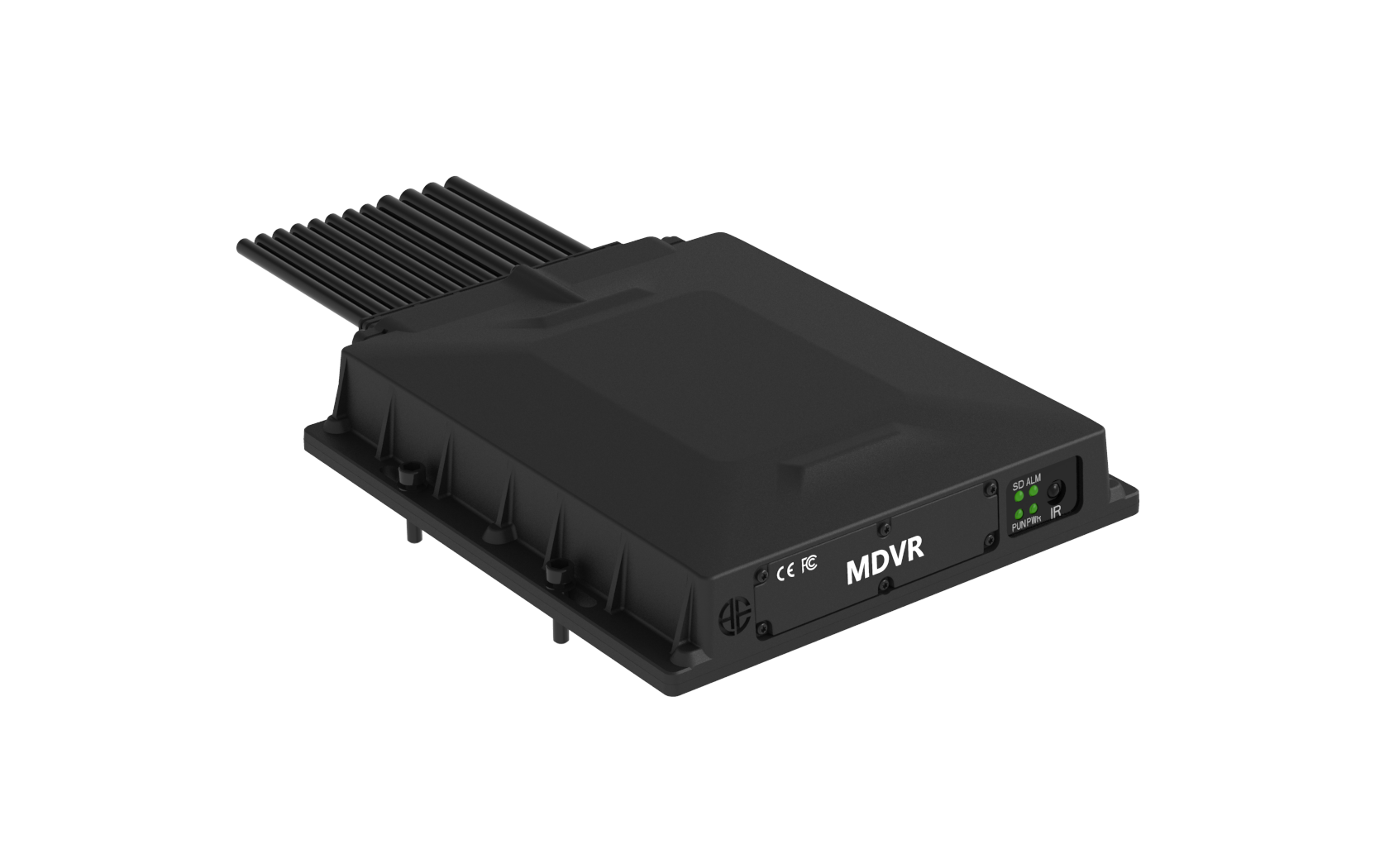
When integrated with a mobile DVR or telematics platform, detection events may also be recorded. Safety teams can review recurring hazards and identify locations where drivers frequently encounter pedestrians or surrounding vehicles.
Collisions involving commercial vehicles may create repair costs, vehicle downtime, insurance claims, delivery disruption, reputational damage, and investigation expenses. More importantly, incidents involving pedestrians and cyclists can result in severe injuries.
Although no safety device can eliminate every risk, an AI pedestrian & vehicle detection camera can help reduce exposure by providing another opportunity for the driver to recognize and respond to a developing hazard.
Large trucks have complex blind spots, especially along the passenger side and close to the front of the cab. During a turn, the relationship between the tractor, trailer, cyclist, and curb changes continuously.
A side-mounted AI pedestrian & vehicle detection camera can monitor the turning side and identify pedestrians, cyclists, motorcycles, or vehicles within the configured area. Fleets may combine the camera with an in-cab display and external warning device.
Buses frequently operate near pedestrians, passengers, bicycles, and crowded curbs. People may approach the vehicle from different directions during boarding and departure.
An AI pedestrian & vehicle detection camera can be positioned to monitor the front, door side, rear, or other critical zones. For transit applications, consistent detection during repeated low-speed stops is particularly important.
Refuse trucks often stop and start in residential areas where workers, pedestrians, parked vehicles, and cyclists may be close to the vehicle. Drivers may also need to reverse in confined spaces.
A multi-camera configuration incorporating an AI pedestrian & vehicle detection camera can provide broader coverage and help alert the driver when a person enters a monitored zone.
Construction vehicles operate around workers, machinery, dust, uneven surfaces, and changing site layouts. Visibility may be restricted by the vehicle structure or attached equipment.
A rugged AI pedestrian & vehicle detection camera can help monitor areas where ground personnel and mobile machinery interact. In these applications, buyers should pay close attention to environmental protection, vibration resistance, operating temperature, and low-light performance.
Delivery vehicles spend significant time in busy urban areas, loading zones, alleys, and distribution centers. Frequent stopping and maneuvering increases exposure to pedestrians and surrounding vehicles.
An AI pedestrian & vehicle detection camera can support last-mile operations by monitoring selected front, side, or rear zones without requiring the driver to watch every camera continuously.
Warehouses and factories contain workers, racks, goods, forklifts, and other mobile equipment in shared spaces. A collision may occur even at relatively low speed.
An AI pedestrian & vehicle detection camera can help detect people or vehicles near the forklift. However, detection zones and warning behavior should be carefully configured to match aisle width, travel direction, vehicle speed, and operating procedures.
Not every AI pedestrian & vehicle detection camera delivers the same performance. Product selection should begin with the operating environment and risk scenario rather than with resolution or AI terminology alone.
Buyers should ask which object categories the system detects and under what test conditions. Detection performance should be evaluated across different distances, object sizes, clothing, vehicle types, poses, and approach angles.
A reliable AI pedestrian & vehicle detection camera should maintain useful detection while limiting false alerts. Demonstrations should include real operating conditions rather than only controlled laboratory scenes.
Commercial vehicles operate in daylight, darkness, tunnels, loading bays, underground facilities, and rapidly changing illumination. Strong backlighting can make people appear as dark silhouettes, while headlights may create glare at night.
The image quality of an AI pedestrian & vehicle detection camera directly affects the information available to the algorithm. Buyers should examine low-light sensitivity, wide dynamic range, noise reduction, exposure control, and LED flicker mitigation.
A wider field of view can cover a larger area, but it may also make distant objects appear smaller. The correct lens depends on the mounting height, required detection distance, vehicle geometry, and target zone.
Before selecting an AI pedestrian & vehicle detection camera, fleets should perform a coverage assessment. The installation position must minimize obstruction while providing a clear view of the relevant area.
A useful system should allow warning zones to match the actual vehicle and application. A fixed detection area may produce unnecessary alerts if it includes sidewalks, adjacent lanes, or other regions that do not represent an immediate risk.
Configurable zones allow the AI pedestrian & vehicle detection camera to focus on operationally meaningful areas. Installers should confirm whether configuration is completed through a monitor, calibration tool, mobile application, or engineering software.
Detection and warning are different functions. The camera may detect several objects, but the system should warn the driver only when the configured risk conditions are met.
Ask whether the AI pedestrian & vehicle detection camera supports multiple zones, different warning levels, speed-based activation, turn-signal inputs, reverse-gear triggers, or vehicle-network integration.
Warnings should be noticeable without becoming distracting. Visual icons, bounding boxes, buzzers, voice prompts, and external warning devices should be selected according to the vehicle cabin and operating environment.
Commercial vehicle electronics must tolerate vibration, water, dust, temperature changes, and long operating hours. A consumer-grade device may not remain reliable in fleet service.
When comparing an AI pedestrian & vehicle detection camera, review its ingress-protection rating, vibration performance, operating-temperature range, connector design, housing construction, and resistance to environmental exposure.
Many fleets already use monitors, DVRs, telematics platforms, CAN-based systems, or vehicle control interfaces. Compatibility can reduce installation complexity and improve the value of recorded events.
An AI pedestrian & vehicle detection camera may support video outputs and interfaces such as AHD, CVBS, Ethernet, CAN, RS232, or RS485, depending on the product architecture. The appropriate interface should be confirmed during system design.
Connected cameras may transfer events, images, or video to other systems. Fleet buyers should understand what data is stored, where it is processed, how long it is retained, and which users can access it.
If the AI pedestrian & vehicle detection camera supports network connectivity, remote updates, or cloud integration, cybersecurity and software-update management should be included in the procurement review.
Some systems perform detection directly inside the camera. This approach is often called edge AI. An edge-based AI pedestrian & vehicle detection camera can reduce the need for a separate processing unit and may provide faster local responses.
Other systems send video to a central controller that processes several camera channels. Centralized processing may be useful when the vehicle requires coordinated coverage from multiple cameras or integration with additional safety functions.
Neither architecture is automatically better for every fleet. The decision depends on channel count, processing requirements, wiring, upgrade strategy, system cost, and integration needs. Buyers should evaluate the complete system rather than comparing the AI pedestrian & vehicle detection camera as an isolated component.
Even a high-performance camera can produce poor results if it is installed incorrectly. Mounting angle, height, camera orientation, lens contamination, cable routing, and warning-zone calibration all influence performance.
Before deployment, the installer should confirm that the AI pedestrian & vehicle detection camera has an unobstructed view and that the monitored zone corresponds to the intended hazard area.
A structured installation process should include:
For mixed fleets, the AI pedestrian & vehicle detection camera may require different calibration profiles for trucks, buses, trailers, construction equipment, and delivery vehicles.
Why Driver Training Is Still Essential
AI detection is a driver-assistance function, not a replacement for mirrors, direct observation, proper signaling, speed management, or safe driving procedures. Drivers must understand what the system can detect and what conditions may limit its performance.
Training should explain the meaning of each warning, the detection-zone boundaries, startup behavior, and the correct response to an alert. Drivers should also know how to identify dirt, damage, obstruction, or misalignment affecting the AI pedestrian & vehicle detection camera.
A successful deployment treats drivers as participants in the safety program. Their feedback can reveal nuisance-alert locations, installation issues, and operational conditions that were not apparent during initial testing.
Building a Business Case
The purchase price of an AI pedestrian & vehicle detection camera is only one part of the investment. Fleet managers should evaluate the complete lifecycle cost, including installation, calibration, maintenance, driver training, integration, replacement parts, and software support.
The business case can consider:
A pilot project is often the most practical starting point. Fleets can install the AI pedestrian & vehicle detection camera on a representative group of vehicles, collect driver feedback, review detection events, and compare performance across different routes and weather conditions.
Pilot evaluation should use clearly defined metrics. These may include detection consistency, false alerts per operating hour, driver response, system availability, maintenance requirements, and the frequency of meaningful warnings.
Choosing the Right Technology Partner
The quality of the supplier can be as important as the hardware. A capable technology partner should understand commercial vehicle installation, camera positioning, AI calibration, vehicle interfaces, environmental requirements, and fleet operations.
When sourcing an AI pedestrian & vehicle detection camera, ask potential suppliers:
A supplier should be able to explain not only what the AI pedestrian & vehicle detection camera detects, but also how the complete warning system behaves in actual fleet operation.
The Future of AI Camera-Based Fleet Safety
Vehicle safety systems are moving from isolated camera displays toward connected perception platforms. Future solutions will increasingly combine camera data with radar, ultrasonic sensors, vehicle speed, steering information, braking status, maps, and telematics.
The AI pedestrian & vehicle detection camera can serve as one of the core perception components in this architecture. It provides visual object classification while other sensors contribute distance, speed, or environmental information.
Over time, fleets may use detection events not only for immediate driver warnings but also for route-risk analysis, training, predictive maintenance, and safety-performance improvement. The value of the AI pedestrian & vehicle detection camera will therefore extend beyond the individual vehicle.
However, successful adoption will continue to depend on practical fundamentals: reliable image quality, accurate detection, well-designed warnings, correct installation, transparent system limitations, and strong driver engagement.
Conclusion
An AI pedestrian & vehicle detection camera transforms a conventional vehicle camera from a passive viewing device into an intelligent driver-assistance tool. By identifying pedestrians, cyclists, motorcycles, and surrounding vehicles, it can help drivers recognize hazards in blind spots and other high-risk areas.
For commercial fleets, the strongest results come from selecting a system according to the actual operating environment. Detection accuracy, image quality, warning logic, durability, system integration, calibration, and supplier support should all be evaluated.
An AI pedestrian & vehicle detection camera should not be viewed as a stand-alone solution or a substitute for driver responsibility. It is most effective when integrated into a complete safety strategy that includes suitable vehicle equipment, clear operating procedures, regular maintenance, driver training, and continuous improvement.
For fleet operators, OEMs, distributors, and system integrators seeking to strengthen vulnerable-road-user protection, the AI pedestrian & vehicle detection camera offers a scalable path toward smarter awareness and more proactive commercial vehicle safety.