UN Regulation R151/R159/R158
View More









Commercial vehicles operate in demanding environments where one missed pedestrian, cyclist, motorcycle, or nearby vehicle can lead to a serious collision. A blind spot monitor system helps drivers recognize hazards that mirrors alone may not reveal, especially during low-speed turns, lane changes, reversing, and operation in crowded urban areas. For fleet operators, the technology is more than an additional warning device: when correctly specified and integrated, it becomes part of a broader risk-reduction strategy that can protect road users, support drivers, control incident-related costs, and strengthen a fleet’s safety reputation.
Truck, bus, construction-vehicle, and special-purpose vehicle drivers must manage far more visual information than passenger-car drivers. Long bodies, tall cabs, trailers, equipment, cargo, and vehicle-specific structures can obstruct direct vision on several sides. Even a vehicle equipped with multiple mirrors can leave areas in which a vulnerable road user is difficult to see or disappears at a critical moment.
The problem becomes more severe during dynamic maneuvers. A cyclist travelling beside a truck may remain outside the driver's clearest field of view as the truck begins to turn. A pedestrian can enter a front or nearside risk area while the driver is checking traffic signals, mirrors, vehicle clearance, and cross-traffic. On a multilane road, a fast-approaching motorcycle may move through a side blind zone just as the commercial vehicle prepares to change lanes.
Driver training and well-positioned mirrors remain essential, but they depend on the driver looking at the correct area at precisely the right time. Human attention is limited, particularly when the driver is under time pressure or working in rain, darkness, congestion, or an unfamiliar location. Safety technology should therefore support—not replace—the driver by identifying relevant hazards and presenting clear information before the situation becomes critical.
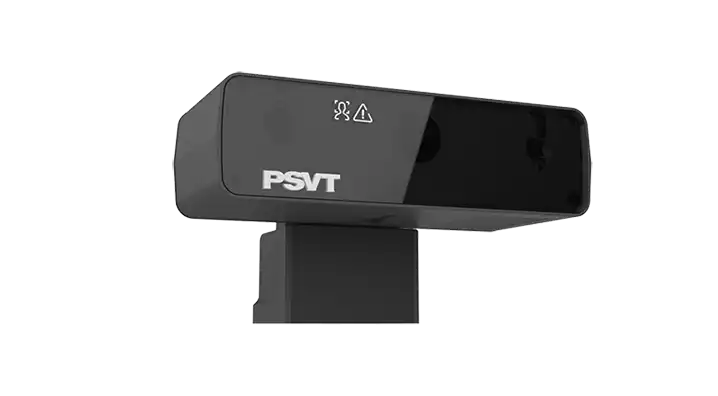
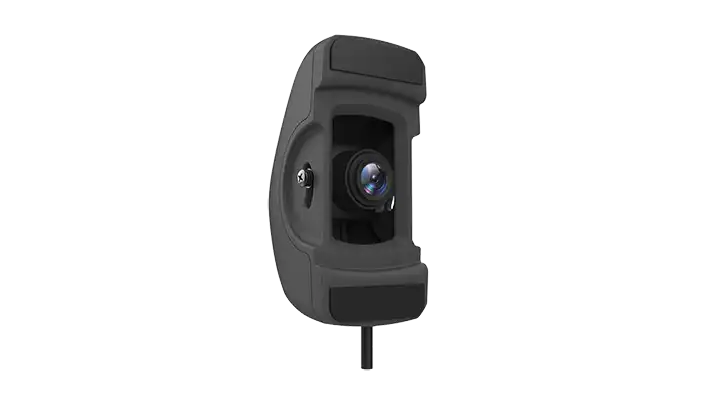
A blind spot monitor system detects objects or road users in predefined areas around a vehicle and alerts the driver when a potential conflict exists. Depending on the design, it may use cameras, millimeter-wave radar, ultrasonic sensors, or a combination of technologies. More advanced solutions apply artificial-intelligence algorithms to distinguish pedestrians, cyclists, motorcycles, cars, and other objects instead of reacting equally to everything within sensor range.
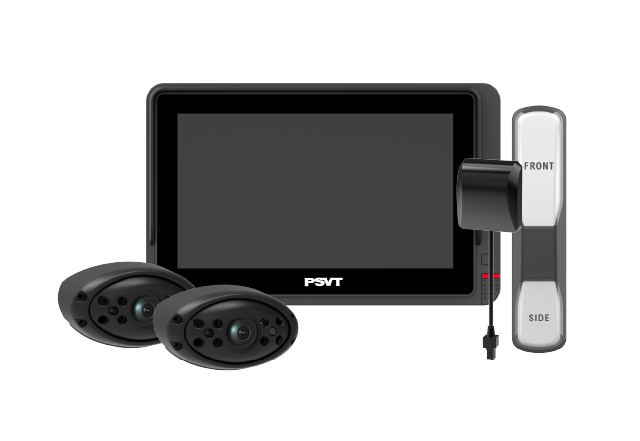
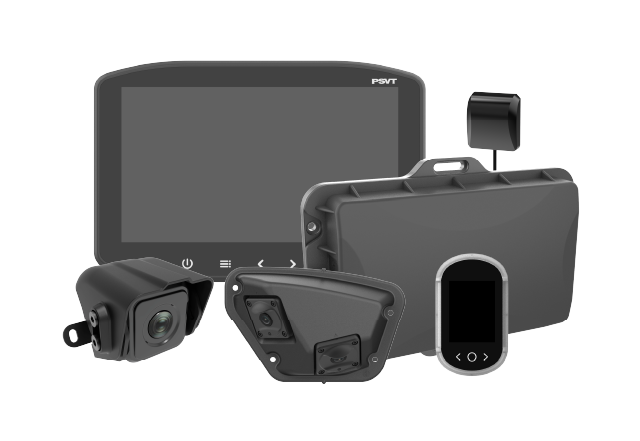
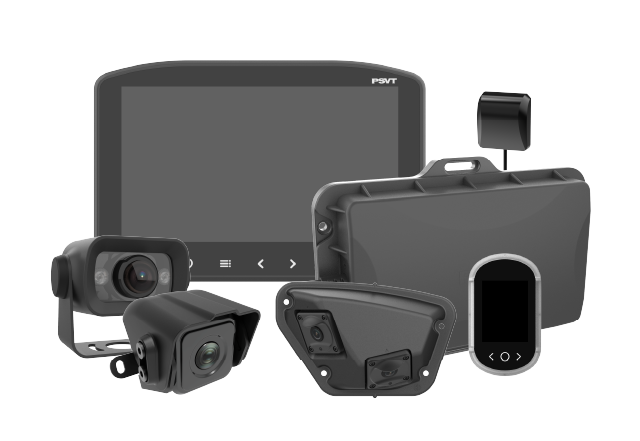
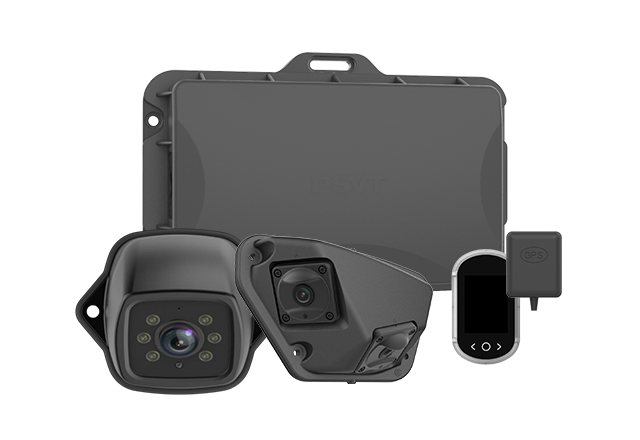
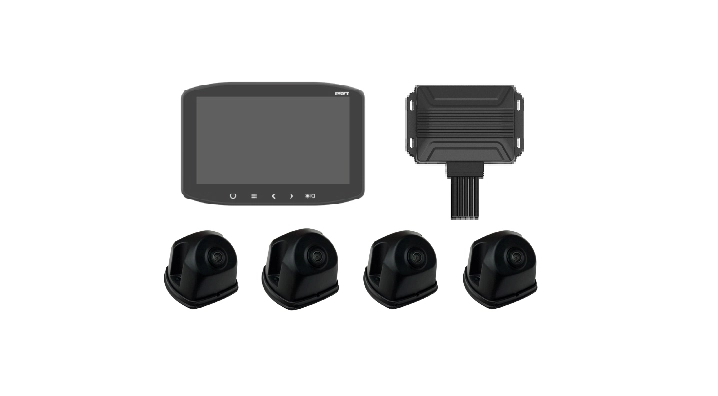
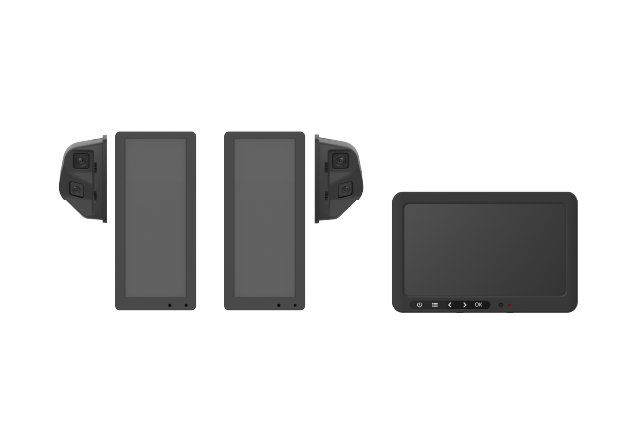
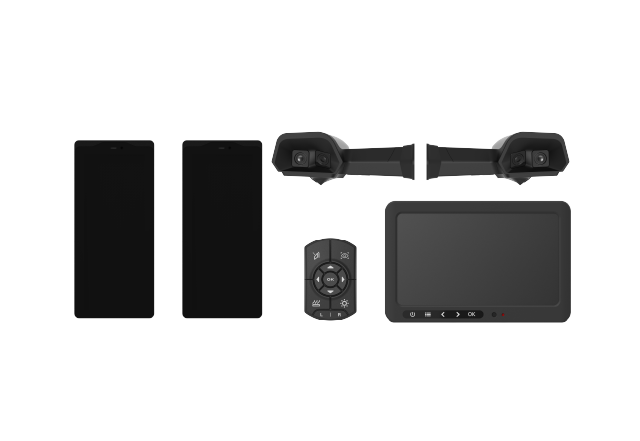
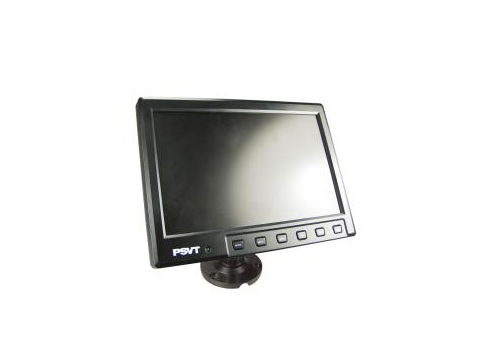
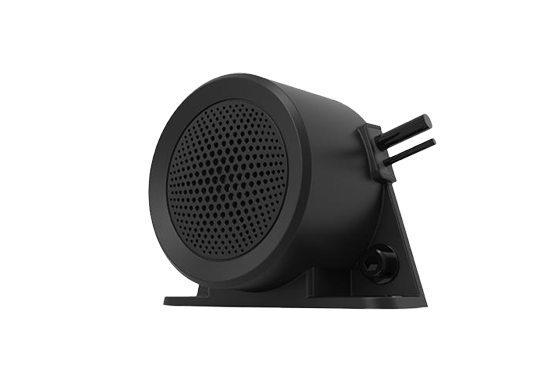
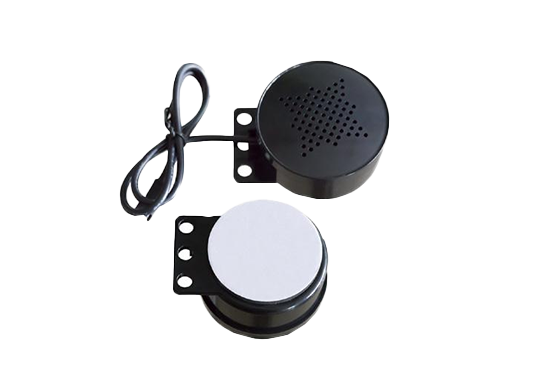
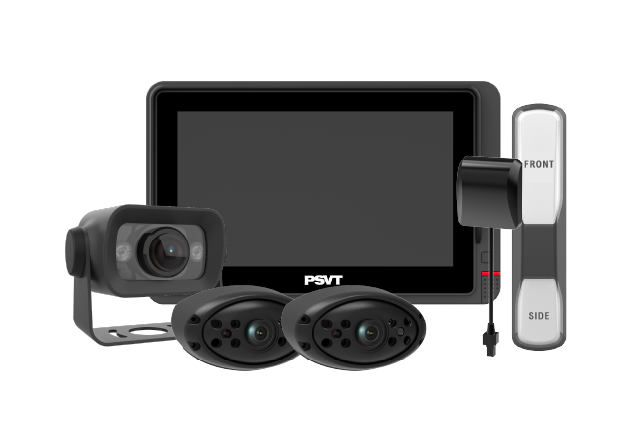
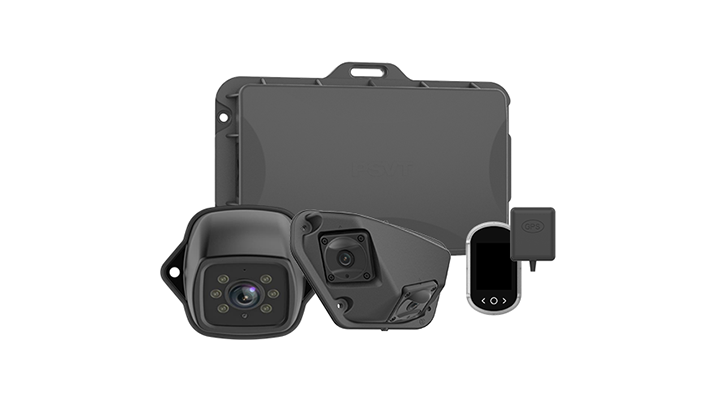
A typical commercial-vehicle solution includes one or more exterior sensors, an electronic control unit or AI processor, an in-cab visual interface, and an audible or directional warning device. Some systems can also accept vehicle signals such as speed, turn-indicator status, gear position, steering input, or CAN data. These inputs allow the warning strategy to change according to the driving situation.
This contextual logic matters. A system that activates the same alarm whenever any object is nearby can quickly overwhelm the driver. By contrast, a properly configured solution may display nearby objects continuously but issue a higher-priority warning only when the vehicle is turning, moving below a defined speed, changing lanes, or approaching an actual collision path. The objective is not to generate the greatest number of alerts. It is to deliver useful alerts that encourage an appropriate driver response.
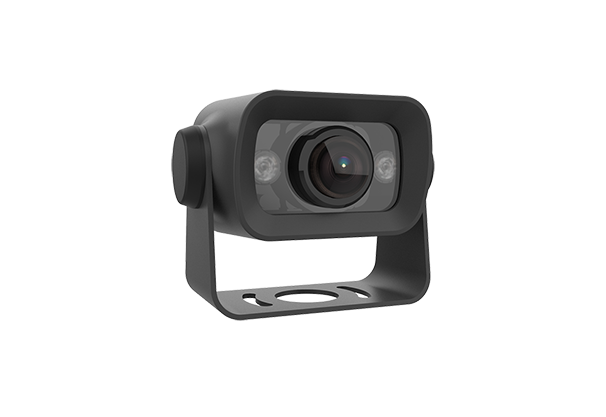
Camera-based systems provide visual information and can use AI classification to recognize specific road users. They can cover complex detection zones and show the driver what triggered an alert. This visual confirmation can improve decision-making because the driver can understand whether the risk involves a cyclist, pedestrian, vehicle, or stationary object. Camera performance, however, depends on image quality, installation angle, lens cleanliness, lighting, weather resistance, and the accuracy of the recognition algorithm.
Radar-based systems measure distance and relative movement effectively and can perform well in darkness, rain, dust, or fog. Radar may be especially useful where motion and range information are important. However, radar alone does not provide the driver with an image of the hazard, and its detection logic must be carefully tuned to the vehicle and operating environment.
Sensor-fusion designs combine camera recognition with radar distance or movement data. A well-engineered blind spot monitor system can use these complementary inputs to improve situational awareness and reduce uncertainty. Sensor fusion is not automatically superior simply because more hardware is present; the real value depends on how accurately the system synchronizes data, filters irrelevant objects, prioritizes threats, and communicates with the driver.
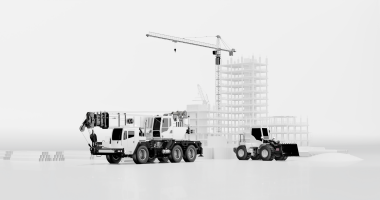
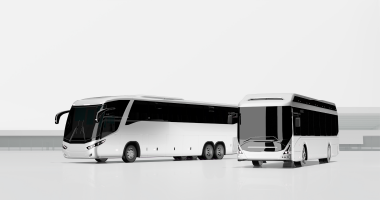
Different commercial vehicles require different coverage strategies. For a city bus, nearside pedestrian and cyclist detection may be especially important because of frequent stops, turns, and interaction with passengers. For a long-haul truck, side detection during lane changes and low-speed protection around the tractor and trailer can both matter. Construction vehicles may require robust detection around the front, rear, and working sides because they operate close to workers and equipment. Refuse trucks, delivery vehicles, and municipal fleets frequently enter narrow streets where vulnerable road users can approach from several directions.
The operating duty cycle should shape the design. A system intended for a highway tractor should not simply be transferred to a low-speed urban vehicle without reviewing detection distance, warning conditions, mounting locations, and driver interface. The vehicle body, wheelbase, trailer configuration, turning geometry, normal speed, and local traffic behavior all affect where conflicts are most likely to develop.
For this reason, the best blind spot monitor system is not necessarily the product with the longest specification sheet. It is the solution whose coverage, timing, and driver interface are engineered around the intended vehicle and duty cycle.
This is why professional deployment usually begins with a risk-zone assessment. The fleet and supplier identify the maneuvers that cause the greatest exposure, map the relevant areas around the vehicle, and decide when information or alerts should be presented. The resulting configuration should match real operating conditions instead of relying on a one-size-fits-all sensor placement.
The most important benefit is improved awareness. A reliable blind spot monitor system gives drivers an additional layer of information when vulnerable road users or vehicles enter difficult-to-see areas. Earlier recognition can create more time to stop, delay a turn, cancel a lane change, or check the surrounding area again.
The business case extends beyond collision avoidance. An incident can involve vehicle repair, insurance administration, operational disruption, route delays, replacement vehicles, investigations, legal costs, customer dissatisfaction, and damage to the fleet’s reputation. Even a relatively minor contact event can take a vehicle and driver out of productive service. Preventing one serious incident can therefore produce value well beyond the initial hardware cost.
The technology can also support driver confidence. Commercial drivers carry substantial responsibility, and complex urban environments create constant visual workload. A clear, predictable system can help them confirm what is happening around the vehicle. Fleets should nevertheless present the technology as driver assistance, not as surveillance or a substitute for professional judgment. Training should explain the system’s purpose, operating limits, warning levels, and required driver response.
For OEMs, body builders, and channel partners, a scalable safety platform can create further value. A modular design may be adapted to multiple vehicle lengths, body types, voltage architectures, and regional requirements. Consistent components and interfaces can reduce engineering duplication while allowing the detection zones and warning logic to be configured for each application.
Detection rate often receives the greatest attention, but false-alert performance is equally important. If a system repeatedly warns the driver about barriers, road signs, parked objects, shadows, or other irrelevant targets, the driver may become frustrated or begin to ignore alerts. This phenomenon, commonly called alarm fatigue, can weaken the practical safety benefit even if the sensor appears highly sensitive in a demonstration.
A commercial-grade blind spot monitor system should balance sensitivity with relevance. Buyers should ask how the supplier defines a valid detection, which object classes can be recognized, how the warning logic uses vehicle status, and how performance was tested. A useful evaluation should include the fleet’s real scenarios: daytime and night operation, wet weather, congested streets, loading areas, different cyclist speeds, partial occlusion, multiple road users, and common roadside objects.
Warning design is part of this assessment. Visual indicators should be easy to understand without distracting the driver. Audible warnings should be noticeable but not unnecessarily aggressive. Directional alerts can help the driver identify the side of the threat. Multi-stage logic—such as awareness, caution, and urgent warning—can communicate escalating risk more effectively than a single undifferentiated alarm.
Before selecting a solution, begin with detection coverage. Ask the supplier to show the actual detection zones on the intended vehicle and explain how mounting height, angle, vehicle bodywork, and articulation affect performance. Marketing terms such as “wide angle” or “long range” are not enough; the coverage must correspond to the fleet’s risk scenarios.
Next, examine object-recognition performance. Determine whether the solution distinguishes vulnerable road users from vehicles and background objects, and whether it can maintain detection when a target changes speed or is briefly obstructed. Evaluate day, night, glare, rain, dust, and other conditions relevant to the fleet. If AI is used, ask how the model is validated and whether regional differences in bicycles, clothing, road layouts, and traffic behavior were considered.
Integration deserves equal attention. A blind spot monitor system should work with the vehicle’s electrical architecture, available signals, display strategy, and installation constraints. Buyers should review voltage compatibility, boot time, interfaces, cable routing, electromagnetic compatibility, camera heating or defogging needs, ingress protection, operating temperature, diagnostic capability, and cybersecurity considerations where connected functions are involved.
Serviceability is another major factor. Sensors installed on commercial vehicles face vibration, pressure washing, impact risk, road salt, mud, and temperature changes. Fleets need replaceable components, stable connectors, clear fault reporting, installation documentation, spare-part availability, and responsive technical support. The lowest purchase price can become expensive if calibration is difficult or failed components keep vehicles off the road.
Total cost of ownership for a blind spot monitor system should therefore include installation, calibration, training, inspection, repair, software support, and expected vehicle downtime—not only the initial unit price.
Finally, consider evidence. Request relevant test reports, product certifications, vehicle-level validation records, and references from comparable applications. Regulatory or test compliance should be reviewed against the exact product configuration and intended market; a general statement that a supplier “supports” a standard is not the same as documented conformity for the offered system.
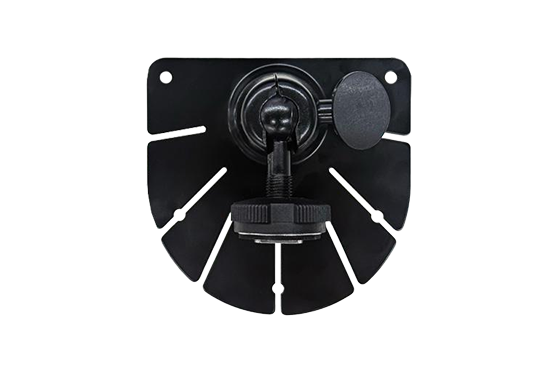
Even capable hardware can perform poorly when installed incorrectly. A camera mounted a few degrees away from its specified position may shift the detection zone. A radar placed behind unsuitable body material may lose performance. Loose brackets can change alignment over time, while poor cable routing can introduce water ingress, interference, or maintenance problems.
Installers should follow a documented process covering mounting positions, fastener torque, cable protection, electrical connections, sensor orientation, software settings, and final validation. After installation, technicians should confirm that the displayed view and detection zones match the vehicle. The test should include representative targets moving through defined locations, not merely a power-on check.
Calibration requirements should be considered during purchasing because they influence rollout cost and service time. Fleets operating from many depots may benefit from solutions with controlled, repeatable calibration procedures and clear technician guidance. Any vehicle modification that changes sensor position, body geometry, or field of view should trigger an inspection and, when necessary, recalibration.
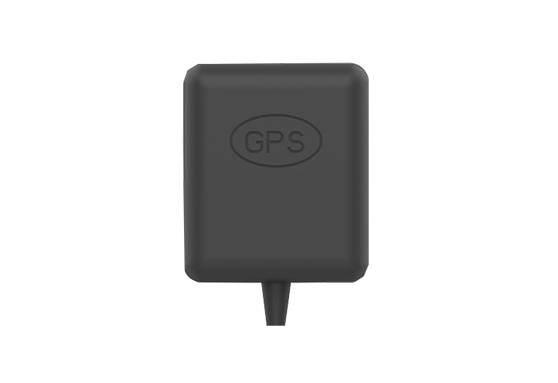
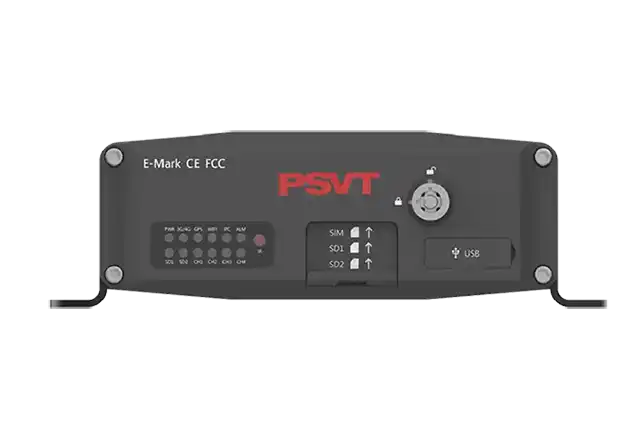
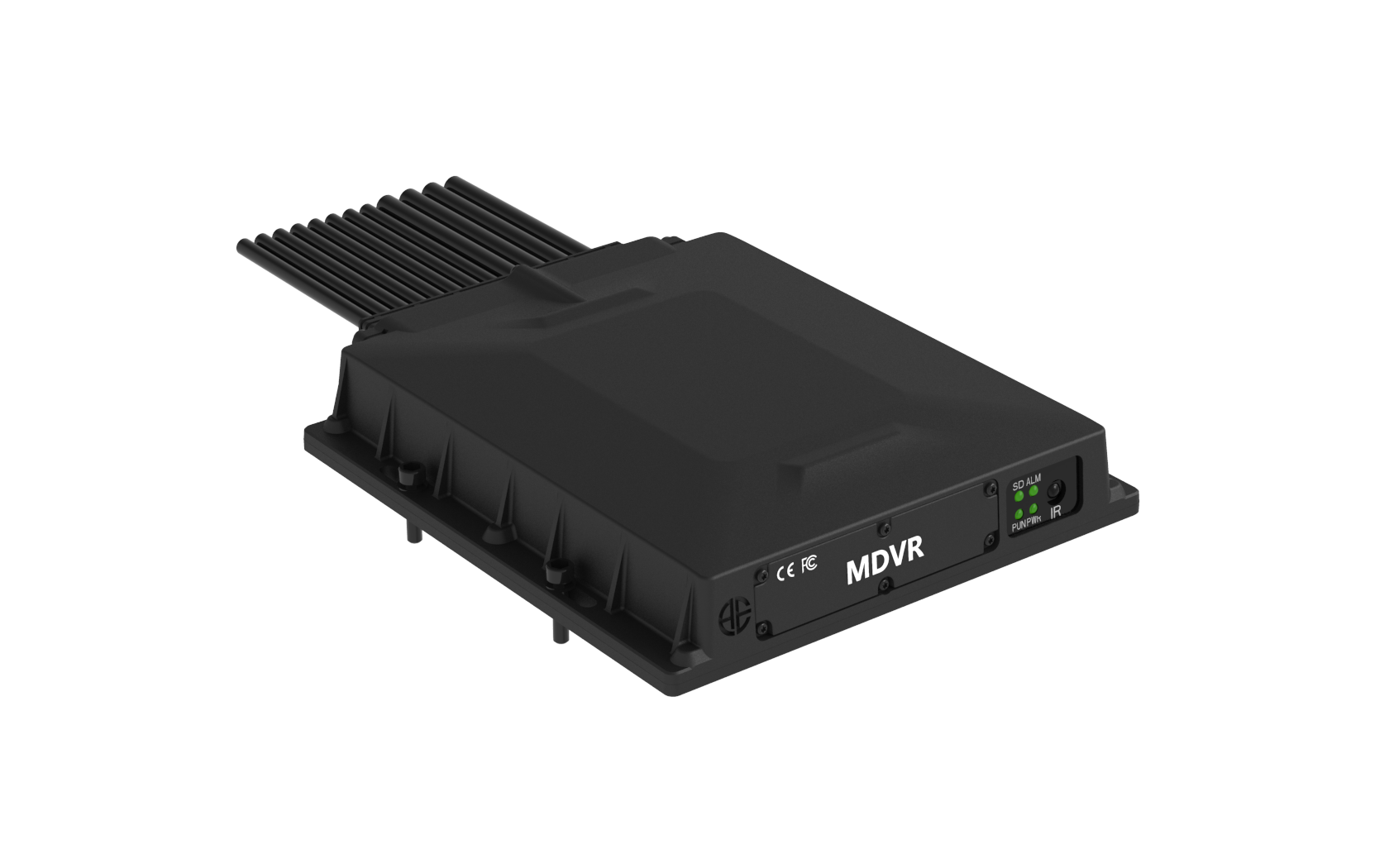
Some solutions operate entirely at the vehicle level, while others can integrate events with an MDVR or telematics platform. When permitted by the fleet’s policies and applicable privacy rules, event video and metadata can help safety teams understand recurring risk patterns. Managers may discover that a particular route, intersection, time of day, or maneuver generates an unusual number of warnings.
Data should be used thoughtfully. A high alert count does not automatically mean a driver is unsafe; it may reflect route design, traffic density, loading conditions, or poor system configuration. The most useful platforms provide context—video, vehicle status, location, and event type—so managers can distinguish genuine risk from nuisance events.
When integrated correctly, the blind spot monitor system becomes a source of actionable safety insight. Fleets can use aggregated trends to refine driver coaching, adjust routes, improve site procedures, or modify vehicle specifications. Suppliers should explain what data is collected, where it is stored, who can access it, how long it is retained, and how software and cybersecurity updates are managed.
A pilot program is usually the best starting point. Select vehicles that represent the fleet’s major body types and duty cycles, then establish measurable objectives before installation. These may include detection performance in defined scenarios, driver acceptance, false-alert frequency, installation time, reliability, and quality of recorded event data.
Involve drivers early. Their feedback can reveal whether alerts are understandable, whether the display is positioned appropriately, and whether certain operating conditions create unnecessary warnings. Technical teams can then refine detection zones and logic without compromising required coverage. Training should combine classroom explanation with practical vehicle demonstrations so drivers know what the system can and cannot do.
After the pilot, document the approved configuration for every vehicle type. A controlled rollout plan should cover hardware versions, mounting drawings, software settings, calibration records, installer qualifications, acceptance testing, maintenance, and change management. This discipline is especially important for large fleets because small installation differences can become major performance inconsistencies across hundreds of vehicles.
The fleet should also define who owns the blind spot monitor system after deployment. Clear responsibility for inspections, fault handling, configuration control, driver feedback, and supplier communication prevents safety equipment from becoming an unmanaged accessory.
Choosing a blind spot monitor system is not simply a sensor comparison. It is a decision about detection quality, vehicle integration, human-machine interaction, validation, long-term reliability, and supplier support. The strongest provider will take time to understand the fleet’s vehicles and operating risks, demonstrate performance in realistic conditions, and support the system throughout deployment.
For fleet managers, the goal is a solution that drivers trust and that safety teams can manage at scale. For OEMs and body builders, the priority may be flexible integration, documented engineering, and consistent performance across multiple platforms. For distributors and system integrators, product reliability, technical training, and responsive after-sales support are essential to building customer confidence.
Blind spots will remain a challenge wherever large vehicles operate near pedestrians, cyclists, motorcycles, and smaller vehicles. But fleets do not have to accept that risk as unavoidable. With the right detection technology, warning strategy, installation process, and driver training, commercial-vehicle operators can turn difficult-to-see areas into manageable safety zones—and make every journey safer for the driver, the business, and the people sharing the road.
Looking for a commercial-vehicle blind-spot solution tailored to your fleet, OEM program, or regional market? AUTOEQUIPS provides configurable AI camera, radar, and sensor-fusion safety solutions for trucks, buses, construction vehicles, and other commercial applications. Contact our team to discuss your vehicle layout, operating scenarios, integration requirements, and deployment goals.