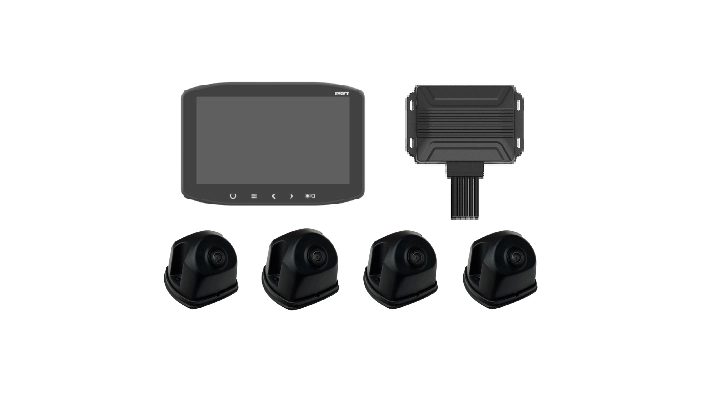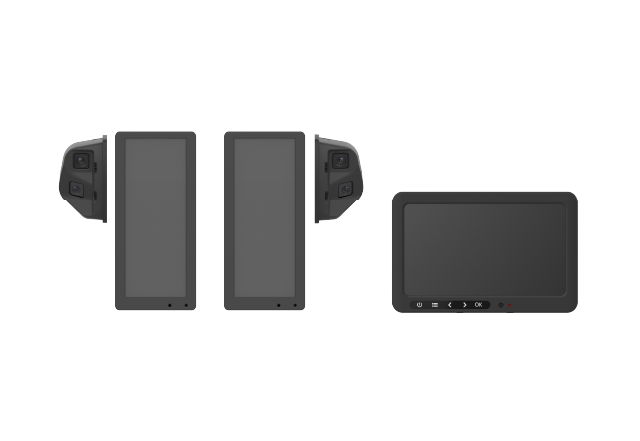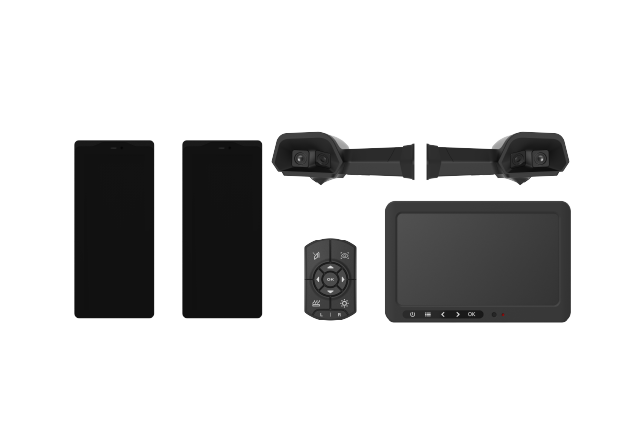
UN Regulation R151/R159/R158
View More









Heavy trucks, buses and tractor-trailer combinations have long relied on conventional glass mirrors as their primary means of indirect vision. However, increasingly complex vehicle configurations, greater interaction with vulnerable road users in urban environments and stricter safety requirements are accelerating interest in camera-based alternatives.
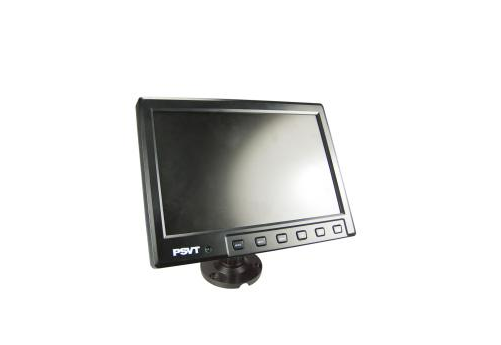
A commercial vehicle camera monitor system, commonly abbreviated as CMS and often marketed as an electronic mirror, uses exterior cameras and in-cab monitors to provide the driver with fields of vision that would otherwise be delivered by conventional mirrors. When properly designed, installed and validated, a camera monitor system can provide a wider field of vision and improve image visibility under challenging lighting conditions.
Regulatory frameworks in Europe and China now provide approval pathways for compliant CMS installations, while other markets continue to evaluate camera-based alternatives under their respective national requirements. This article examines the limitations of conventional mirrors, the technologies behind a production-ready camera monitor system and the implications of CMS adoption for vehicle manufacturers and fleet operators.
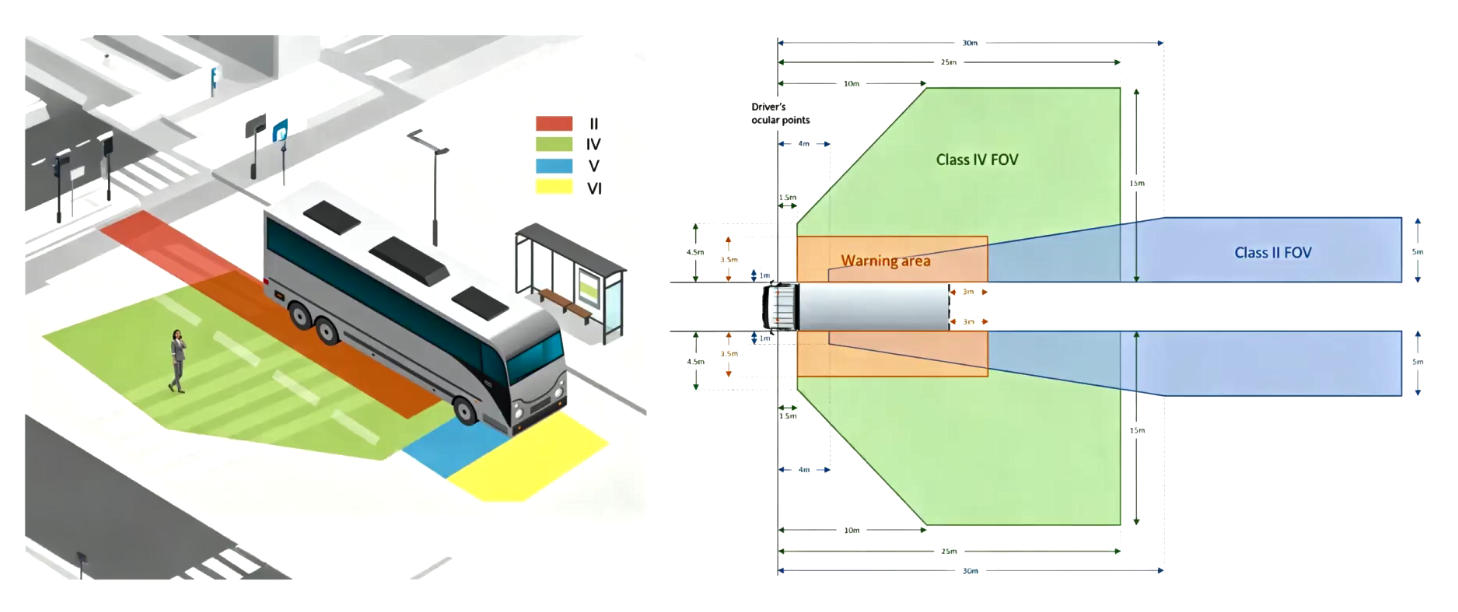
UN Regulation No. 46 defines several classes of devices for indirect vision. Each class corresponds to a prescribed field of vision around the vehicle. Class II covers the main rearward field of vision, Class IV provides a wider-angle view, and Classes V and VI address close-proximity and front fields of vision for applicable commercial vehicles.
Conventional mirrors can meet these regulatory requirements, but practical visibility limitations may remain because of mirror size, curvature, mounting position, vehicle geometry and the driver’s eye position. Convex mirrors extend coverage but make objects appear smaller, which can make distance and closing speed more difficult to judge. Drivers must also divide their attention among several mirrors, the windscreen, the instrument panel and the surrounding traffic environment.
These challenges become particularly important along the passenger side of the cab and the inner path of a turning commercial vehicle. Cyclists and pedestrians may be difficult to see continuously as the vehicle begins to turn, especially when road users are positioned close to the cab or front wheels.
Weather and lighting conditions create additional challenges. A conventional mirror depends on reflected light from the surrounding environment. Headlights from following vehicles can cause glare, while rain, road spray, dust, condensation and frost can reduce visibility. Mirror heating and surface treatments can help, but they cannot dynamically optimise exposure, contrast and image brightness in the same way as an electronic imaging system.
Large exterior mirror assemblies also sit directly in the airstream. Their aerodynamic effect varies by vehicle design and operating speed, but compact camera arms can potentially reduce drag compared with conventional mirror housings.
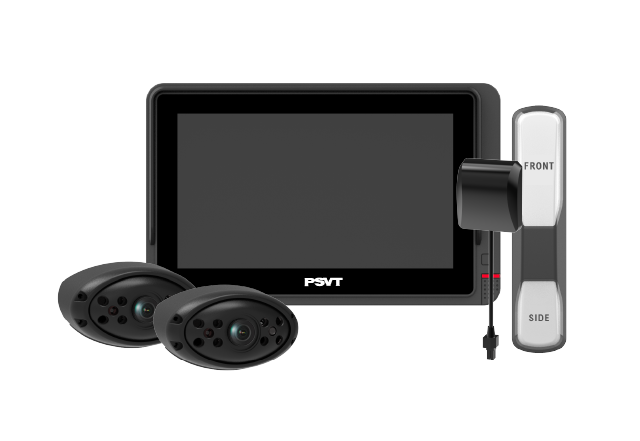
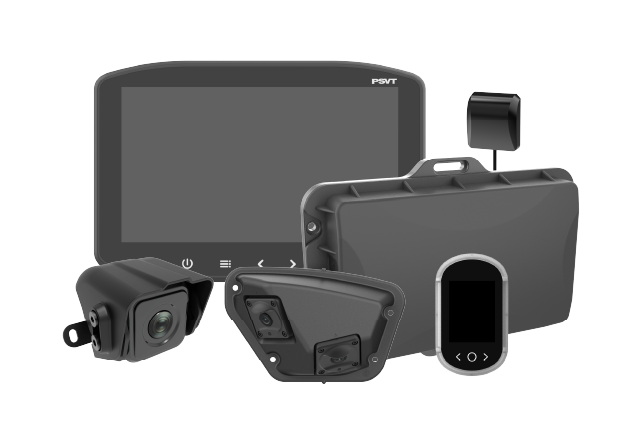
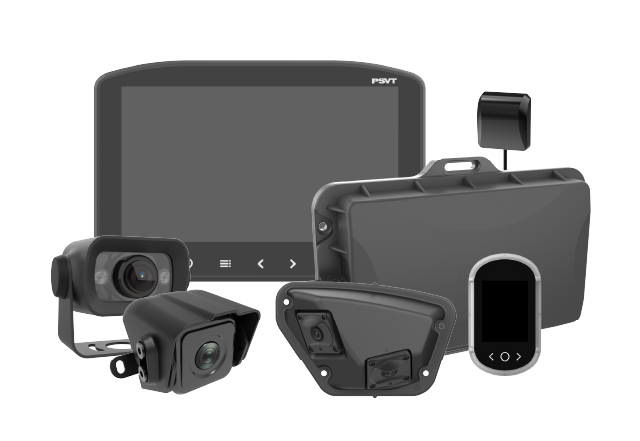
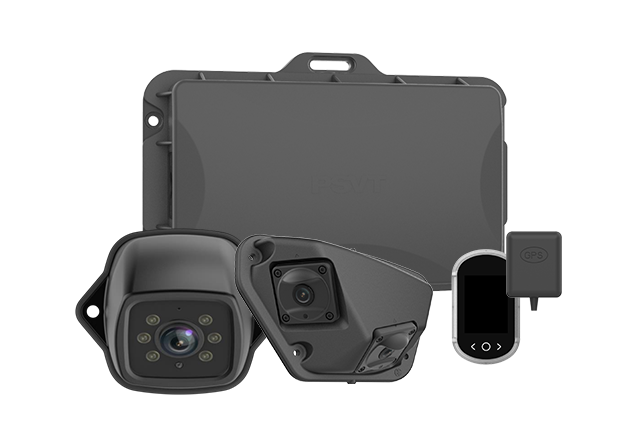
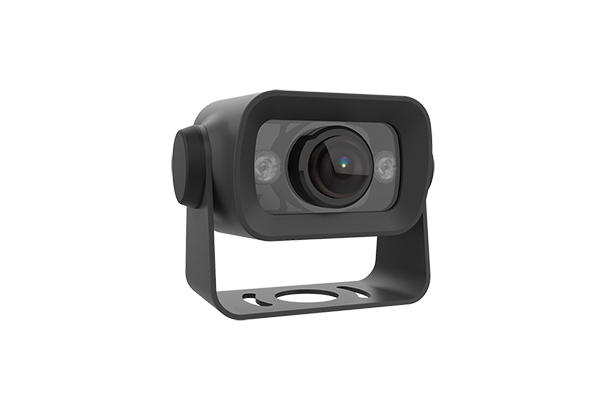
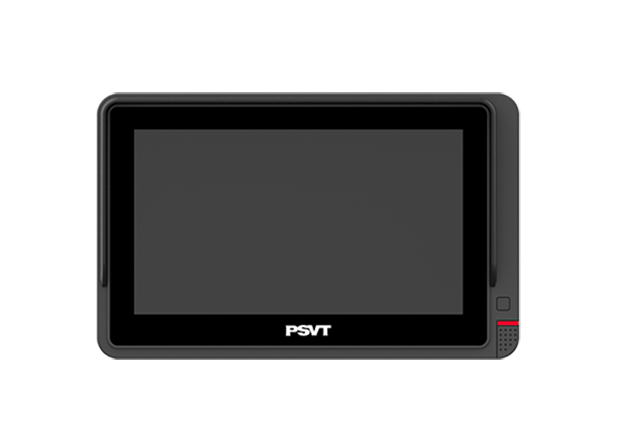
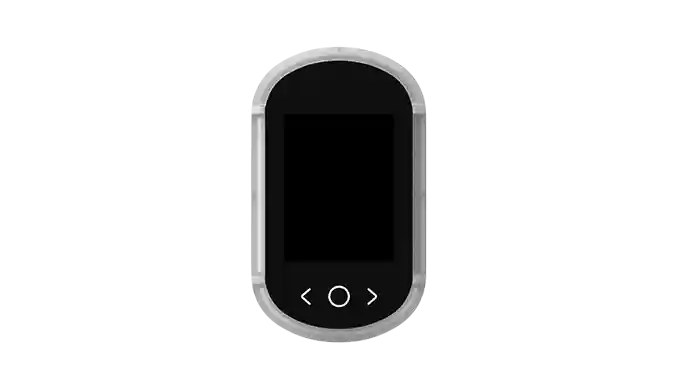
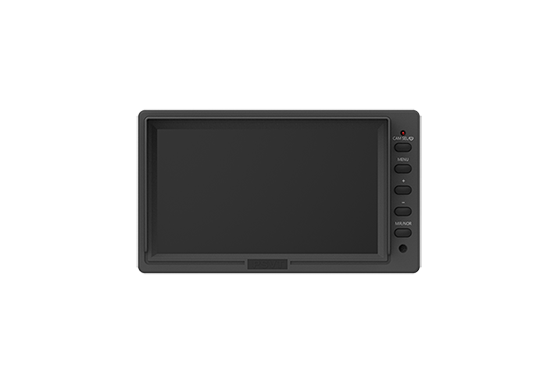
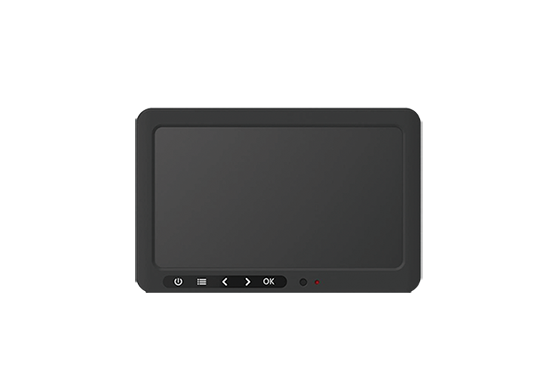
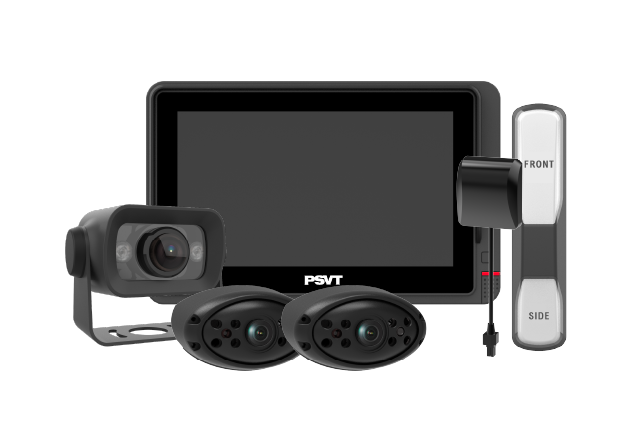
The core function of a camera monitor system is to provide the regulated fields of indirect vision traditionally delivered by exterior mirrors. A typical CMS consists of exterior cameras, image-processing hardware, video transmission links and displays installed inside the cab.
Camera position, lens selection, image processing and display configuration give engineers greater flexibility in defining the presented field of vision than a conventional mirror surface. Certain CMS configurations can support both Class II and Class IV views, subject to vehicle-level installation and regulatory validation.
A camera monitor system must not be confused with a blind spot information system. CMS provides visual information for the driver, while systems such as BSIS or MOIS detect specified road users in defined areas and generate warnings under particular operating conditions. These functions can be integrated into a wider vehicle platform, but they remain subject to their own technical requirements and validation processes.
The same distinction applies to recording, surround view and telematics. AI detection, AVM, MDVR and cloud connectivity may be integrated with CMS, but they are not inherent functions of every camera monitor system.
Replacing a passive mirror with an electronic system requires more than installing a camera and display. A production-ready CMS must maintain image quality, low latency and system availability across the environmental and operating conditions encountered by commercial vehicles.
Image quality is a key factor in driver acceptance of a camera monitor system. It depends on the complete imaging chain, including the lens, image sensor, image signal processor, transmission link and display.
AUTOEQUIPS combines image sensors with advanced signal processing to support an extended high dynamic range, depending on the selected product and system configuration. HDR helps preserve detail when bright and dark areas appear in the same scene.
One example is glare from the headlights of following vehicles. Instead of suppressing the light source itself, HDR processing can limit local overexposure and help preserve surrounding vehicle, lane and road details. It also improves image continuity at tunnel entrances and exits, where rapid changes in illumination can cause lower-dynamic-range cameras to temporarily lose information while adjusting exposure.
LED traffic signals, brake lamps and variable message signs may operate at frequencies that do not synchronise with a camera’s exposure timing and frame rate. This can result in visible flicker, banding, brightness fluctuations or temporary loss of illuminated information.
LED flicker mitigation helps reduce these effects and maintain a more stable and readable representation of LED light sources on the in-cab display. Performance still depends on the characteristics of the light source and the camera’s operating conditions, so flicker mitigation should be evaluated as part of the complete imaging system.
Low-light performance is another important consideration for commercial vehicles operating at night, in depots or around poorly illuminated loading areas.
Depending on the camera configuration and specified test conditions, low-light sensitivity can improve scene visibility where limited ambient light remains. Minimum illumination figures should always be interpreted together with factors such as exposure time, aperture, gain, frame rate and noise reduction.
Low-light sensitivity does not mean zero-light imaging. Completely dark environments still require an additional visible or infrared illumination source.
A wide field of vision must be supported by responsive video transmission. The AUTOEQUIPS camera monitor system uses an LVDS-based video link to support high-resolution video at up to 60 frames per second, depending on the product configuration.
Low end-to-end latency helps minimise the perceptible delay between movement outside the vehicle and the image presented to the driver. This is particularly important during lane changes, turning, reversing and low-speed manoeuvring.
Latency should be specified as a complete camera-to-display or glass-to-glass measurement under defined conditions. Frame rate and latency also should not be confused with motion blur, which is influenced by exposure time, sensor performance, image processing and display response.
The in-cab display must remain readable under changing ambient-light conditions. High display brightness and a suitable contrast ratio can support readability in strong daylight, while anti-glare surface treatment, optical bonding, display angle and automatic brightness control may further improve performance.
Brightness alone does not guarantee readability under direct sunlight. Display performance must therefore be evaluated together with its position in the cab, surface reflectance and the driver’s normal viewing angle.
Exterior CMS cameras operate in rain, dust, road spray, vibration and extreme temperatures. IP69K-rated exterior camera housings and specified connectors can provide protection against dust and high-pressure, high-temperature water jets under defined test conditions.
An integrated camera-window heater can also help remove frost or condensation in cold environments. These features support operation in demanding conditions, but they do not eliminate the need for appropriate camera positioning, maintenance and inspection.
Regulation has played an important role in making CMS a viable option for series-production vehicles. However, the regulatory position is not identical in every market, and CMS is not universally mandatory.
UN Regulation No. 46 recognises approved camera monitor systems as devices for indirect vision. A compliant CMS may replace conventional mirrors for the corresponding fields of vision, provided that the system and its installation on the vehicle meet the applicable type-approval requirements.
Compliance extends beyond camera coverage. It also involves factors such as displayed field of vision, magnification, resolution, image quality, latency, monitor positioning, system availability and failure indication.
Approval of an individual component does not automatically make every vehicle installation compliant. The final camera positions, monitor arrangement and vehicle geometry must be assessed as part of the applicable approval process.
The European Union applies UN R46 within its vehicle type-approval framework. Separately, the EU General Safety Regulation has expanded vulnerable-road-user protection through requirements covering functions such as blind spot information, reversing detection, pedestrian and cyclist warnings, and improved direct vision for heavy vehicles.
These measures do not require all vehicles to use a camera monitor system. However, they increase the importance of vehicle visibility and create opportunities to integrate CMS with separately validated active detection and warning functions.
GB 15084-2022 establishes technical requirements for devices for indirect vision in the Chinese market, including camera monitor systems. It provides a regulatory pathway for compliant CMS installations to replace corresponding conventional mirrors on approved vehicles.
Although GB 15084-2022 and UN R46 address similar indirect-vision objectives, manufacturers must still confirm the specific requirements, approval procedures and vehicle configurations applicable to each market.
The regulatory position in the United States remains different from the UN R46 and Chinese frameworks. Federal authorities have evaluated camera-based alternatives through research, petitions, public consultations and limited commercial-vehicle exemptions.
These activities should not be interpreted as general approval for replacing required exterior mirrors on all new vehicles. OEMs and fleets must assess the applicable NHTSA, FMCSA and state-level requirements for each intended application.
A conventional mirror continues to provide a reflected image without electrical power. A camera monitor system depends on cameras, displays, power supplies, processing hardware and communication links. System reliability is therefore a central part of CMS development.
A production-ready design should address:
Laboratory testing and real-world operation provide different forms of evidence. Laboratory testing allows temperature, vibration, water ingress, EMC and electrical conditions to be evaluated in a controlled and repeatable way. OEM vehicle testing confirms integration and application performance. Field-operation experience then provides additional evidence across different vehicles, climates and duty cycles.
The commercial case for CMS differs between vehicle manufacturers and fleet operators.
For OEMs, homologation is a critical part of the vehicle development and launch schedule. A modular CMS platform designed around relevant requirements can increase hardware and software reuse across several vehicle programmes.
Final configuration and approval remain specific to the target market and vehicle, but a common platform can reduce duplicated engineering work and support more efficient:
CMS can also support vehicle differentiation through a more modern cab design, improved indirect vision and the potential integration of additional driver-assistance functions.
For fleets, improved visibility during turning, reversing and low-speed manoeuvring can help reduce exposure to blind spot collisions and their associated repair, insurance and vehicle-downtime risks.
The actual safety outcome depends on system design, installation, maintenance and driver use. CMS should therefore be presented as a tool that supports safer driving rather than a system that eliminates every blind spot or guarantees accident reduction.
Compact exterior camera arms may also reduce aerodynamic drag compared with conventional mirror housings. On long-haul vehicles, this can potentially contribute to lower fuel or energy consumption, although the measurable benefit depends on the vehicle design, speed profile, annual mileage and operating duty cycle.
Reliability evidence is particularly important when replacing a passive mirror with an electronic system. AUTOEQUIPS has supported series-production applications of its commercial vehicle vision solutions since 2019.
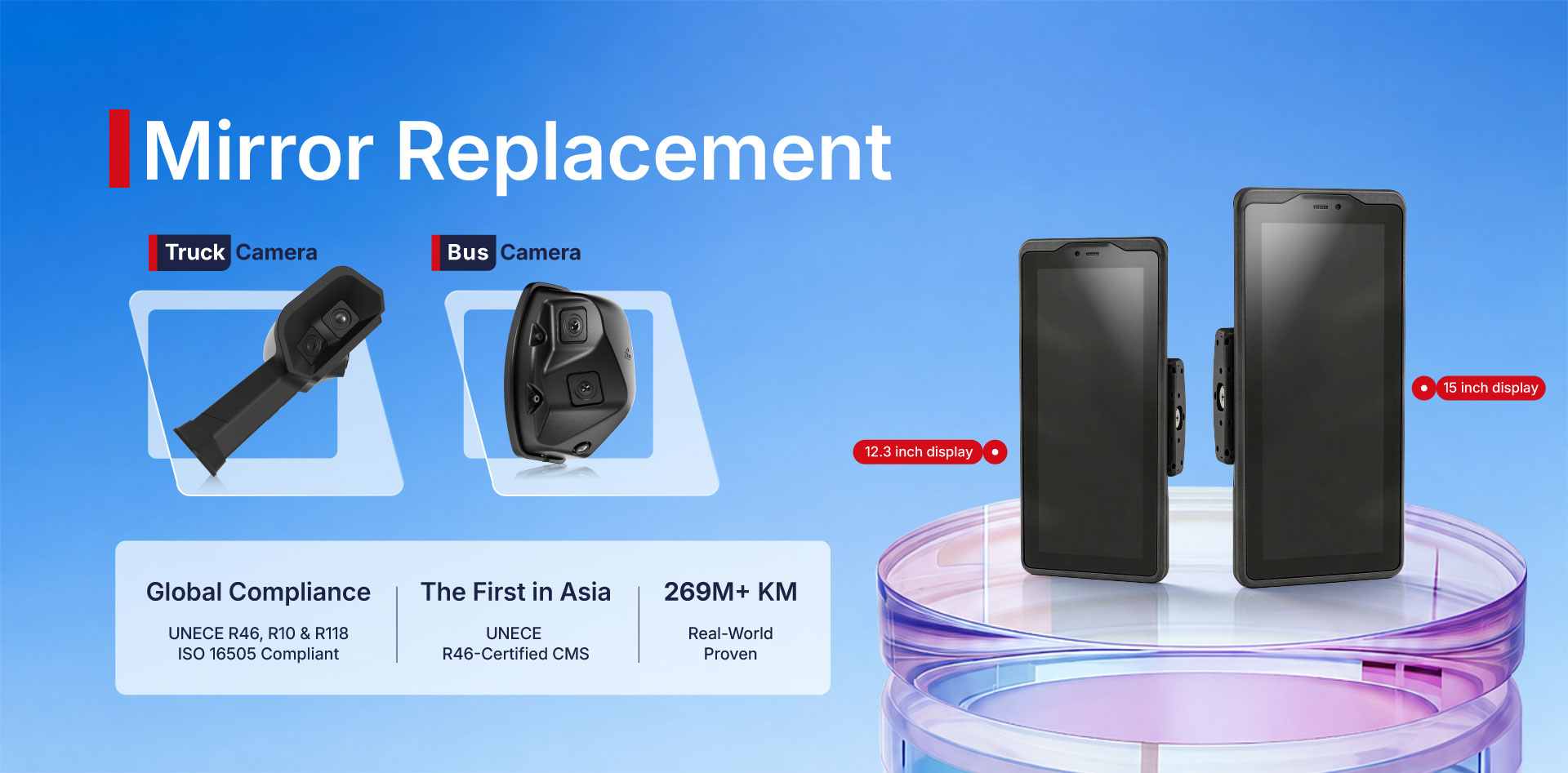
According to AUTOEQUIPS field records, vehicles equipped with its vision systems have accumulated more than 269 million kilometres of real-world operation. This operational experience complements laboratory testing and OEM vehicle-level validation by providing evidence from diverse vehicles, climates and operating environments.
When evaluating such figures, vehicle manufacturers should consider the scope of the data, the products included, the reporting period and the method used to calculate accumulated mileage. Traceable test results, certification documents, field records and project references together provide a stronger basis for assessing product maturity than any single figure alone.
The long-term potential of a camera monitor system extends beyond its core indirect-vision function. A scalable CMS platform with sufficient computing resources, vehicle interfaces and software architecture can support additional vision-based capabilities while maintaining appropriate separation between safety-related functions.
CAN J1939 and Automotive Ethernet interfaces can enable data exchange with vehicle controllers, while UDS can support diagnostic and service functions. When connected through an authorised vehicle gateway or telematics unit, CMS may also participate in remote diagnostic and controlled software-update workflows.
Additional functions must be integrated and validated separately. For example, alerts from a blind spot or driver-monitoring system may be presented through a shared in-cab HMI. A scalable multi-camera architecture can also combine CMS with AI surround view to provide a stitched bird’s-eye image during low-speed manoeuvring in depots, loading areas and other confined spaces.
When integrated with an MDVR or telematics unit, selected events and system-health information may be made available to authorised fleet-management platforms. These connected functions require appropriate cybersecurity, access control and data-protection measures.
In this architecture, CMS becomes the foundation of a broader commercial vehicle vision platform rather than simply a digital replacement for a glass mirror.
The camera monitor system is becoming an increasingly viable alternative to conventional mirrors. Europe and China have established approval pathways for compliant CMS installations, while other markets continue to evaluate camera-based alternatives.
Advances in image sensors, displays and low-latency processing are improving system performance and driver acceptance. Potential benefits in visibility, aerodynamics and vehicle integration are also strengthening the business case for vehicle manufacturers and fleet operators.
CMS adoption nevertheless remains dependent on the target market, vehicle category, installation design and validation strategy. Manufacturers should look for suppliers that can provide documented compliance with applicable requirements, traceable laboratory and field evidence, and comprehensive support for mechanical, electrical, software and vehicle-level integration.
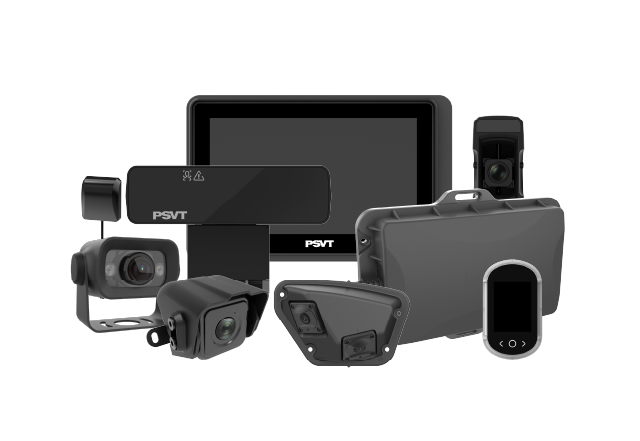
Explore the AUTOEQUIPS camera monitor system portfolio for technical specifications, certification information and commercial vehicle applications. Contact the AUTOEQUIPS engineering team to discuss your vehicle platform and project requirements.