UN Regulation R151/R159/R158
View More







A vehicle camera system is no longer simply a recording device installed after an incident. For commercial fleets, it can serve as a real-time safety tool, an objective source of video evidence, a driver-support platform, and a foundation for more consistent fleet management. The right solution helps drivers see what mirrors cannot, alerts them to vulnerable road users, records critical events, and gives managers the information needed to investigate risk and improve operations. However, not every system delivers the same business value. Fleet operators need to look beyond camera count and resolution to understand coverage, intelligence, reliability, integration, and total cost of ownership.
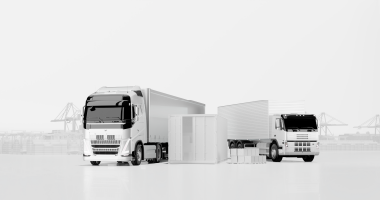
Commercial vehicles operate under conditions that make visual risk unusually complex. Trucks have large blind zones around the cab and trailer. Buses repeatedly pull into crowded stops where passengers, cyclists, and pedestrians move close to the vehicle. Refuse trucks work in narrow streets and reverse frequently. Construction and mining vehicles operate around workers, machinery, dust, vibration, and poor lighting. Even an experienced driver can miss a person or object that appears in the wrong place at the wrong moment.
Traditional mirrors remain important, but they require drivers to divide their attention among several viewpoints. A basic dash camera can document what happened in front of the vehicle, yet it usually cannot reveal activity along the sides or behind it. A multi-camera solution closes these visibility gaps by presenting relevant views on an in-cab monitor and preserving synchronized footage for later review.
The business impact reaches far beyond collision footage. Fleets must manage insurance claims, vehicle downtime, cargo disputes, driver coaching, compliance expectations, and reputational risk. When visual data is complete and easy to retrieve, managers can establish facts faster. They can distinguish a genuine safety problem from an inaccurate allegation, identify recurring risky locations, and focus training on observable behavior rather than assumptions.
The most important market shift is the move from passive recording to active assistance. A modern vehicle camera system can combine wide-angle cameras, 360-degree surround view, artificial intelligence, audible or visual warnings, local storage, and remote connectivity. Instead of waiting for a collision to occur, the system can help the driver recognize a developing hazard in time to respond.
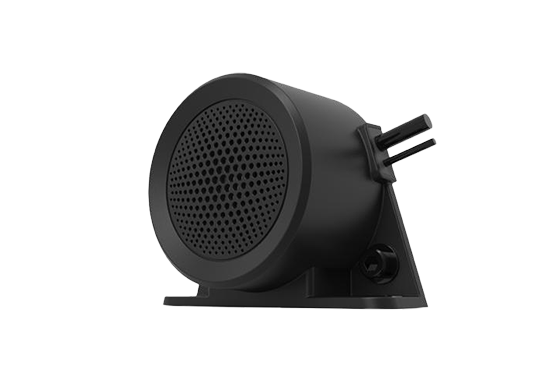
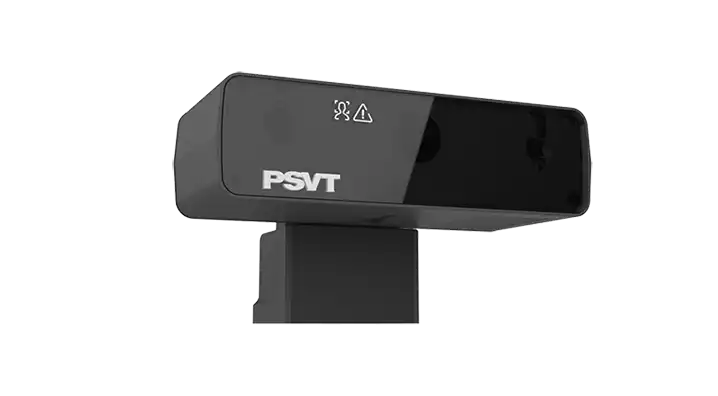
AI-enabled cameras can classify pedestrians, cyclists, vehicles, or other objects and apply rules based on the operating situation. For example, an alert may be triggered only when a cyclist is beside a turning truck, when a pedestrian enters a defined reversing zone, or when the time to collision crosses a configured threshold. This is more useful than a simple proximity alarm that warns constantly, because excessive or irrelevant alerts can lead to driver fatigue and loss of trust.
For fleets evaluating AI, detection accuracy should not be the only question. Managers should ask how the system performs at night, in rain, near reflective surfaces, in crowded scenes, and when the vehicle is turning or reversing. They should also examine how warning zones are configured, whether vehicle speed and turn-signal data can be used, and whether alerts are recorded with the corresponding video. The real measure of intelligence is not a laboratory percentage; it is whether the solution delivers timely, understandable, and operationally relevant warnings.
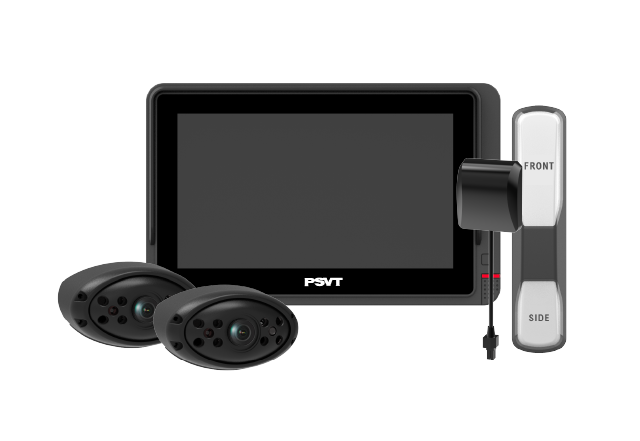
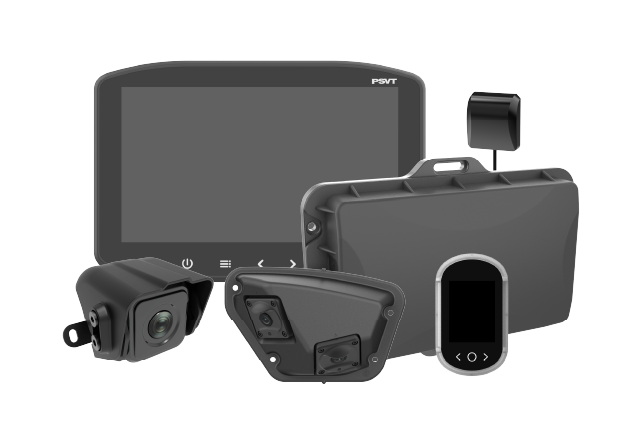
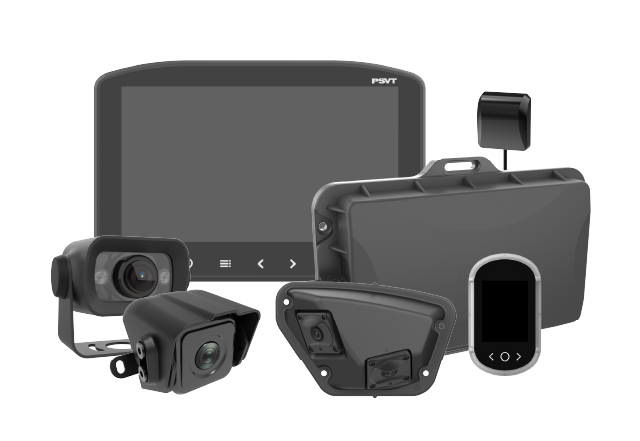
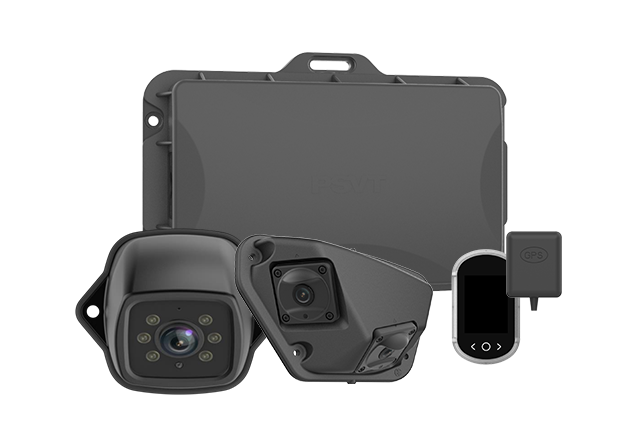
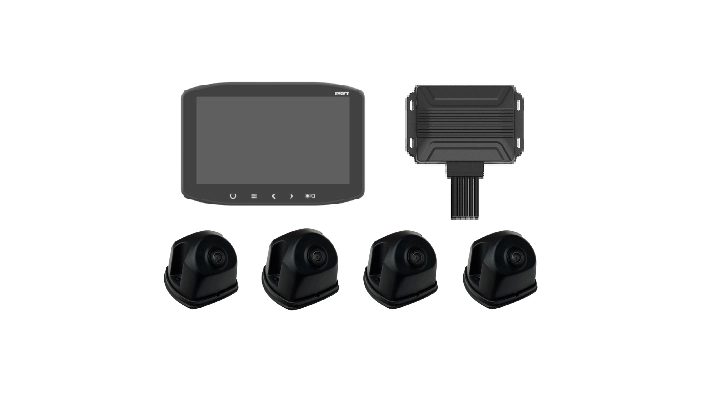
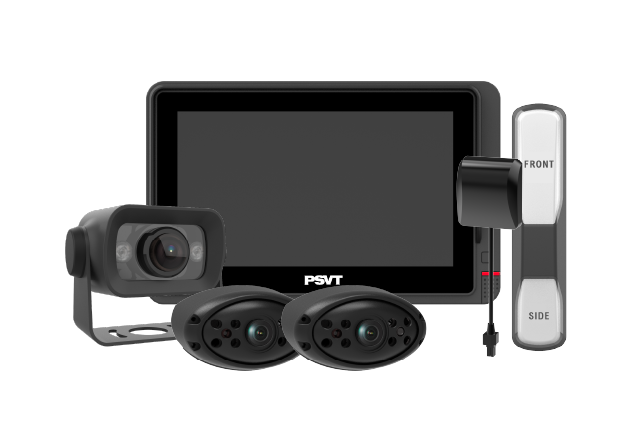
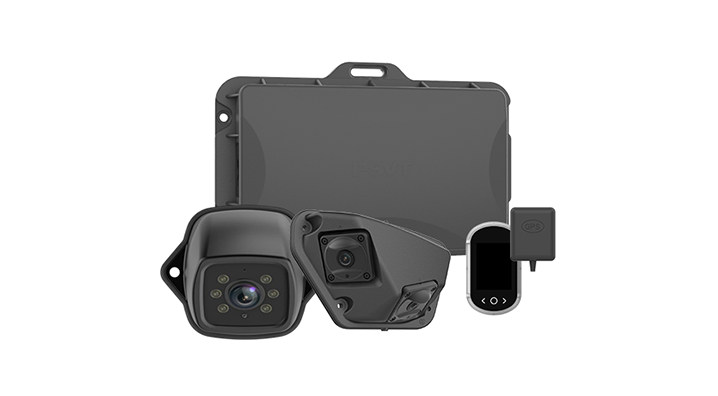
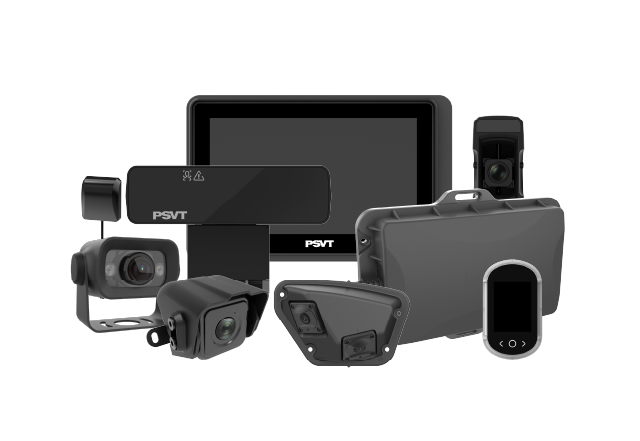
A typical solution includes cameras, a monitor, a processing or recording unit, storage media, cabling, and optional communication modules. Yet the design should reflect the vehicle and its duty cycle rather than follow a one-size-fits-all package.
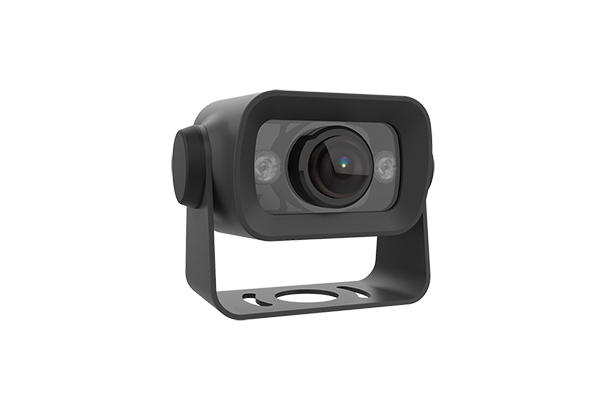
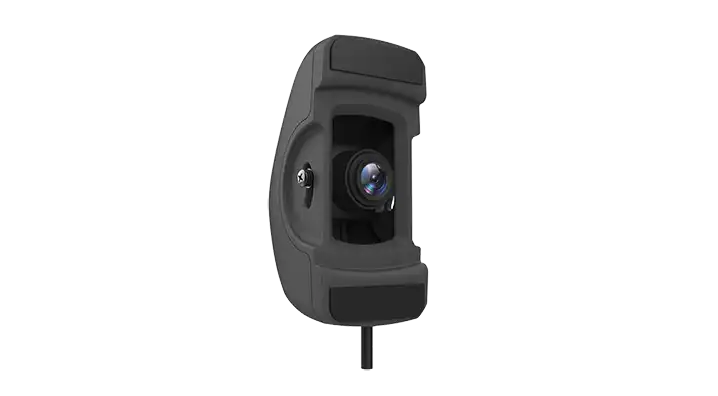
Front cameras provide evidence of road events and may support forward-collision or lane-related functions. Side cameras address blind zones during turns and lane changes. Rear cameras improve reversing visibility, while an interior camera can support passenger security, cargo monitoring, or driver-state functions where appropriate and legally permitted. A 360-degree system stitches multiple views into a bird’s-eye image, giving the driver a more intuitive understanding of objects around the entire vehicle.
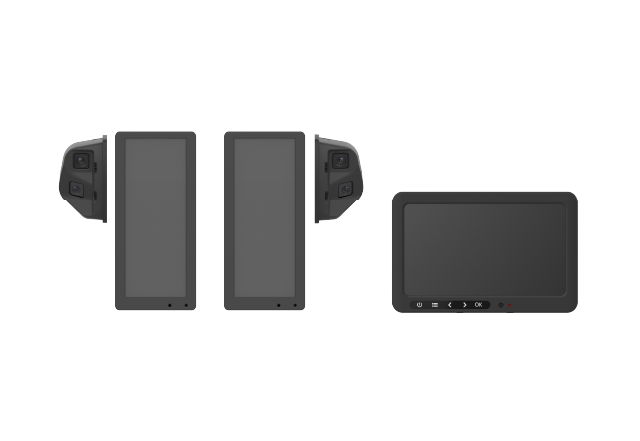
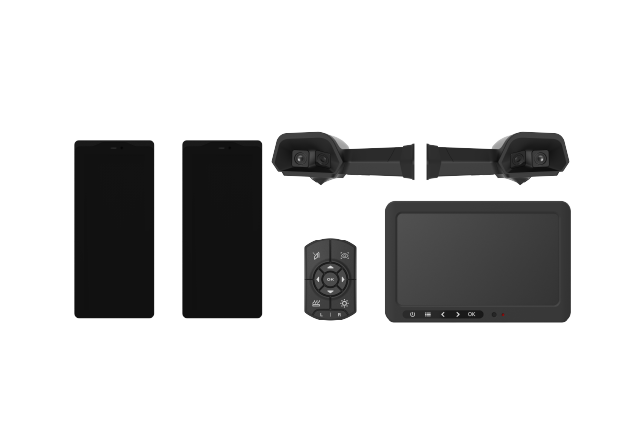
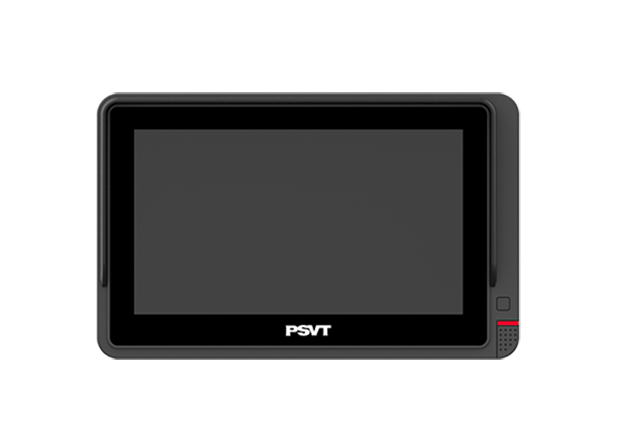
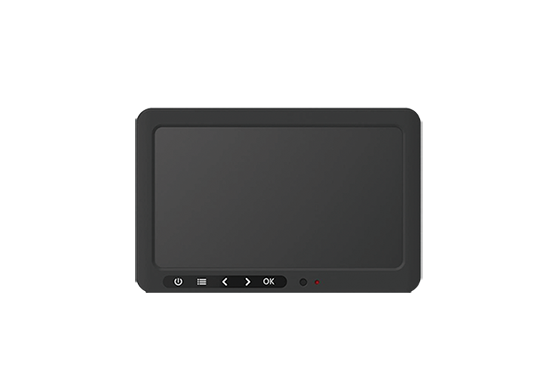
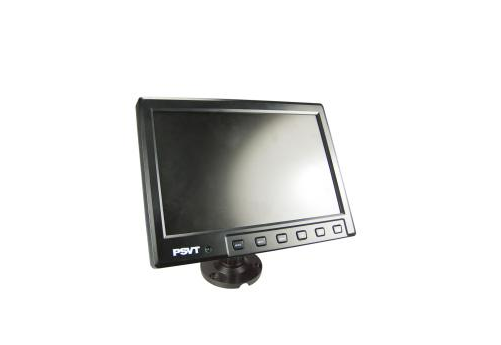
The monitor is equally important. Screen size, brightness, anti-glare performance, viewing layout, and automatic view switching affect usability. A technically advanced system can still fail if the driver cannot interpret the display quickly. Useful configurations automatically show the relevant side view when a turn signal is activated, display the rear view in reverse gear, and emphasize an AI warning without obscuring the wider scene.
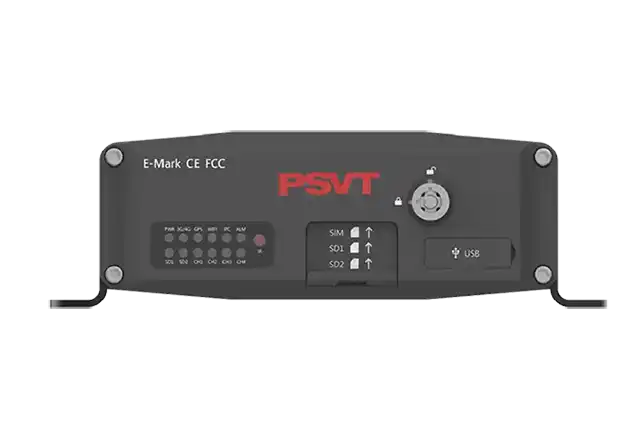
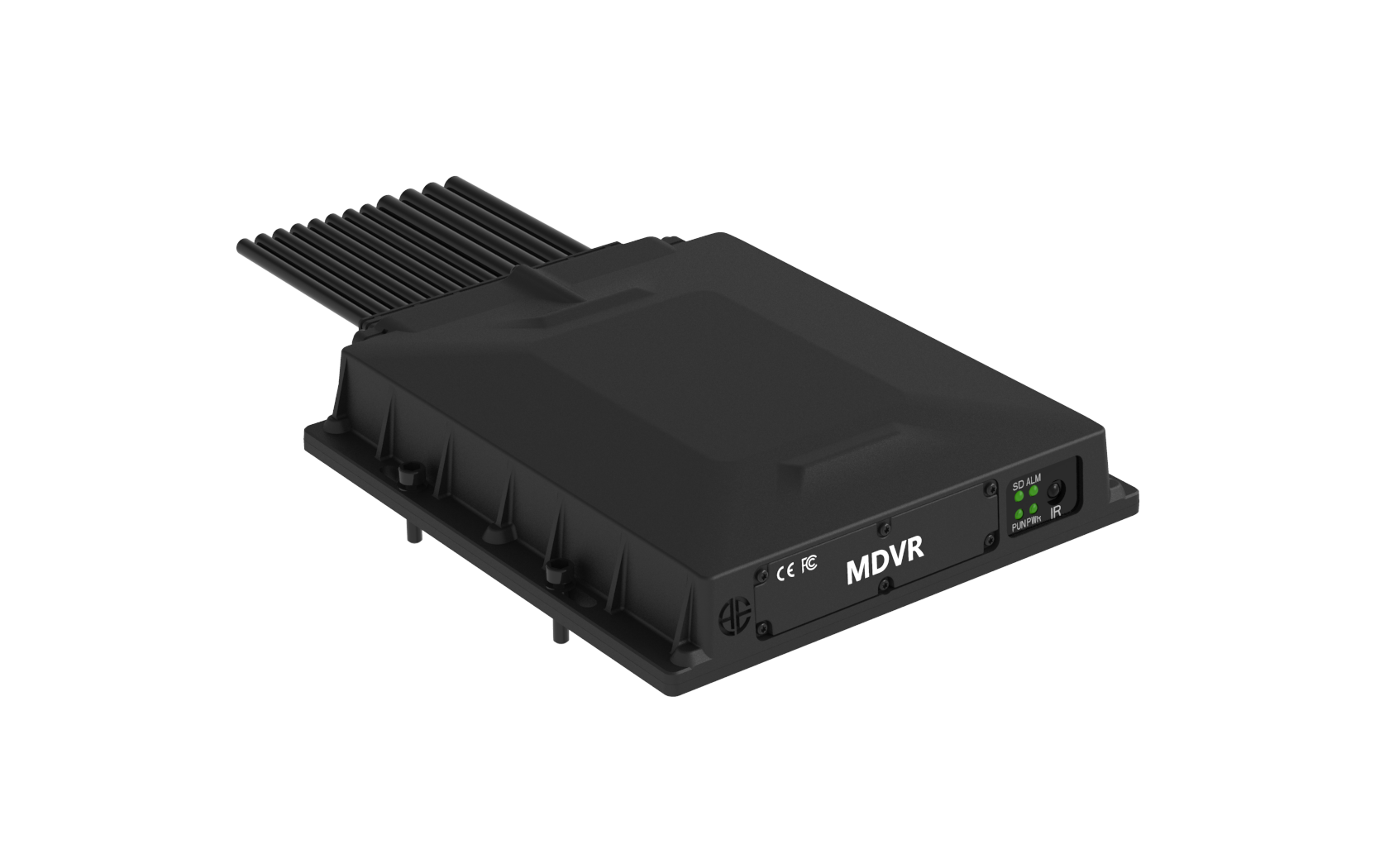
The recorder or central controller determines how many channels can be supported, how video is synchronized, how events are marked, and how storage is managed. Local recording is especially valuable when network coverage is inconsistent or when fleets need continuous, high-resolution evidence without recurring data charges. Connectivity through 4G, Wi-Fi, or Ethernet can add live viewing, event upload, GPS tracking, health monitoring, and remote configuration.
A well-calibrated vehicle camera system with surround-view capability converts images from several cameras into one combined overhead view. This reduces the mental work of switching between separate images and helps the driver judge the location of pedestrians, posts, loading bays, and nearby vehicles. The benefit is particularly clear during low-speed maneuvers, where minor contact can still produce expensive repairs and operational delays.
Calibration quality matters. Poor alignment can distort distances or create seams in critical areas, undermining driver confidence. Fleets should ask how calibration is performed, how long it takes, whether special floor space or equipment is required, and how the system handles different vehicle lengths and body configurations. A repeatable installation and calibration process is essential for large deployments because inconsistency between vehicles creates both safety and maintenance problems.
Surround view should also be evaluated as part of the driver workflow. The best display is not necessarily the one that shows the greatest number of windows. It is the one that presents the right information at the right time. Automatic triggers, configurable layouts, clear warning graphics, and minimal display latency can make the difference between a helpful safety aid and a distracting screen.
Collision prevention is the first priority, but reliable evidence remains essential. Commercial claims can involve conflicting accounts, incomplete witness statements, or allegations made long after an event. Synchronized footage from several sides of the vehicle provides context that a forward-facing camera alone may miss.
Event recording should protect important clips from normal overwrite. Triggers may include harsh braking, rapid acceleration, impact, panic-button activation, AI detection, or geofence events. Managers should be able to locate footage by vehicle, time, location, or event type instead of manually searching through hours of video. When remote upload is available, the system can transmit a short event clip while retaining full-quality footage locally.
Storage design deserves careful attention. Required retention depends on daily operating hours, number of channels, resolution, frame rate, compression, storage capacity, and overwrite policy. Dual-card or removable-storage designs may improve serviceability or redundancy. Fleets should confirm what happens if a card fails, how health status is reported, and whether recorded files include safeguards against unauthorized alteration.
A vehicle camera system should therefore be assessed as an evidence chain, not merely as a group of cameras. Video must be captured reliably, time-synchronized, protected when important, easy to retrieve, and exportable in a form that insurers or investigators can use.
Different fleets face different combinations of risk. Urban delivery trucks need side coverage for cyclists, strong night performance, and evidence for frequent curbside interactions. Long-haul fleets may prioritize road-facing video, driver assistance, extended storage, and remote event upload. Buses need broad external coverage plus flexible multi-channel recording. Refuse vehicles require robust reversing detection and components that tolerate water, dirt, vibration, and repeated stop-start operation.
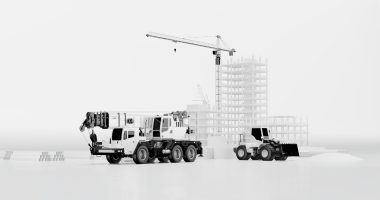
Construction, agricultural, and mining fleets need rugged hardware and dependable visibility where dust or strong contrast can reduce image quality. Forklifts and warehouse vehicles operate at lower speeds, but they work extremely close to pedestrians, racks, and inventory. Here, precise warning-zone design and low-latency local alerts may matter more than cloud-connected telematics.
The key is to begin with operational risk, not a specification sheet. Map the vehicle’s blind zones, common maneuvers, working environment, incident history, and desired evidence-retention period. Then define which views, alerts, recording functions, and integrations are necessary. This process prevents fleets from paying for features that drivers will not use while overlooking capabilities that directly address recurring incidents.
Procurement teams can make comparisons more objective by asking every supplier the same questions:
These questions shift the discussion from headline specifications to operational performance. They also reveal whether a supplier understands commercial vehicles or is simply adapting a consumer-grade camera product.
The performance of a vehicle camera system depends heavily on installation. Camera angles, cable routing, connector sealing, power supply, grounding, and calibration all affect long-term reliability. Installers should protect cables from abrasion, heat, moving parts, high-pressure washing, and electromagnetic interference. The system should also start reliably with the vehicle and handle voltage fluctuations common in commercial applications.
Ruggedness claims should be connected to the actual environment. Water- and dust-resistance are important for external cameras, but fleets should also consider operating temperature, vibration resistance, lens heating or defogging, corrosion exposure, and connector quality. Clear night images require more than a high resolution: sensor sensitivity, dynamic range, infrared design, lens choice, and image processing all contribute.
Lifecycle cost includes much more than the purchase price. A cheaper product may become expensive if installation takes longer, calibration requires repeated visits, storage fails without warning, or footage is difficult to retrieve. Conversely, a well-integrated system may reduce separate hardware, wiring, maintenance, and training. Procurement teams should compare cost per protected vehicle over the expected service life, not simply cost per camera.
Drivers are more likely to trust technology when they understand why it is installed, what it records, and how the data will be used. A fleet should explain that external cameras help protect drivers from blind-zone risk and false claims. If inward-facing cameras are used, policies should clearly address access, retention, privacy, and the distinction between safety coaching and punitive surveillance.
Training should be practical. Drivers need to know what each alert means, which display appears during a turn or reverse maneuver, what the system cannot detect, and how to report a blocked or damaged camera. Managers should avoid presenting the technology as a substitute for mirrors, observation, or safe driving. It is a support layer designed to improve awareness and provide evidence.
Post-installation feedback is valuable. Drivers often identify camera-angle problems, nuisance alerts, or display layouts that were not obvious during the pilot. Capturing this feedback early allows the fleet to refine configuration before scaling to hundreds of vehicles.
The value of a vehicle camera system can be measured through both leading and lagging indicators. Lagging indicators include collision frequency, claims cost, vehicle downtime, repair expense, and insurance outcomes. Leading indicators include the number and type of AI events, recurring high-risk locations, driver coaching completion, camera uptime, and footage-retrieval time.
A pilot should establish a baseline before installation and compare similar vehicles, routes, and operating periods. Fleets should avoid judging success only by the number of alerts. An early increase may simply mean previously invisible risks are now being detected. More meaningful questions are whether serious events decline, whether drivers respond appropriately, whether managers can resolve incidents faster, and whether the system remains operational without excessive service work.
ROI can also come from avoided uncertainty. One clearly documented claim, one prevented reversing collision, or one faster exoneration may offset a meaningful portion of deployment cost. For larger fleets, standardized visual data can reveal patterns that isolated incident reports never show.
Start with a limited group of representative vehicles rather than the easiest vehicles in the fleet. Include different body types, routes, drivers, and working conditions. Define success criteria in advance, such as blind-zone coverage, alert relevance, video retention, retrieval time, installation hours, system uptime, and driver feedback.
During the pilot, review real footage and events weekly. Confirm whether cameras remain correctly positioned, whether lenses stay clear, whether storage performs as expected, and whether alerts correspond to genuine risk. Adjust zones and triggers based on evidence rather than preference. Document the final installation method so the rollout can be repeated consistently.
Before scaling, clarify who owns daily health checks, incident retrieval, privacy requests, software updates, and service escalation. Technology produces value only when operational responsibilities are defined. A fleet-wide vehicle camera system should be treated as a managed safety program, not a one-time hardware purchase.
The strongest commercial-vehicle camera strategy connects three outcomes: better visibility for the driver, timely warning of real hazards, and reliable evidence for the fleet. Resolution and channel count matter, but they do not determine success on their own. Coverage, alert logic, installation quality, storage integrity, usability, and lifecycle support are equally important.
For fleet operators, the right vehicle camera system turns video into an operational safety asset. It can reduce blind-zone exposure, improve incident response, support fairer claims decisions, strengthen driver coaching, and reveal patterns across vehicles and routes. The buying decision should therefore begin with the fleet’s risks and workflows, followed by a disciplined pilot that proves performance under real conditions. When the system is selected and deployed this way, cameras do more than record the road—they help the entire organization manage risk with greater clarity.
It is a combination of one or more cameras, an in-cab display, a processing or recording unit, storage, and optional AI or connectivity. Depending on its design, it can improve driver visibility, generate collision warnings, record synchronized video, and send events to a fleet-management platform.
The correct number depends on vehicle size, body design, blind zones, operating environment, and safety goals. A basic road-facing setup may use one or two cameras, while full surround view normally uses four or more. Buses, articulated vehicles, refuse trucks, and special-purpose machines may require additional channels.
No. A 360-degree system combines multiple camera images to improve situational awareness around the vehicle. A mobile digital video recorder, or MDVR, is primarily designed to record and manage multiple video channels. Some integrated products provide both surround view and recording, but buyers should verify which function is the core design priority.
AI cameras can help drivers recognize pedestrians, cyclists, vehicles, or other hazards and may provide timely warnings. They cannot guarantee collision prevention and should not replace safe driving practices. Their effectiveness depends on camera placement, detection logic, environmental conditions, alert design, and driver response.
Storage requirements depend on channel count, resolution, frame rate, compression, recording hours, and desired retention period. Suppliers should provide a calculation based on the fleet’s actual configuration. Event locking and selective remote upload can protect critical footage without transmitting all video continuously.
Important features typically include side and rear blind-zone coverage, clear night imaging, low display latency, automatic view switching, reliable local recording, event protection, storage-health monitoring, rugged external components, and straightforward footage retrieval. AI detection and remote connectivity may add value where they match the fleet’s operating risks.
Many commercial solutions can share GPS, vehicle status, event, or video data through APIs or supported protocols. Compatibility varies widely, so fleets should define the required data, event workflow, cybersecurity expectations, and ownership of integration work before procurement.
Evaluate relevant commercial-vehicle experience, product reliability, installation capability, calibration process, warranty, technical support, software maintenance, data-security practices, and evidence from comparable deployments. A real-world pilot is usually more informative than a specification comparison alone.
Fleets should define why video is collected, who can access it, how long it is retained, how it is secured, and how drivers and passengers are informed. Requirements differ by jurisdiction, especially for inward-facing cameras and audio recording, so applicable legal and labor guidance should be reviewed before deployment.
Continuous recording captures video throughout operation and overwrites the oldest files when storage is full. Event recording marks or protects clips associated with impact, harsh driving, AI alerts, or manual triggers. Many fleets use both so they retain general context while ensuring critical events are not automatically overwritten.