UN Regulation R151/R159/R158
View More

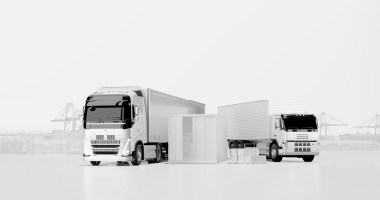
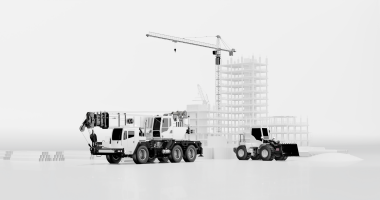





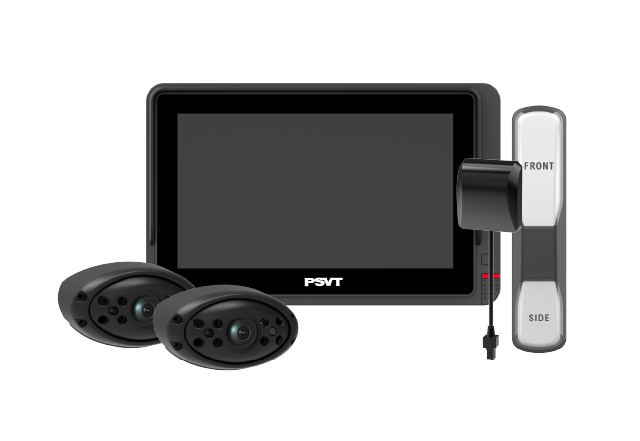
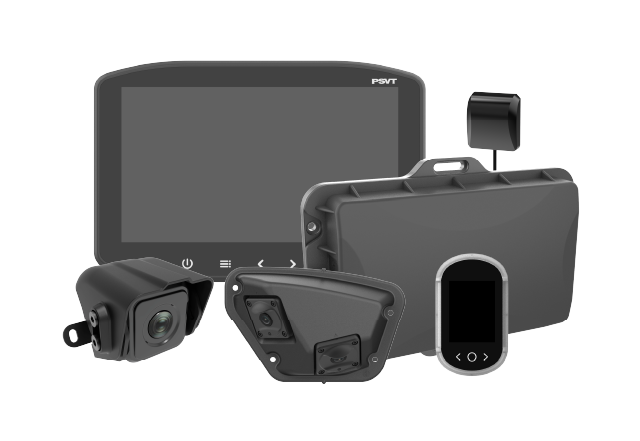
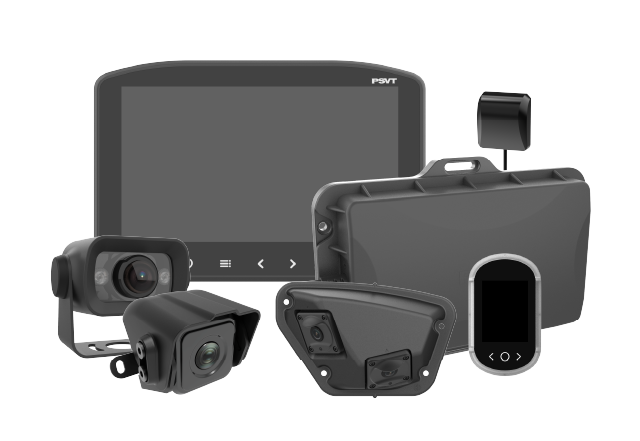
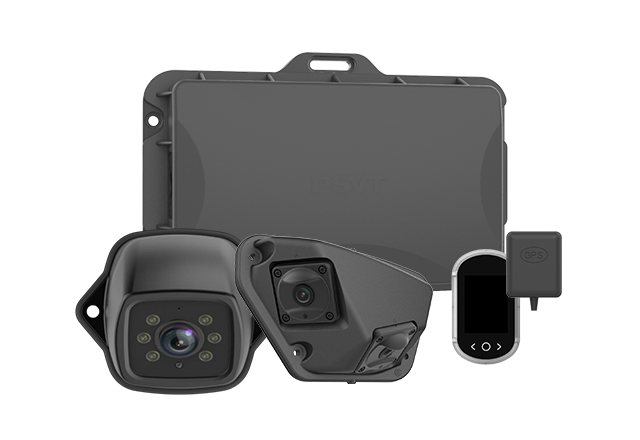
A camera monitor system replaces or supplements conventional exterior mirrors with cameras and in-cab displays, giving commercial vehicle drivers a clearer and more comprehensive view of the areas surrounding their vehicles. For fleet operators, vehicle manufacturers and commercial vehicle safety distributors, this technology is becoming increasingly important as they look for practical ways to reduce blind spots, improve driver awareness and support safer fleet operations.
Large commercial vehicles present visibility challenges that cannot always be solved by adding more mirrors. Trucks, buses, coaches, construction vehicles and other heavy-duty vehicles have long bodies, high driving positions and complex blind-spot areas. Although traditional mirrors remain familiar and widely used, their field of view may be limited by vehicle structure, mirror position, weather conditions and lighting.
Camera-based visibility technology offers a different approach. Exterior cameras capture images from key positions around the vehicle and transmit them to monitors installed inside the cab. Depending on the system configuration, drivers can see the conventional rear-view areas as well as wider-angle views, close-proximity zones or additional perspectives that would be difficult to cover with standard mirrors.
This guide explains how the technology works, its potential benefits, the features that matter most and the key questions fleet buyers should ask before selecting a solution.
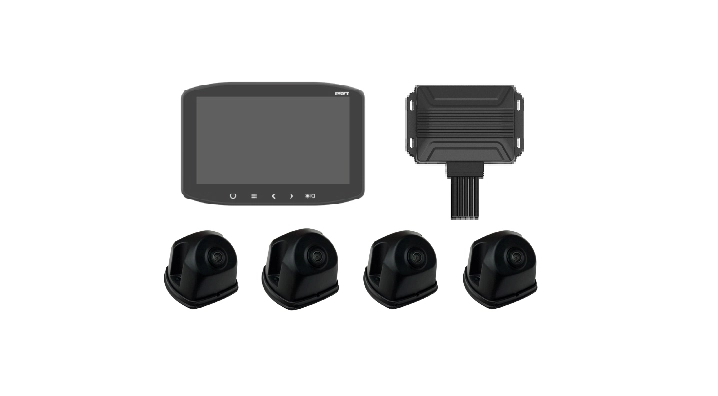
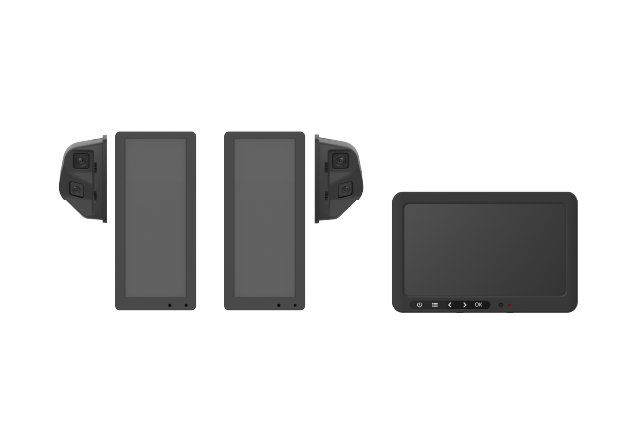
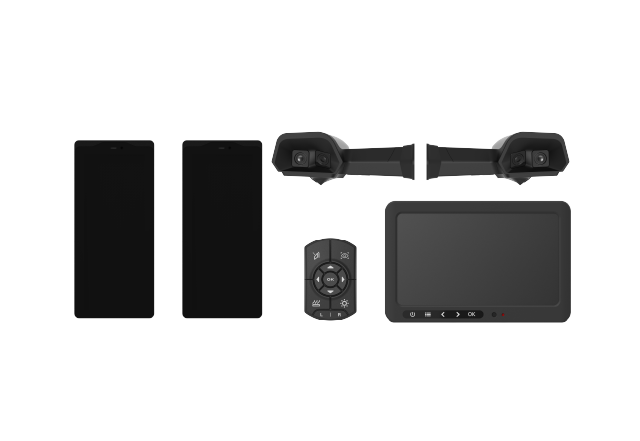
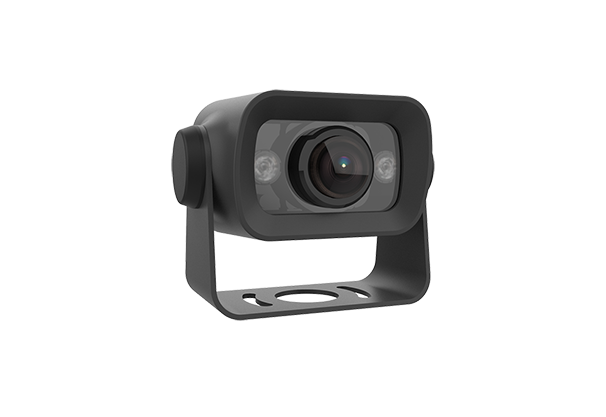
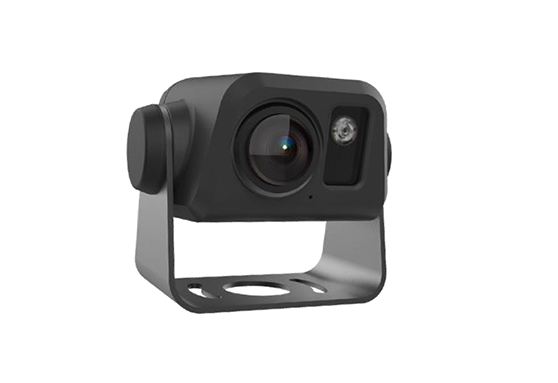
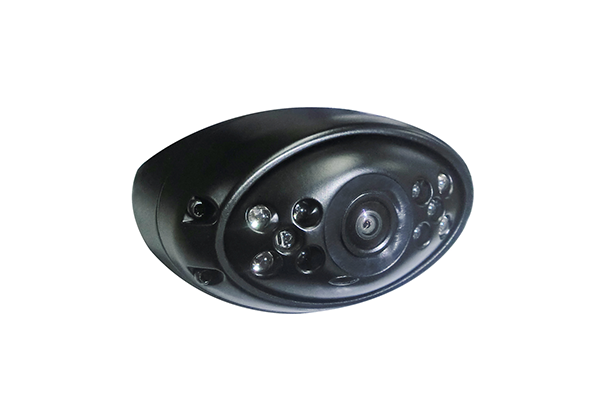
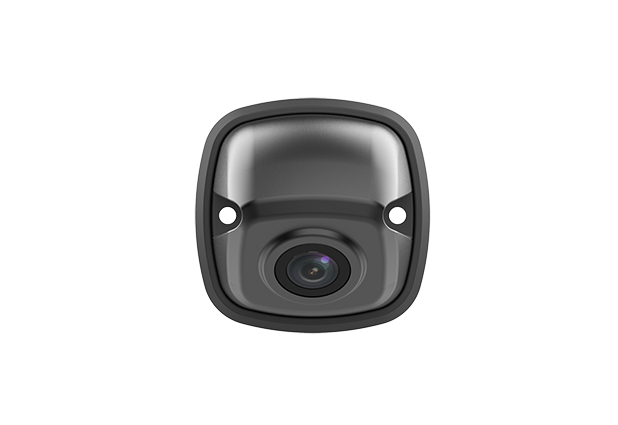
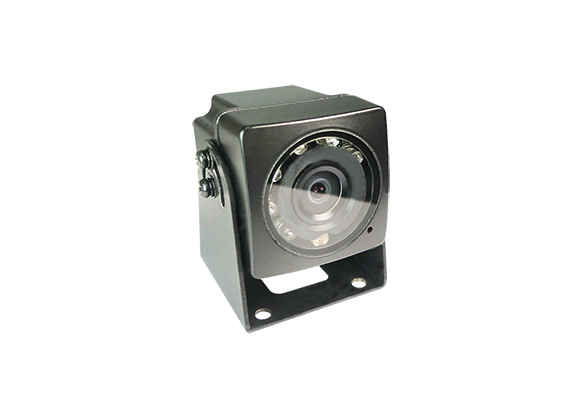
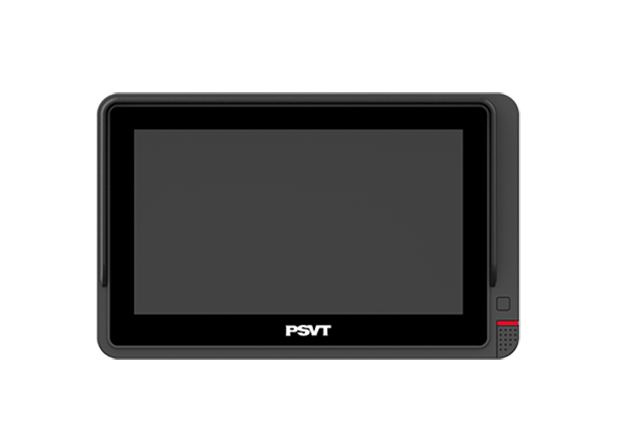
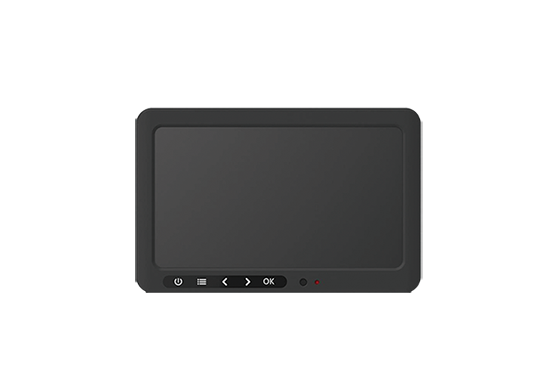
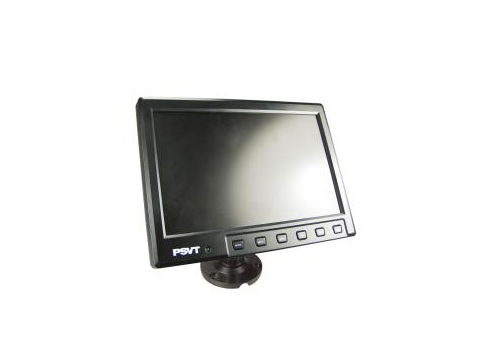
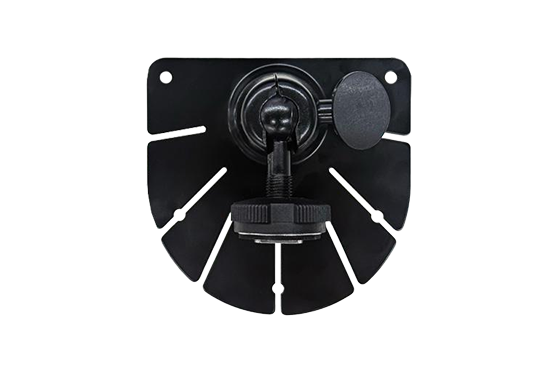
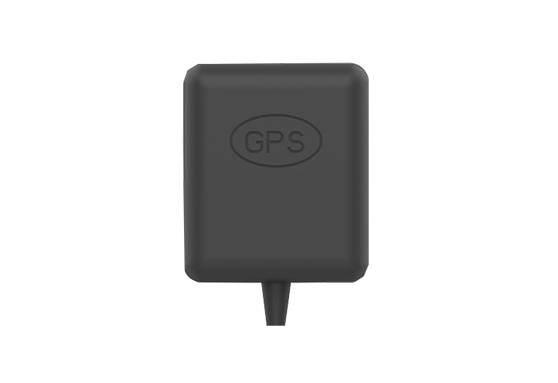
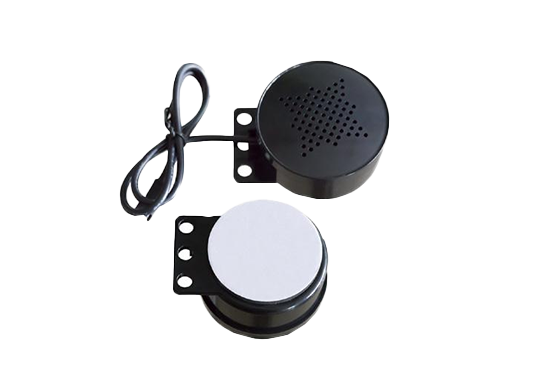
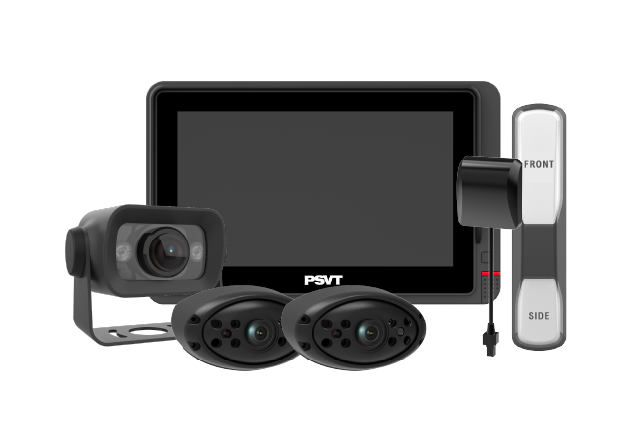
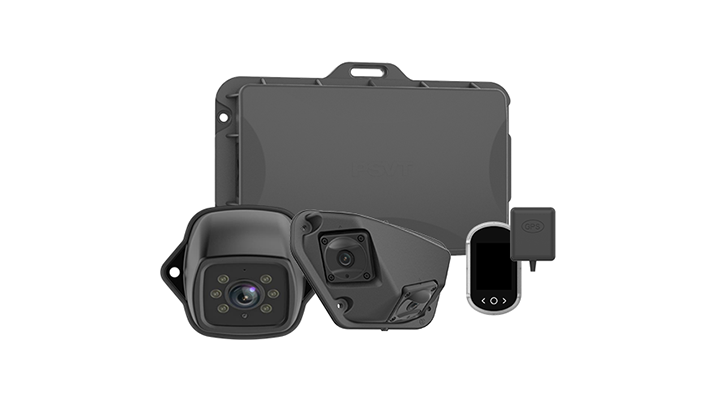
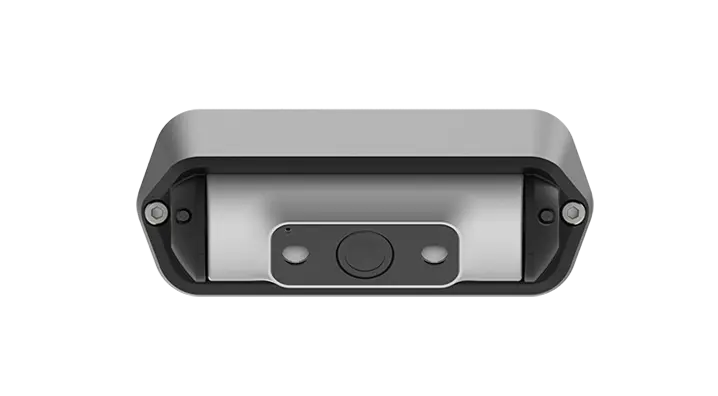
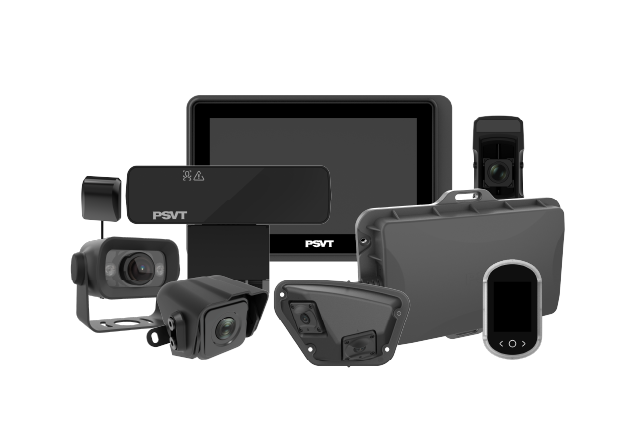
A typical system consists of exterior cameras, one or more in-cab monitors, electronic control hardware, connecting cables and vehicle communication interfaces. The cameras are usually mounted on the left and right sides of the vehicle, although additional units can be installed to cover the front, rear or other critical areas.
Images are shown on displays positioned within the driver’s natural viewing range. In a mirror-replacement application, the monitor arrangement is designed to reproduce the visual information traditionally provided by the main and wide-angle mirrors. In a supplementary application, the displays provide additional visibility while the original mirrors remain installed.
The system may also include image-processing functions such as automatic brightness adjustment, low-light enhancement, heating, image correction and failure monitoring. More advanced platforms can connect with blind-spot detection, recording equipment or other active safety technologies.
The objective is not simply to replace a reflective surface with a digital screen. A properly designed solution must deliver reliable, real-time visual information without creating unnecessary distraction or requiring the driver to interpret a complicated interface.
A camera monitor system captures live video through cameras installed outside the vehicle. The video signals are transmitted to electronic displays inside the cab, allowing the driver to observe nearby traffic, vulnerable road users and obstacles.
The basic process includes four stages:
Low latency is essential. A noticeable delay between an actual movement and the displayed image could make it harder for a driver to judge distance or react to changing traffic conditions. Reliable video transmission and fast image processing are therefore fundamental system requirements.
Display location is equally important. If a monitor is mounted too far from the driver’s normal line of sight, the driver may need to move their head excessively or take their eyes away from the road. Vehicle manufacturers and installers must consider cab design, seating position, windscreen visibility and possible reflections when deciding where to place each screen.
Traditional mirrors are simple, familiar and effective in many driving situations. However, they also have limitations, especially on large vehicles.
First, mirrors can create their own obstructions. Large mirror assemblies mounted outside a truck or bus may partially block the driver’s direct view through the side windows, particularly when turning or approaching intersections.
Second, their viewing performance depends heavily on correct adjustment. A mirror that has been moved, damaged or incorrectly positioned may leave a critical area uncovered. Different drivers may also need to readjust the mirrors whenever they change vehicles.
Third, environmental conditions can reduce visibility. Rain, frost, dirt, glare and poor lighting may affect the quality of the reflected image. Drivers operating at night or in tunnels may struggle to identify objects outside the range of available light.
Finally, a mirror provides a fixed perspective. Increasing the visible area generally requires a larger mirror or an additional mirror surface. Digital systems can offer several carefully defined fields of view without adding multiple bulky structures outside the cab.
Blind spots are a major concern for commercial vehicles because drivers may be unable to see cyclists, pedestrians, motorcycles or smaller vehicles travelling close to the truck or bus. Strategically positioned cameras can cover areas that are difficult to observe through direct vision and conventional mirrors. Wide-angle views can be especially valuable during turning, lane changing and low-speed manoeuvring. Better coverage does not remove the driver’s responsibility to check the surrounding environment. Instead, it gives the driver more useful visual information for making safer decisions.
High-quality cameras can provide improved performance in darkness, tunnels, underground loading areas and poorly lit depots. Features such as high dynamic range and low-light enhancement can help preserve important image details. Dynamic range is particularly relevant when bright and dark areas appear in the same scene. For example, a vehicle may be leaving a dark warehouse while strong sunlight is visible outside. A well-designed imaging system should prevent the bright area from becoming completely overexposed while retaining useful information in the shadows.
Replacing large mirror assemblies with compact camera units may improve the driver’s direct view through the front and side windows. This can be particularly helpful at intersections, pedestrian crossings and urban junctions. Smaller exterior units can also reduce the physical width of the vehicle. The practical benefit depends on the vehicle design and operating environment, but it may be valuable on narrow roads, in depots or in areas where vehicles regularly pass close to roadside objects.
A conventional mirror’s effectiveness depends on the driver’s seating position and adjustment. Digital displays can provide more consistent viewing areas because the camera position remains fixed and the image can be electronically configured. This consistency can be useful for fleets in which several drivers share the same vehicle. It may reduce the risk of a vehicle being operated with poorly adjusted mirrors, although drivers must still adjust their seat and become familiar with the monitor arrangement.
Large mirror assemblies create aerodynamic drag. Compact external camera housings may reduce air resistance, potentially contributing to better energy efficiency. The actual result varies by vehicle design, driving speed, route and operating conditions. Fleet buyers should request vehicle-specific evidence before relying on fuel-saving claims. Safety and image reliability should remain the primary selection criteria.
Urban commercial vehicles frequently operate near pedestrians, cyclists and motorcyclists. These vulnerable road users can be difficult to see when they travel close to the vehicle’s front corner or alongside its body.
A camera monitor system can improve the driver’s ability to observe these areas, especially before and during a turn. However, visual coverage alone may not guarantee that the driver notices every road user. Drivers manage many tasks simultaneously, and even a clear image can be overlooked.
For this reason, camera monitoring is often most effective as part of a broader safety architecture. It can be combined with blind-spot information systems, moving-off information systems, ultrasonic sensors, radar or AI-based object detection.
The camera provides visual confirmation, while the detection technology can draw the driver’s attention to a potential risk. When properly integrated, these functions complement one another without overwhelming the driver with excessive warnings.
Resolution is important, but it is not the only measure of image quality. Buyers should also evaluate colour accuracy, contrast, dynamic range, viewing angle, night performance and the system’s ability to show moving objects clearly.
A high-resolution specification does not automatically ensure a useful image if the camera performs poorly in glare, rain or low light.
The image displayed inside the cab should correspond closely with real-world movement. Low latency is critical when changing lanes, reversing or judging the speed of an approaching vehicle.
Buyers should ask suppliers how latency is measured and whether the stated result applies to the complete system, including the camera, processing unit and display.
Commercial vehicles operate in demanding environments. Exterior cameras may be exposed to rain, snow, dust, mud, vibration, pressure washing, temperature extremes and road salt.
Camera housings, connectors and cables should be designed for the intended operating conditions. Heated camera functions may also help reduce problems caused by frost or condensation.
Displays must remain visible in bright daylight without becoming excessively bright at night. Automatic adjustment can help maintain readability while reducing glare and driver discomfort.
The transition should be smooth. Sudden or incorrect brightness changes can distract the driver or temporarily reduce image visibility.
A safety-related visual system should be able to identify important faults. Depending on the design, it may detect loss of video, camera disconnection, display failure or other abnormal conditions.
The driver should receive a clear warning when the required view is unavailable. Fleet operators should also understand whether diagnostic information can be accessed during maintenance.
Screen size must be considered together with resolution, viewing distance and cab layout. A larger screen is not necessarily better if it obstructs the windscreen or occupies too much dashboard space.
Displays should allow the driver to recognize relevant objects without showing unnecessary interface elements. Controls should also be simple enough to operate without creating distraction.
A commercial vehicle generates vibration and electrical interference. The video interface, wiring harnesses and connectors must maintain a stable signal throughout the vehicle’s service life.
Automotive-grade components, secure connections and appropriate cable routing are important for long-term reliability. Installers should avoid placing cables where they may be crushed, stretched or exposed to excessive heat.
For markets where a digital solution is intended to replace mandatory mirrors, regulatory compliance must be evaluated at the vehicle and system levels. UNECE Regulation No. 46 addresses devices for indirect vision and includes requirements relevant to camera-monitor systems.
Compliance involves more than choosing a camera with good resolution. The complete configuration may need to satisfy requirements relating to field of view, image presentation, response time, environmental performance, failure behaviour and installation.
A camera monitor system intended for OEM integration should therefore be selected early in the vehicle development process. Camera position, monitor location, cab structure, electrical architecture and validation planning may all influence homologation.
Aftermarket buyers must also distinguish between a product that supplements existing mirrors and one approved for mirror replacement. These applications may have different technical, installation and legal implications. Suppliers should clearly explain the intended use and provide appropriate certification documentation.
Camera monitoring should not be treated as an isolated component. Modern commercial vehicles often include several systems that use overlapping sensors, displays and communication networks.
Possible integrations include:
Integration can reduce the number of separate devices installed in the cab, but it must be managed carefully. Too many views, icons and alerts on one display may increase driver workload.
The user interface should prioritize information according to the driving situation. For example, a relevant side view may be emphasized when the turn signal is activated, while the normal rearward view remains available during regular driving.
OEM projects allow the system to be integrated into the vehicle from the beginning. Camera housings can be matched to the body design, monitors can be positioned within the cab architecture, and wiring can be included in the original electrical system.
This approach supports a cleaner installation and more complete validation. However, OEM programs usually involve longer development cycles, detailed engineering cooperation and strict qualification requirements.
Aftermarket solutions are useful for upgrading vehicles already in service. They can help fleets introduce better visibility without waiting for vehicle replacement cycles. The challenge is that vehicles may differ in cab layout, body length, electrical design and operating environment.
A successful aftermarket program therefore requires clear installation standards, compatible mounting hardware, vehicle-specific assessment and installer training. The quality of installation can have as much influence on system performance as the quality of the hardware itself.
Installing a camera monitor system changes how drivers receive visual information. The viewing perspective, screen distance and apparent size of objects may differ from conventional mirrors.
Drivers need time to build confidence and learn how to judge distance through the displays. Training should cover normal operation, low-light performance, weather conditions, system warnings and the actions required when a camera or monitor becomes unavailable.
Fleets should also collect structured feedback during deployment. Drivers may identify reflections, mounting issues or viewing difficulties that are not obvious during a short demonstration.
A phased rollout can be effective. A small group of trained drivers can test the solution on representative routes before the fleet expands installation across more vehicles.
Initial purchase price is only one part of the investment. Fleet operators should consider installation, training, inspection, cleaning, diagnostics, spare parts and future replacement costs.
Camera lenses must remain clean. Fleets operating on construction sites, winter roads or muddy routes may require more frequent inspections. Mounting brackets and cables should also be checked after impacts or body repairs.
The availability of replacement parts is important for vehicles expected to remain in service for many years. Buyers should confirm whether cameras, displays and cables can be replaced individually and whether future components will remain compatible.
Remote diagnostics or recorded fault information may reduce maintenance time by helping technicians identify the cause of an issue before replacing hardware.
Before selecting a camera monitor system, fleet operators, OEMs and distributors should ask:
Clear answers to these questions can help buyers distinguish a vehicle-grade solution from a general-purpose video product.
Camera monitoring can improve visibility, but its value depends on how well it fits the vehicle, the driver and the broader safety program.
Fleet operators should begin by identifying specific risks. These might include cyclist conflicts during urban turns, side collisions during lane changes, poor visibility at night or repeated damage to exterior mirrors. Once the risks are understood, the fleet can define the required fields of view and evaluate suitable technology.
Pilot testing should then be conducted on representative vehicles and routes. Performance should be assessed in daylight, darkness, rain, loading areas, narrow streets and other relevant operating conditions.
Finally, the fleet should establish training, inspection and maintenance procedures. Technology delivers its best results when drivers understand it and maintenance teams know how to keep it functioning correctly.
A camera monitor system can provide commercial vehicle drivers with broader, clearer and more consistent visibility than traditional mirrors alone. It can also support vulnerable road user protection, reduce exterior obstruction and integrate with advanced detection and fleet safety technologies.
However, the right solution cannot be selected by comparing camera resolution or monitor size alone. Fleet operators and OEMs must evaluate field of view, latency, low-light performance, environmental durability, failure detection, regulatory suitability and installation quality.
The most successful projects treat camera monitoring as part of a complete operational safety strategy. With appropriate system design, driver training and long-term maintenance support, the technology can help fleets improve driver awareness and manage some of the most persistent visibility risks associated with large commercial vehicles.