UN Regulation R151/R159/R158
View More







Commercial vehicles operate in environments where a momentary loss of visibility can have serious consequences. Trucks, buses, refuse vehicles, construction machinery and other large vehicles have extensive blind spots, wide turning paths and complex interactions with pedestrians, cyclists and nearby vehicles. AI AVM combines 360-degree surround visibility with artificial-intelligence detection to help drivers understand what is around the vehicle and respond to developing risks. For fleet operators, this technology is more than an upgraded camera view: it can become an active safety layer that supports accident prevention, driver performance, claims management and more efficient operations.
Traditional mirrors and individual reversing cameras remain useful, but they provide only partial views. A driver may need to check several mirrors, a rear display, the road ahead and vehicle instruments within a few seconds. The challenge becomes greater in congested cities, busy depots, construction sites, logistics yards and passenger terminals. Vulnerable road users can enter a blind area quickly, while narrow lanes and fixed obstacles leave little room for correction.
A conventional around-view monitor improves the situation by stitching images from multiple cameras into a bird’s-eye view. However, the driver must still notice, interpret and react to every object shown on the display. In a visually demanding situation, passive visibility alone may not be sufficient. Artificial intelligence adds another level of support by identifying relevant objects and calling attention to potential hazards rather than presenting all visual information with equal importance.
This distinction matters in commercial fleets. A passenger car usually has a consistent driver and relatively predictable operating conditions. A fleet vehicle may be used by multiple drivers, fitted with specialized bodywork, operated for long shifts and exposed to crowded loading areas or complex job sites. Safety equipment therefore needs to make hazards easier to understand without adding unnecessary cognitive load.
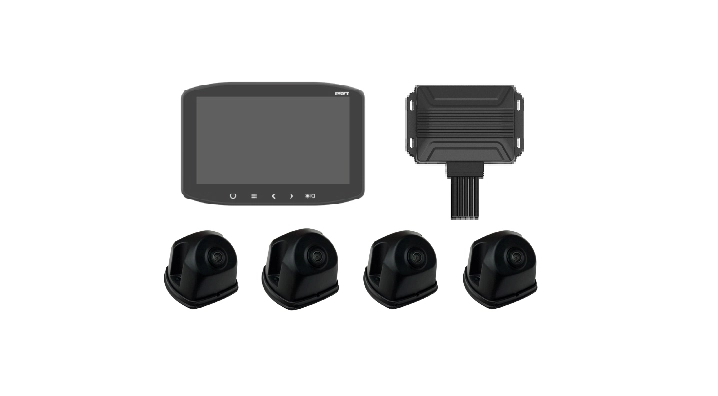
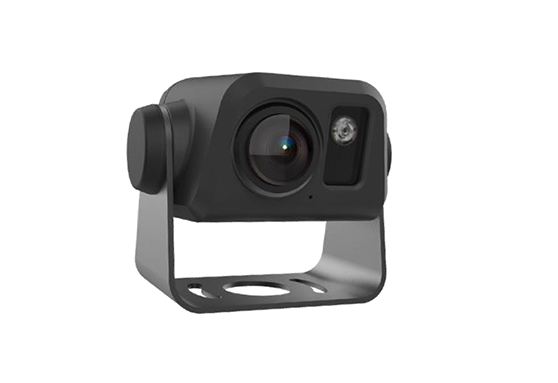
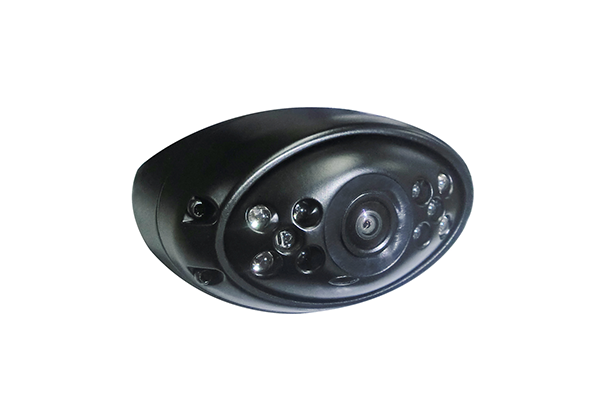
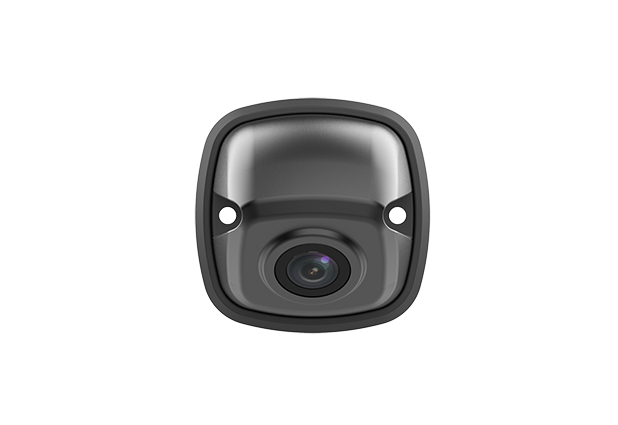
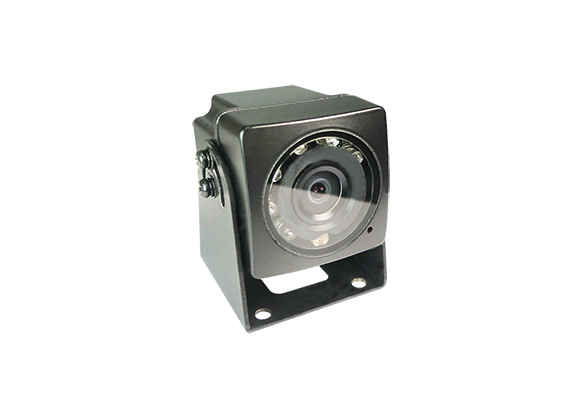
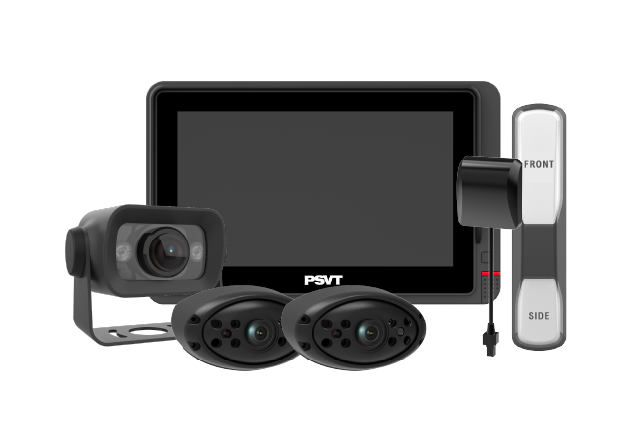
An around-view monitoring system typically uses four wide-angle cameras mounted on the front, rear, left and right sides of a vehicle. Their images are calibrated and stitched into a unified 360-degree view. The system can display a bird’s-eye image, individual camera channels or selected views triggered by reversing and turn signals.
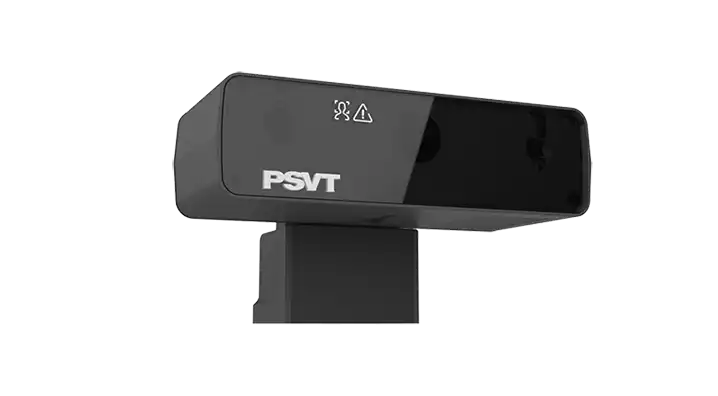
AI AVM enhances that architecture with computer-vision algorithms. Depending on the product configuration, the system can detect pedestrians, cyclists, motorcycles, vehicles or other defined objects around the vehicle. It may highlight detections on the display, mark risk zones and issue visual or audible warnings when an object enters an area associated with turning, reversing or low-speed maneuvering.
The most useful solutions do not simply generate more alarms. They use vehicle state, object type, position, movement and configured detection zones to make alerts more relevant. For example, a person standing safely outside the intended path should not necessarily produce the same warning as a cyclist moving alongside a turning truck. Effective system design balances detection coverage with alert quality so that drivers continue to trust and use the warnings.
The value of surround-view intelligence is easiest to understand through everyday fleet scenarios.
When a truck turns at an urban junction, cyclists may approach along the passenger side and become difficult to see. A 360-degree system gives the driver a consolidated view, while AI detection can identify the cyclist and emphasize the relevant side of the vehicle. During reversing, the rear camera view can be combined with pedestrian detection to draw attention to people entering the maneuvering area. In a depot, the bird’s-eye image helps the driver judge distances to parked vehicles, loading bays and fixed structures.
Refuse collection vehicles face an especially demanding combination of frequent stops, reversing, workers near the vehicle and operation in residential streets. Buses must manage pedestrians and cyclists around stops, terminals and urban intersections. Construction vehicles work near personnel, materials and machinery in environments where lanes may not be clearly defined. Delivery vehicles repeatedly enter unfamiliar yards and tight loading spaces. In each case, the system can help transform fragmented camera feeds into more understandable, prioritized information.
Large vehicles have blind areas that vary with cab design, body configuration and installed equipment. Drivers may compensate through experience, but even skilled professionals cannot continuously observe every area. A calibrated surround-view image reduces visual fragmentation and makes the relationship between the vehicle and nearby objects easier to understand.
AI AVM adds detection support to that view. Instead of expecting the driver to scan the entire display continuously, the system can draw attention to pedestrians or cyclists in predefined risk zones. This is particularly valuable at low speeds, where many collisions occur during turning, reversing, parking and close maneuvering.
Fleet safety is most effective when it helps prevent an event rather than merely documenting it afterward. A warning delivered at the right time can prompt the driver to pause, recheck the surroundings or adjust the maneuver. Although no driver-assistance product replaces observation and judgment, well-designed alerts can provide an additional opportunity to act.
The operational objective should be meaningful intervention, not maximum alarm frequency. Fleet managers should evaluate how a system defines risk zones, whether detection behavior can be adapted to different vehicle types and how it limits nuisance alerts. A warning that drivers trust is more valuable than a sensitive system that is frequently ignored.
Even a low-speed collision can create substantial costs. These may include vehicle repair, third-party damage, injury claims, legal expenses, administrative work, downtime, replacement vehicle charges and lost customer confidence. The direct repair invoice often represents only part of the total business impact.
Prevention technology should therefore be assessed against the fleet’s complete incident cost profile. Operators can review the frequency and severity of reversing, sideswipe, turning and depot collisions, then identify which events might be influenced by improved surround visibility and object detection. This creates a more credible business case than relying on general safety claims.
Driver skill, route familiarity and experience can vary across a fleet. Seasonal hiring, employee turnover and the use of temporary drivers can increase that variation. A standardized visual interface and warning strategy can provide more consistent support across vehicles and drivers.
The system can also reinforce training. Recorded examples of close maneuvers or recurring risk locations can be used in coaching sessions, provided the chosen product includes recording and the organization manages video responsibly. Rather than using footage only to assign blame, progressive fleets can use it to understand why risky situations develop and how routes, procedures or training could be improved.
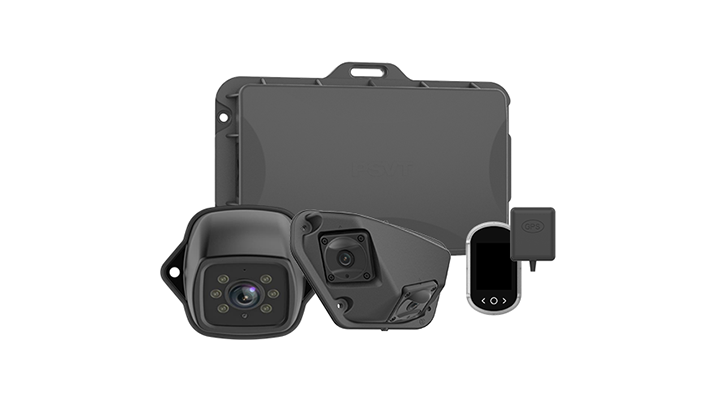
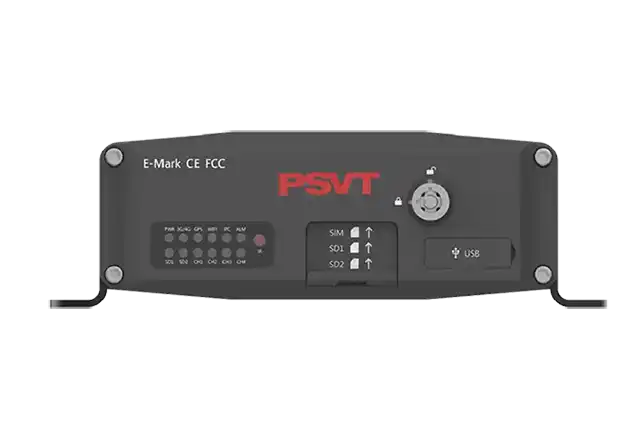
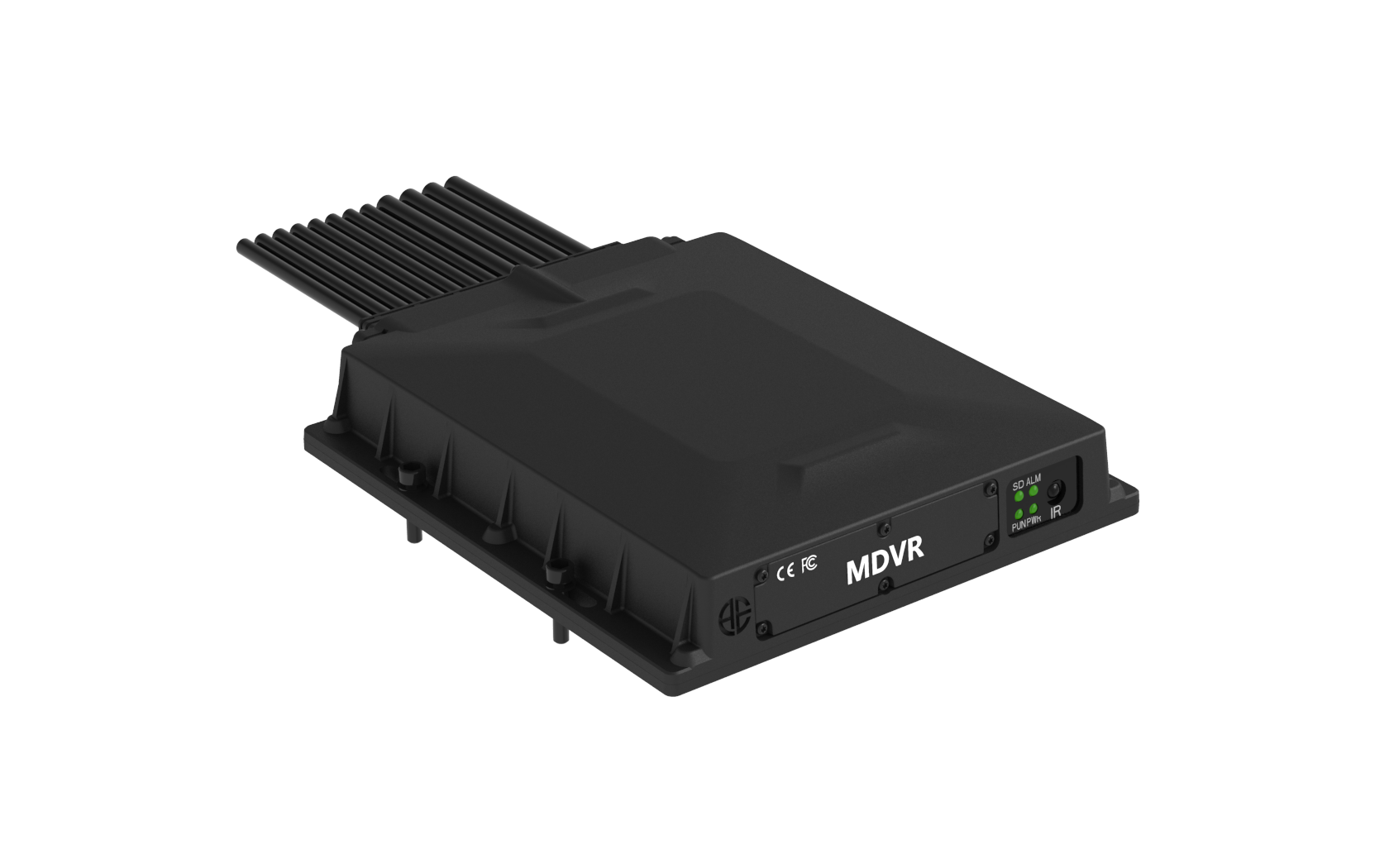
Some platforms combine surround-view safety with local recording or mobile DVR capabilities. This allows synchronized camera footage to support incident investigation, insurance discussions and operational review. The evidence can help clarify vehicle movement, the position of nearby road users and the sequence of events.
When recording is part of the product architecture, buyers should consider storage capacity, recording duration, event protection, export methods, cybersecurity and privacy requirements. A strong safety platform should make video useful without creating unnecessary operational complexity. Integration with GPS, 4G connectivity or fleet-management software may further enable remote video requests, event uploads and vehicle-location context.
The difference can be summarized as visibility versus interpretation. A standard AVM system provides a combined view around the vehicle. It helps drivers see, but it generally leaves object recognition and risk assessment entirely to the driver. An intelligent solution uses algorithms to identify selected road users or objects and can generate targeted alerts.
This does not mean every AI-enabled product delivers the same result. Performance depends on camera quality, field of view, calibration, algorithm training, processing hardware, latency, environmental robustness and alert logic. Buyers should look beyond the “AI” label and examine how the system performs on the actual vehicles, routes and operating conditions in their fleet.
For example, detection accuracy in a controlled demonstration may not represent performance in heavy rain, low light, glare, dirt, partial occlusion or crowded environments. Commercial-vehicle buyers should ask vendors to explain both capabilities and limitations. A disciplined pilot is often the best way to confirm whether the technology produces reliable, actionable information in the intended application.
Determine which object classes the system can identify and whether those classes match the fleet’s risk profile. A city bus operator may prioritize pedestrian and cyclist detection, while a construction fleet may focus on workers and vehicles in close proximity. Ask how detection performance is measured, under what conditions it was tested and how false alarms are controlled.
Resolution alone does not determine useful image quality. Consider low-light performance, high dynamic range, resistance to glare, lens distortion, weather sealing and the ability to maintain a clear picture in rain, dust or temperature extremes. Camera placement also matters: bodywork, trailers, lifting equipment and accessories can block important views if the installation is not designed carefully.
Accurate image stitching and object positioning depend on correct installation and calibration. Evaluate how much space, equipment and technical skill the process requires. For multi-depot fleets, repeatability is crucial. A system that performs well on one demonstration vehicle but is difficult to reproduce across hundreds of vehicles may create high deployment and maintenance costs.
Review when warnings are activated, where they appear and how the driver can distinguish urgency. Alerts may be linked to turn signals, reverse gear, vehicle speed or configurable zones. The objective is to inform the driver at the appropriate moment without overwhelming them. Driver feedback during a pilot can reveal whether warnings are understandable, timely and trusted.
The system should fit the vehicle’s electrical and communication architecture. Buyers may need to assess CAN integration, trigger inputs, monitor placement, power management and compatibility with existing recorders or telematics. OEM programs will also require deeper consideration of software interfaces, diagnostics, cybersecurity, functional safety development and long-term component availability.
If video recording is required, compare the number of supported channels, storage media, retention period, simultaneous playback and export process. For connected applications, assess remote access, bandwidth management, event upload, platform compatibility and user permissions. Fleets should define which features are needed now and which should remain available for future expansion.
Commercial vehicles may remain in service for many years. Hardware should be designed for vibration, moisture, dust, temperature variation and continuous use. The vendor should also offer clear warranty terms, software support, spare-part availability and a process for maintaining compatible replacement components.
A successful proposal connects safety technology to measurable fleet priorities. Begin with incident data. Categorize collisions by maneuver, location, vehicle type, severity and cost. Identify the proportion associated with blind spots, reversing or low-speed movement. Then review near-miss reports, driver feedback and insurance information to expose risks that accident records alone may not show.
Next, select representative vehicles for a pilot. Include different body types, routes, drivers and operating environments. Establish baseline measures before installation, such as relevant incident frequency, alarm events, driver observations and time lost to maneuver-related damage. During the pilot, collect both quantitative data and structured driver feedback.
The evaluation should not focus only on whether the equipment detects objects. It should determine whether alerts help drivers make better decisions, whether nuisance warnings remain acceptable, whether installation is repeatable and whether recorded information improves investigation. If the pilot succeeds, the fleet can create a phased rollout based on the vehicles or operations with the greatest risk exposure.
Technology alone does not create a safety culture. Drivers should receive practical instruction on system views, warning meanings, limitations and daily camera checks. Training must reinforce that assistance features complement mirrors, direct observation and established procedures; they do not replace them.
Maintenance processes should include checking lenses for dirt or damage, confirming camera alignment and reporting display or warning faults. Repairs to bodywork or camera mounts may affect calibration, so fleets need a clear recalibration policy. Managers should also establish appropriate rules for video access, retention and privacy.
It is equally important to involve drivers early. A pilot is more likely to succeed when drivers understand the problem being addressed and can comment on monitor position, alarm timing and usability. Their experience often identifies practical issues that are not visible in a specification sheet.
AI AVM can serve a broad range of vehicles, but the configuration should reflect each operating environment. Heavy trucks may require side detection for urban turns and wide-area visibility around articulated combinations. Buses need support around stops, terminals and dense city traffic. Refuse trucks benefit from coverage during frequent reversing and close interaction with collection crews. Construction and mining vehicles require durable equipment and awareness around workers and machinery. Delivery fleets may prioritize easy maneuvering, rapid installation and recorded evidence for high-frequency urban operations.
For OEMs and body builders, integration can differentiate a vehicle platform and help address customer demand for factory-ready safety options. For distributors and installers, modular cameras, monitors, recorders and warning devices can support retrofit opportunities across mixed fleets. Fleet-management providers may view the technology as a source of video and event data that complements telematics, driver coaching and claims workflows.
The next stage of development will connect perception around the vehicle with broader operational platforms. An object detection event could be combined with speed, location, driver input and video to create a richer understanding of risk. Fleets may identify recurring hotspots, compare event patterns across routes or prioritize coaching based on verified context rather than isolated sensor triggers.
At the vehicle level, standardized interfaces may allow detection results to be shared with other systems. At the fleet level, connectivity can support remote health checks, event footage retrieval and software updates. These capabilities will increase the importance of cybersecurity, data governance and well-defined integration interfaces.
The strongest long-term value will come from platforms that can evolve. A fleet may begin with surround visibility and pedestrian detection, add recording later, and eventually connect selected events to a remote management system. Choosing an extensible architecture can protect the initial investment while allowing the safety program to mature.
Commercial-vehicle blind spots will not be solved by a single device, but better visibility and intelligent detection can significantly strengthen a fleet’s risk controls. AI AVM gives drivers a unified view around the vehicle and helps prioritize hazards that demand attention. When combined with thoughtful alert logic, professional installation, driver training and disciplined evaluation, it can contribute to fewer maneuvering incidents, stronger evidence and more consistent safety performance.
For fleet managers, the purchasing decision should begin with operational risk rather than a list of features. Define the incidents you want to reduce, test the solution in representative conditions and measure how it affects driver behavior and fleet outcomes. The right system is not simply the one that shows the most camera views or generates the most alerts. It is the one that delivers dependable information at the moment a driver needs it—and fits sustainably into the fleet’s vehicles, workflows and future technology roadmap.