UN Regulation R151/R159/R158
View More







In today’s commercial vehicle industry, MDVR and AI Dashcam technologies are no longer optional add-ons — they are becoming essential components of fleet safety, compliance, and operational intelligence. As fleets grow in size and complexity, operators need more than basic video recording. They need real-time visibility, AI-driven alerts, and reliable evidence to manage risk, improve driver behavior, and reduce operational costs.
This is why the debate around MDVR vs AI Dashcam has become increasingly important. While both MDVR and AI Dashcam solutions record driving events, they serve very different purposes and suit different fleet scenarios. Choosing the wrong solution can lead to underutilized hardware, missed safety opportunities, or unnecessary costs.
In this in-depth guide, we break down MDVR vs AI Dashcam, explain how each system works, compare features and applications, and help you determine which technology is right for your fleet.
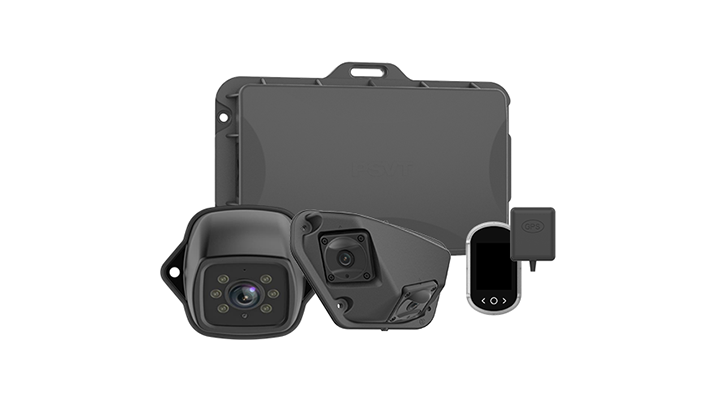
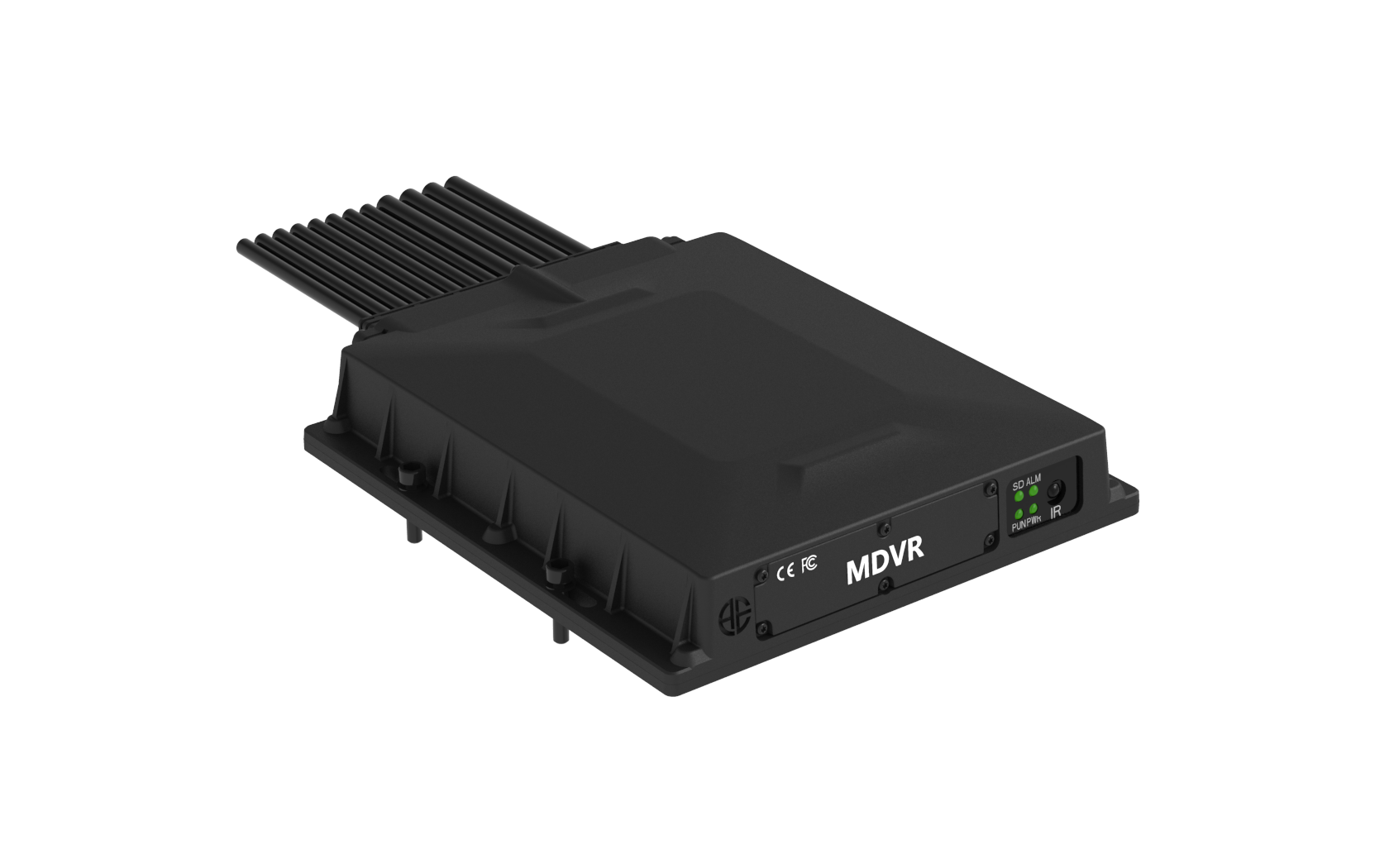
An MDVR (Mobile Digital Video Recorder) is a professional-grade vehicle video system designed specifically for commercial fleets. Unlike consumer dash cameras, MDVR systems are built to support multiple cameras, long-term operation, and harsh vehicle environments.
At its core, an MDVR acts as the central brain of a vehicle’s video and data system. It records video from multiple channels while synchronizing with GPS, accelerometers, and AI modules. Advanced MDVR platforms, such as the AUTOEQUIPS AI MDVR F04, elevate this capability further by integrating AI analytics, cloud connectivity, and fleet management functions.
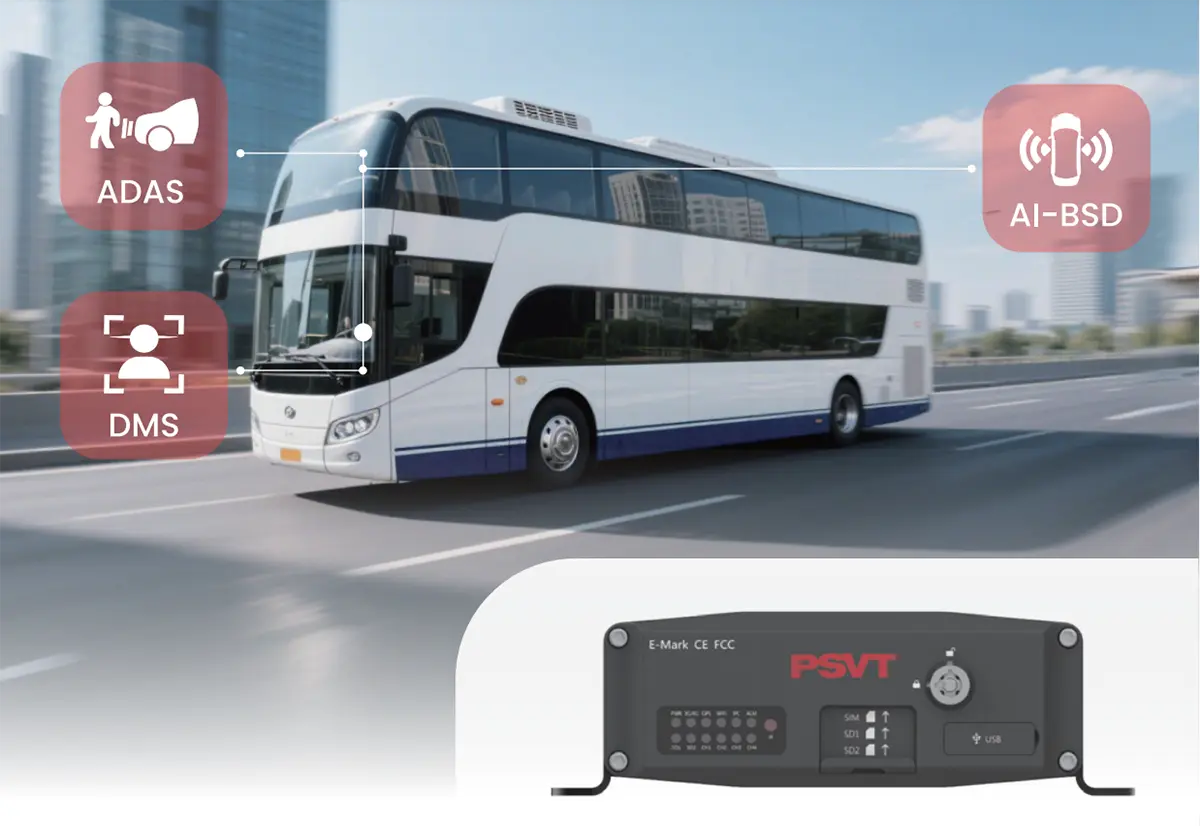
In short, MDVR is not just a camera — it is a fleet video telematics platform.
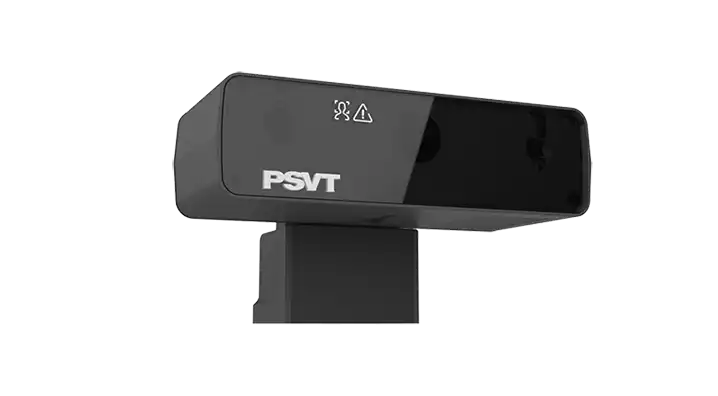
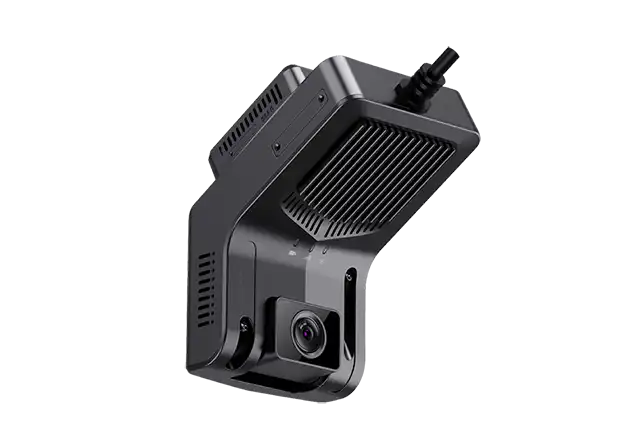
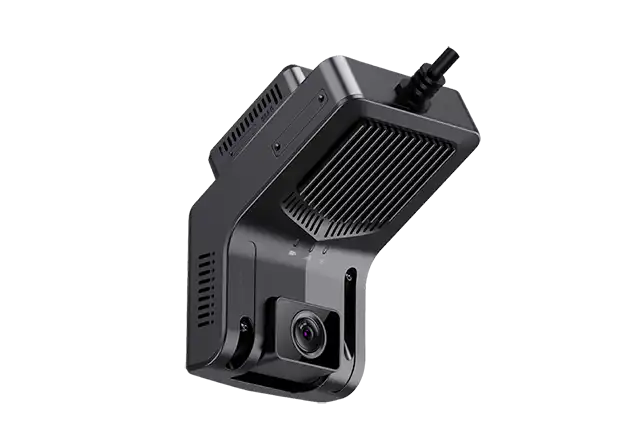
An AI Dashcam is a new generation of dash camera enhanced with on-device artificial intelligence. While traditional dashcams focus on recording footage, an AI Dashcam analyzes video in real time to detect unsafe driving behaviors and road risks.
Products like the AUTOEQUIPS AI Dashcam AE-DVRD04 represent this evolution. Instead of simply storing video, the AI Dashcam actively monitors driving conditions and driver behavior, providing immediate warnings and event tagging.
An AI Dashcam is best described as a smart safety camera — focused on real-time driver assistance rather than full fleet surveillance.
Understanding the difference between MDVR vs AI Dashcam requires looking beyond appearance and focusing on system architecture.
| Aspect | MDVR | AI Dashcam |
| System Role | Central fleet video hub | Intelligent single camera |
| Camera Support | Multi-camera (4-8 channels) | Single or dual camera |
| Storage | Large local + cloud | Local + event-based cloud |
| AI Capability | Expandable, module | Build-in, limited scope |
| Fleet Integration | Full telematics platform | partial fleet connection |
MDVR systems are designed for complex vehicle environments, while AI Dashcams focus on simplicity and speed of deployment.
Modern MDVR platforms support multiple AI modules, either built-in or via connected AI cameras. Typical AI functions include:
This makes MDVR ideal for fleets that need regulatory compliance, full coverage, and post-event analysis.
AI Dashcams typically focus on:
The AI Dashcam excels at immediate, in-cab feedback, helping drivers correct behavior in real time.
Installing an MDVR system requires:
While more complex, MDVR installations provide long-term scalability and higher data value.
AI Dashcams are typically:
This makes AI Dashcam solutions ideal for rapid fleet deployment or pilot programs.
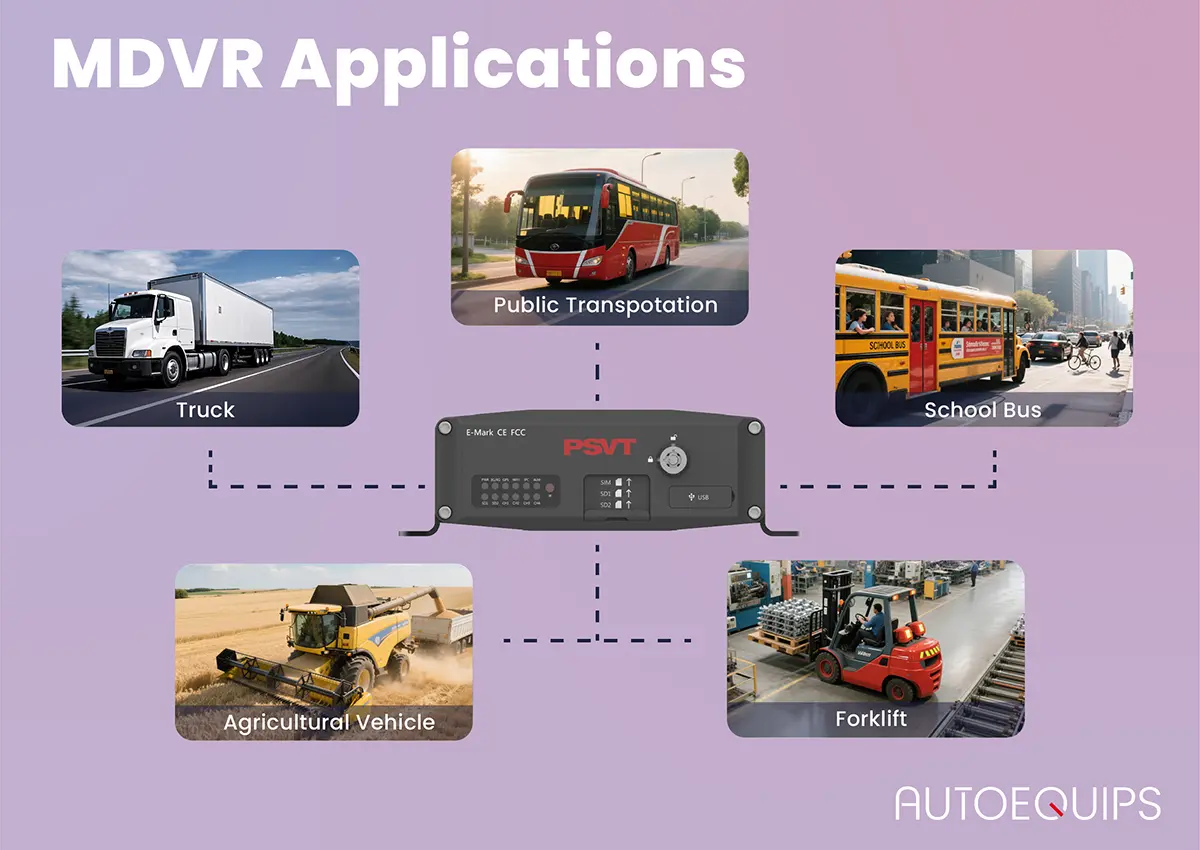
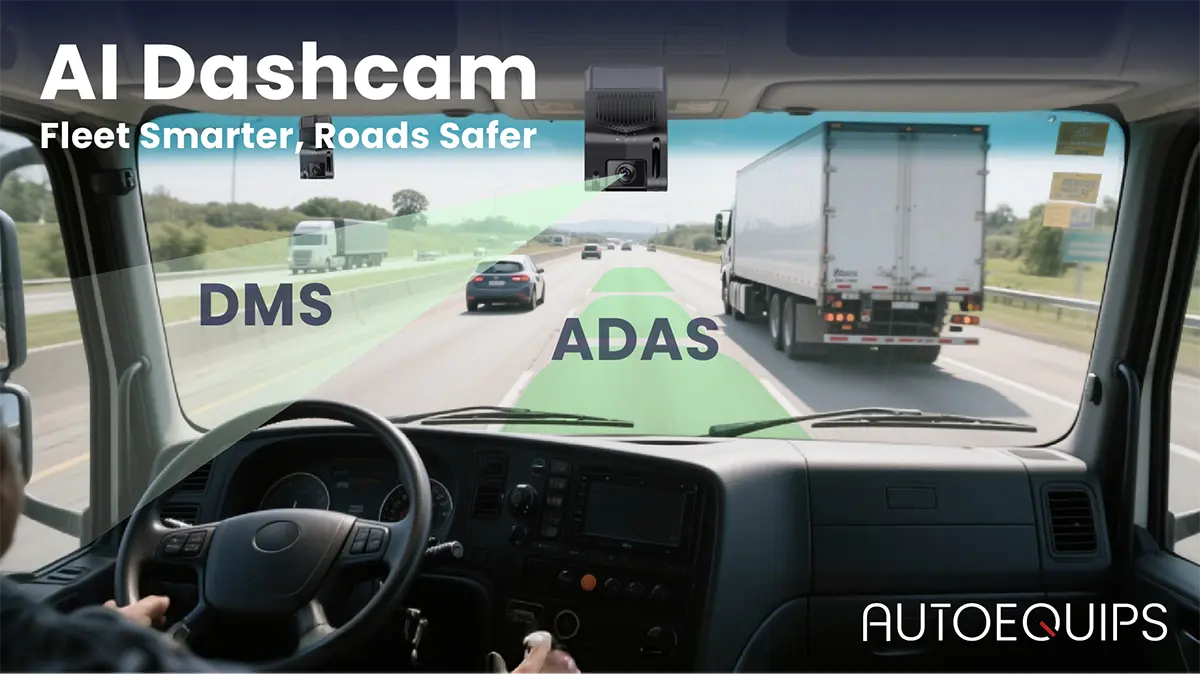
This practical difference defines the real-world decision behind MDVR vs AI Dashcam.
Both MDVR and AI Dashcam systems provide valuable video evidence, but MDVR systems offer a broader context:
For insurance claims, legal disputes, and compliance audits, MDVR solutions deliver stronger evidentiary value.
When evaluating MDVR vs AI Dashcam, scalability is critical.
Many fleets begin with AI Dashcams and later upgrade to MDVR as operational needs expand.
AI Dashcams typically offer:
MDVR systems offer:
The right choice depends on fleet size, risk profile, and growth plans.
There is no universal winner in the MDVR vs AI Dashcam comparison. The correct solution depends on your fleet structure, safety objectives, and operational maturity.
Both technologies represent the future of AI-driven fleet safety — and when deployed correctly, they significantly reduce accidents, improve driver accountability, and protect fleet assets.
The decision between MDVR vs AI Dashcam is not about choosing old vs new technology — it’s about choosing the right tool for the right operational challenge.
As fleets move toward connected, intelligent vehicles, both MDVR and AI Dashcam systems will continue to evolve. Understanding their differences today ensures smarter investments tomorrow.