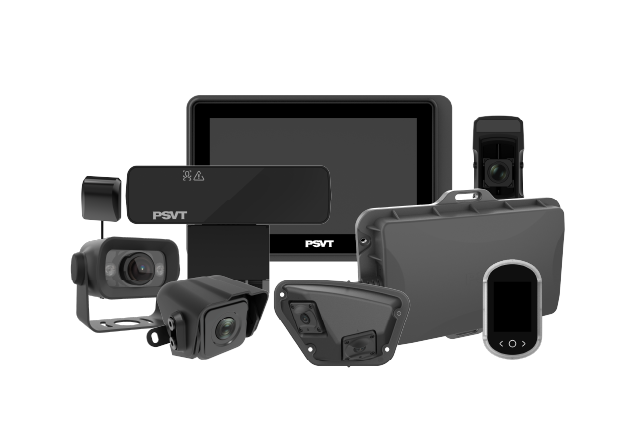
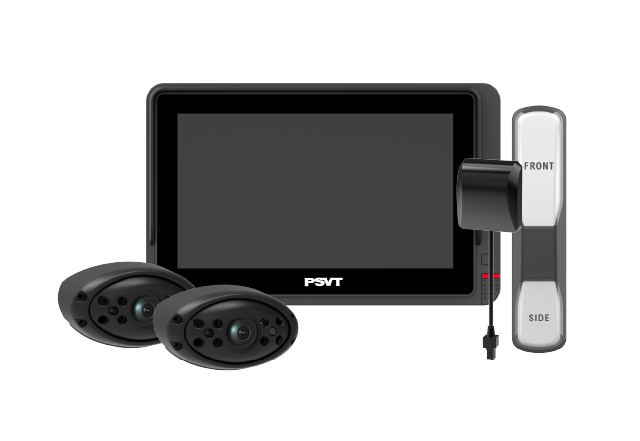
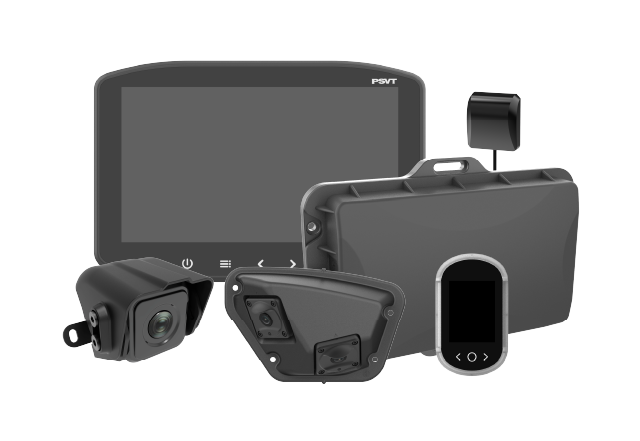
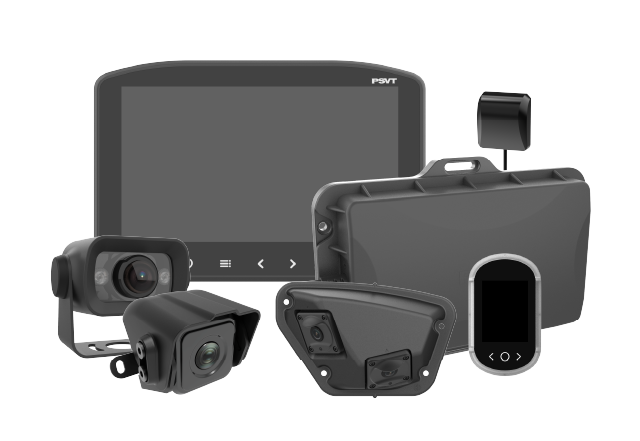
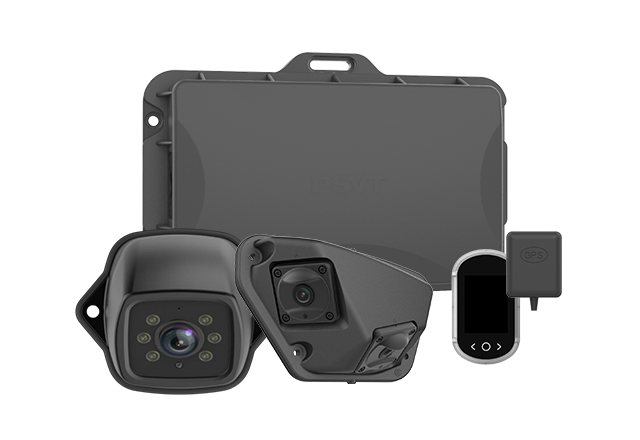
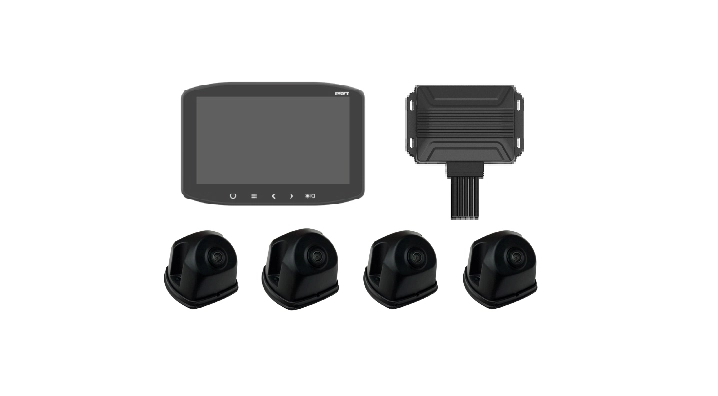
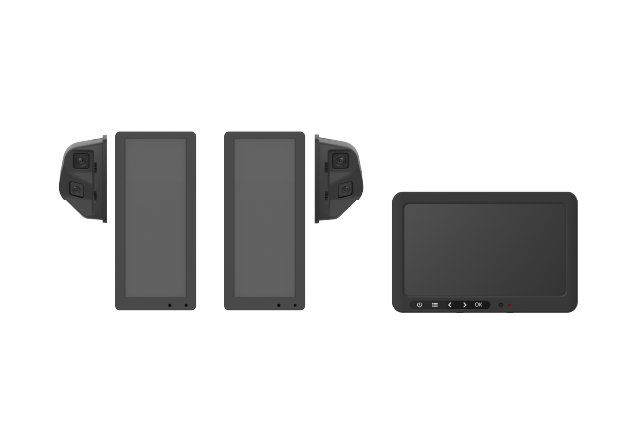
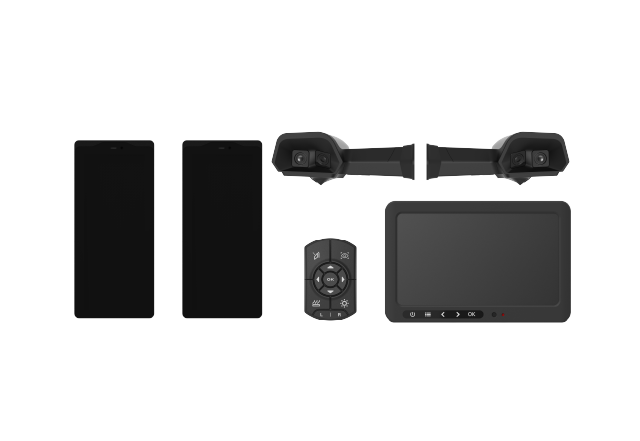
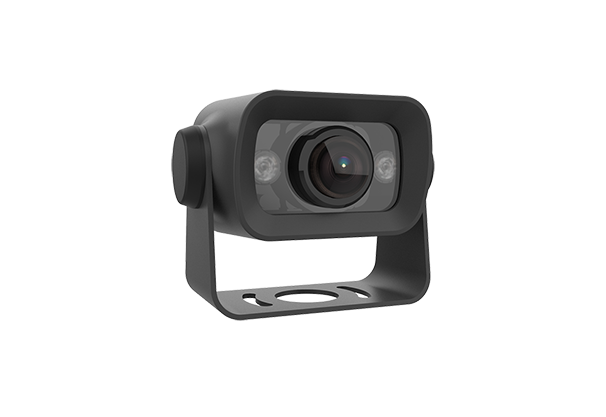
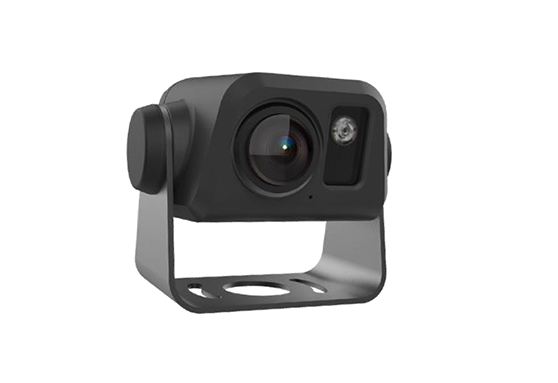
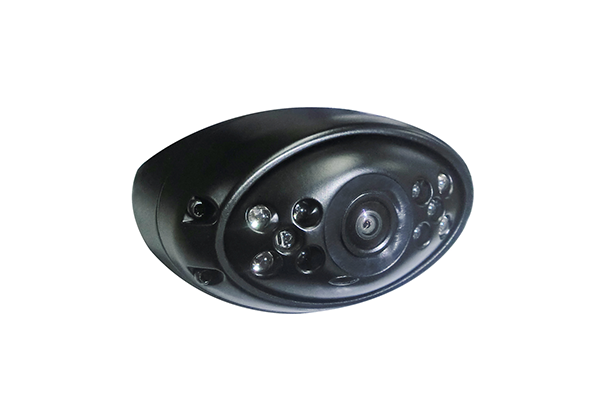
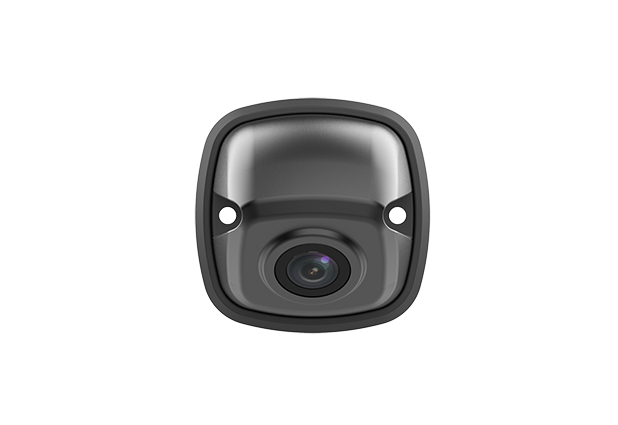
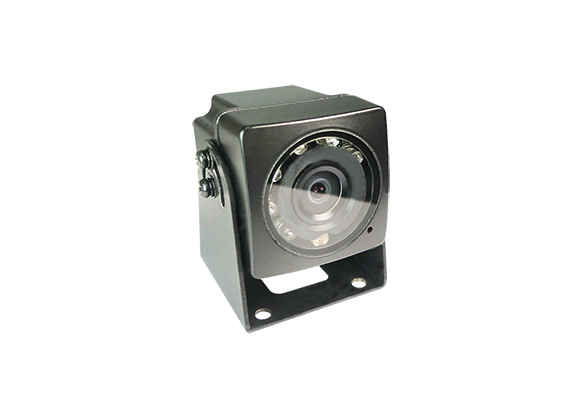
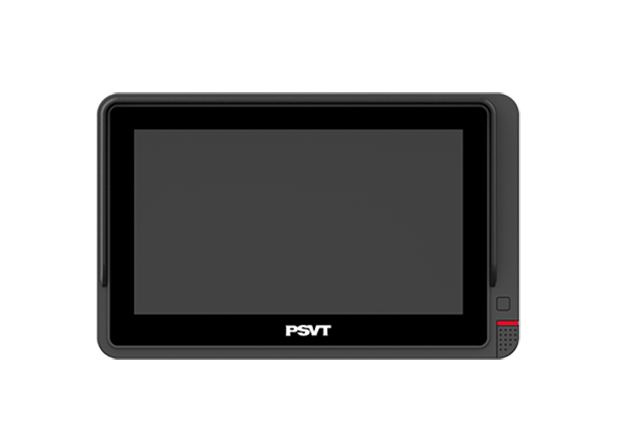
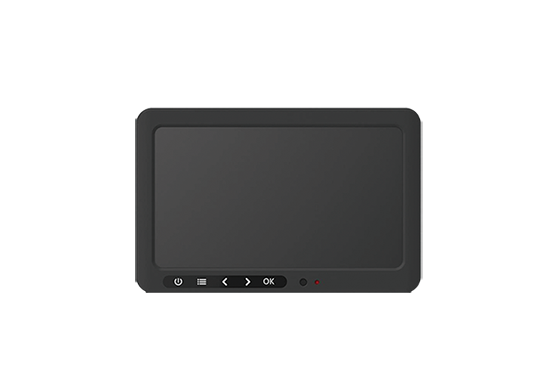
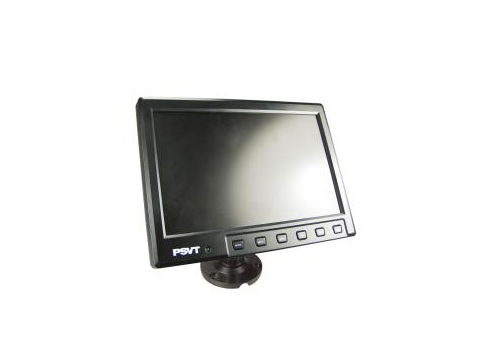
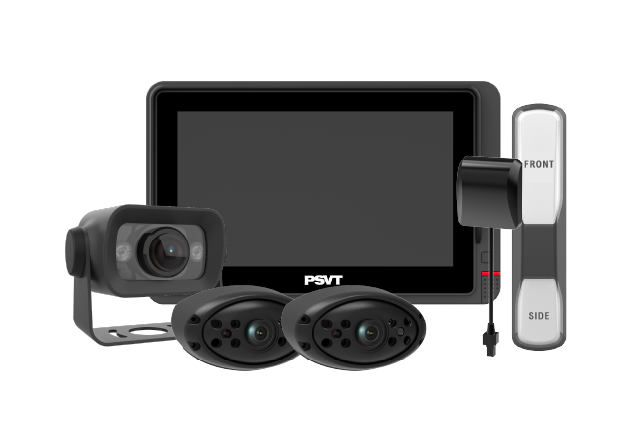
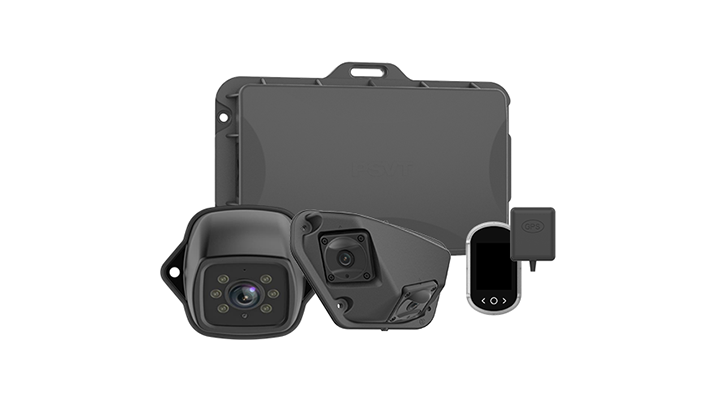
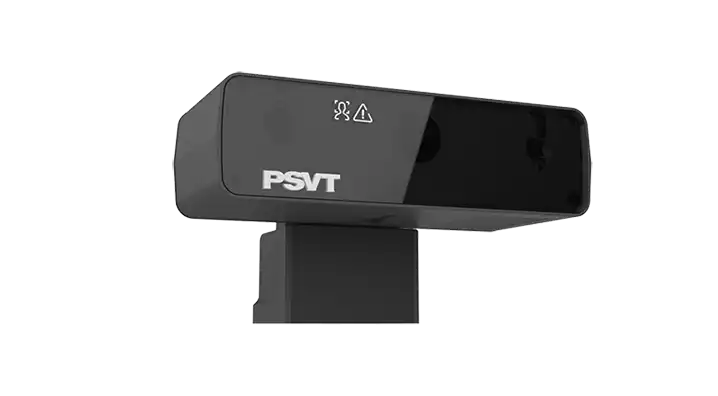
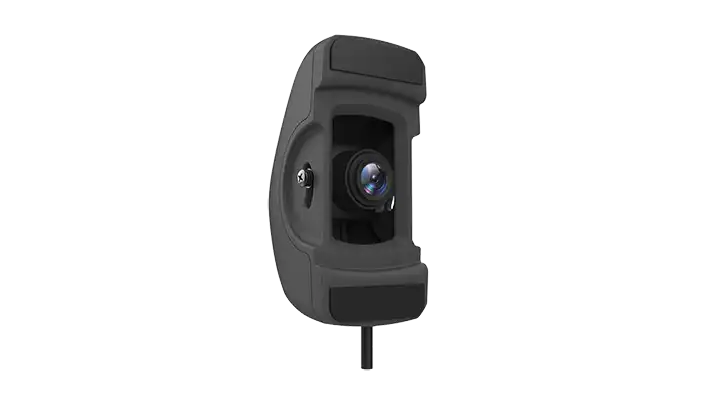
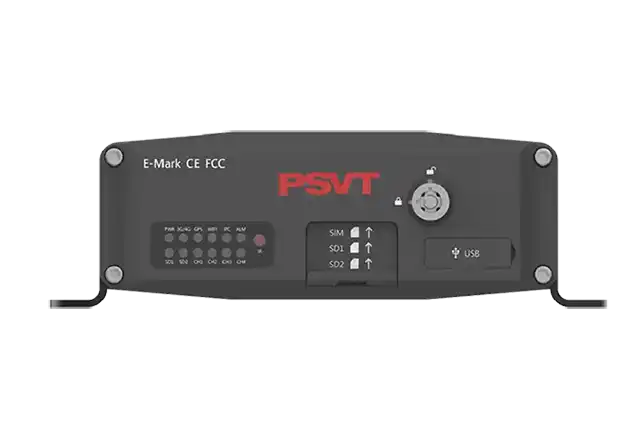
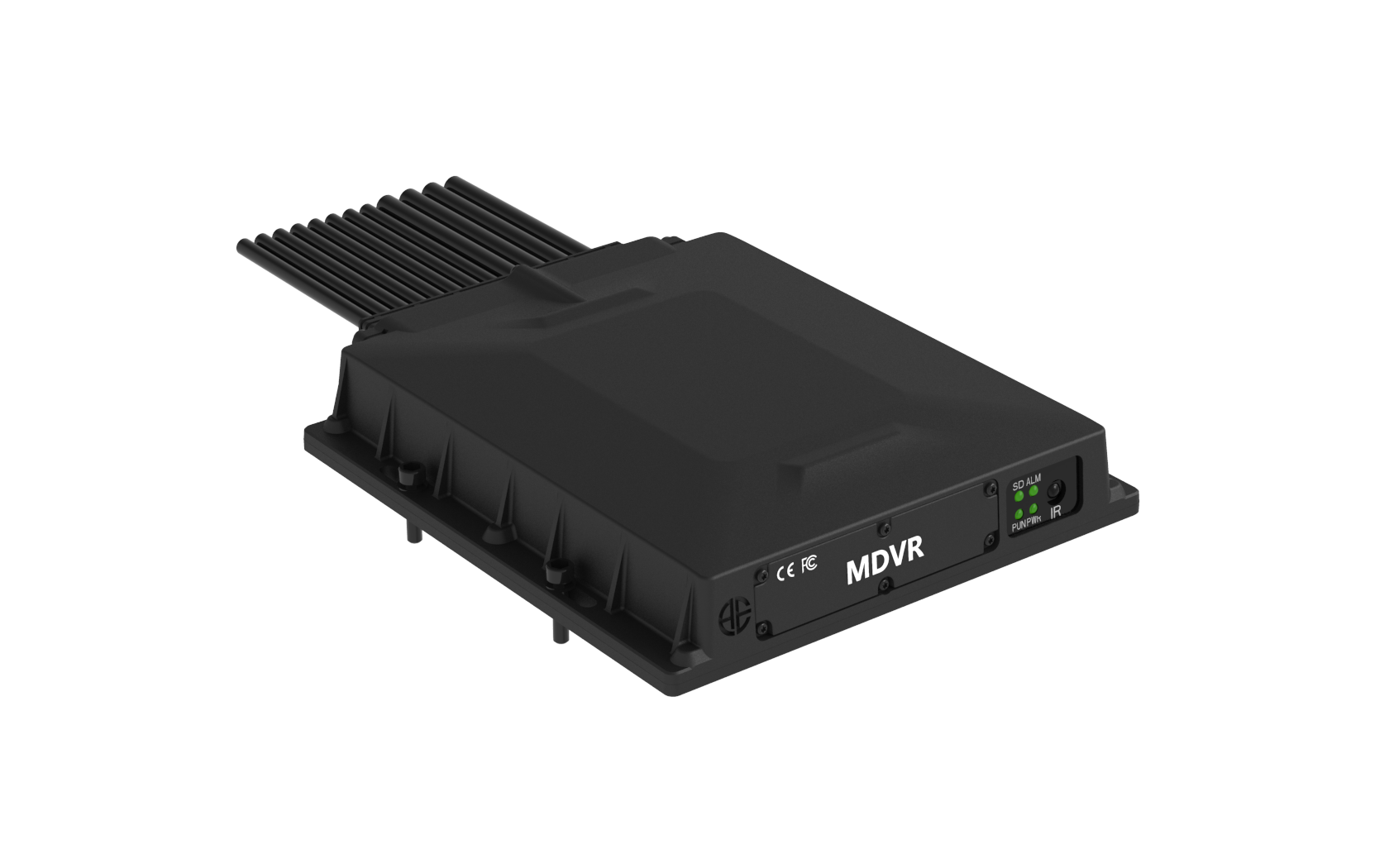
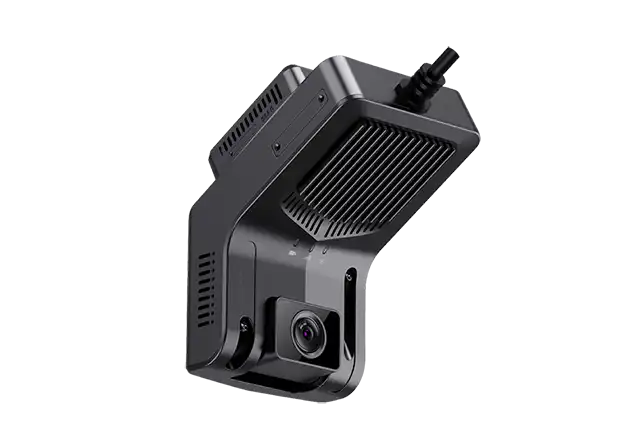
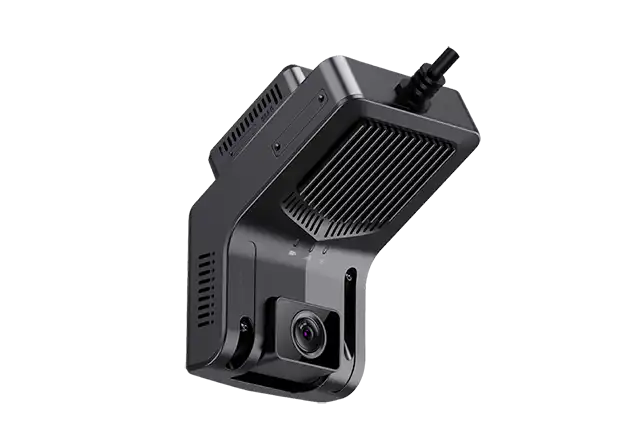
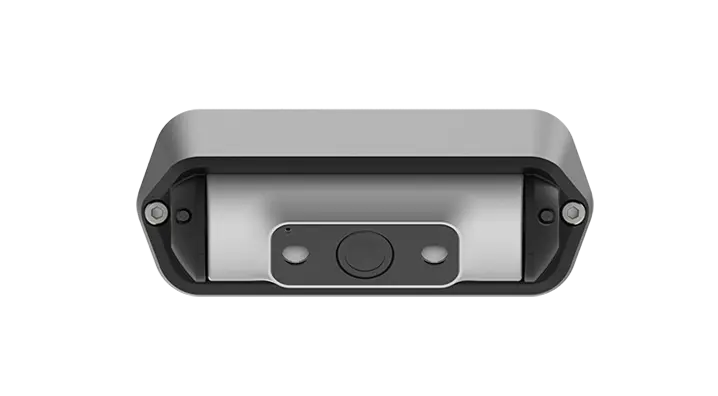
In recent years, AI Camera systems have become essential for enhancing road safety, especially in commercial vehicles. These intelligent vision solutions go far beyond traditional surveillance by leveraging artificial intelligence to actively analyze driving behavior, detect potential hazards, and ensure compliance with global safety regulations. From real-time pedestrian detection to lane-keeping alerts, the AI Camera is changing how we perceive and react to road conditions in real time.
In the commercial vehicle industry, where operational safety, efficiency, and liability are top concerns, AI Camera systems are now considered indispensable. This blog will explore everything you need to know about AI Camera technology—from its working principles and benefits to real-world applications and future potential.
Understanding AI Camera Technology in Commercial Vehicles
What is an AI Camera?
An AI Camera is a smart imaging system that incorporates artificial intelligence to identify, interpret, and react to visual data. Unlike traditional cameras that simply record video, AI Cameras in commercial vehicles analyze footage in real time to detect behaviors, monitor surroundings, and assist drivers in making safer decisions.
They’re typically integrated with vehicle systems and use machine learning algorithms to recognize road signs, pedestrians, vehicles, lane markings, and more. The AI Camera can trigger automatic alerts or corrective actions based on this data—making it more than just a passive observer.
Why AI Cameras are a Must-Have for Commercial Vehicles
1. Enhanced Safety in Real Time
AI Camera systems significantly improve safety by actively monitoring the environment around the vehicle. They help eliminate human error, one of the most common causes of road accidents. Features like Forward Collision Warning (FCW), Pedestrian Detection, Blind Spot Monitoring, and Lane Departure Warnings all work together to keep the driver aware and responsive.
2. Blind Spot Detection and Elimination
Blind spots are a major concern for trucks and other large commercial vehicles. AI Cameras are strategically placed around the vehicle to provide 360° visibility and actively monitor these blind zones. Real-time alerts help prevent side-swipe accidents during lane changes or turns, reducing risks for both drivers and pedestrians.
3. Driver Behavior Analysis
AI Cameras are not just focused on external environments. They also monitor driver behavior inside the cabin. If the system detects signs of fatigue, distraction, phone usage, or smoking, it can instantly alert the driver and fleet manager. This not only enhances safety but also promotes better driver habits over time.
Applications of AI Cameras in Fleet Management
1. Logistics and Freight Transportation
AI Cameras help freight companies track vehicle movement, reduce theft risk, and ensure adherence to safety regulations. Integrated with telematics, these systems offer insights into route optimization and delivery efficiency.
2. Public Transportation
In buses, AI Cameras detect pedestrian proximity, especially at stops, to prevent accidents. They also help monitor driver focus and ensure compliance with driving protocols.
3. Hazardous Goods Transport
When transporting hazardous materials, safety is paramount. AI Camera systems provide early warnings for collision risks and monitor secure vehicle handling, minimizing the chances of high-risk accidents.
4. Waste Management Vehicles
AI Cameras monitor surroundings during reversing and automated loading, preventing accidents in residential areas. Pedestrian and cyclist detection is particularly valuable in urban operations.
AI Camera vs Traditional Camera Systems
|
Feature
|
Traditional Camera
|
AI Camera
|
|
Real-time Analysis
|
❌
|
✅
|
|
Object Detection
|
❌
|
✅
|
|
Driver Monitoring
|
❌
|
✅
|
|
Behavior Alerts
|
❌
|
✅
|
|
Automated Actions
|
❌
|
✅
|
|
Regulation Compliance
|
Limited
|
High
|
Key Components of an AI Camera System
- HD Wide-Angle Cameras: Provide a clear and broad view of surroundings.
- AI Processing Unit: Analyzes visual data in real time.
- DMS (Driver Monitoring System): Detects fatigue, distraction, and other risky behaviors.
- ADAS (Advanced Driver Assistance Systems): Provides collision avoidance and lane assistance.
- Cloud Integration: Enables remote video storage, alert logging, and fleet-wide monitoring.
Benefits of AI Cameras for Fleet Owners
Reduced Liability and Insurance Claims
Footage and alerts generated by AI Cameras provide solid evidence in case of accidents. This can drastically reduce false claims and help exonerate drivers when they are not at fault.
Improved Fleet Efficiency
By monitoring routes, driver behavior, and real-time performance, fleet managers can make data-driven decisions to improve delivery times, fuel consumption, and vehicle usage.
Regulatory Compliance
AI Cameras help meet regional safety requirements such as the EU General Safety Regulation (GSR), London’s DVS (Direct Vision Standard), and more. Features like MOIS (Moving Off Information System) and BSIS (Blind Spot Information System) are increasingly required in global markets.
Challenges and Considerations
Installation and Calibration
While AI Camera systems offer immense value, they require professional installation and accurate calibration to function properly. Incorrect alignment or settings can reduce detection accuracy.
Data Privacy
With cameras monitoring both the vehicle's surroundings and driver behavior, data privacy must be handled responsibly. Fleet operators need to ensure compliance with GDPR or other regional data protection laws.
The Future of AI Camera Technology
The future of AI Camera technology in commercial vehicles lies in deeper integration with autonomous systems. With developments in sensor fusion (combining radar, LiDAR, and cameras), AI vision will become the core of autonomous fleet operations. Predictive maintenance, real-time analytics, and AI-driven route planning will also be enhanced by intelligent imaging systems.
In the coming years, we can expect AI Camera systems to become standard in all new commercial vehicles—driving not only safety improvements but also sustainability, efficiency, and profitability.
Conclusion
The rise of AI Camera systems marks a transformative era in commercial vehicle safety and fleet management. From enhancing driver awareness to preventing accidents and streamlining operations, these intelligent cameras are no longer optional—they’re essential.
With regulations tightening and technology advancing, adopting AI Camera solutions ensures your fleet stays ahead in safety, compliance, and competitive edge. The road ahead is smarter—and safer—with AI vision leading the way.