UN Regulation R151/R159/R158
View More









The market for AI dashcam fleet management Latin America is entering a new stage of development. Commercial fleets are moving beyond basic cameras that simply record the road and store video on an SD card. Increasingly, fleet operators want connected systems that combine road-facing cameras, driver-facing cameras, artificial intelligence, GPS, mobile connectivity, event-based video uploads, driver coaching, remote device management, and fleet-management software.
This shift is creating opportunities for dashcam manufacturers, telematics providers, systems integrators, mobile network operators, insurance partners, and regional distributors. However, Latin America should not be treated as one uniform market. Brazil, Mexico, Chile, Colombia, Peru, Argentina, and Central America differ significantly in fleet structure, language, purchasing power, connectivity, privacy requirements, import procedures, installation networks, and customer expectations.
Success in AI dashcam fleet management Latin America therefore requires more than offering competitively priced hardware. Suppliers must understand how regional fleets operate, which risks buyers are attempting to control, how video will be transmitted and stored, and who will install and support the system after deployment.
Several structural factors are supporting the development of connected fleet-camera solutions across the region.
First, road transportation is central to the Latin American economy. The World Bank has estimated that nearly 75% of domestic freight in Latin America and the Caribbean is transported by truck. This dependence on road freight means that collision risk, driver behavior, vehicle downtime, cargo disruption, and insurance claims directly affect supply-chain performance.
Second, fleet digitalization is already well established. GPS tracking, route monitoring, geofencing, fuel management, vehicle diagnostics, anti-theft systems, and dispatch applications have been used across Latin America for years. The next logical step is to connect visual evidence with existing vehicle and operational data.
Berg Insight forecasts that the installed base of fleet-management systems in Latin America will reach approximately 20.6 million units by 2030. This expanding base gives video-telematics providers a large potential market of fleets that already understand connected-vehicle services and may be ready to add camera-based safety functions.
Third, road safety remains a serious concern. The World Health Organization reports that road crashes cause approximately 1.19 million deaths globally each year, while pedestrians, cyclists, and motorcyclists account for more than half of road fatalities. These vulnerable road users are especially important in Latin American cities, where commercial vehicles frequently operate in dense traffic alongside motorcycles, bicycles, and pedestrians.
For fleet operators, road safety is not only a social responsibility. Every serious incident may create vehicle repair costs, delivery delays, cargo losses, insurance claims, legal disputes, driver absence, customer dissatisfaction, and reputational damage. These financial consequences are accelerating interest in AI dashcam fleet management Latin America as a preventive and operational tool.
Traditional dashcams are designed primarily to answer one question: What happened?
AI-enabled fleet-camera systems are designed to answer a broader set of questions:
A basic dashcam records continuous video. A connected AI dashcam can identify a selected safety event, save the relevant footage, classify the event, upload a short clip, associate it with a vehicle or driver, and notify the fleet manager.
For example, a telematics device may report that a vehicle experienced harsh braking at 14:35. Without video, the manager does not know whether the driver was speeding, following too closely, avoiding a pedestrian, responding to a motorcycle, or reacting correctly to an unexpected road hazard.
Video provides the context needed to distinguish unsafe behavior from defensive driving. This is one of the strongest commercial arguments for AI dashcam fleet management Latin America.
The most valuable systems do not simply generate more alerts. They help fleet managers prioritize risk. A useful platform should separate severe events from minor ones, identify repeated behavior, support coaching records, track corrective actions, and show whether driver performance improves over time.
Artificial intelligence allows the camera to analyze selected road and cabin conditions in real time. Depending on the product configuration, an AI dashcam may detect:
However, the number of AI functions should not be the only purchasing criterion. Accuracy, consistency, calibration, and configurability are more important than a long feature list.
A system that generates too many false alerts can create three problems. Drivers may stop responding to in-cab warnings, managers may become overwhelmed by excessive video events, and the entire safety program may lose credibility.
Latin American road conditions also differ from the environments in which many AI models were originally trained. Lane markings may be faded or inconsistent. Motorcycles may travel between lanes. Roads may include speed bumps, irregular surfaces, unmarked junctions, informal parking, roadside vendors, or dense pedestrian activity.
Consequently, suppliers should validate algorithms under local operating conditions. A successful AI dashcam fleet management Latin America deployment may require different sensitivity settings for a city delivery van, a highway truck, a bus, a mining vehicle, or a construction fleet.
Connected dashcams benefit from the continuing development of mobile networks across Latin America. GSMA reported that mobile technologies and services generated approximately $600 billion for the Latin American economy in 2025, equal to 8.6% of regional GDP. GSMA also projects that 5G will represent approximately 50% of mobile connections in the region by 2030.
This connectivity growth supports cloud-based video telematics, remote device management, over-the-air updates, and real-time event notifications. Nevertheless, fleet-camera systems should not assume that every vehicle will always have stable, high-speed coverage.
Commercial vehicles may operate in rural areas, mining regions, agricultural zones, mountain corridors, border routes, and remote construction sites. Network quality and mobile-data costs may also vary between countries and operators.
For these reasons, an effective AI dashcam fleet management Latin America solution should use an edge-first architecture. The device should record locally, process AI events inside the vehicle, and upload only the most relevant footage unless the fleet manager requests additional video.
A practical system should support store-and-forward transmission. When connectivity is unavailable, events remain securely stored. Once the connection returns, critical clips are uploaded according to priority.
Other important connectivity functions include dual-SIM support, configurable video quality, data-usage limits, remote video requests, event-upload prioritization, GPS synchronization, local storage monitoring, and remote diagnosis of offline devices.
Continuous live streaming may be valuable for selected high-security operations, but it is usually unnecessary for every vehicle. Event-based uploading is more economical and scalable for most fleets.
Brazil should be treated as a priority market because of its scale, extensive road transportation activity, major cities, regional logistics networks, agribusiness, passenger transport, construction, mining, rental operations, and service fleets.
The opportunity is broad, but market entry requires extensive localization. A supplier should be prepared to provide Portuguese-language software, installation documentation, sales materials, technical training, and customer support.
Local channel partnerships are particularly important. Brazil is geographically large, and nationwide deployment may require multiple installation and service partners. A fleet with vehicles operating in São Paulo, Paraná, Minas Gerais, Bahia, Goiás, and Rio Grande do Sul may expect consistent installation quality and warranty support across all locations.
Connected products that use cellular, Wi-Fi, Bluetooth, or other telecommunications interfaces may require certification and homologation from Brazil’s National Telecommunications Agency, Anatel. Anatel states that telecommunications products must be certified and homologated before they can be used or commercialized in Brazil. The agency also specifies that short-range devices, including products using Wi-Fi, must meet the applicable certification requirements.
Suppliers entering AI dashcam fleet management Latin America should therefore verify the approval status of the complete Brazilian product configuration. Changing a wireless module, antenna, modem, or communication design may affect the certification strategy, so certification planning should begin before mass production or commercial launch.
Brazil’s General Personal Data Protection Law, known as LGPD, must also be considered when video, audio, driver identity, vehicle information, and location data can be connected to an identifiable person. The official English version of the LGPD is published by Brazil’s National Data Protection Authority.
A fleet-camera platform should support role-based access, encryption, configurable retention periods, user logs, secure deletion, privacy notices, and clearly defined responsibilities between the fleet operator, technology provider, cloud provider, and other service partners.
Mexico represents another major opportunity. The market includes long-haul trucking, domestic distribution, automotive supply chains, export manufacturing, last-mile delivery, passenger transportation, leasing, and service fleets.
For large transport companies, cross-border operations can make video evidence especially valuable. Fleet operators may need to investigate incidents across long routes, coordinate with customers and insurers, and manage vehicles from multiple terminals.
Mexico can also serve as a practical entry point for Spanish-language AI dashcam fleet management Latin America solutions. Suppliers that already support North American fleet platforms may be able to extend their technology into Mexican operations, but the product and service model must still be localized.
Smaller and medium-sized Mexican fleets may be highly price-sensitive. They may prefer a straightforward dual-camera system, an affordable monthly service fee, local installation, and simple event reporting rather than a complex enterprise platform.
Large fleets, by comparison, may request APIs, single sign-on, multi-branch administration, centralized safety dashboards, driver identification, integration with transportation-management software, and formal cybersecurity documentation.
Hardware must also withstand high temperatures, vibration, long driving hours, voltage fluctuations, dust, and variable mobile coverage. Products designed primarily for private passenger cars may not provide the reliability expected in commercial trucks.
Chile is smaller than Brazil or Mexico in fleet volume, but it can be attractive for technically advanced solutions. Mining, utilities, logistics, passenger transport, construction, and industrial fleets may require reliable hardware, structured reporting, professional installation, and responsive support.
Mining and industrial vehicles can create particularly demanding operating conditions. Cameras may need to withstand vibration, dust, temperature variation, long operating cycles, low-light environments, and weak connectivity.
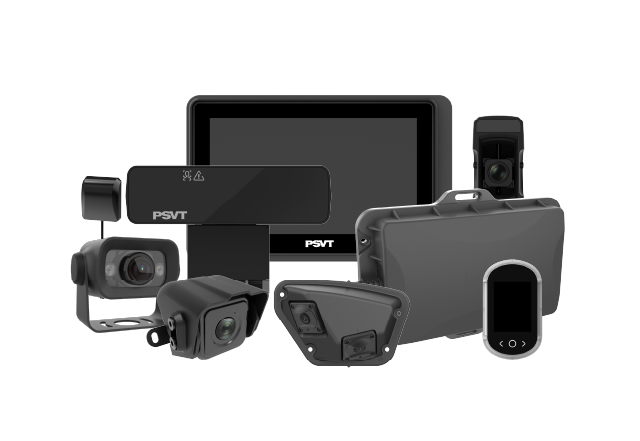
In this segment, the buying decision is rarely based on the camera alone. Customers may evaluate the complete system, including rugged external cameras, mobile DVRs, driver monitoring, event uploads, device-health reporting, installation standards, spare-parts availability, and support response times.
For premium AI dashcam fleet management Latin America projects, suppliers should be prepared to conduct technical trials, produce formal test reports, document system architecture, and support customer-specific integration.
Colombia offers opportunities across urban logistics, trucking, passenger transportation, energy, construction, and service fleets. Dense urban traffic and extensive motorcycle activity make visual coverage particularly valuable.
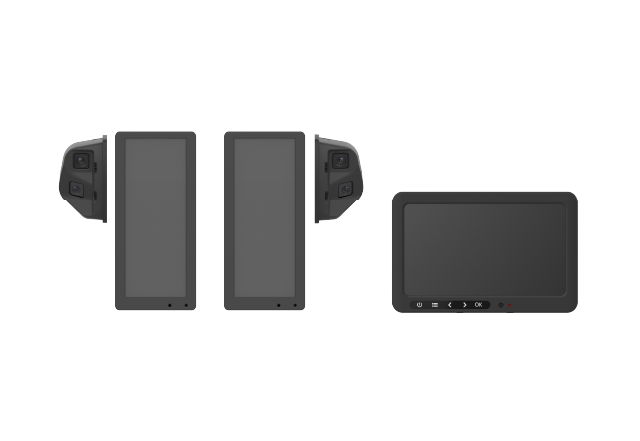
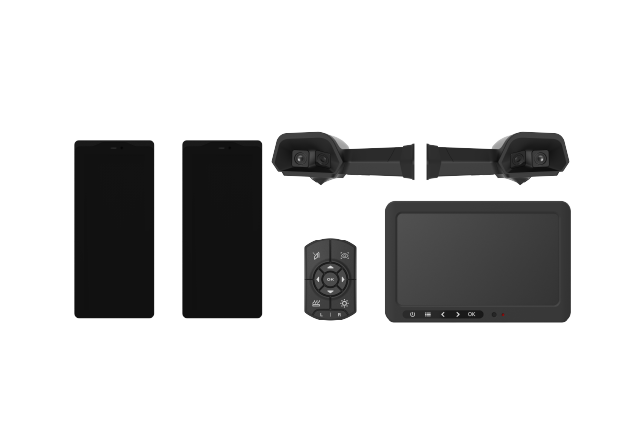
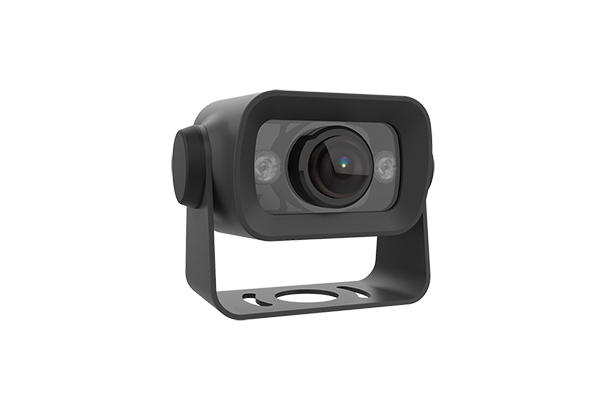
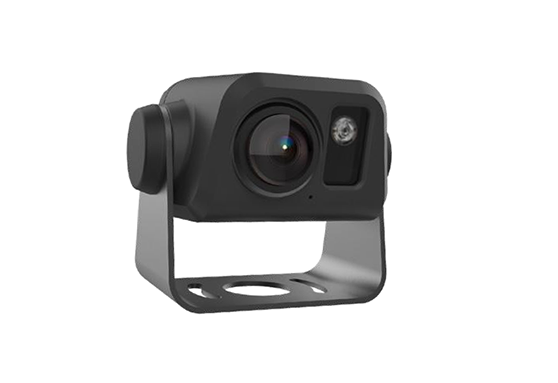
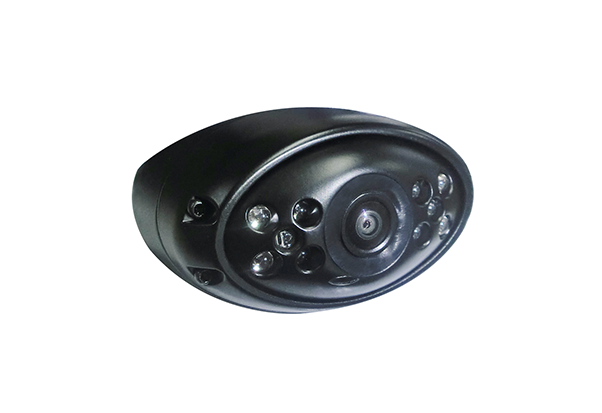
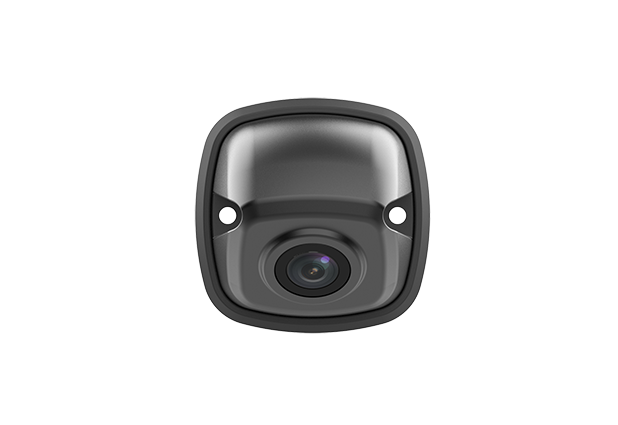
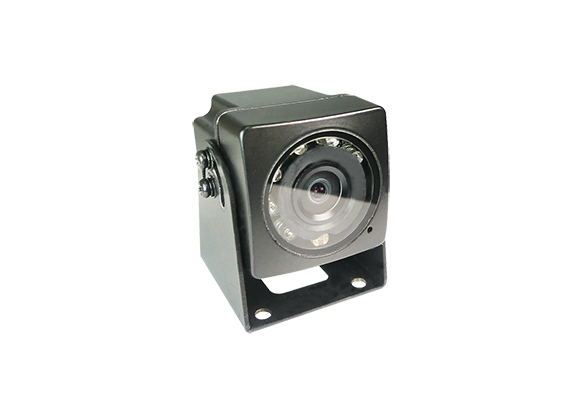
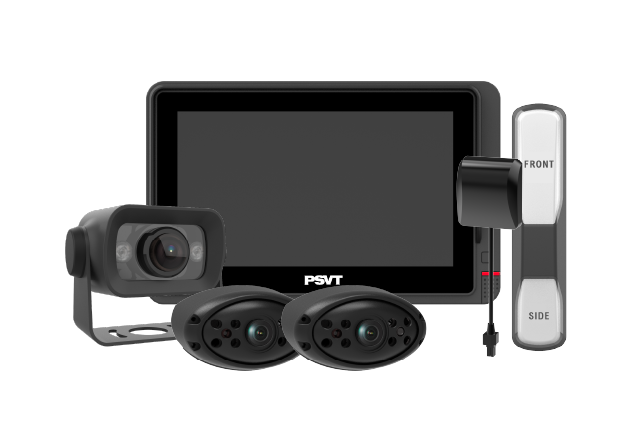
A road-facing and driver-facing dashcam may be sufficient for some fleets. Other vehicles may require side cameras, rear cameras, cargo-area cameras, or a full mobile DVR system.
Urban delivery fleets may focus on pedestrian risk, motorcycle interaction, unsafe following distance, distraction, and accident evidence. Intercity fleets may place greater emphasis on fatigue, route risk, security, and continuous vehicle operation.
Local installation and support will be important. Camera positioning, AI calibration, power connection, SIM activation, and platform configuration can significantly affect system performance.
Peru presents opportunities in mining, construction, logistics, bus transportation, and commercial services. Rugged multi-camera systems may be more suitable than conventional consumer dashcams for heavy-duty applications.
Argentina has an established fleet and technology market, although suppliers may need to manage currency movements, import procedures, changing landed costs, and customer sensitivity to long-term subscription prices.
Central American countries are smaller individually, but regional distributors and cross-border logistics companies can create multi-country opportunities. A single partner may serve Guatemala, Costa Rica, Panama, Honduras, El Salvador, or neighboring markets.
A scalable platform should therefore support multiple countries, multiple currencies, Spanish-language administration, regional roaming, separate customer accounts, and flexible data-hosting arrangements.
Fleet buyers often begin by comparing resolution, storage capacity, number of cameras, AI functions, and price. However, enterprise purchasing decisions quickly become more complex.
The main requirements usually fall into six categories.
A 1080p, 2K, or 4K specification does not automatically guarantee useful evidence. Fleets need footage that remains clear in strong sunlight, shadow, rain, low light, tunnels, and night driving.
Important capabilities include wide dynamic range, low-light performance, stable frame rates, accurate timestamps, GPS synchronization, secure event files, and protection against sudden power loss.
The camera should allow managers to identify relevant road users, traffic conditions, vehicle movement, and incident sequences. Resolution is important, but image-processing quality can be equally decisive.
Commercial vehicles operate longer hours and experience more vibration than most passenger cars. A fleet-grade system should therefore be designed for continuous operation, temperature variation, vehicle electrical environments, and long service life.
Depending on the application, buyers may request wide-voltage input, ignition-delay recording, low-voltage protection, supercapacitor backup, vibration resistance, aviation-style connectors, tamper-resistant installation, and waterproof external cameras.
AI settings should be adaptable by vehicle type, speed, route, and risk policy. A city bus should not necessarily use the same thresholds as a highway truck or mining vehicle.
Fleet managers may also want separate configurations for new drivers, high-risk drivers, specific depots, or particular vehicle classes.
The success of AI dashcam fleet management Latin America depends on whether the system identifies genuinely coachable behavior without overwhelming drivers and managers with irrelevant events.
Fleet managers should not have to search manually through hours of footage. The platform should support vehicle search, driver search, event filtering, severity ranking, location mapping, time-based retrieval, and remote video requests.
Device-health monitoring is equally important. The system should report when a camera is blocked, disconnected, misaligned, offline, or unable to record.
Without device-health visibility, a fleet may discover only after an accident that the camera had stopped working several weeks earlier.
Many customers already use telematics, dispatch, insurance, transportation-management, or enterprise software. A video system that operates as an isolated platform can increase workload.
APIs, SDKs, webhooks, event links, driver identifiers, and standardized data exchange allow the camera solution to become part of the customer’s existing workflow.
For telematics providers, integration may be the most important product requirement. They may want to add video functions under their own brand without replacing their current tracking platform.
Installation quality often determines project success. An incorrectly positioned camera, weak power connection, inactive SIM card, incomplete calibration, or poorly configured alert threshold can undermine the entire deployment.
Suppliers should therefore provide installation training, calibration tools, remote technical support, replacement procedures, warranty management, spare-parts planning, and clear escalation channels.
Driver-facing cameras can produce significant resistance when employees believe the system is designed for constant surveillance or punishment.
Fleet operators should clearly explain why cameras are being introduced, which events are monitored, when footage is uploaded, who can access it, how long it is retained, and how it will be used.
A transparent policy can position the system as a driver-protection and coaching tool. Video may protect a driver against an inaccurate third-party claim, demonstrate that the driver responded correctly to a road hazard, or provide evidence that another vehicle caused the incident.
Responsible AI dashcam fleet management Latin America deployment should also avoid collecting unnecessary information. Not every fleet needs audio recording, facial recognition, biometric identification, or continuous cabin-video uploading.
Privacy-supporting functions may include:
Privacy laws vary by country, and labor agreements or company policies may create additional obligations. Technology providers should provide configurable tools and documentation, while fleet customers should seek appropriate local legal guidance for their specific operations.
The strongest sales proposal connects technology to measurable operational results.
Instead of presenting only hardware features, suppliers should explain how the solution may help the customer:
A professional return-on-investment model should include more than accident reduction. It can also include claims-handling time, legal expenses, administrative workload, vehicle downtime, customer penalties, cargo losses, insurance deductibles, and driver-training costs.
A fleet may experience relatively few serious collisions, but even one disputed or high-cost incident can materially affect the financial result of the program.
The most effective approach to AI dashcam fleet management Latin America is usually partnership-led.
Local telematics companies already have customer relationships, SIM agreements, installation networks, technical personnel, billing systems, and knowledge of local purchasing practices. A dashcam manufacturer can provide hardware, embedded AI, device-management technology, APIs, and cloud services, while the regional partner manages installation, connectivity, customer support, and account management.
Other potential partners include mobile network operators, insurance brokers, leasing companies, vehicle dealers, truck-body builders, fleet-management platforms, security companies, and systems integrators.
A strong channel program should include demonstration units, Spanish and Portuguese documentation, installation certification, software training, API support, marketing materials, project registration, spare-parts planning, and clear warranty procedures.
Partners should also have an opportunity to generate recurring revenue. Monthly software subscriptions, connectivity packages, cloud storage, managed video review, driver-coaching services, and extended warranties can create stronger incentives than one-time hardware sales.
Fleet customers may hesitate to deploy cameras across hundreds or thousands of vehicles without operational evidence. A structured pilot can reduce that uncertainty.
A pilot should begin with clear objectives. The supplier and fleet should agree on which problems the project is expected to address, such as distraction, fatigue, unsafe following distance, collision verification, cargo monitoring, or excessive video-review time.
The pilot should include representative vehicles and routes. Testing only a few vehicles operating near the customer’s headquarters may not reveal the connectivity, vibration, temperature, and road conditions experienced by the broader fleet.
A successful AI dashcam fleet management Latin America pilot should evaluate:
The pilot should also establish baseline data before installation. Without a baseline, it is difficult to demonstrate improvement.
A 30- to 90-day trial may be sufficient for operational evaluation, although the appropriate period depends on fleet size, mileage, route type, and incident frequency.
One product will not meet every fleet requirement. Suppliers should create a modular portfolio.
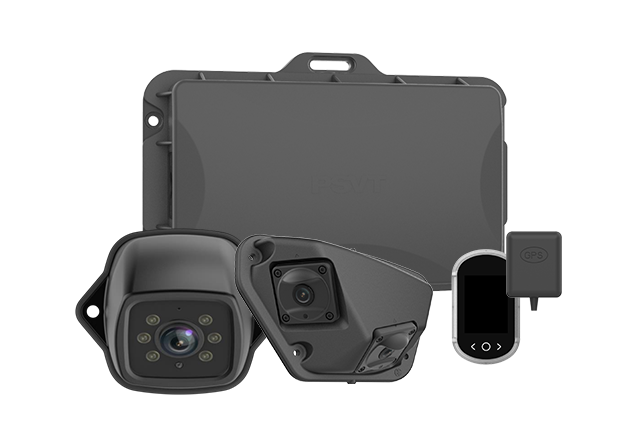
An entry-level package may include a connected road-facing camera, GPS, local storage, and event uploads. This package may appeal to smaller service fleets that primarily need accident evidence.
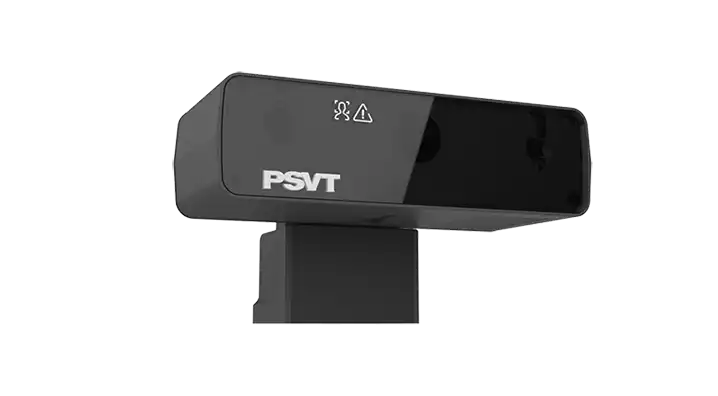
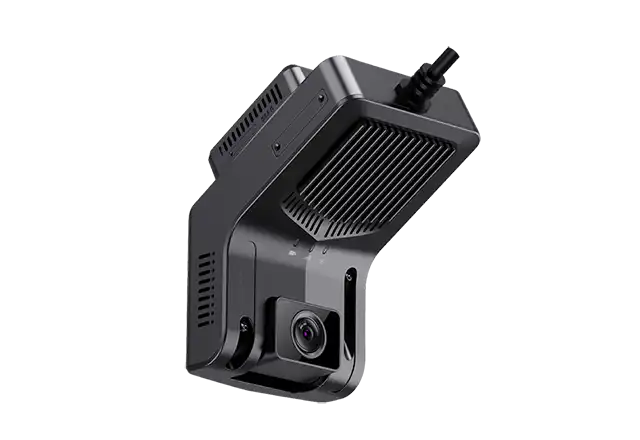
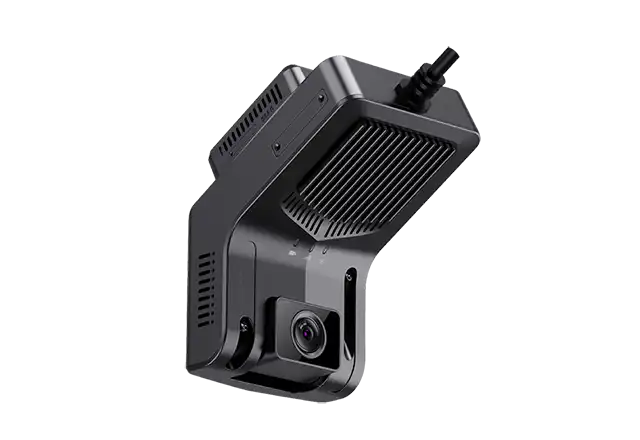
A dual-facing package may add a driver-facing camera and selected ADAS or driver-monitoring functions. This configuration can support trucking, distribution, bus, and delivery fleets.
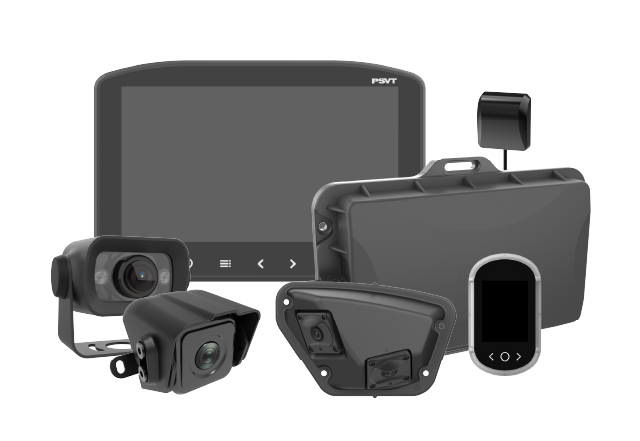
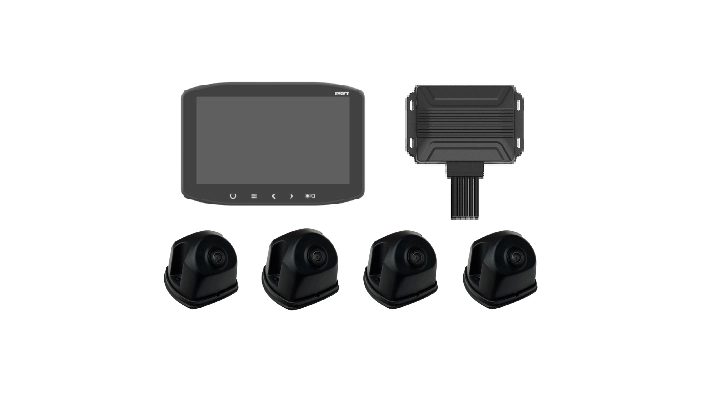
A four-channel package may add side, rear, or cargo cameras for commercial vehicles with broader visibility requirements.
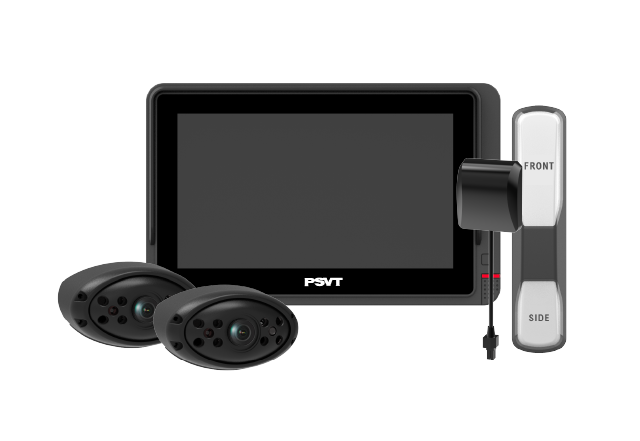
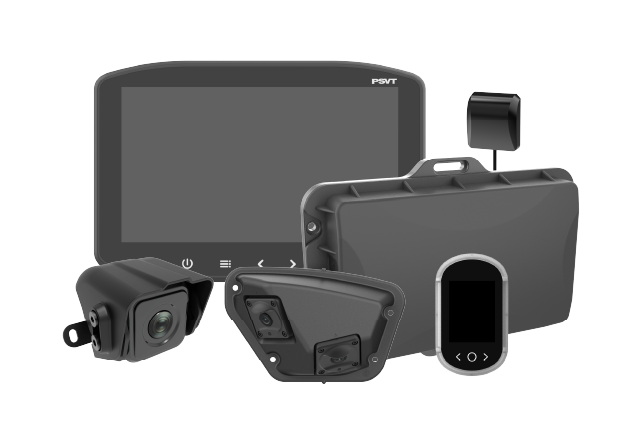
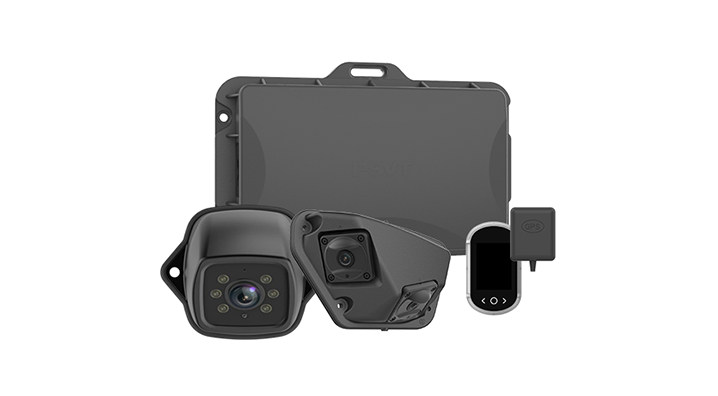
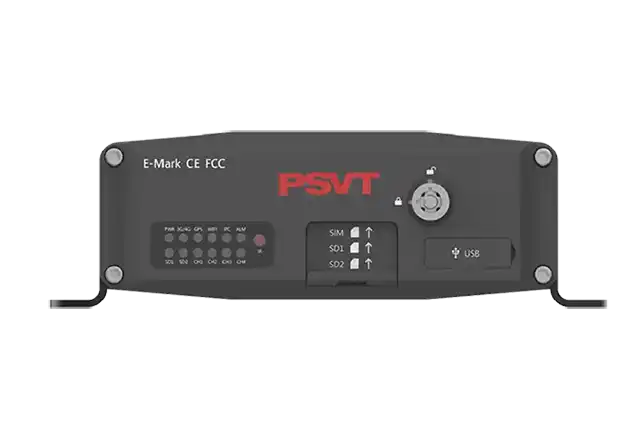
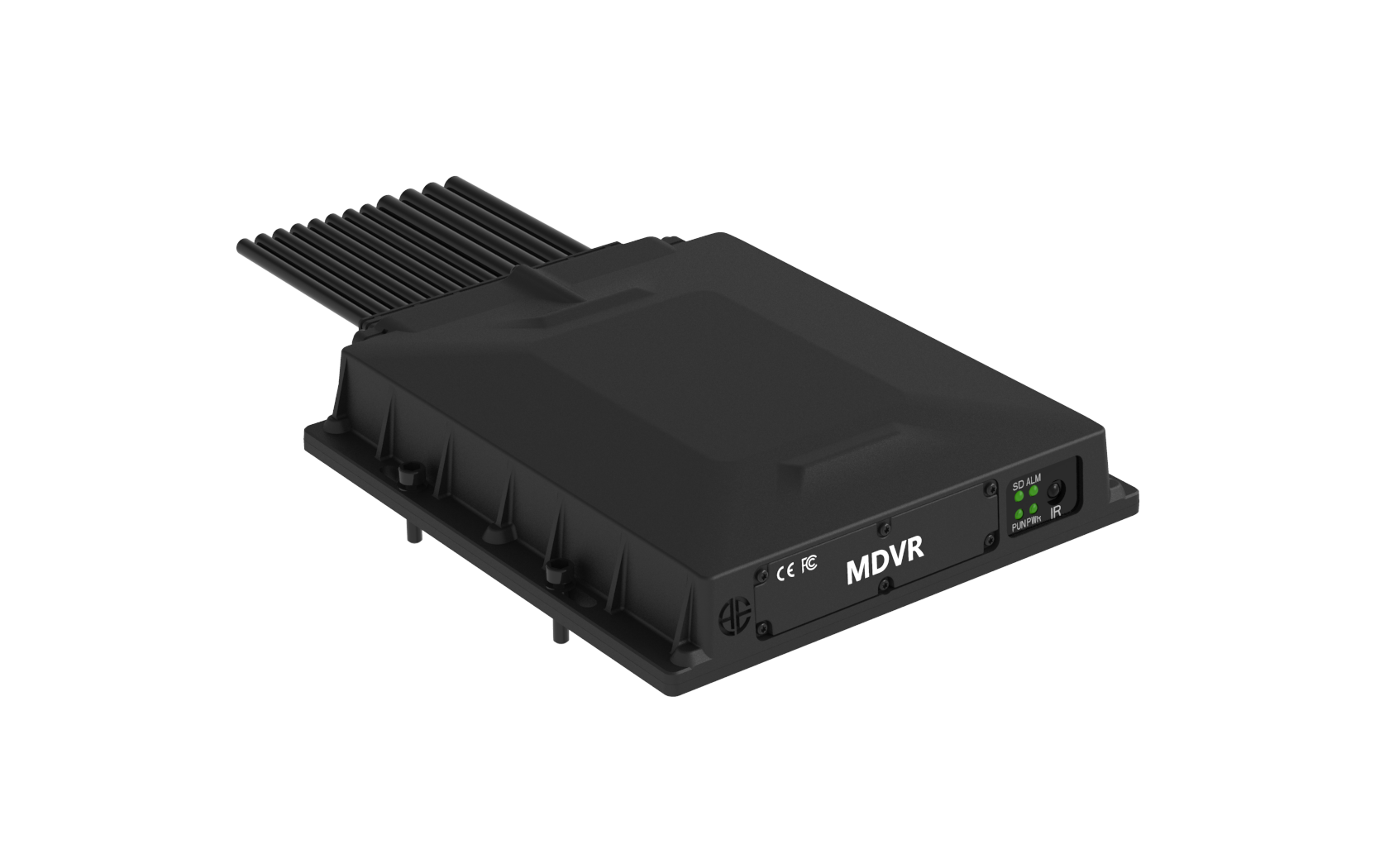
A premium mobile DVR package may support multiple external cameras, larger storage, vehicle signals, driver identification, remote video access, and integration with a control center.
This tiered structure allows customers to begin with a manageable investment and expand as their safety program develops.
Low-cost dashcams are widely available, so sustainable differentiation cannot depend only on camera resolution or hardware price.
Strong suppliers will differentiate through the complete operating system surrounding the device.
The most defensible advantages include:
For many buyers, device-health management will become increasingly important. Fleets need to know whether each camera is recording, correctly positioned, connected, and running the approved firmware.
Cybersecurity will also receive greater attention. Enterprise customers may ask about encryption, authentication, access control, firmware signing, vulnerability management, cloud architecture, and incident-response procedures.
Suppliers that address these questions early will be better positioned to win larger and longer-term AI dashcam fleet management Latin America contracts.
The market is likely to develop through three overlapping stages.
The first stage is video evidence. Fleets install cameras to record collisions, cargo incidents, theft, vandalism, and disputed claims.
The second stage is risk prevention. AI classifies unsafe behavior, provides in-cab alerts, creates driver-risk profiles, and supports targeted coaching.
The third stage is integrated fleet intelligence. Video events are combined with vehicle diagnostics, route data, cargo information, insurance processes, dispatch records, and customer-service systems.
As AI dashcam fleet management Latin America matures, fleet buyers will expect fewer isolated alerts and more decision-ready insights. Platforms will need to identify patterns, rank risks, compare operating locations, recommend coaching actions, and automate incident workflows.
Edge AI will remain essential for real-time detection and efficient data use. Cloud systems will provide fleet-wide analytics, user management, reporting, collaboration, and integration.
In the longer term, video data may also support predictive risk analysis. A platform could identify combinations of route, time, driver behavior, weather, traffic, and vehicle conditions that are associated with higher incident probability.
However, success will depend on responsible data use. Fleets will need to balance safety benefits with driver privacy, cybersecurity, retention policies, and transparent management procedures.
Latin America represents a significant but highly localized opportunity for fleet dashcam and video-telematics providers.
Road-safety concerns, expanding fleet digitalization, growing mobile connectivity, cargo-security needs, and demand for more efficient claims management are encouraging fleets to consider intelligent camera systems.
At the same time, the market presents substantial challenges. Price sensitivity, variable connectivity, regional regulations, privacy requirements, import procedures, installation quality, and after-sales support can determine whether a project succeeds or fails.
A winning strategy combines rugged hardware, accurate edge AI, efficient video transmission, open integration, privacy-supporting technology, local-language software, and dependable regional partners.
Companies that approach AI dashcam fleet management Latin America as a complete fleet-safety ecosystem—not simply a hardware sales opportunity—will be better positioned to build recurring revenue, long-term customer relationships, and sustainable market differentiation.
For fleet operators, the key question is no longer whether a camera can record an accident. The more important question is whether the complete system can help prevent risk, protect drivers, resolve incidents, reduce operating losses, and improve fleet performance at scale.