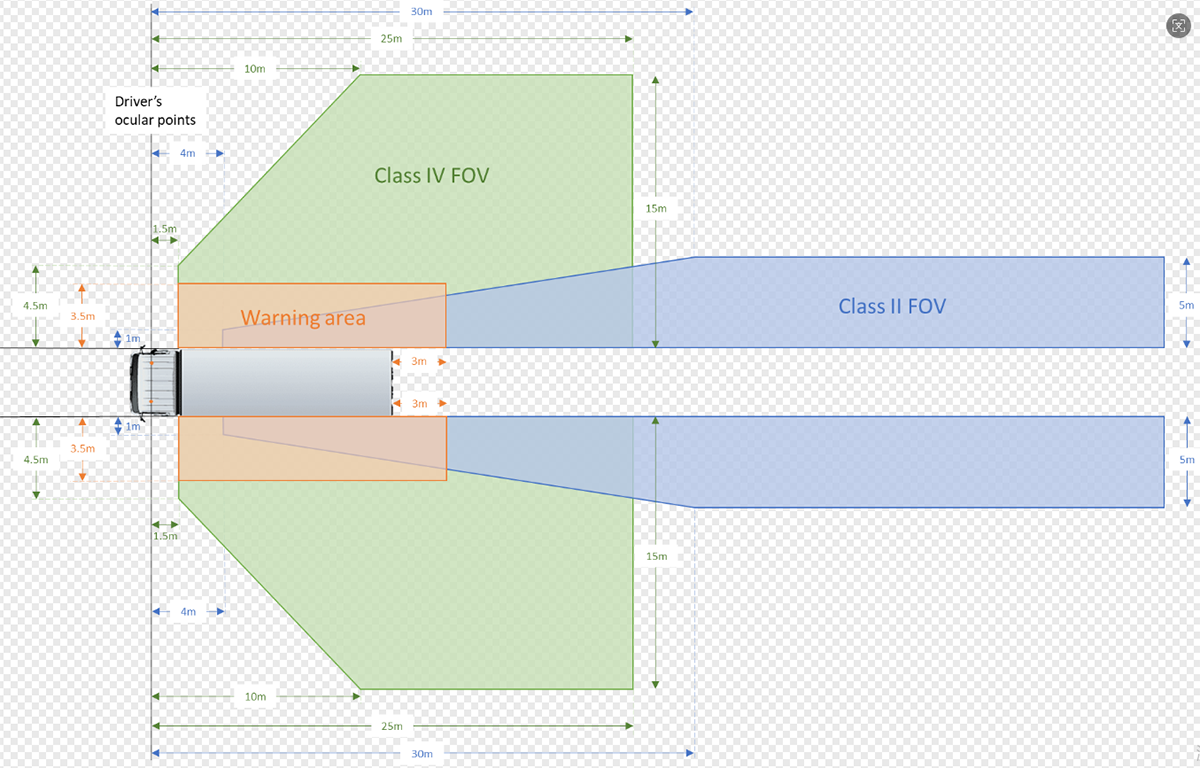
UN Regulation R151/R159/R158
View More








With the rapid development of transportation technology, the safety of vehicle fleets is becoming increasingly important. Transportation companies are not only tasked with delivering goods but also with ensuring driver safety and maintaining operational efficiency. With an increase in road incidents and the mounting pressures of regulatory compliance, fleet managers are on the lookout for innovative solutions that not only protect their drivers but also safeguard their bottom line. As a response to these challenges, fleet camera monitor systems have emerged as a game-changer in the quest for enhanced safety.
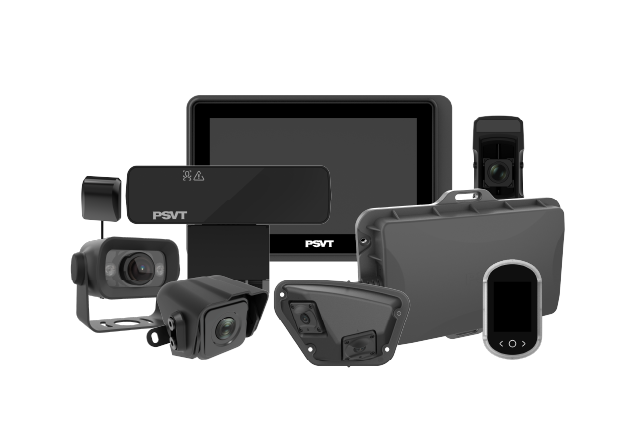
These advanced truck camera monitor systems serve as vigilant eyes on the road, meticulously capturing crucial data that can lead to significant accident reduction. From dash cams that document every mile to interior cameras that monitor driver behavior, the capabilities of truck camera monitor kits are transforming the safety landscape in logistics. By integrating these technologies into fleet operations, companies gain invaluable insights that allow for proactive measures to be taken, paving the way for safer and more efficient journeys. As we delve deeper into the world of fleet camera systems, this article will explore how they are reshaping the future of transportation safety and why investing in them is essential for every forward-thinking fleet manager.
In recent years, the transportation sector has seen a significant uptick in incidents and risks, underscoring the need for enhanced fleet safety measures. According to the National Highway Traffic Safety Administration (NHTSA), an estimated 36,000 fatalities occur annually due to motor vehicle crashes, many involving commercial fleets. This alarming statistic highlights not only the potential loss of life but also the impact on businesses forced to bear the costs of accidents ranging from damaged vehicles to rising insurance premiums. Fleet camera monitor systems have emerged as vital tools in mitigating these risks, enabling companies to track driving behavior and implement necessary safety protocols.
In addition to incidents, regulatory requirements are increasingly pushing transportation companies to adopt advanced safety measures. Federal mandates such as the Electronic Logging Device (ELD) rule are just one example of government efforts to improve safety and accountability in the fleet industry. There is a growing expectation for transportation businesses to be proactive in ensuring driver safety. Integrating technology like truck camera monitor systems allows companies to meet these regulatory standards while enhancing overall fleet safety. As compliance becomes more stringent, the emphasis on using tech-based solutions to fulfill these requirements will only grow.
The financial impact of accidents cannot be overstated. The average cost of a fleet accident can reach tens of thousands of dollars, encompassing everything from vehicle repairs to legal fees. In fact, a study showed that each fleet collision could cost companies an average of $16,000 in direct and indirect expenses. This underscores the urgent need for solutions like truck camera monitor kits that not only help prevent accidents but also serve as compelling evidence in disputes, potentially saving fleets from costly claims. By enhancing fleet management through the integration of these systems, companies can significantly lower their risk profile and, in turn, their overall operational costs.
With the growing importance of safety in a rapidly evolving landscape, it is clear that fleet camera monitor systems are no longer optional; they are essential for companies that prioritize their drivers’ well-being and operational efficiency. As the transportation industry continues to grapple with challenges, investing in technology to promote accountability and reduce reckless driving behaviors is a proactive step every fleet manager should consider.
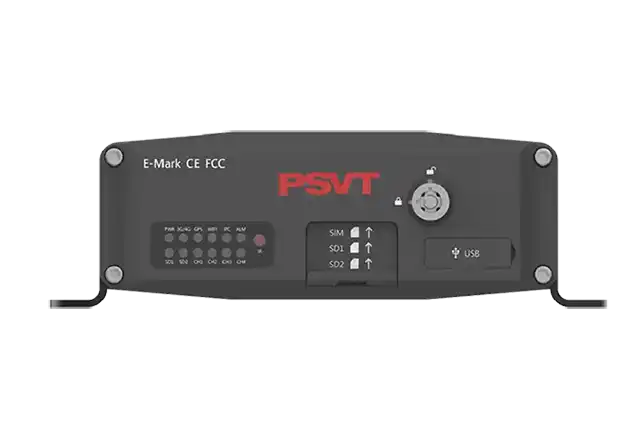
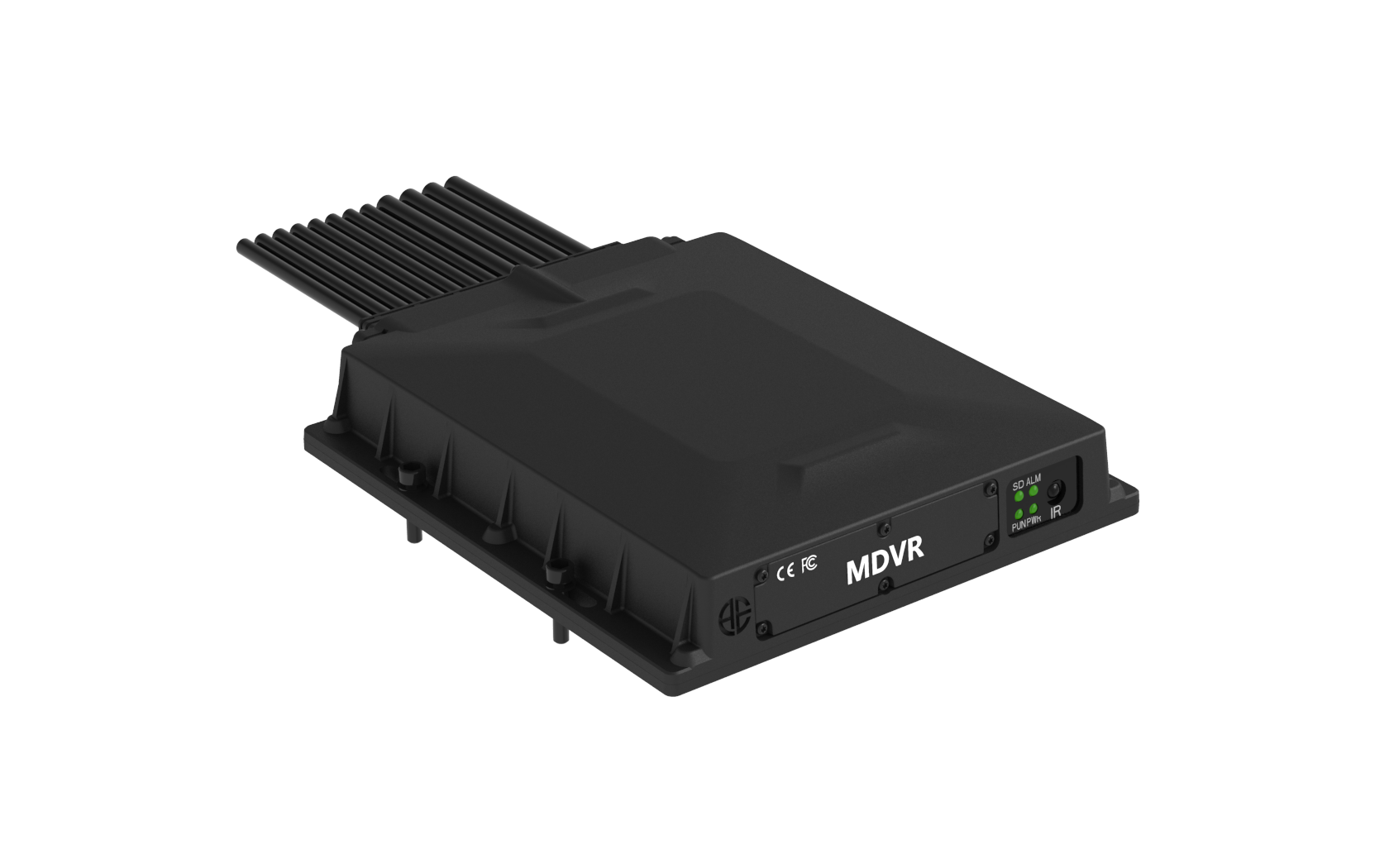
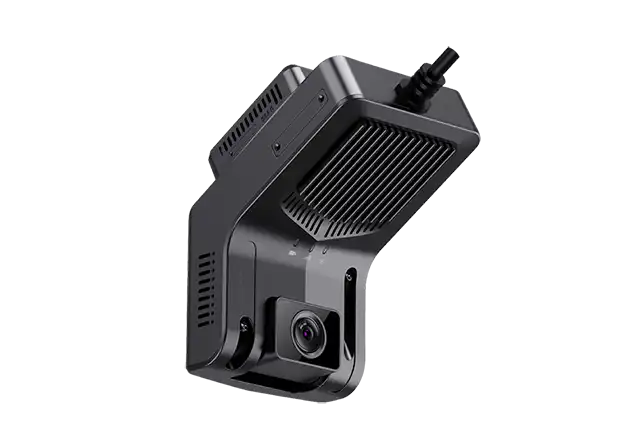
Fleet camera systems represent a significant leap in monitoring technology, integrating various types of cameras and sensor devices to enhance safety and efficiency in transportation. At their core, these systems employ high-resolution cameras strategically positioned on vehicles — commonly known as dash cams and interior cameras. Dash cams capture the road ahead and provide pivotal evidence in the event of an accident, while interior cameras monitor the driver's behavior, alertness, and overall condition. This dual approach ensures comprehensive coverage, allowing fleet managers to gain deeper insights into both vehicle and driver performance.
The functionality of these camera systems often extends beyond simple recording. Modern fleet cameras are equipped with features like AI-driven analysis and real-time feedback mechanisms. For instance, if a camera detects abrupt braking or rapid acceleration, it can instantly alert fleet managers, allowing for immediate intervention and coaching. This proactive approach not only addresses unsafe driving behaviors as they happen, but it also fosters a culture of accountability among drivers. By providing timely feedback, fleet operators can significantly reduce the likelihood of future incidents.
Integration with existing fleet management systems is another key aspect of how these camera systems operate. Most modern camera technologies can seamlessly connect with GPS tracking and telematics systems, creating a unified platform for monitoring performance. For example, if a vehicle is involved in a collision, the footage can be instantly reviewed alongside location data to provide context and clarity about the incident. This integration not only supports quicker claims processing but also offers valuable data for optimizing routes and improving operational efficiency.
Furthermore, as fleet managers increasingly rely on these sophisticated systems, the depth of data collected can lead to transformative insights. For instance, analyzing patterns in driving behavior over time can inform training modules, making driver education more relevant and actionable. By harnessing the power of fleet camera systems, transportation companies not only improve safety but also redefine their approach to fleet management, paving the way for a more secure and efficient road ahead.
The integration of fleet camera monitor systems into transportation operations is no longer just about safety; it's also a powerful tool for enhancing overall fleet management efficiency. With the ability to capture high-quality footage in real time, fleet operators can utilize this data for route optimization and performance reviews. For instance, by analyzing video footage, fleet managers can identify traffic patterns and road conditions that contribute to delays, enabling them to adjust routes proactively. This not only saves time but also reduces fuel consumption, leading to significant cost savings.
Moreover, real-time monitoring features in truck camera monitor systems facilitate immediate feedback on driver behavior. Fleet managers can observe driving patterns as they occur, addressing issues such as harsh braking or reckless acceleration through instant alerts. This immediate feedback loop is critical, as it allows for timely interventions that promote safer driving. For example, a logistics company might implement weekly reviews of camera footage to highlight both positive and negative driving behaviors, fostering a culture of accountability among drivers while also reinforcing best practices.
Additionally, fleet camera monitor kits play a crucial role in minimizing false claims and insurance fraud. In a world where disputes over accidents can lead to costly legal battles, having documented evidence can significantly clear misunderstandings. For instance, one trucking company reported a drop in fraudulent claims by over 30% after equipping their trucks with camera systems. The clarity provided by video evidence ensured that both their drivers and customers felt secure, knowing that any incidents would be fairly assessed. This not only protects the company financially but also enhances trust within their service relationships.
In summary, the strategic use of camera systems within fleet operations cultivates a more productive and efficient environment. By leveraging footage for route optimization, engaging in real-time monitoring, and mitigating fraudulent claims, transportation companies can enhance their operations significantly — leading to a safer and more cost-effective fleet. As these technologies continue to evolve, the potential for improved fleet efficiency will only grow, making investment in truck camera monitor systems not just beneficial, but essential for modern fleet management.
As technology rapidly evolves, the future of fleet safety is increasingly anchored in innovations that merge camera systems with advanced artificial intelligence (AI). Emerging fleet camera monitor systems now utilize AI algorithms to analyze real-time footage, identifying risky behaviors such as distracted driving or harsh braking. These systems don’t just record incidents; they provide actionable insights that can help fleet managers proactively address safety concerns. For instance, the integration of truck camera monitor systems with AI can trigger alerts during critical moments, allowing for immediate intervention. This shift transforms cameras from passive recorders into active safety partners, which can drastically enhance overall road safety.
Another exciting advancement lies in predictive analytics. Emerging truck camera monitor kits are now capable of collecting vast amounts of data from various fleet components, including vehicle performance. By analyzing this data, these systems can forecast maintenance needs, alerting fleet managers before a mechanical failure occurs. This not only helps in avoiding potential accidents caused by equipment malfunctions but also enhances efficiency by ensuring vehicles are always in top working condition. For example, a fleet that leverages predictive analytics could schedule maintenance during off-peak hours, minimizing disruptions and maximizing operational uptime.
In addition to these technologies, larger trends are shaping the future of fleet management safety. The growing emphasis on sustainability is driving innovation in fleet safety technology; electric and hybrid vehicles are becoming more prevalent, presenting unique safety management challenges and opportunities. Moreover, the regulatory landscape is evolving, with increased scrutiny on safety metrics encouraging companies to adopt more robust monitoring solutions. For instance, fleets utilizing comprehensive truck camera monitor systems are positioned to not only comply with regulations but also benefit from lower insurance premiums due to enhanced safety profiles.
As fleet safety technology advances, integrating cutting-edge solutions will become crucial for logistics professionals and fleet managers aiming to stay ahead of the curve. The convergence of AI, predictive analytics, and ongoing innovations promises a new landscape for fleet safety — one that not only prioritizes compliance but also fosters a culture of safety, accountability, and efficiency. Investing in these technologies not only prepares fleets for the challenges of tomorrow but also ensures a significant leap towards safer roads for everyone.
The implementation of fleet camera monitor systems has truly revolutionized the landscape of transportation safety. These advanced technologies — ranging from truck camera monitor systems to innovative truck camera monitor kits — have proven to significantly reduce accident rates, promote responsible driving behaviors, and enhance overall fleet management efficiency. As fleet managers leverage this powerful tool, they not only safeguard their drivers and vehicles but also contribute to a more sustainable and profitable operation.
Investing in camera systems is no longer an option but a necessity for those looking to stay competitive in today’s evolving market. The transition toward a safer and more efficient transportation industry is underway, and embracing these technologies will play a key role in shaping a proactive safety culture. By prioritizing the integration of camera monitor systems, fleet managers can ensure the well-being of their drivers while simultaneously advancing their operational objectives.
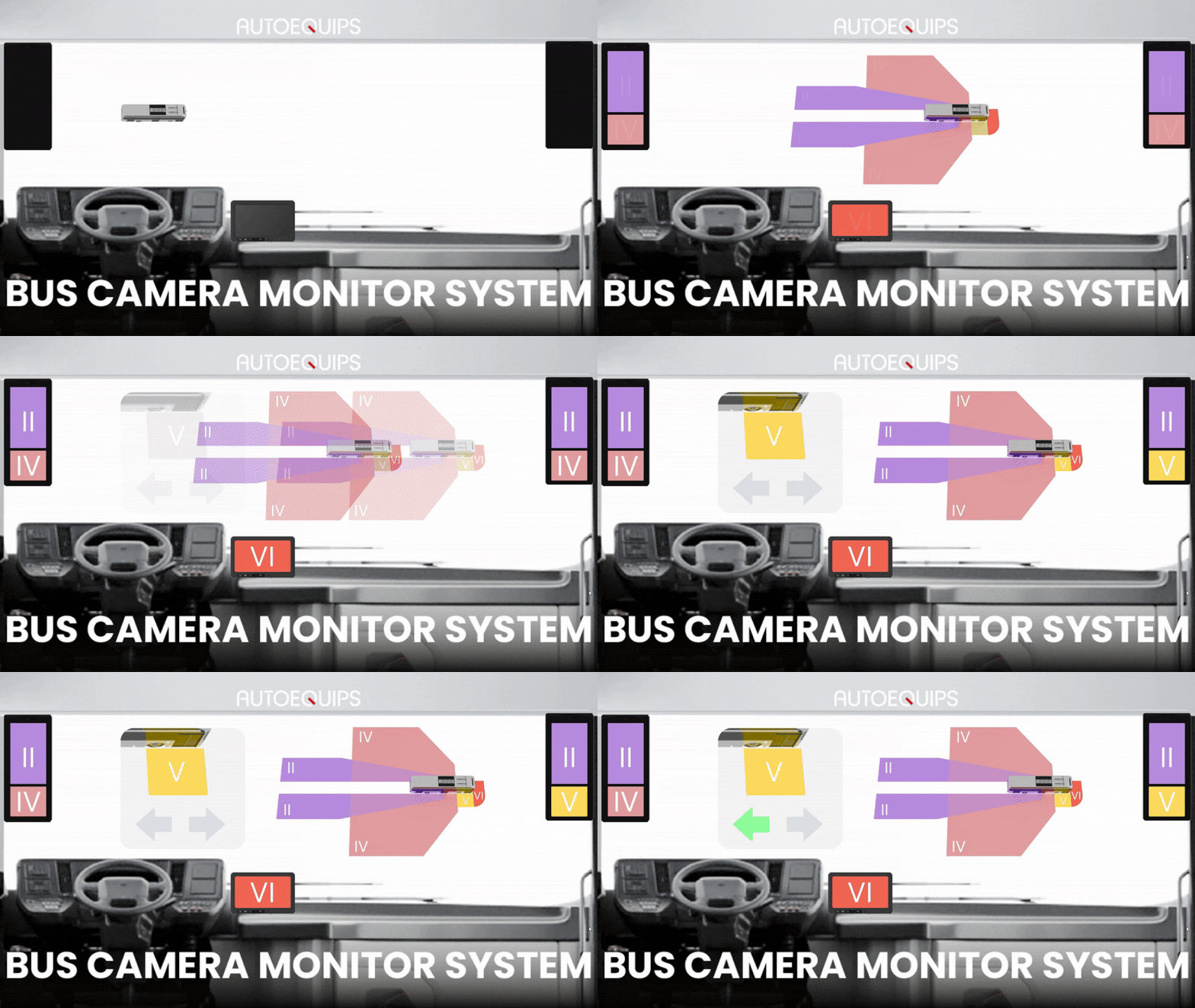
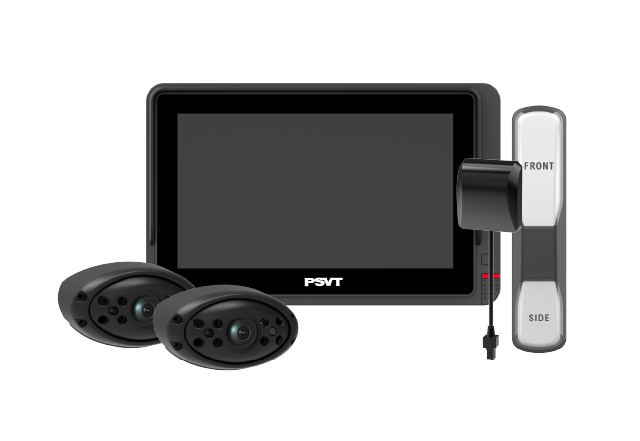
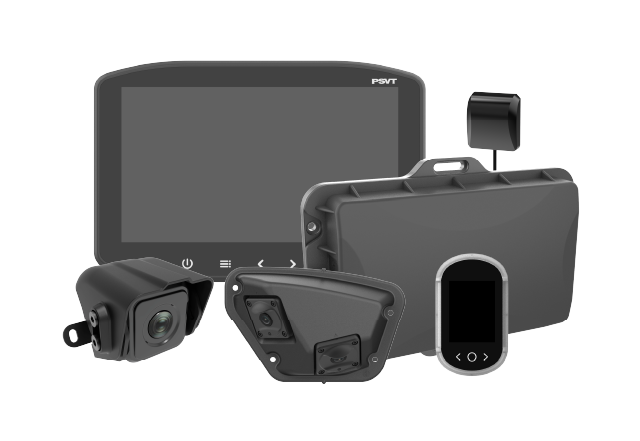
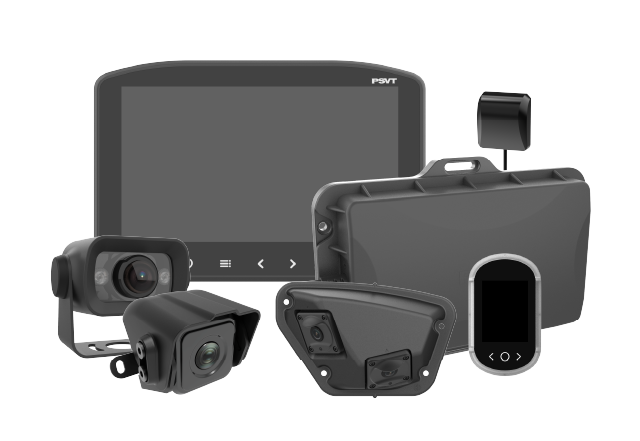
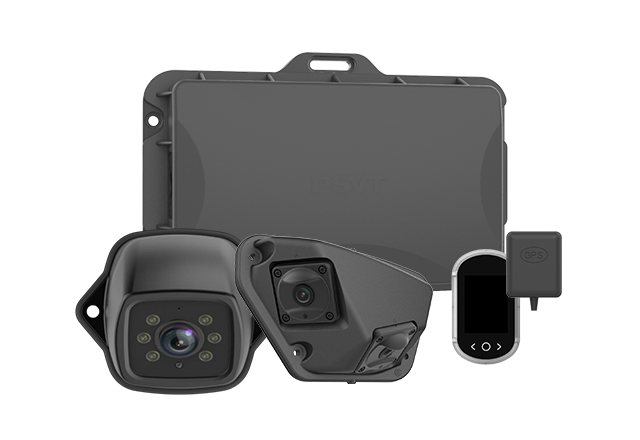
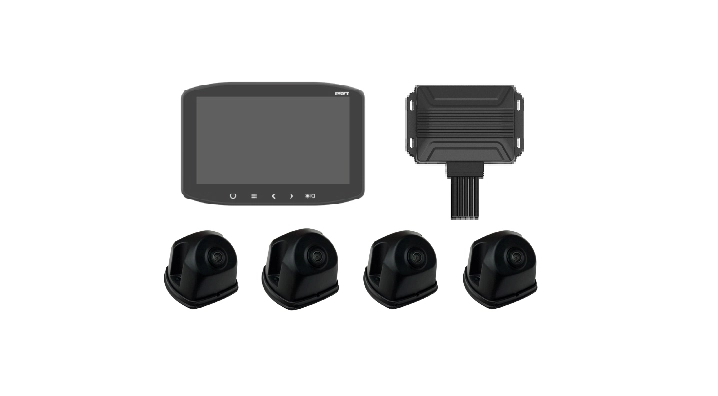
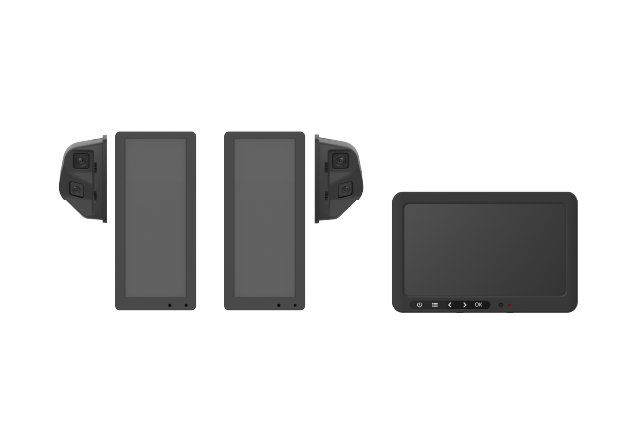
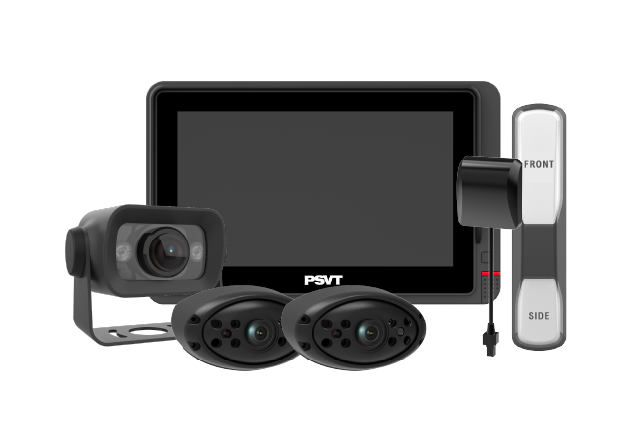
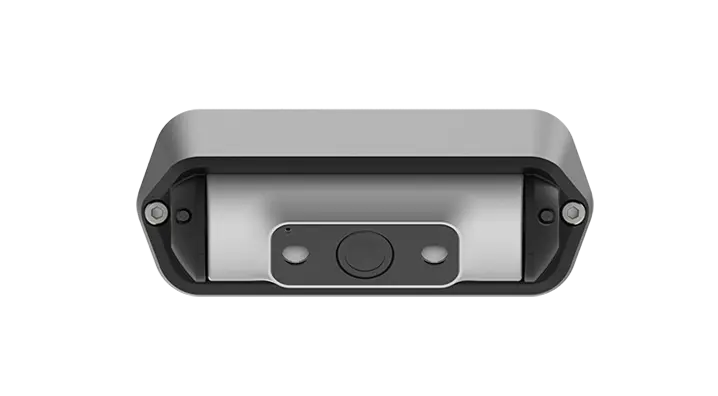
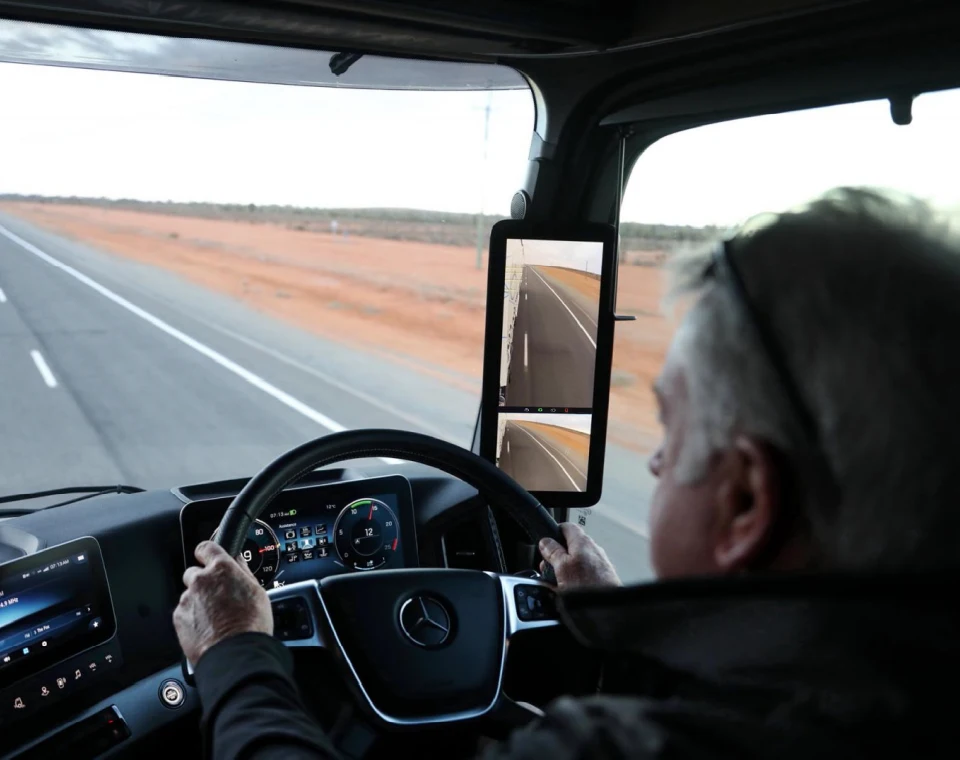
The AUTOEQUIPS Camera Monitor System is a cutting-edge safety solution tailored for trucks, enhancing driver awareness and operational efficiency. It replaces traditional rearview mirrors and ensures safety with real-time blind spot visualization and advanced view-panning.