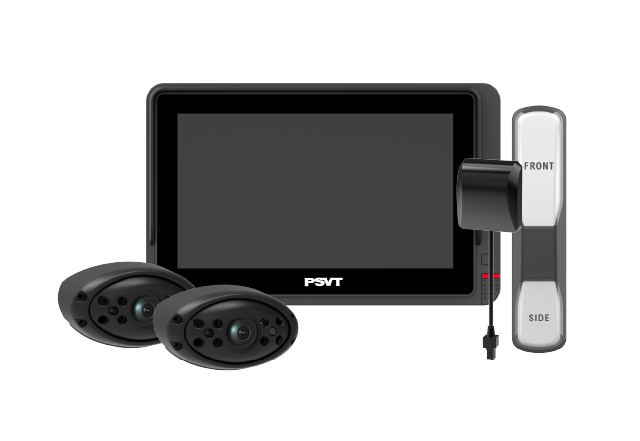
UN Regulation R151/R159/R158
View More








In the hyper-competitive world of last-mile delivery and logistics, small to medium-sized businesses (SMBs) often find themselves caught between the need for high-end operational safety and the constraints of a growing budget. For these organizations, the adoption of Fleet AI Dashcam Technology is no longer a luxury reserved for enterprise-level giants with thousands of vehicles. Instead, it has become a fundamental pillar of risk management and operational efficiency.
The challenge for SMBs lies in finding a solution that offers Fleet AI Dashcam Scalability—a system that can start small, providing immediate ROI, while possessing the technical depth to grow alongside the business. This article explores the strategic importance of AI-driven vision systems and how to identify an Affordable Fleet AI Dashcam solution that does not sacrifice sophisticated safety features for cost.
The delivery sector has seen a massive surge in demand, leading to more vehicles on the road, tighter delivery windows, and increased pressure on drivers. For an SMB (Small to Medium-sized Businesses), a single major accident or a series of insurance claims can be catastrophic.
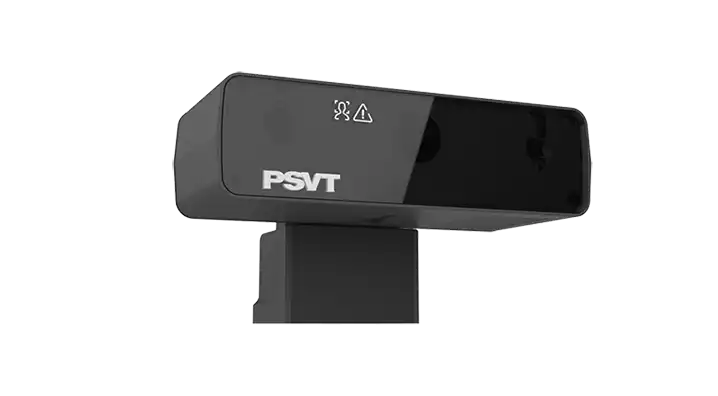
Traditional dashcams provided a passive record of events—useful after an accident, but powerless to prevent one. A modern Fleet AI Dashcam for SMB delivery fleets acts as an active co-pilot. By using computer vision to monitor both the road and the driver, these systems identify risks before they manifest into collisions.
For smaller fleets, the "hidden" costs of operations—such as rising insurance premiums, vehicle downtime, and legal liabilities—often outweigh the initial investment in technology. By implementing a scalable AI solution, businesses can proactively lower their Total Cost of Risk (TCOR).
Scalability in the context of fleet technology refers to more than just adding more devices. It encompasses the ability of the hardware, software, and data infrastructure to adapt to increasing complexity without requiring a complete overhaul of the system.
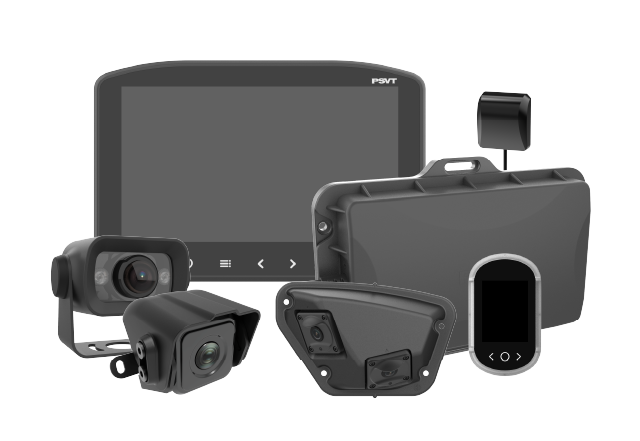
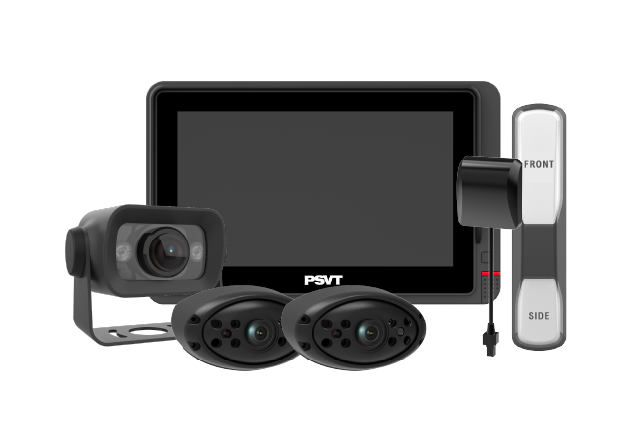
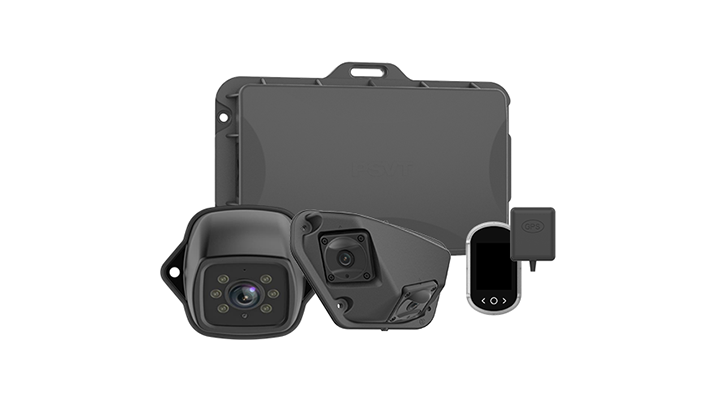
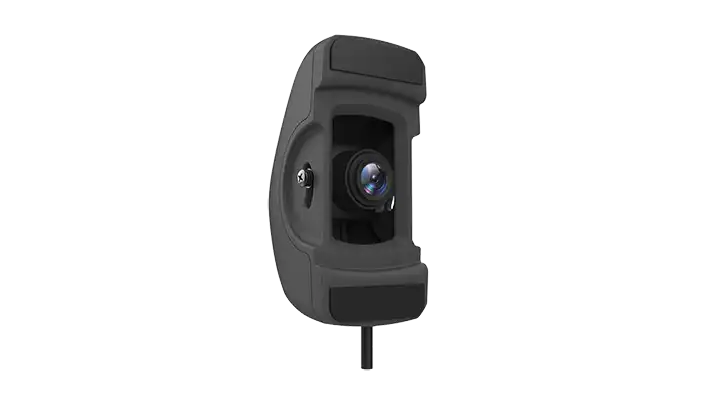
A scalable system allows a business to begin with a basic setup—perhaps a single front-facing AI camera—and later expand to multi-camera configurations as the fleet grows or as specialized needs arise (e.g., adding side-view cameras for urban navigation or cargo-view cameras for security).
As an SMB grows, it will likely adopt other management tools, such as routing software or payroll systems. Fleet AI Dashcam Scalability depends heavily on the system's ability to integrate via APIs, ensuring that safety data flows seamlessly into the broader business ecosystem.
Affordability is a primary concern for SMBs, but it must be balanced against "Value." A cheap camera that fails to detect a distracted driver or crashes during a critical event is a liability, not an asset.
When searching for an Affordable Fleet AI Dashcam, fleet managers should prioritize the following core AI capabilities:
An affordable solution is one that minimizes long-term costs. This includes modular communication (to avoid hardware obsolescence when cellular standards change) and efficient data transmission protocols that reduce monthly cellular data charges.
For a Fleet AI Dashcam for SMB fleets, processing power should ideally reside on the device itself (Edge Computing). This is particularly important for delivery fleets operating in diverse environments, from dense urban "concrete canyons" to remote rural routes where cellular signals may be inconsistent.
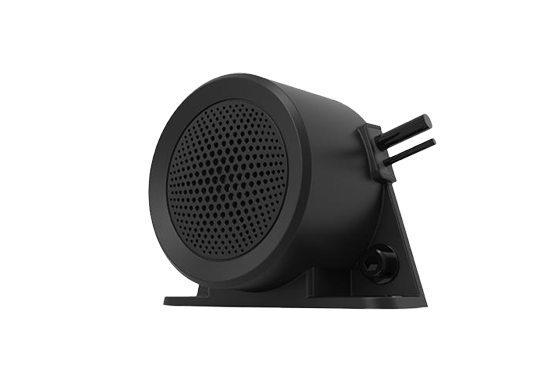
Edge-based AI processes frames instantly. If a delivery driver, exhausted from a long shift, begins to drift into another lane, the device triggers an immediate audible alert. This zero-latency response is only possible when the AI algorithms are embedded in the Fleet AI Dashcam Hardware.
By processing data at the edge, the system only needs to upload "events of interest." This "exception-based reporting" is a hallmark of an Affordable Fleet AI Dashcam strategy, as it drastically cuts down on the cloud storage and data costs that often surprise SMB owners.
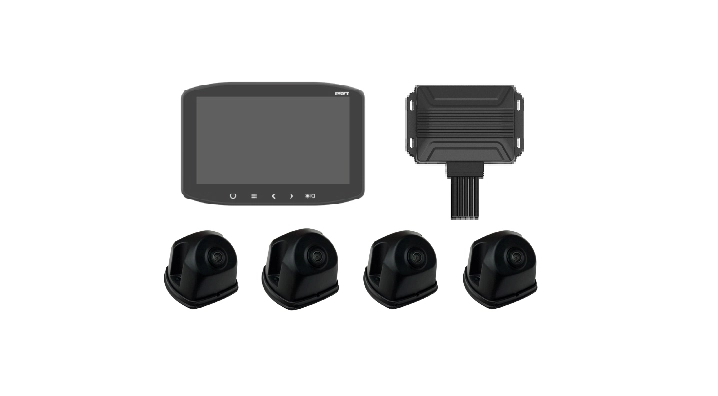
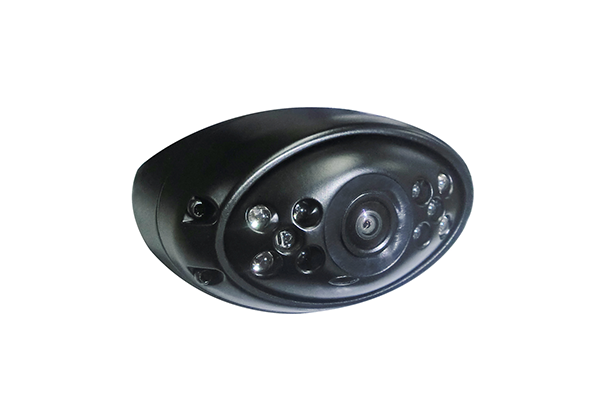
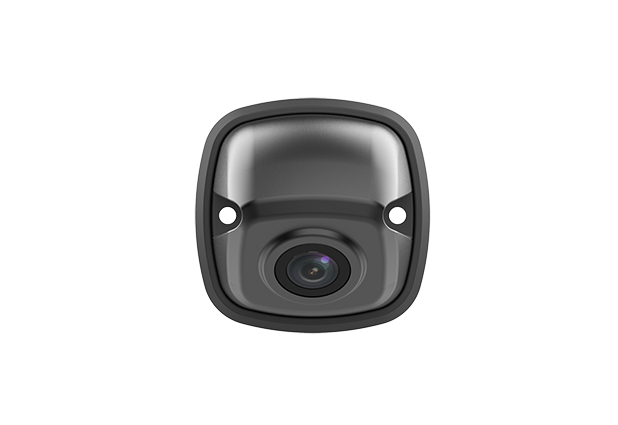
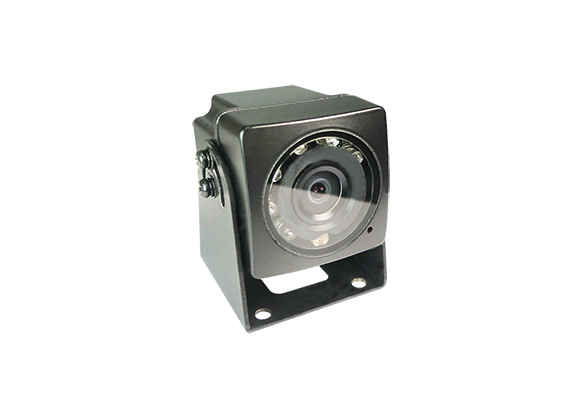
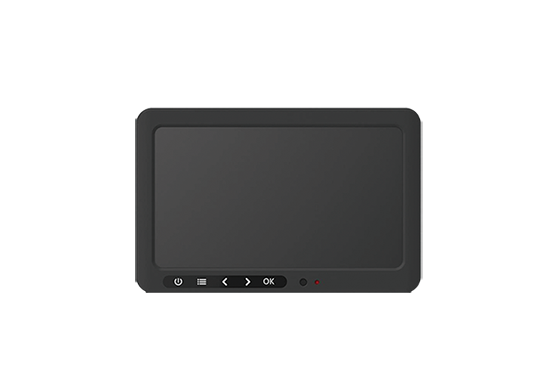
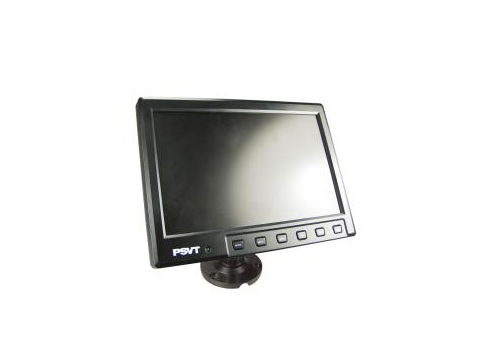
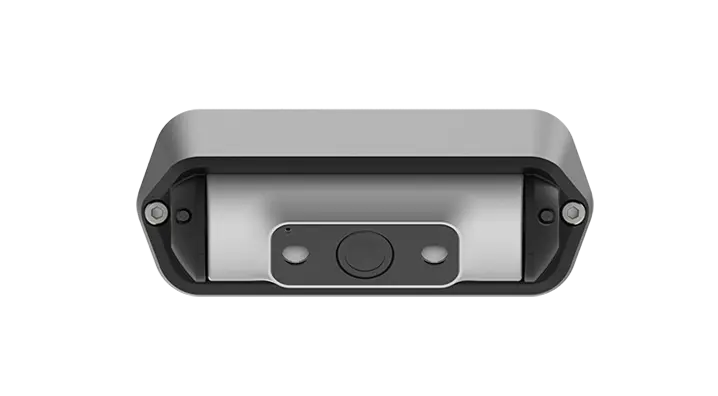
While a single camera provides a baseline of safety, delivery fleets often benefit from a 360-degree view. Scalable solutions allow for the integration of additional camera channels.
One of the biggest hurdles for SMB managers is "data fatigue." Having hours of footage is useless if no one has the time to watch it.
Modern AI platforms automatically synthesize raw footage into actionable safety reports. Instead of watching video, a fleet manager receives a "Driver Scorecard" or a "Daily Safety Summary." This allows a small team to manage a growing fleet effectively, identifying which drivers need coaching and which deserve recognition.
For SMBs, the ability to instantly retrieve high-definition evidence is a powerful tool in "not-at-fault" accidents. Providing video proof to insurance adjusters within minutes can speed up claims processing and protect the company’s reputation.
To successfully deploy a scalable AI dashcam solution, SMBs should follow a phased approach:
The future of logistics is intelligent. As Fleet AI Dashcam Technology continues to evolve, the barrier to entry for SMBs will continue to lower. However, the key to a successful long-term investment lies in choosing a partner that prioritizes Fleet AI Dashcam Scalability.
By investing in hardware that can grow, software that integrates, and AI that proactively prevents accidents, small to medium-sized delivery fleets can compete on a level playing field with the industry's largest players, ensuring both their drivers and their bottom lines are protected.
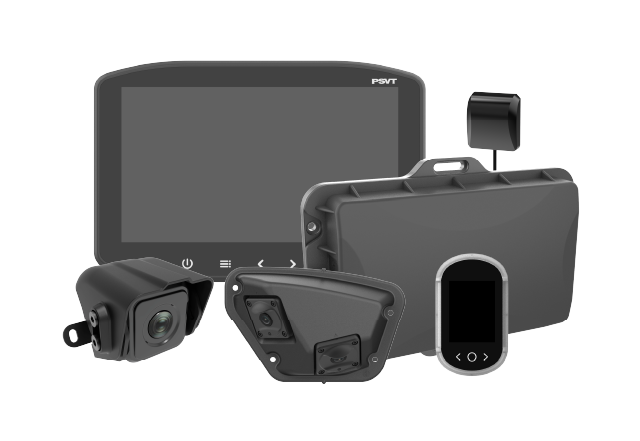
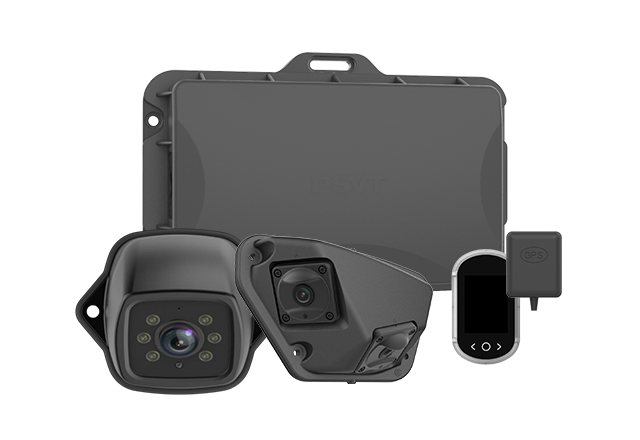
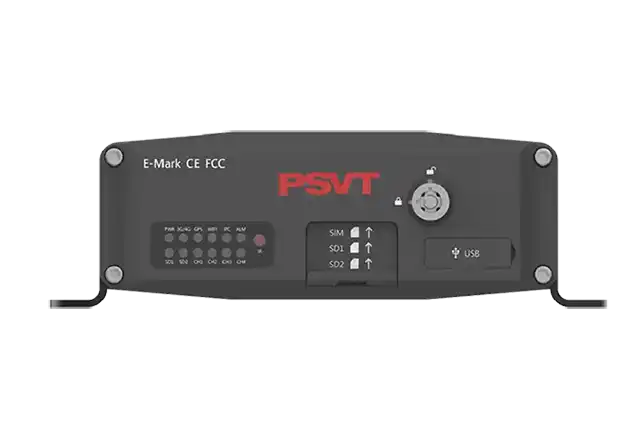
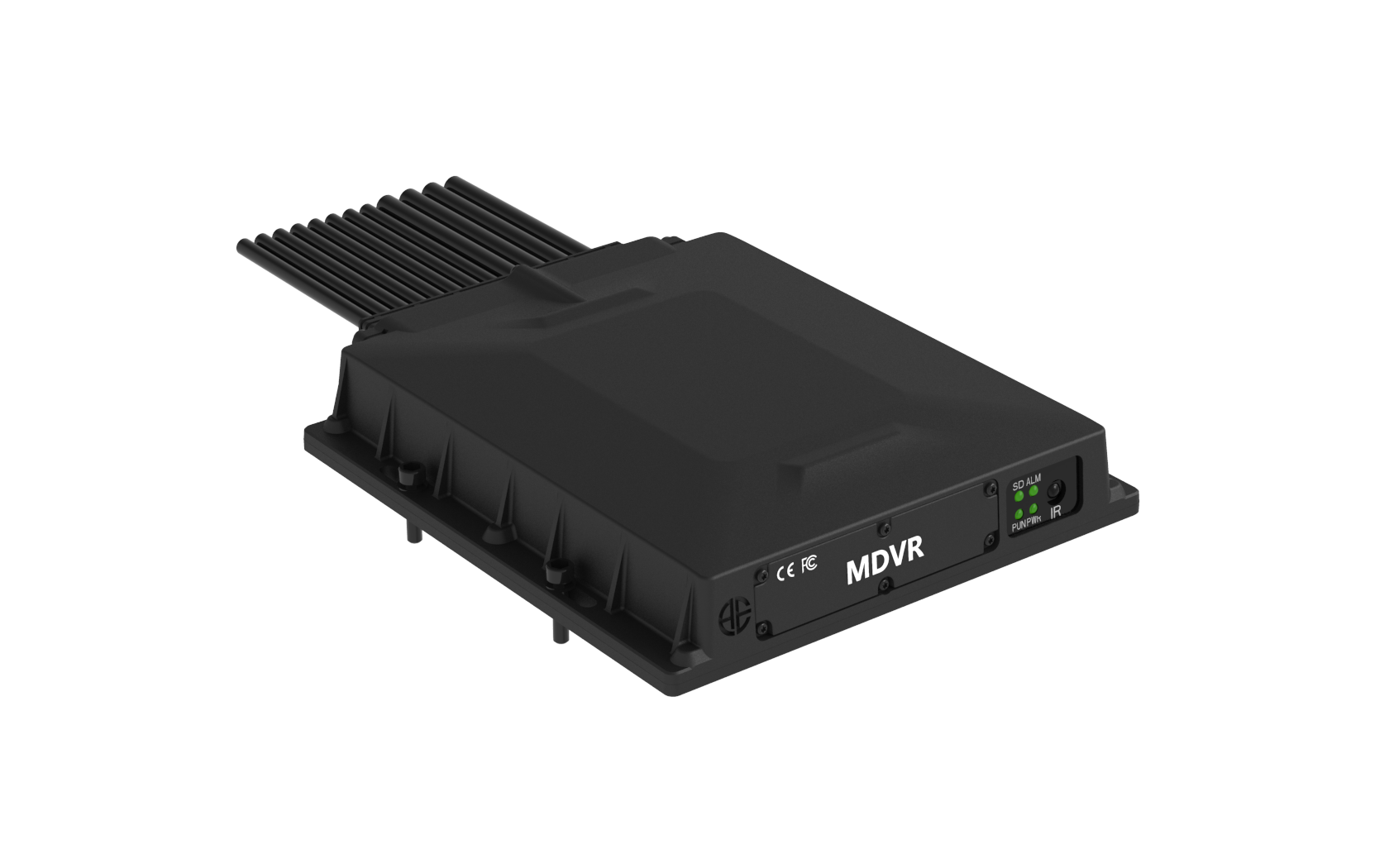
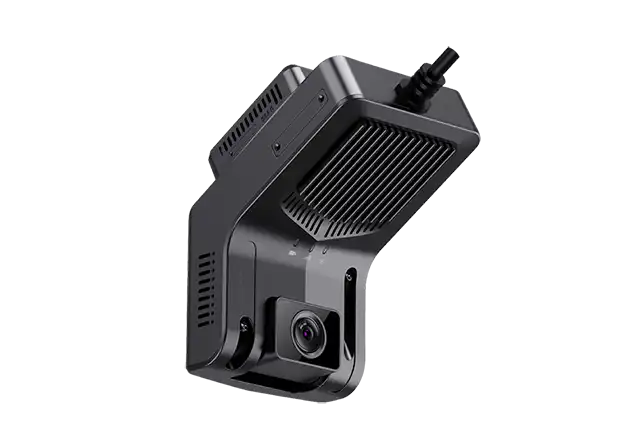
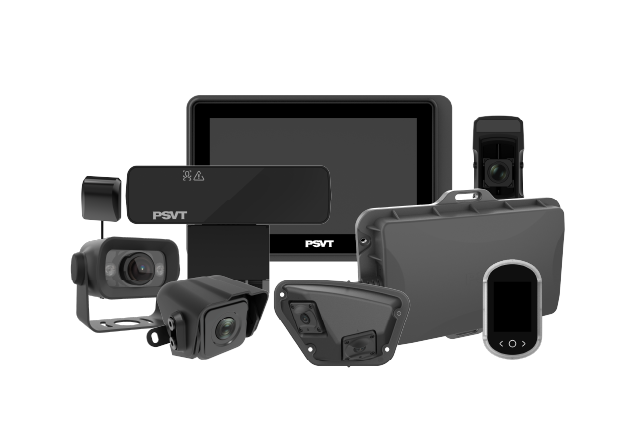
The AE-DVRD04 is designed specifically to meet the rigorous demands of scalable fleet operations, providing enterprise-grade AI intelligence in a package accessible to SMBs.
View the AE-DVRD04 Technical Datasheet →
A: On the contrary, smaller fleets are more vulnerable to the financial shock of a single accident. Many Affordable Fleet AI Dashcam solutions offer flexible pricing and immediate ROI through reduced insurance premiums and fuel savings (via improved driving habits), making them highly cost-effective even for very small operations.
A: Scalability isn't just about vehicle count; it's about feature depth. You might not double your fleet, but you might want to add cargo cameras or integrate your safety data with a new CRM system in two years. A scalable solution ensures you don't have to replace your hardware when your business needs evolve.
A: For the safety alerts (ADAS and DMS) to function, a constant connection is NOT required if the system uses edge-based processing. The AI resides on the hardware. An internet connection is only needed to upload event clips to the cloud and for real-time tracking, but the life-saving alerts work anywhere, anytime.