Blog
Share:
Dual-Lens vs Multi-Channel AI Dashcams: What Long-Haul Truck Fleets Should Really Deploy
2026-04-07

In the long-haul trucking industry, vehicle operation is far more complex than that of passenger cars or light delivery vans. Class 8 semi-trucks operate with massive blind spots, articulated trailers, extended braking distances, and frequent low-speed maneuvering in tight spaces. As Fleet AI Dashcam technology matures, fleet managers face a critical hardware decision: deploy a Dual-Lens setup or invest in a Multi-Channel architecture.

Both configurations use artificial intelligence to reduce risk, but their coverage, scalability, and ROI profiles differ significantly. This article provides a technical comparison to help you choose the right Truck Fleet AI Dashcam configuration for long-haul operations.

​Dual-Lens Fleet AI Dashcam

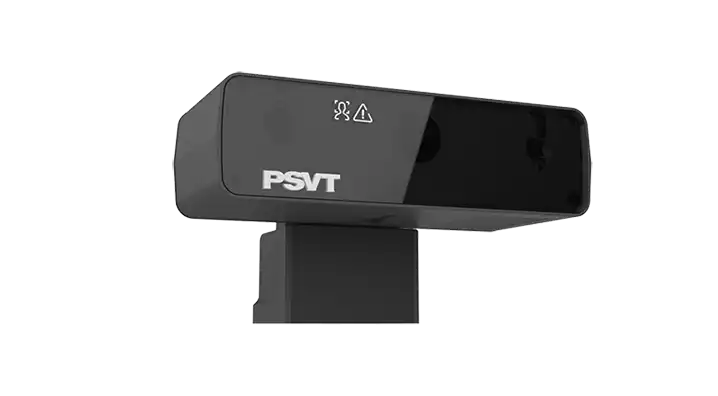
A dual-lens Fleet AI Dashcam is the most common entry configuration for fleets. It is typically a single windshield-mounted unit that integrates two lenses:

  • One forward-facing for road monitoring (ADAS)
  • One cabin-facing for driver monitoring (DMS)

Advantages for Semi-Trucks

  • Simplified Installation: All AI processing and lenses are in one housing, enabling fast installation with minimal vehicle downtime.
  • Core Safety Coverage: The forward lens enables ADAS functions such as Forward Collision Warning (FCW), Lane Departure Warning (LDW), and Headway Monitoring (Time-to-Collision estimation). The cabin lens enables DMS to detect fatigue, distraction, and unsafe behaviors.
  • Lower Initial Investment: For fleets seeking an affordable Fleet AI Dashcam primarily for liability recording and driver coaching, the dual-lens setup delivers strong value at a lower upfront cost.

Limitations in the Semi-Truck Context

A dual-lens system is confined to the cabin perspective. For a tractor pulling a 53-foot trailer, this leaves critical risk zones unmonitored:

  • Trailer sides during lane changes
  • Rear during reversing and docking
  • Coupling area and cargo zone

These areas account for a large portion of low-speed but costly incidents.

Multi-Channel Fleet AI Dashcam

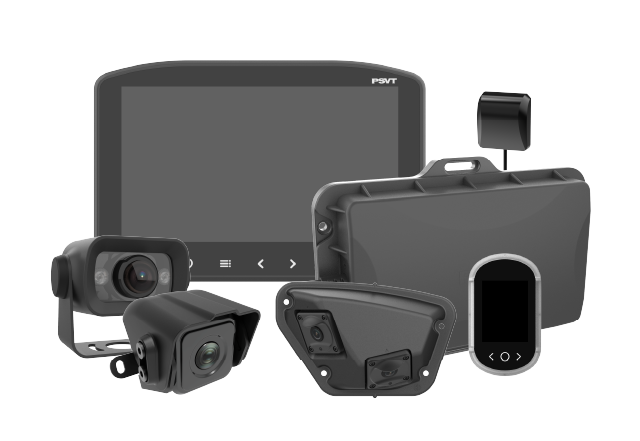
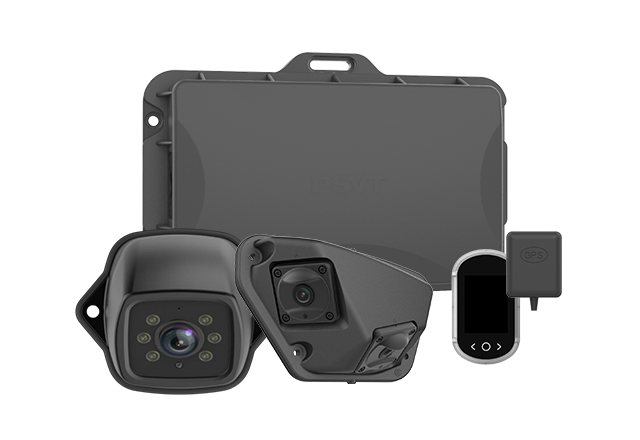
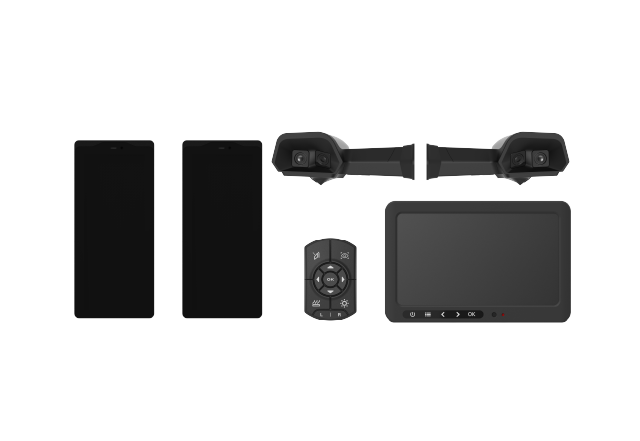
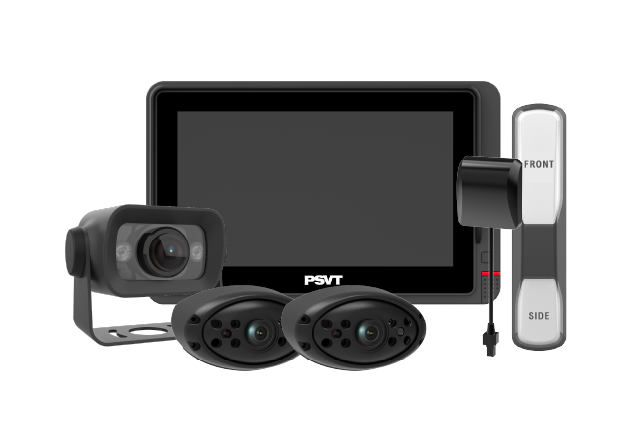
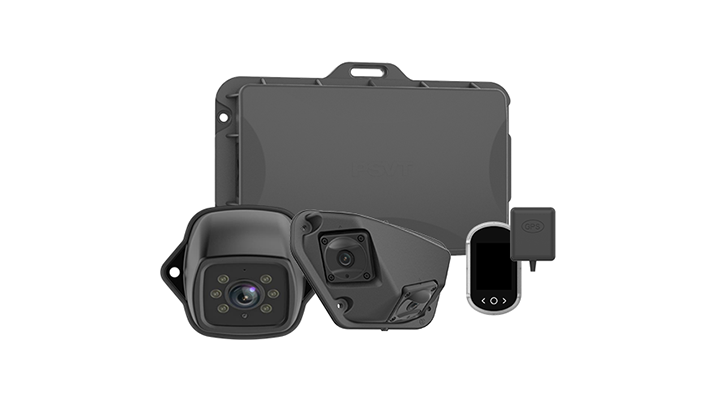
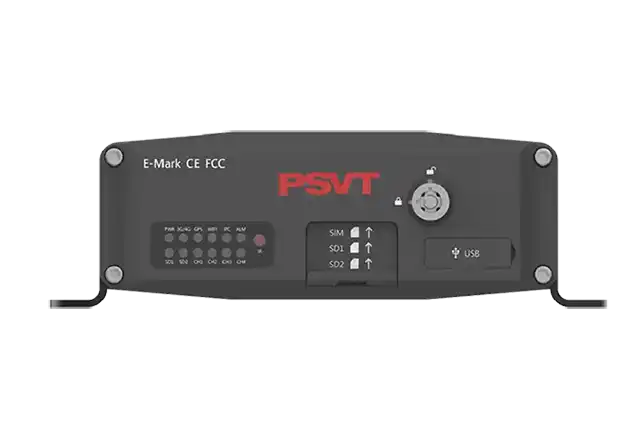
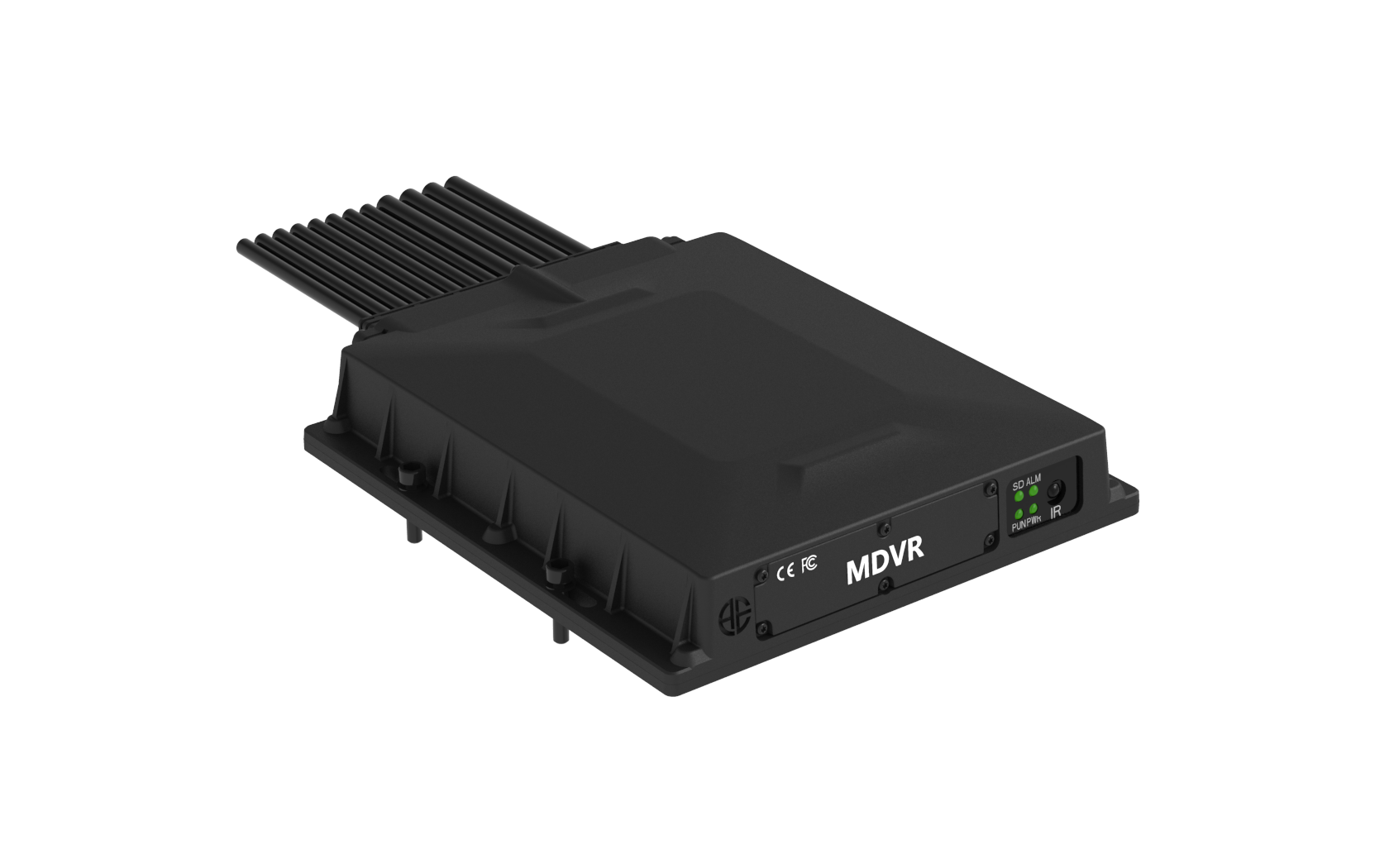
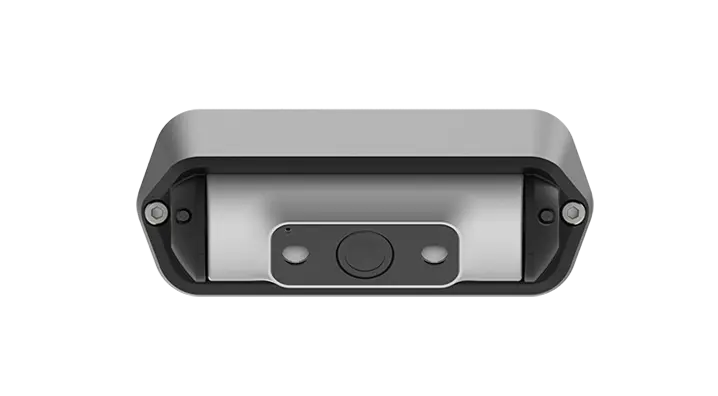
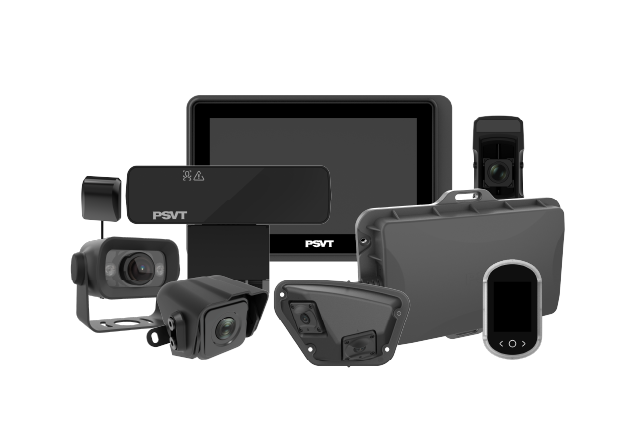
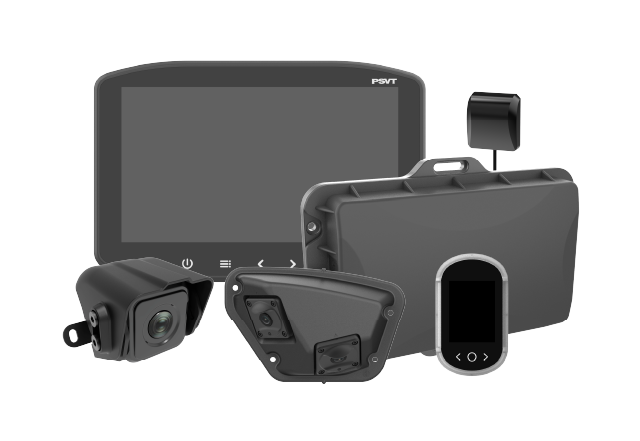
A Multi-Channel Fleet AI Dashcam uses a central AI DVR or edge computing hub that supports multiple external cameras distributed across the tractor-trailer.

This transforms the dashcam from a recording device into a distributed vision system.

Elimination of Blind Spots

Semi-trucks are known for dangerous “no-zones.” A multi-channel system allows:

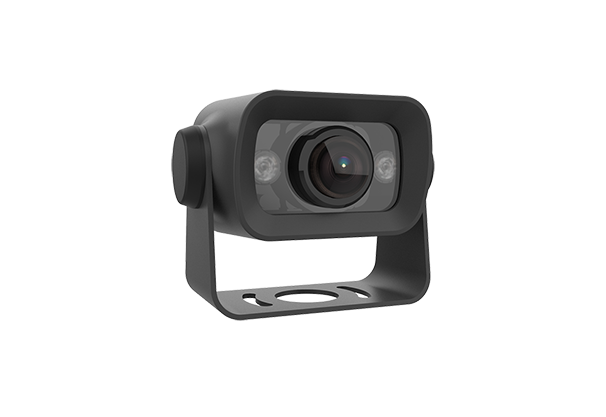
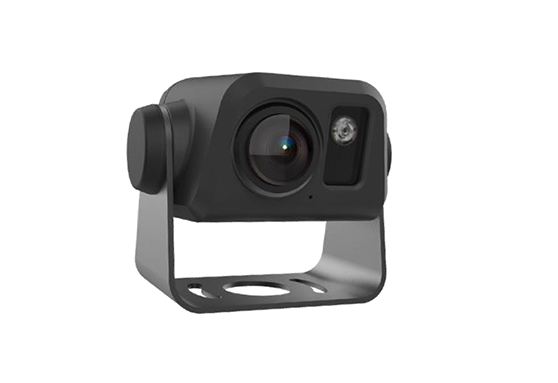
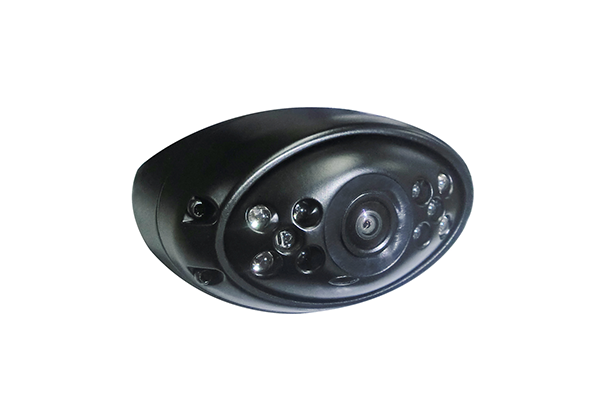
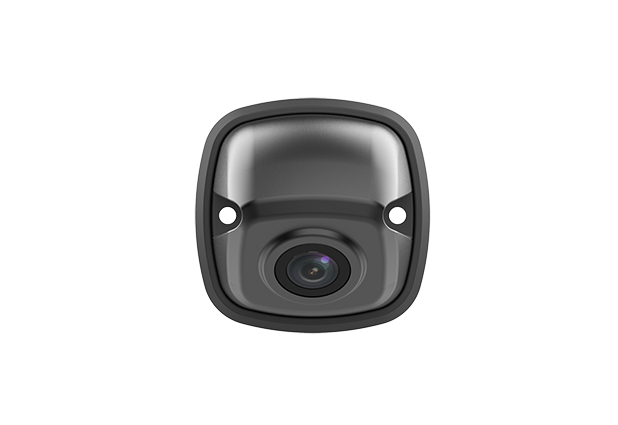
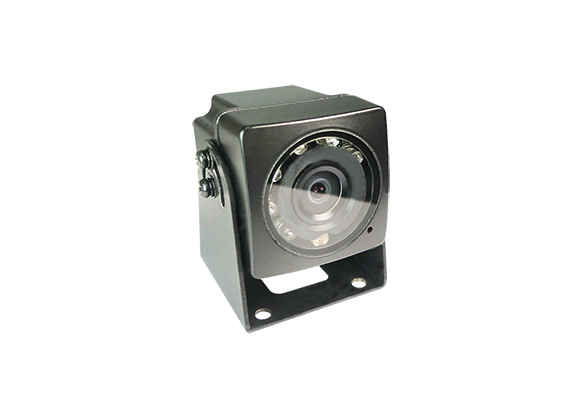
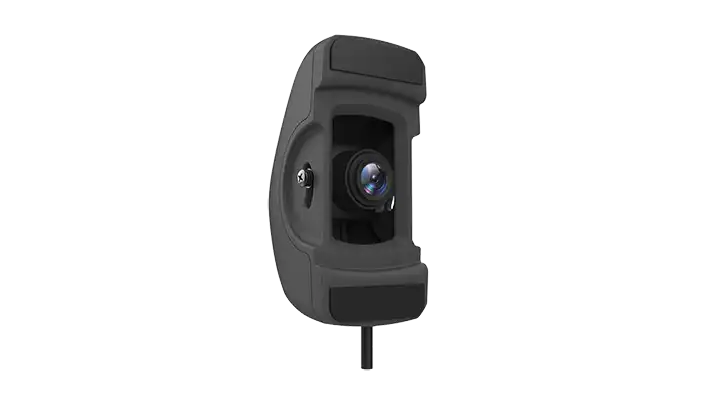
  • Side-view cameras on mirrors or trailer sides for blind-spot visibility during lane changes
  • Rear-view camera at the end of the trailer for reversing and docking
  • Fifth-wheel or cargo cameras for coupling monitoring or high-value cargo protection

With 4+ channels, fleets achieve wide visual coverage; additional channels can be added for near 360° visibility.

Advanced AI Across Multiple Streams

Modern systems perform multi-stream inference on edge AI processors. AI is not limited to the front camera:

  • Side cameras can detect cyclists or pedestrians in the turning radius when calibrated with vehicle speed and camera geometry
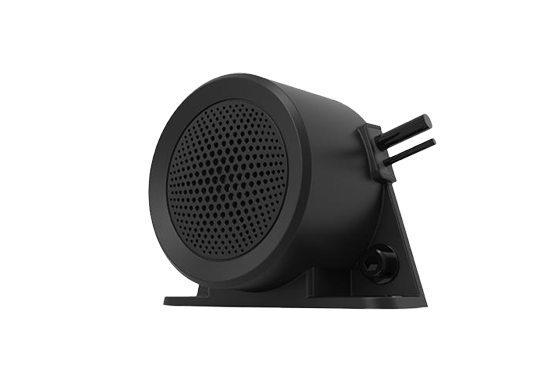
  • Rear cameras assist with intelligent reversing alerts
  • All camera angles are synthesized into one incident record

ADAS and DMS Performance (Applies to Both Setups)

The effectiveness of any Truck Fleet AI Dashcam depends on algorithm precision.

ADAS (Forward-Facing)

  • Forward Collision Warning (FCW)
  • Lane Departure Warning (LDW)
  • Headway Monitoring / Time-to-Collision estimation

These are essential for heavy trucks with long stopping distances.

DMS (Cabin-Facing)

  • Fatigue and microsleep detection via eyelid patterns
  • Distraction detection (phone use, gaze diversion)
  • Seatbelt and compliance monitoring

Scalability and Future-Proofing for Truck Fleets

Fleet requirements evolve. Hardware must be able to evolve with them.

Modular Expansion Advantage

A multi-channel architecture allows fleets to start with 2 channels (front + cabin) and later add side and rear cameras without replacing the main unit. This expand-on-demand capability makes it a future-proof investment.

Communication and Data Modules

Professional systems use swappable communication modules. As fleets transition from 4G to 5G or operate across borders with different cellular requirements, this modularity ensures continuous cloud connectivity for real-time alerts and tracking.

ROI: Cost of Incidents vs Cost of Technology

For semi-truck fleets, ROI from a Multi-Channel Fleet AI Dashcam is often realized through:

  1. Exoneration – Side footage can prove a vehicle cut off the truck.
  2. Potential Insurance Benefits – Some insurers may offer discounts for fleets using multi-camera monitoring.
  3. Driver Retention & Coaching – AI coaching improves skills while full visual coverage reduces driver stress.

Choosing the Right Configuration

Choose Dual-Lens if:

  • You operate box trucks or highway-focused routes
  • Your primary goal is driver coaching and forward event recording
  • Budget is the main consideration

Choose Multi-Channel if:

  • You operate Class 8 semi-trucks
  • You perform urban deliveries, yard maneuvers, or tight docking
  • Blind-spot elimination and liability protection are critical
  • You want scalable, future-proof hardware

The most effective Truck Fleet AI Dashcam is one that provides actionable intelligence, not just video.

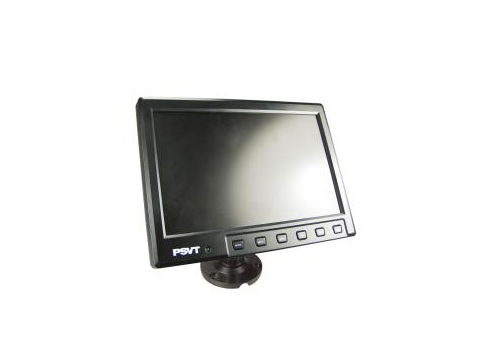
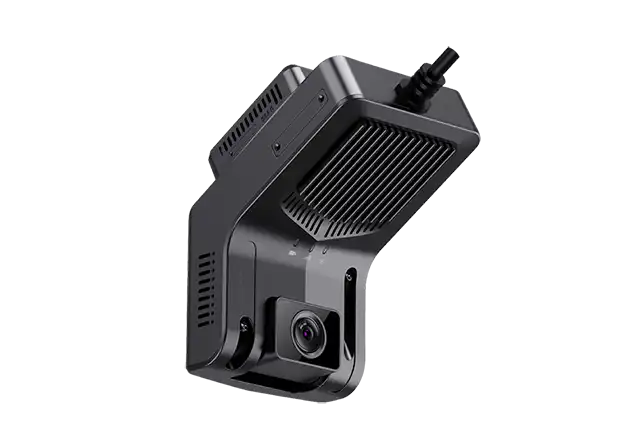
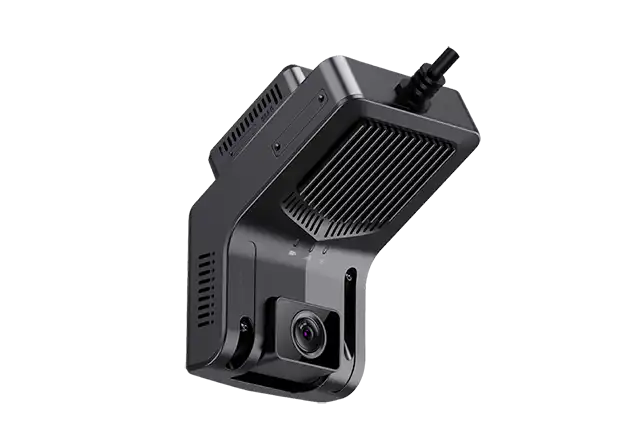
AE-DVRD04 AI Dashcam

The AE-DVRD04 is engineered for professional semi-truck deployments, bridging the gap between simple recording and full fleet intelligence.

Optimized for Trucking Excellence

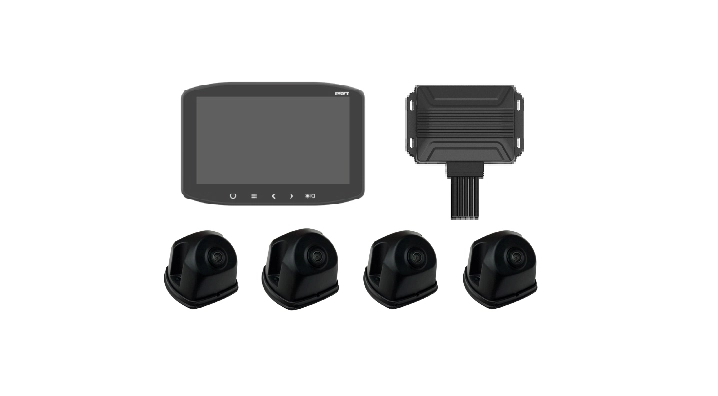
  • Scalable Multi-Channel Support – Connect up to 4×1080P cameras for wide vehicle coverage; additional channels can be added for expanded visibility
  • Precision Edge AI – Real-time ADAS (FCW, LDW, Headway) and DMS (Fatigue, Distraction, Phone Use, Smoking)
  • Intelligent Data Synthesis – Multi-angle footage converted into driver scores, safety metrics, and incident summaries
  • Modular Connectivity – Swappable communication modules for regional requirements
  • Open API Integration – Seamless connection to telematics and fleet management platforms

FAQ

Q1: Can a dual-lens dashcam be upgraded later?

Most dedicated dual-lens units are self-contained. If expansion is anticipated, it is best to start with a multi-channel-ready architecture.

Q2: Do more cameras create more work for managers?

No. AI platforms automatically synthesize footage into single incident reports with the most relevant angles.

Q3: How is the tractor-trailer connection handled?

Professional systems use heavy-duty weather-resistant cabling and specialized connectors (commonly called suzie coils) to maintain stable video signals while allowing easy coupling and uncoupling.

Contact Us

Name

Company Name

* Email

* WhatsApp/Phone

Message

Verification code

Consult now

0755-86016313