

Challenge
UN Regulation R151/R159/R158
View More








Mirror Replacement is rapidly transforming how commercial fleets approach driver visibility, road safety, and regulatory compliance. Traditional side and rearview mirrors have served vehicles for decades, but they come with inherent limitations: large blind spots, glare, poor night performance, wind resistance, and vulnerability to damage.
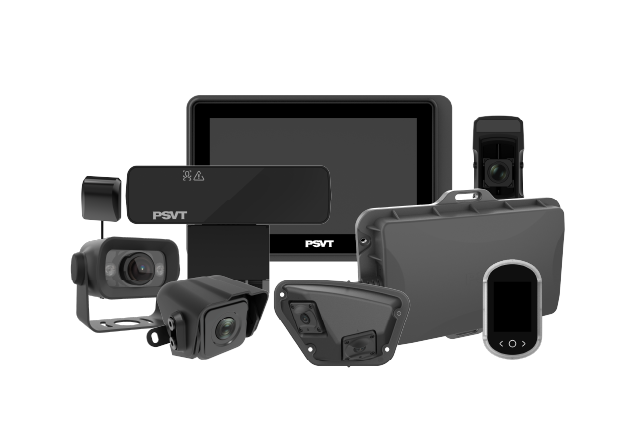
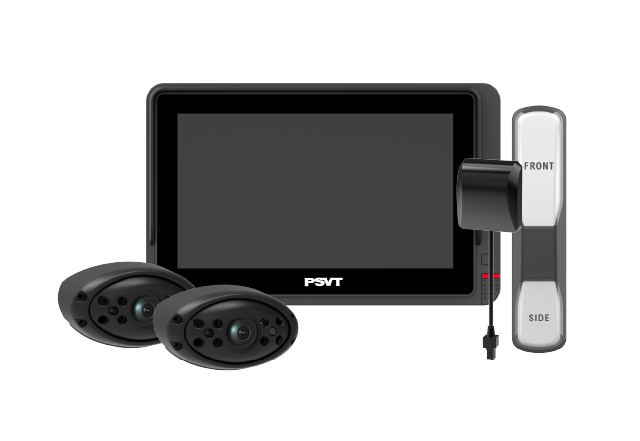
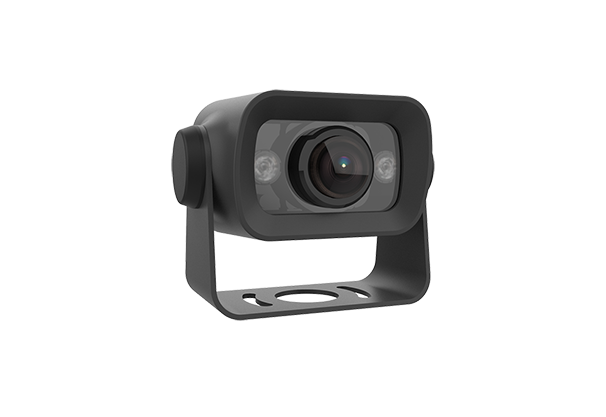
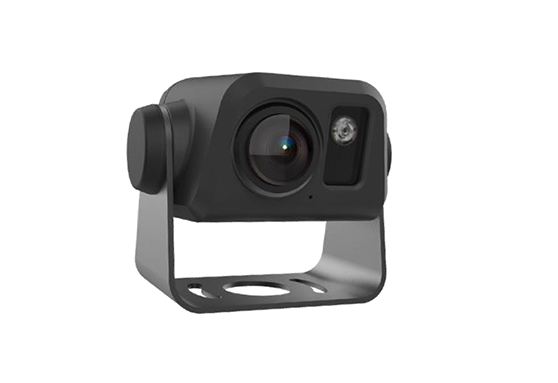
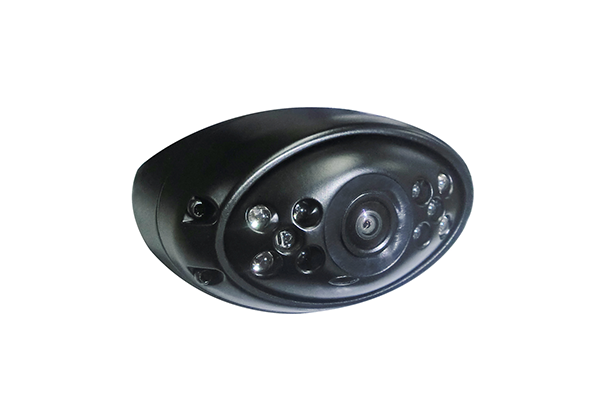
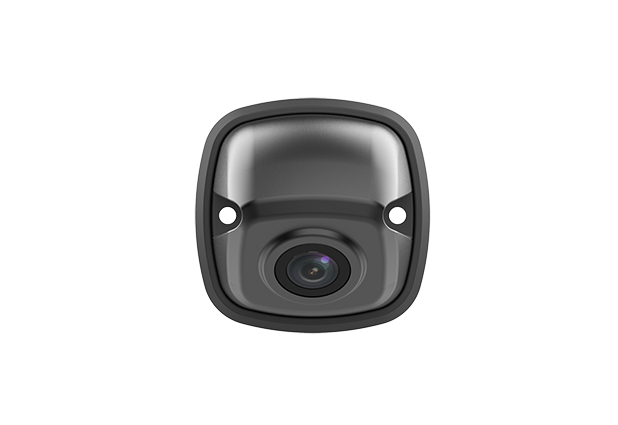
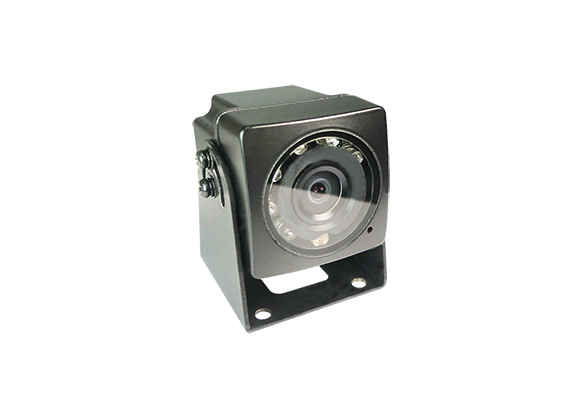
Today, Mirror Replacement using advanced Camera Monitor Systems (CMS) offers fleets a smarter, safer, and more efficient alternative. By replacing physical mirrors with aerodynamic cameras and high-brightness in-cab displays, fleets gain wider fields of view, superior image quality, and intelligent imaging performance in all driving conditions.
For fleet managers operating trucks, buses, and specialty vehicles, Mirror Replacement is no longer an innovation—it is becoming an operational necessity.
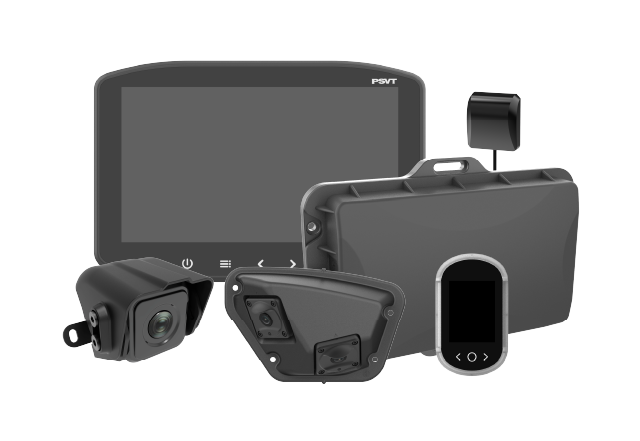
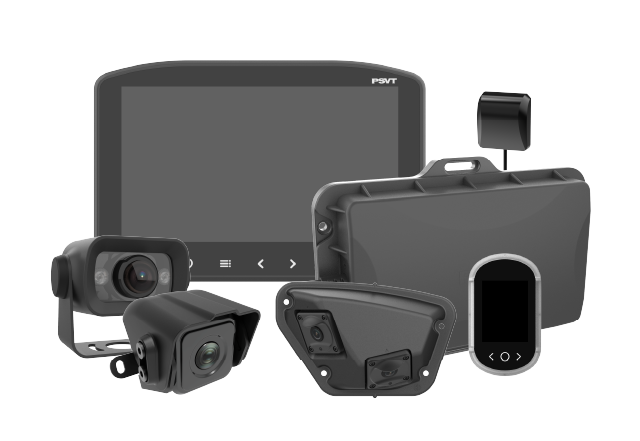
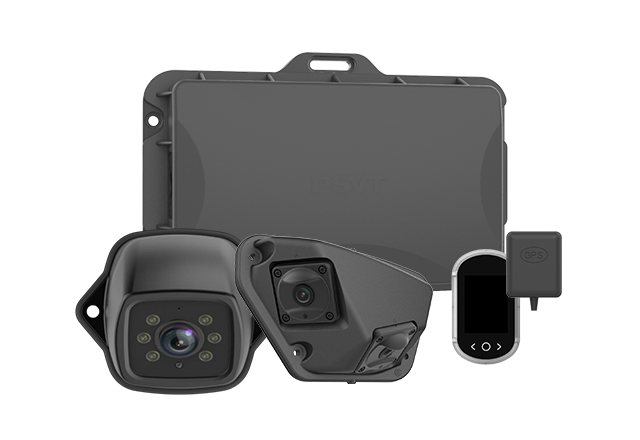
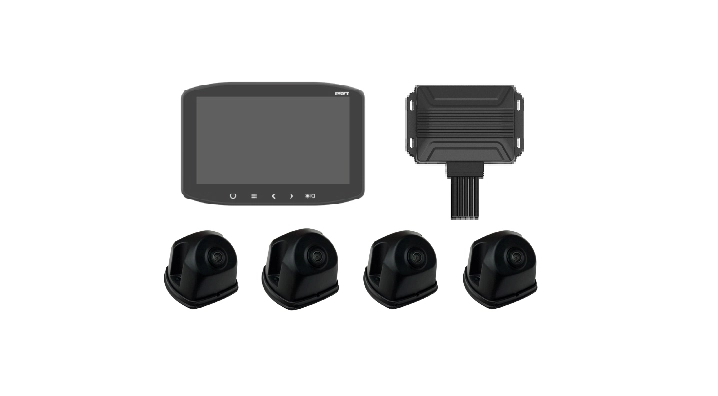
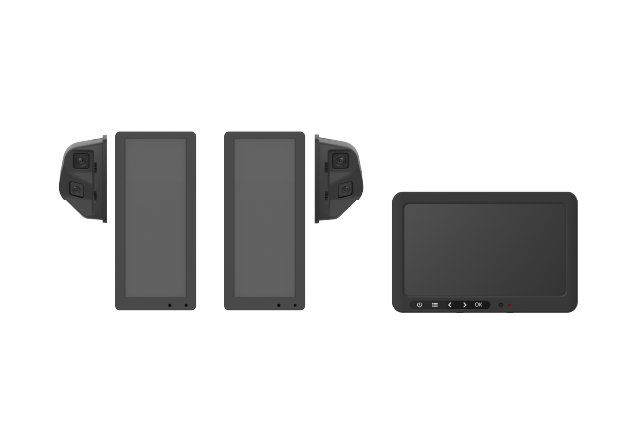
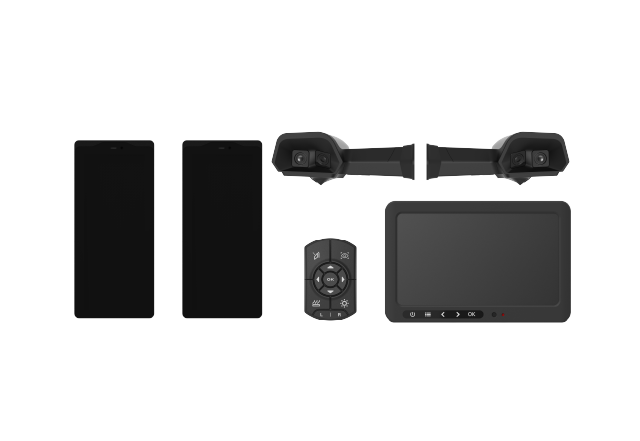
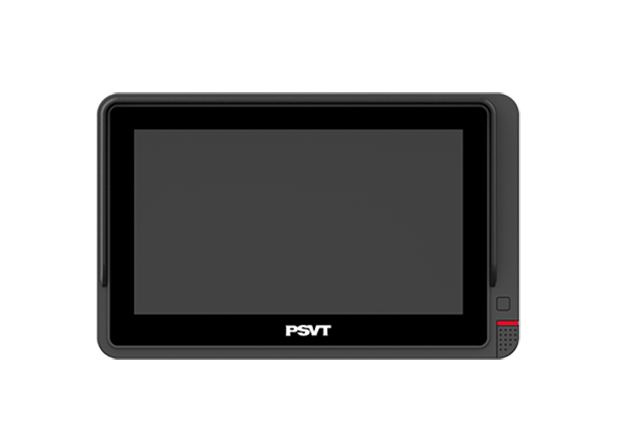
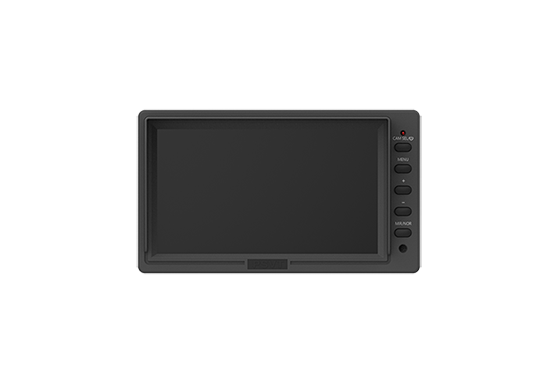
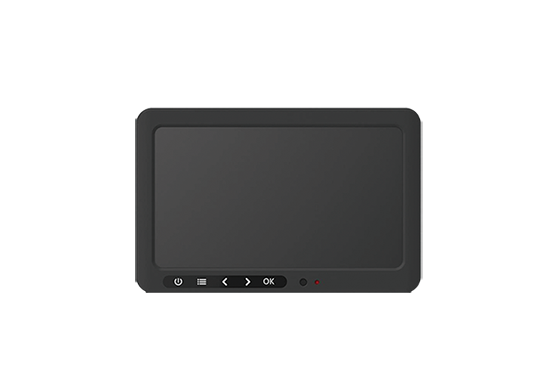
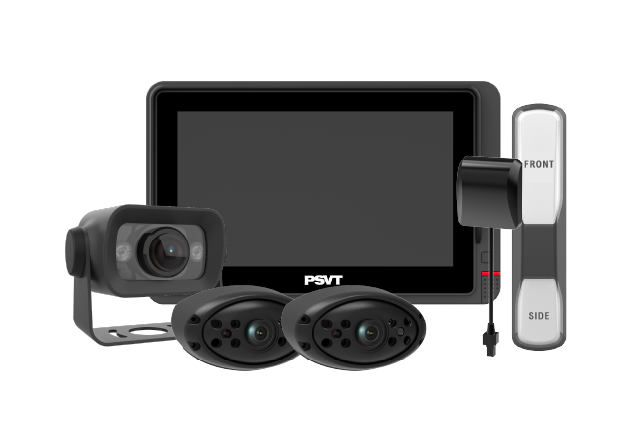
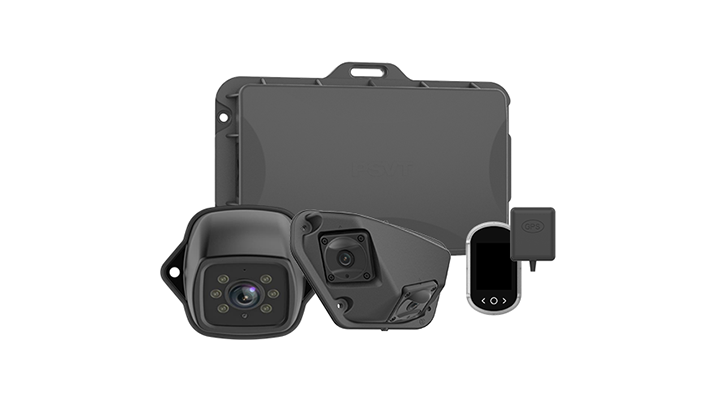
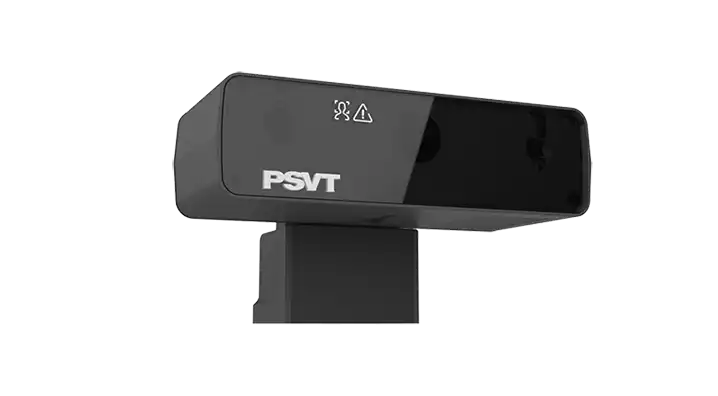
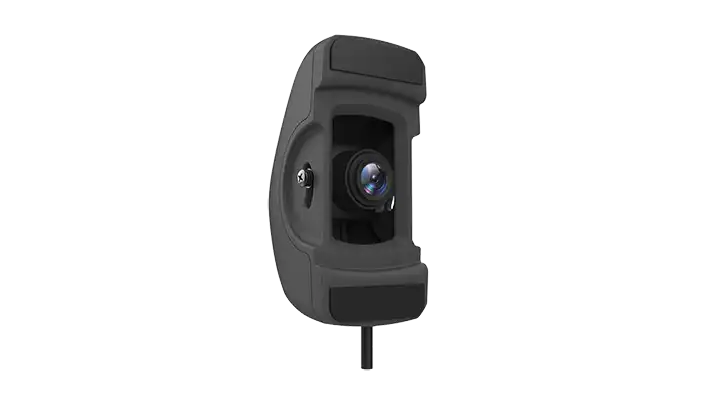
An Mirror Replacement system substitutes traditional mirrors with exterior cameras and interior monitors. These systems capture real-time video from optimized mounting positions and display it on sunlight-readable screens inside the cabin.
Unlike mirrors that depend on reflected light and driver positioning, Mirror Replacement delivers:
This is made possible through HDR imaging, AI-based image processing, and high-transmittance optical design referenced in modern Camera Monitor System platforms.
Despite their familiarity, mirrors create serious risks for large commercial vehicles:
Mirror Replacement directly solves these issues by relocating the “eyes” of the vehicle to optimal camera positions and presenting stabilized digital images to the driver.
One of the biggest advantages of Mirror Replacement is the dramatic increase in field of view. Cameras can achieve horizontal viewing angles exceeding 170°–210°, far beyond what mirrors can reflect.
With properly configured Class II, IV, V, and VI camera coverage, drivers can see:
For buses and trucks operating in cities, this blind spot elimination significantly reduces accident risk.
Traditional mirrors become nearly useless in darkness or glare conditions. Mirror Replacement systems integrate:
This ensures drivers maintain clear visibility when exiting tunnels, facing oncoming headlights, or driving at night.
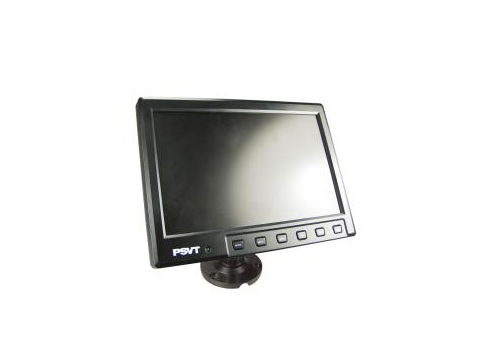
A critical component of Mirror Replacement is the monitor. High-brightness displays (up to 1000 cd/m²) remain readable in direct sunlight and high-contrast scenes, preserving detail in both shadows and highlights.
Drivers no longer need to squint into mirrors or adjust posture. The display remains stable, bright, and ergonomic.
Large mirror assemblies create air resistance, especially for buses and trucks traveling long distances. By adopting Mirror Replacement, fleets benefit from:
Over thousands of kilometers, this translates into measurable operational savings.
Modern Mirror Replacement systems are designed to comply with international safety regulations, including:
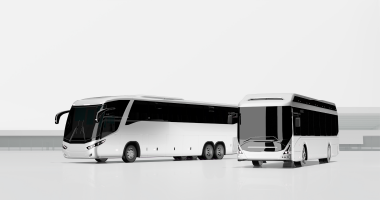
This regulatory alignment is a key reason why many OEM buses showcased at global exhibitions now adopt CMS instead of mirrors.
Fleet operators require proven technology. Current Mirror Replacement platforms build on years of AHD Camera Monitor System deployment and newer LVDS platforms with:
This is not experimental technology—it is field-validated for commercial vehicles.
Drivers using Mirror Replacement report:
The digital view is consistent, bright, and easier to interpret than reflective mirrors.
For fleet managers, Mirror Replacement provides measurable benefits:
|
Challenge
|
Mirror Limitation
|
Mirror Replacement Benefit
|
|
Blind spots
|
Large unseen areas
|
Wide camera FOV coverage
|
|
Night driving
|
Dark reflections
|
HDR + low light imaging
|
|
Fuel costs
|
High drag
|
Aerodynamic camera design
|
|
Mirror damage
|
Frequent repairs
|
Compact, protected cameras
|
|
Compliance
|
Hard to meet new regs
|
Designed for R46/R151/R159
|
|
Driver safety
|
Limited awareness
|
Full situational visibility
|
Mirror Replacement is especially valuable for:
Any large vehicle with blind zones benefits significantly.
Just as backup cameras replaced rear mirrors for reversing, Mirror Replacement is becoming the new standard for side and rear visibility in commercial vehicles.
OEM adoption at major vehicle exhibitions signals the industry shift toward digital mirror systems as a default safety architecture.
Mirror Replacement is not simply a technology upgrade—it is a strategic safety, efficiency, and compliance decision for commercial fleets.
By eliminating blind spots, enhancing night visibility, reducing fuel consumption, and meeting global regulations, Mirror Replacement delivers clear ROI while protecting drivers, pedestrians, and assets.
For fleets looking to modernize and future-proof their vehicles, the move from mirrors to monitors is no longer optional. It is the next evolution of commercial vehicle safety.