UN Regulation R151/R159/R158
View More











For modern commercial transportation companies, safety, efficiency, visibility, and cost control are no longer separate goals. They are deeply connected. A cloud-based fleet management solution gives fleet operators the ability to monitor vehicles, drivers, routes, alerts, video, maintenance status, and operational data through one centralized platform. Instead of relying on fragmented tools, manual reports, or delayed communication, a cloud-based fleet management solution helps fleet managers make faster decisions, reduce road risks, improve driver performance, and build a more intelligent fleet operation.
The fleet safety industry is changing quickly. Commercial vehicles are no longer just machines moving goods or passengers from one place to another. They are connected assets generating valuable data every second. A cloud-based fleet management solution turns that data into useful insights. For logistics companies, bus operators, municipal fleets, construction fleets, school transport providers, and long-haul trucking companies, this transformation can create measurable business value.
A cloud-based fleet management solution is a digital platform that allows fleet operators to manage vehicles, drivers, devices, video, alerts, and fleet data through cloud technology. Unlike traditional fleet management systems that depend heavily on local software or isolated hardware, a cloud-based fleet management solution stores and processes information on secure cloud servers. This allows managers to access real-time fleet information from a computer, tablet, or mobile device.
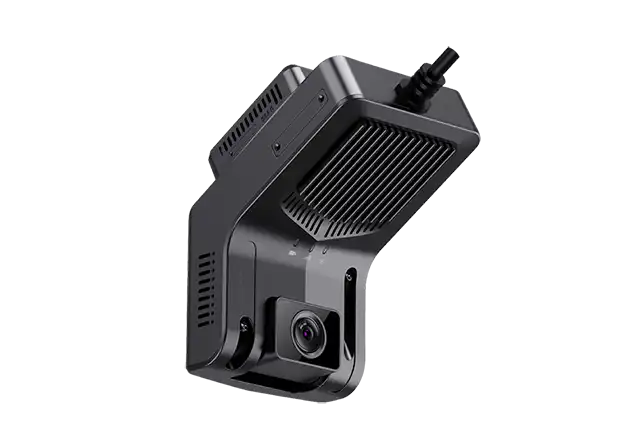
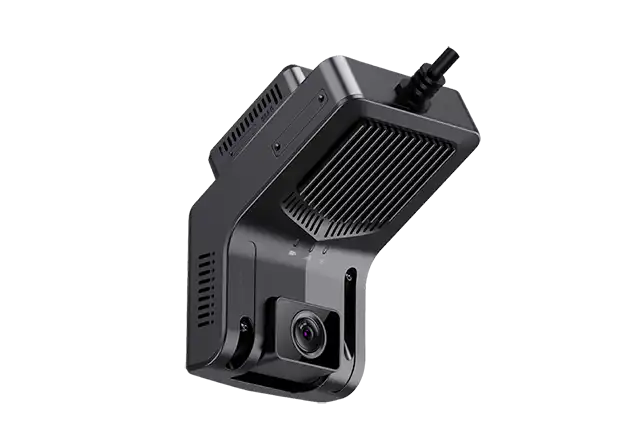
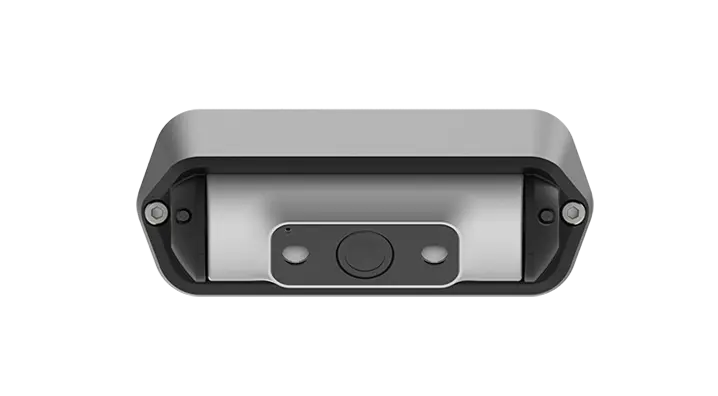
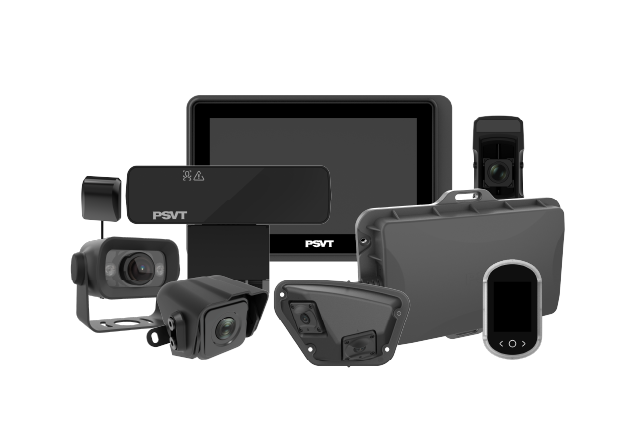
In practical terms, a cloud-based fleet management solution can connect with GPS trackers, AI cameras, mobile DVRs, ADAS systems, DMS devices, blind spot detection systems, 360-degree camera systems, and vehicle sensors. Once connected, the platform collects data from each vehicle and presents it in a clear, actionable way. Fleet managers can see where vehicles are located, how drivers behave, whether safety alerts have been triggered, and whether any vehicle needs attention.
For B2B fleet operators, the key value of a cloud-based fleet management solution is not just tracking vehicles. The real value is building a connected ecosystem where safety, compliance, efficiency, maintenance, and driver management work together.
The traditional approach to fleet management often creates delays. A driver reports an issue after a trip. A vehicle accident is reviewed only after footage is manually retrieved. Maintenance records are updated in spreadsheets. Managers need to call drivers to confirm vehicle locations. These processes take time, and time is expensive.
A cloud-based fleet management solution changes this workflow. It gives operators immediate access to key information. If a vehicle triggers a collision warning, lane departure warning, driver fatigue alert, harsh braking event, or blind spot warning, the alert can be uploaded to the cloud. The fleet manager can review the event, check video evidence, understand the risk, and take action.
This is especially important for commercial fleets where one incident can lead to serious financial loss, vehicle downtime, insurance claims, legal exposure, and brand damage. A cloud-based fleet management solution helps companies move from reactive management to proactive prevention.
Another reason fleets are adopting a cloud-based fleet management solution is scalability. As a fleet grows from 20 vehicles to 200 or 2,000 vehicles, manual management becomes almost impossible. Cloud platforms make it easier to add vehicles, assign devices, manage users, compare fleet data, and support multi-location operations.
Visibility is one of the strongest benefits of a cloud-based fleet management solution. Fleet managers need to know where every vehicle is, what each vehicle is doing, and whether any driver or vehicle requires immediate attention.
With a cloud-based fleet management solution, location tracking can be combined with vehicle status, route history, driving behavior, event alerts, and video records. This allows managers to monitor operations in real time instead of waiting for end-of-day reports.
For logistics fleets, real-time visibility helps improve delivery accuracy and customer communication. For bus fleets, it helps ensure route punctuality and passenger safety. For construction fleets, it helps monitor vehicle utilization and site movement. For municipal fleets, it helps improve dispatch efficiency and service reliability.
A cloud-based fleet management solution also supports remote supervision. A fleet manager does not need to be physically present at a depot to understand what is happening. Whether the fleet operates in one city or across multiple countries, the cloud platform can provide centralized control.
Safety is one of the most important reasons to invest in a cloud-based fleet management solution. Commercial vehicles operate in complex traffic environments. Large trucks, buses, vans, and special vehicles often have blind spots, longer braking distances, and higher operating risks.
A cloud-based fleet management solution can integrate with AI-powered safety devices to detect risky events. These may include forward collision warning, lane departure warning, pedestrian detection, blind spot alerts, driver fatigue detection, distraction detection, phone use detection, smoking detection, seatbelt detection, speeding, harsh acceleration, harsh braking, and sharp cornering.
The advantage of a cloud-based fleet management solution is that safety events do not stay inside the vehicle. They can be uploaded, categorized, reviewed, and analyzed. Managers can identify high-risk drivers, high-risk routes, frequent alert types, and recurring behavior patterns.
This helps companies build a stronger safety culture. Instead of only punishing drivers after incidents, a cloud-based fleet management solution allows fleets to provide targeted coaching. For example, if one driver frequently triggers lane departure warnings, the fleet manager can review the video, understand the context, and provide practical training. If a certain route has repeated pedestrian warnings, the company can adjust route planning or issue special safety guidance.
One of the most valuable features of a cloud-based fleet management solution is video telematics. Traditional GPS data can show where a vehicle was and how fast it was moving, but video shows what actually happened. For commercial fleets, this is critical.
A cloud-based fleet management solution can upload event-based video clips to the cloud when a risk event occurs. For example, if a driver brakes suddenly, the platform can save video from before and after the event. If a collision occurs, the company can review clear evidence. If there is a false claim, video can help protect the fleet.
Video telematics also improves operational transparency. Fleet managers can review unsafe driving behavior, near-miss incidents, road conditions, passenger disputes, cargo handling issues, or suspicious events. A cloud-based fleet management solution makes this process faster because footage can be accessed remotely, instead of removing storage cards from vehicles one by one.
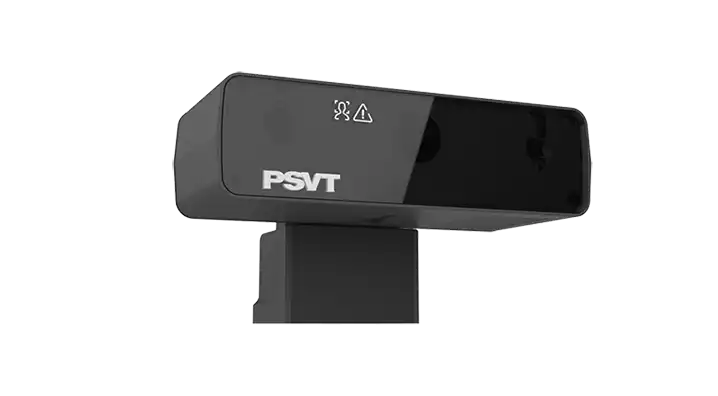
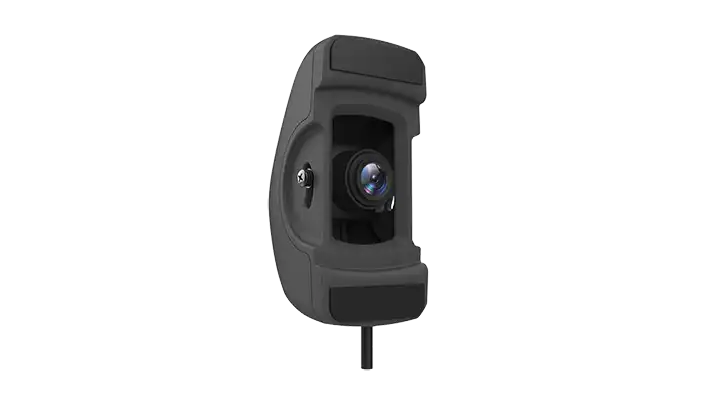
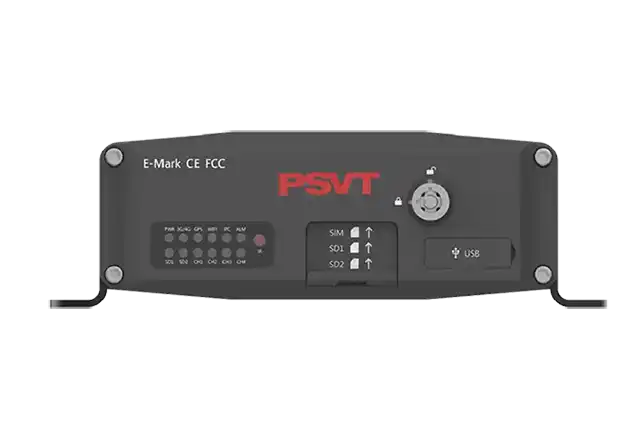
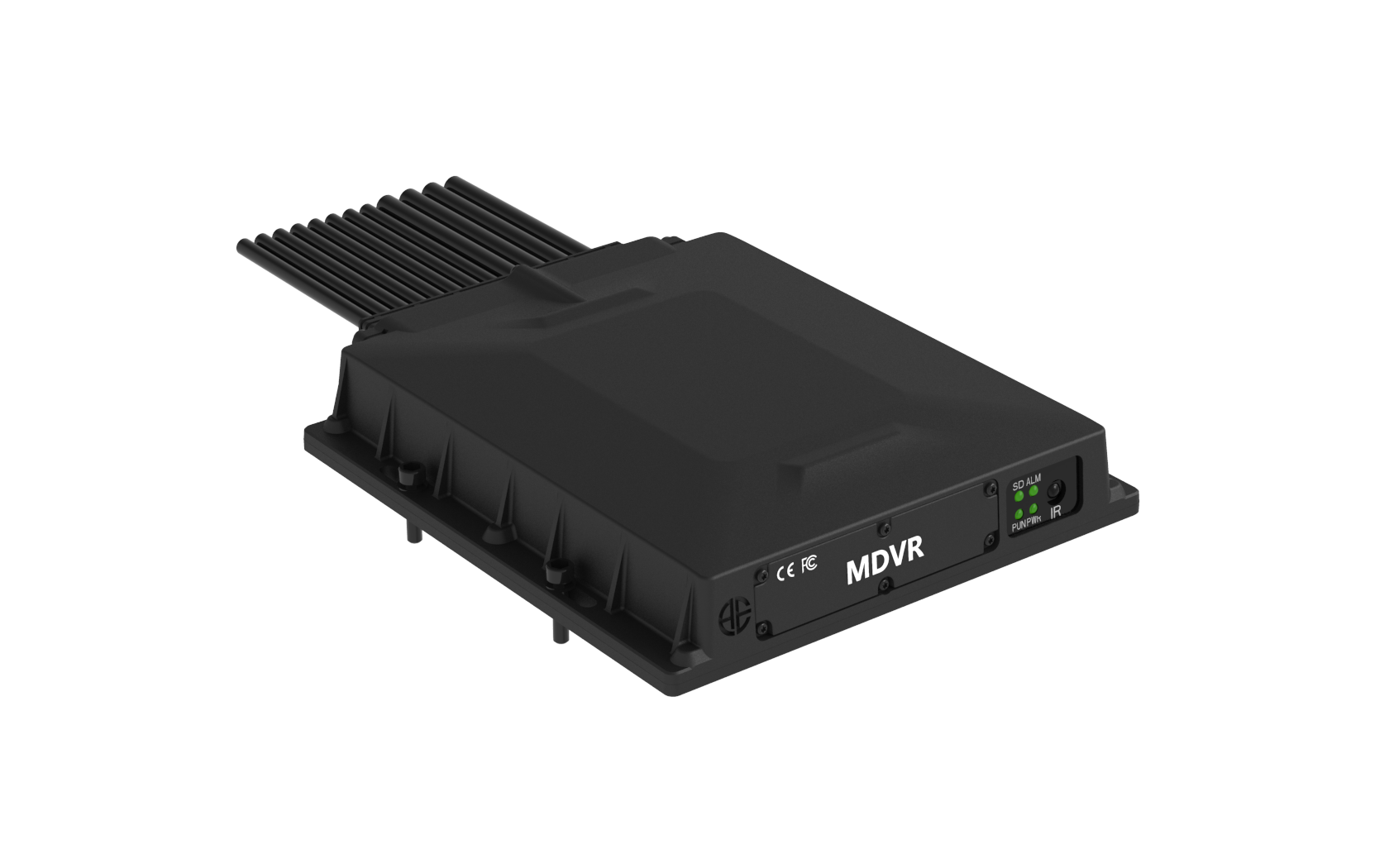
For fleets operating AI dashcams, MDVR systems, DMS cameras, ADAS cameras, or 360-degree camera systems, a cloud-based fleet management solution creates a bridge between in-vehicle intelligence and back-office decision-making.
Fleet operators face rising costs in fuel, maintenance, insurance, driver management, vehicle downtime, and compliance. A cloud-based fleet management solution helps reduce these costs by improving visibility and control.
Driver behavior has a direct impact on fuel consumption and vehicle wear. Harsh acceleration, unnecessary idling, speeding, and aggressive braking increase operating costs. A cloud-based fleet management solution can track these behaviors and generate driver scorecards. When drivers understand how their behavior affects cost and safety, companies can create incentive programs and training plans.
Maintenance is another cost area. A cloud-based fleet management solution can help track mileage, engine hours, fault alerts, inspection records, and maintenance schedules. Preventive maintenance is usually cheaper than emergency repairs. By using cloud-based data, fleets can reduce unexpected breakdowns and improve vehicle availability.
Insurance and claims management can also benefit from a cloud-based fleet management solution. When fleets can provide accurate data and video evidence, they may reduce dispute time and improve claim handling. Over time, better safety performance may also support stronger risk management.
Drivers are the heart of every fleet operation. Even with advanced vehicle technology, driver behavior still has a major impact on safety and efficiency. A cloud-based fleet management solution gives fleet managers a fairer, more data-driven way to manage drivers.
Instead of relying on complaints or assumptions, managers can use real driving data. A cloud-based fleet management solution can provide driver scores based on speeding, braking, acceleration, cornering, fatigue alerts, distraction alerts, and safety warning frequency.
This data supports constructive coaching. Good drivers can be recognized and rewarded. High-risk drivers can receive personalized training. New drivers can be monitored more closely during onboarding. A cloud-based fleet management solution also helps create consistent safety standards across different branches, depots, and regions.
For large fleets, manual driver evaluation is difficult. A cloud platform makes it easier to compare performance, identify trends, and make management decisions based on evidence.
Regulations for commercial vehicle safety continue to become more demanding in many markets. Fleet operators may need to comply with rules related to driver hours, vehicle inspection, road safety equipment, video evidence, speed management, and vulnerable road user protection.
A cloud-based fleet management solution can support compliance by keeping records organized. It can store route history, alert records, driver behavior reports, inspection data, maintenance logs, and video clips. When companies need to review incidents or prepare reports, the information is easier to find.
Compliance is not only about avoiding penalties. It is also about proving accountability. A cloud-based fleet management solution helps fleets demonstrate that they are actively monitoring safety, maintaining vehicles, training drivers, and responding to risks.
This is particularly important for fleets operating in urban environments, public transport, hazardous goods transport, construction logistics, and cross-border commercial transportation.
The future of fleet safety is not only cloud-based. It is cloud-connected and AI-powered. A cloud-based fleet management solution becomes more powerful when combined with intelligent in-vehicle devices.
AI cameras can detect pedestrians, cyclists, lane markings, vehicles, driver fatigue, distraction, and unsafe behaviors. ADAS systems can warn drivers before a potential collision. DMS systems can detect fatigue or distraction. Blind spot detection systems can reduce risks around large vehicles. 360-degree camera systems can improve low-speed maneuvering safety. MDVR systems can record and transmit multi-channel video.
When these devices connect to a cloud-based fleet management solution, the fleet gains a complete safety loop. The device detects the risk. The driver receives a real-time alert. The cloud platform records the event. The manager reviews the data. The company improves training, policy, and operations.
This closed-loop approach is one of the strongest reasons B2B fleets are investing in a cloud-based fleet management solution.
A modern fleet produces huge amounts of data every day. Without the right platform, that data becomes noise. A cloud-based fleet management solution organizes data into dashboards, reports, rankings, alerts, and trends.
Fleet managers can use this information to answer important questions. Which vehicles are underused? Which drivers need coaching? Which routes create the most safety alerts? Which vehicle types have more maintenance issues? Which branch has the best safety performance? Which safety device generates the most useful alerts?
A cloud-based fleet management solution helps leaders see the bigger picture. It turns daily operational data into long-term business intelligence.
This is important for executives as well as fleet managers. Senior management needs measurable results. A cloud-based fleet management solution can support KPI tracking, safety improvement plans, cost reduction programs, and digital transformation strategies.
Not every cloud-based fleet management solution is the same. Fleet operators should evaluate platforms carefully before investing.
First, the platform should be reliable and easy to use. Fleet managers need clear dashboards, fast search functions, stable video access, and simple reporting tools. A complicated system can reduce adoption.
Second, a cloud-based fleet management solution should support multiple device types. Many commercial fleets use different hardware, including cameras, DVRs, GPS devices, sensors, and AI safety systems. The platform should support integration and future expansion.
Third, data security matters. A cloud-based fleet management solution must protect sensitive fleet data, driver information, vehicle location, video records, and business operations. Secure access control, user permissions, encrypted transmission, and reliable storage are important.
Fourth, the system should support real business workflows. A good cloud-based fleet management solution should not only show data. It should help users manage alerts, review video, assign tasks, generate reports, coach drivers, monitor maintenance, and improve fleet performance.
Finally, the vendor should understand the fleet safety industry. Commercial fleet operations are different from consumer vehicle tracking. A strong cloud-based fleet management solution provider should understand trucks, buses, special vehicles, regulatory requirements, AI safety devices, and B2B deployment needs.
For commercial fleets, technology investment must create business value. A cloud-based fleet management solution can help companies improve safety, reduce costs, strengthen compliance, protect assets, and improve service quality.
The value is especially clear when the platform combines real-time vehicle tracking, AI safety alerts, video telematics, driver behavior analysis, remote device management, maintenance reminders, and data reporting.
A cloud-based fleet management solution also supports long-term digital transformation. As fleets become larger and more connected, companies need a system that can grow with them. Cloud architecture makes it easier to expand, update features, add vehicles, and support multi-region operations.
For fleet operators that want to move from basic tracking to intelligent safety management, a cloud-based fleet management solution is a strategic investment.
The commercial vehicle industry is entering a new era of connected safety. Fleets can no longer depend only on manual supervision, delayed reports, or isolated vehicle devices. They need real-time visibility, intelligent alerts, video evidence, driver insights, and centralized control.
A cloud-based fleet management solution brings all these capabilities together. It helps fleet operators understand what is happening on the road, respond faster to risks, coach drivers more effectively, reduce operating costs, and build a safer fleet culture.
As AI cameras, ADAS, DMS, MDVR, blind spot detection, and 360-degree vision systems become more common, the role of the cloud-based fleet management solution will become even more important. It is not just a software platform. It is the digital command center for modern fleet safety.
For any company managing commercial vehicles, choosing the right cloud-based fleet management solution can be a decisive step toward safer roads, smarter operations, and stronger business performance.