UN Regulation R151/R159/R158
View More









A blind spot camera for semi trucks is no longer just a useful add-on. For many fleets, it has become a practical safety investment. Long trailers, high cabs, wide turns, and dense urban traffic create visibility gaps that mirrors cannot fully solve. A blind spot camera for semi trucks helps drivers see people, vehicles, cyclists, and objects in areas that are hard to monitor. It also supports better decisions during lane changes, right turns, yard movements, and low-speed city driving.
Semi trucks are built to move freight, not to offer perfect visibility. Even skilled drivers face limits. A tractor-trailer can hide a car beside the trailer. It can also hide a cyclist near the passenger side. A blind spot camera for semi trucks helps close that gap by giving drivers a live view of risk zones.
This matters because large truck crashes affect more than the truck driver. Recent U.S. safety data shows that most people killed in large-truck crashes are outside the truck. That does not mean truck drivers are careless. It means the size, mass, and operating environment of heavy vehicles require better visibility tools.
A blind spot camera for semi trucks should be viewed as part of a safety system. It does not replace training. It does not replace mirrors. It adds another layer of information. When drivers can see more, they can react earlier.
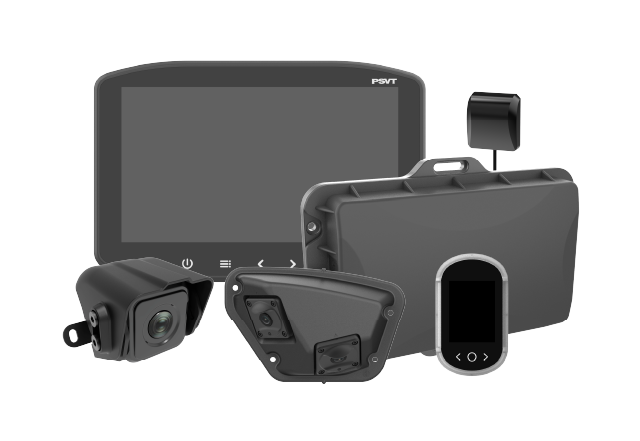
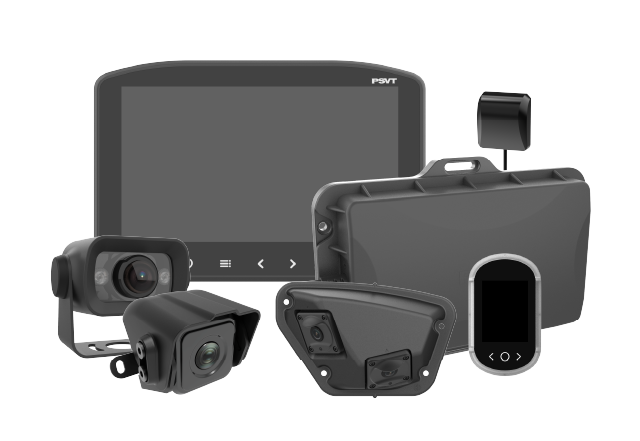
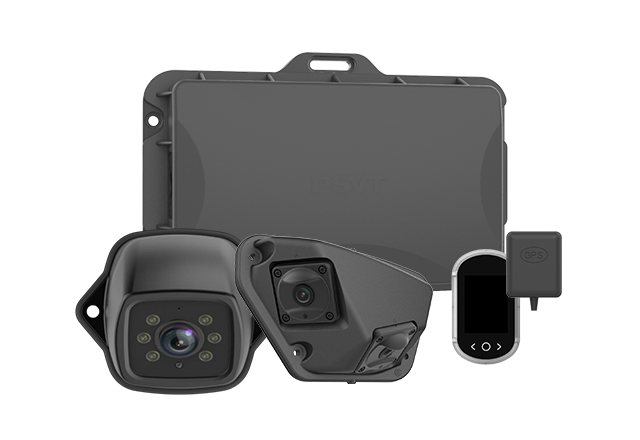
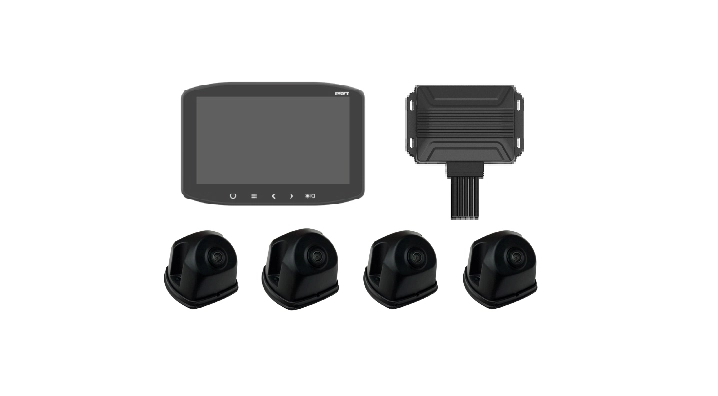
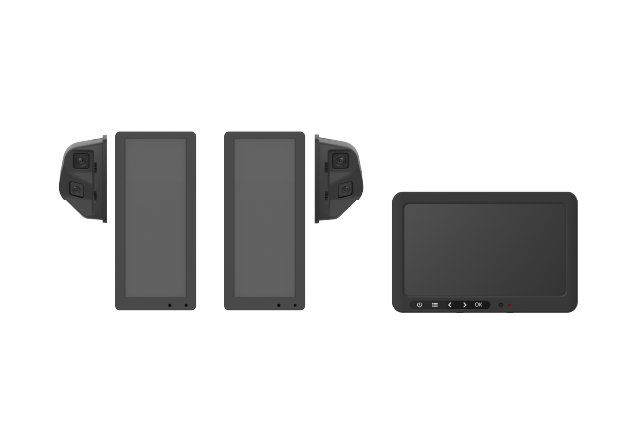
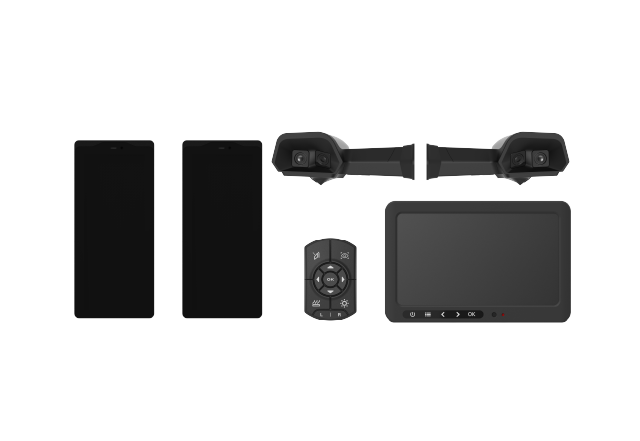
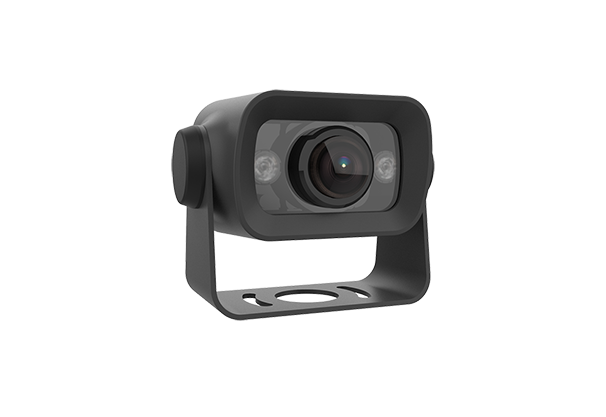
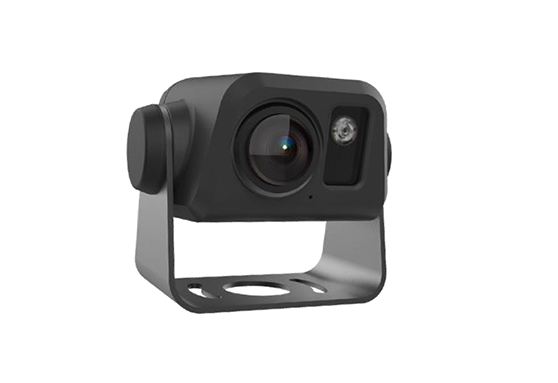
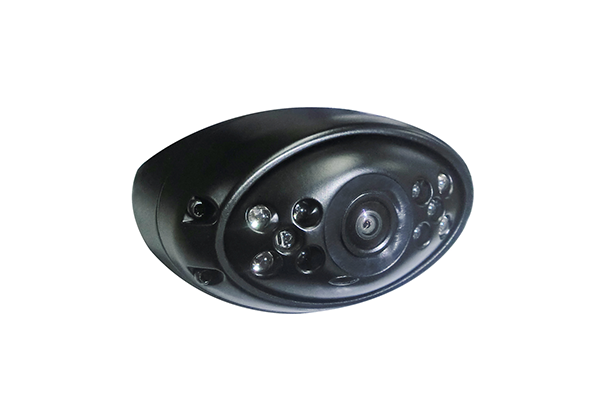
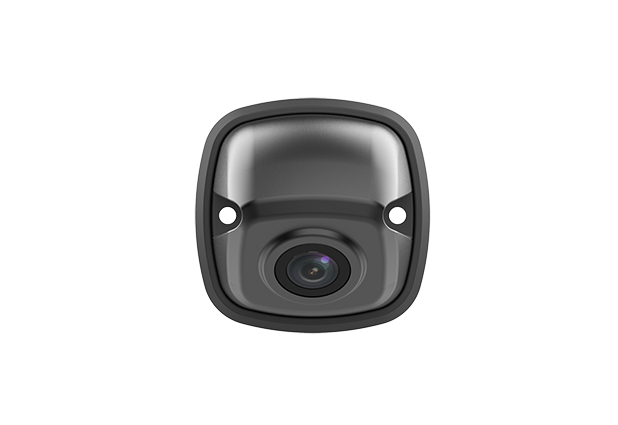
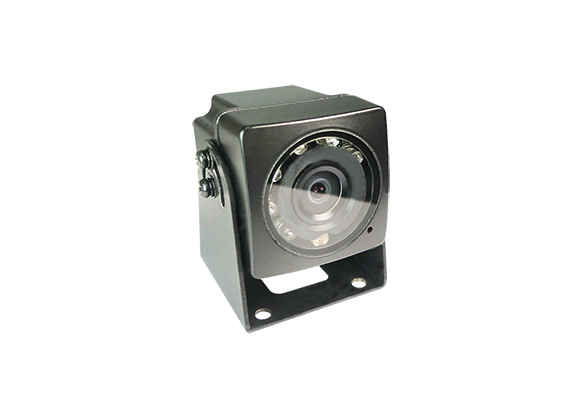
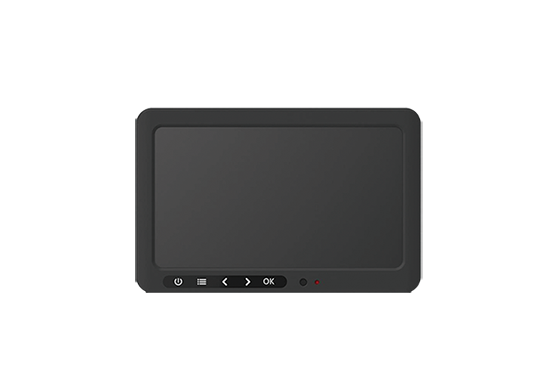
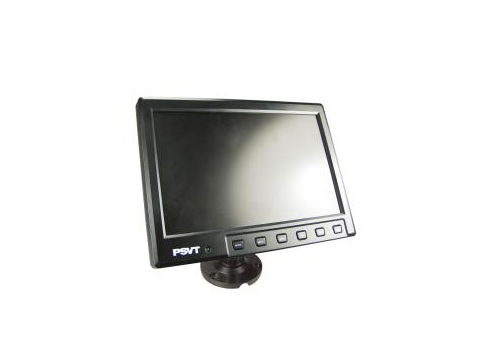
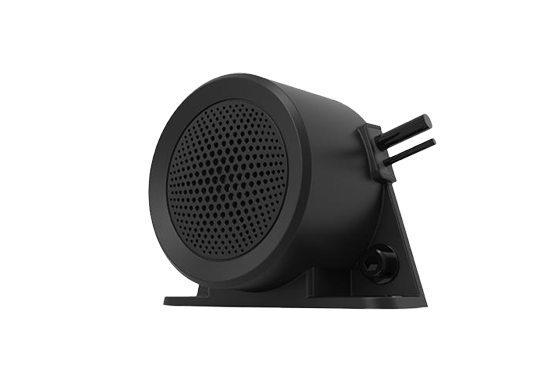
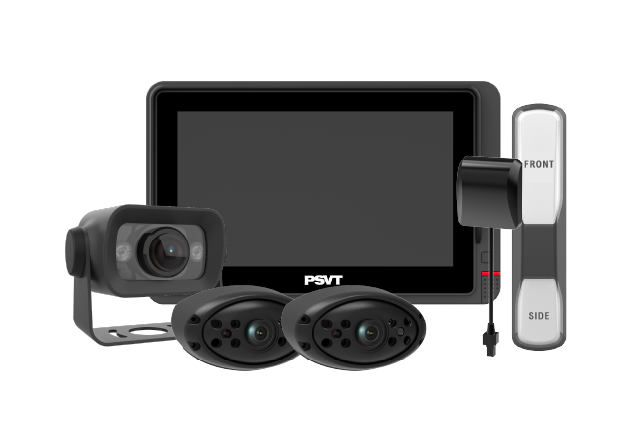
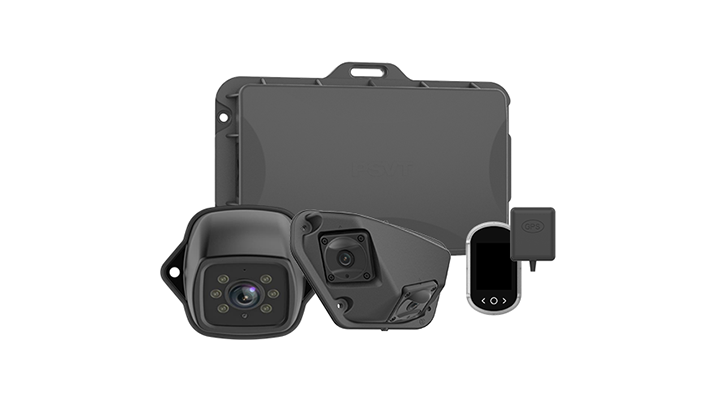
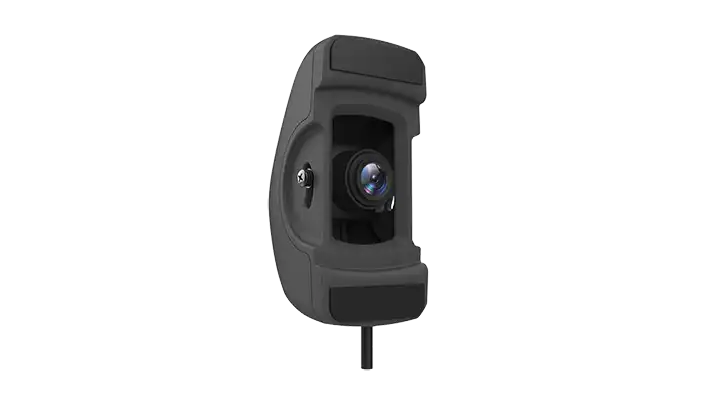
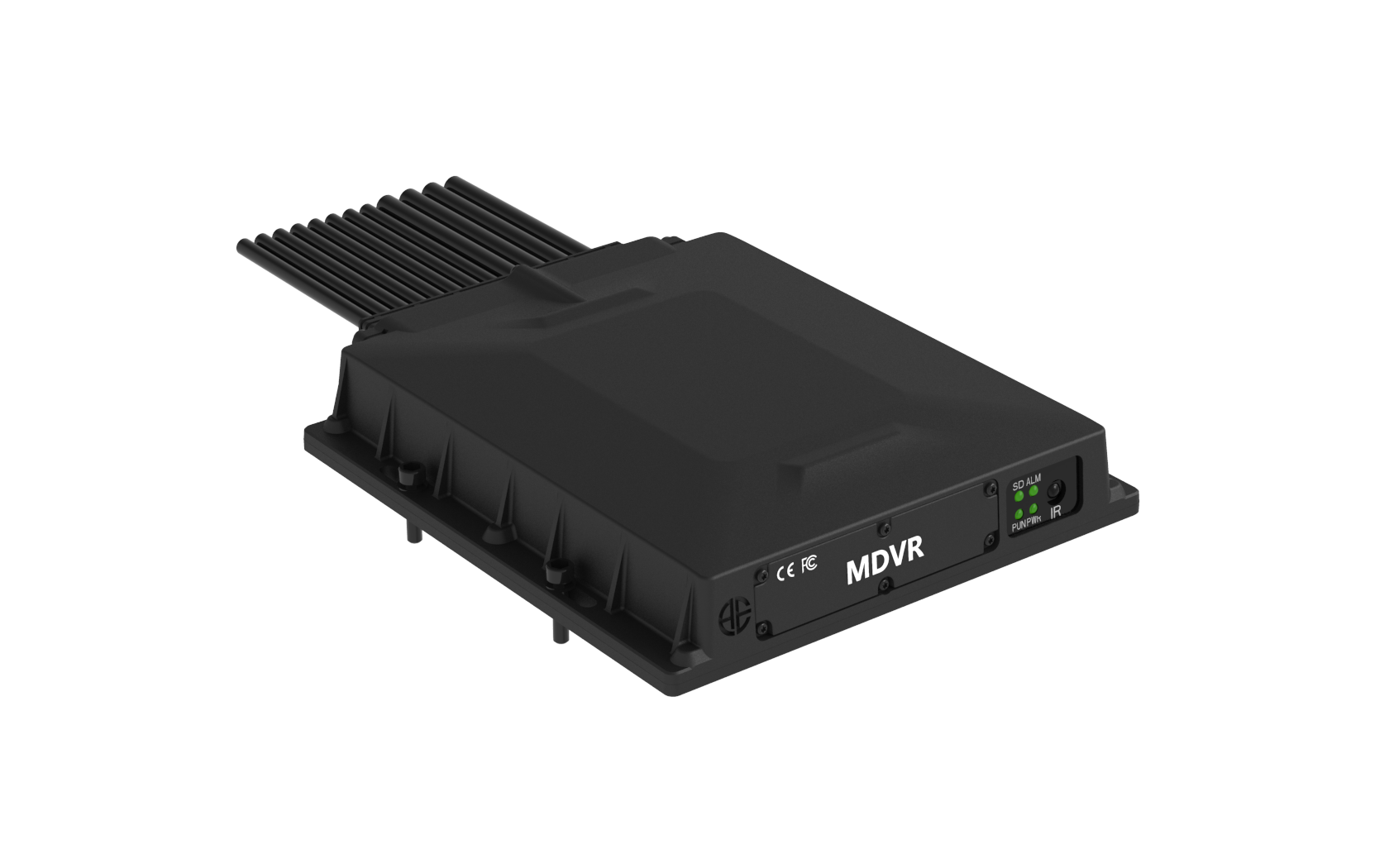
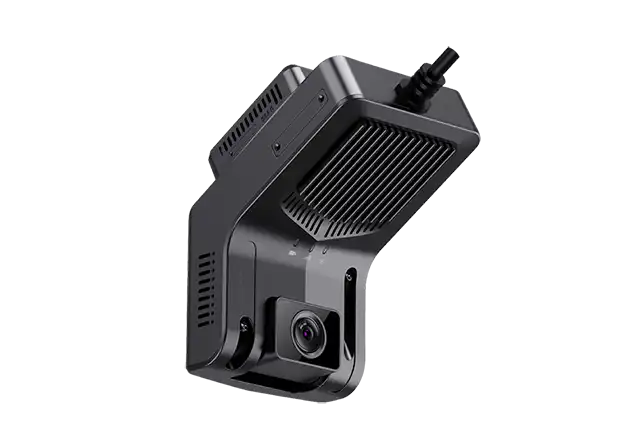
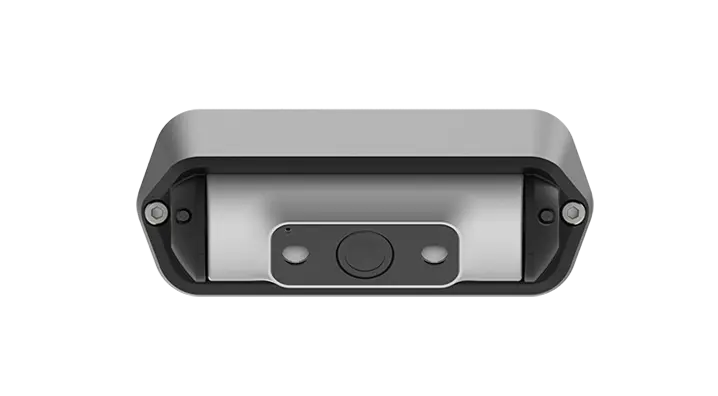
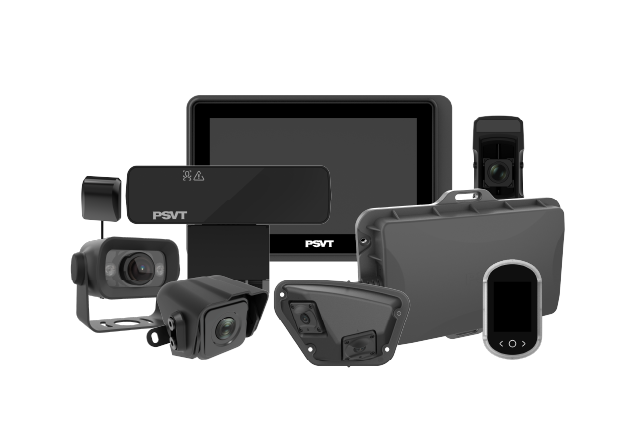
A blind spot camera for semi trucks is a vehicle camera system designed to show areas the driver cannot easily see. It is usually installed on the side, rear, or front corner of the truck. The video is shown on an in-cab display. Some systems also include warning lines, detection zones, or audio alerts.
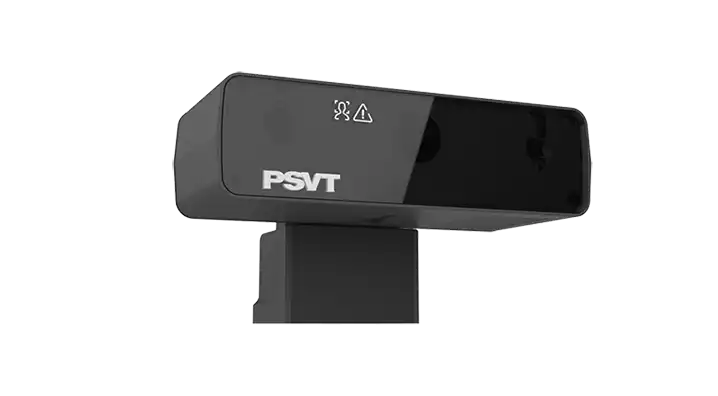
A basic blind spot camera for semi trucks provides live video. An advanced blind spot camera for semi trucks may include artificial intelligence. AI means the system can identify pedestrians, cyclists, or vehicles. It can then warn the driver when a target enters a risk zone.
The most common installation areas include:
For fleets, the best blind spot camera for semi trucks is not always the most expensive system. The best system is the one that fits the vehicle, route, driver workflow, and safety objective.
Fleet safety is not only about preventing crashes. It is also about controlling business risk. A blind spot camera for semi trucks can support multiple business goals at once.
Consider these common fleet concerns:
A blind spot camera for semi trucks helps reduce uncertainty around close-proximity maneuvers. It gives drivers visual confirmation before they move. That can lower stress in crowded streets, warehouses, ports, and distribution yards.
The return on investment is not only measured by avoided collisions. It can also come from fewer near-miss complaints, smoother training, stronger safety culture, and better driver confidence. For B2B fleets, those benefits are real.
A blind spot camera for semi trucks is most valuable when risk builds quickly. This often happens at low or medium speed. The driver may be checking mirrors, traffic lights, route signs, and nearby vehicles at the same time.
Right turns are among the most challenging maneuvers for long vehicles. A cyclist or pedestrian can enter the side zone at the wrong moment. A blind spot camera for semi trucks helps the driver check that area before and during the turn.
This is especially important in cities with bike lanes. The camera can show movement close to the cab and trailer. If the system includes AI detection, it may also provide an alert when a vulnerable road user is nearby.
A vehicle can disappear beside a long trailer. Mirrors help, but they may not show the full side zone. A blind spot camera for semi trucks gives a more direct view of the adjacent lane.
For highway fleets, a blind spot camera for semi trucks can support safer merges. It can also help new drivers build better awareness of trailer length and vehicle position.
Many incidents happen at low speed. They may not be fatal, but they cost money. Damaged doors, posts, trailers, and parked vehicles create downtime. A blind spot camera for semi trucks helps drivers see tight spaces before contact happens.
A camera view can be useful during reversing, docking, and trailer positioning. It also helps when the truck works around forklifts, workers, and other vehicles.
Mirrors can become less useful in dark or wet conditions. Glare, water, and poor lighting reduce visibility. A high-quality blind spot camera for semi trucks can improve the driver’s view in these conditions.
Look for features like wide dynamic range, low-light performance, and heating. These details matter in real fleet operations.
Buying a blind spot camera for semi trucks should not be treated as a simple accessory purchase. It is a safety technology decision. The wrong system may create false confidence. The right system can support daily operations.
A good blind spot camera for semi trucks should offer clear video in day and night. Resolution matters, but image processing also matters. A camera with strong low-light performance can be more useful than a camera with a high pixel count alone.
Look for:
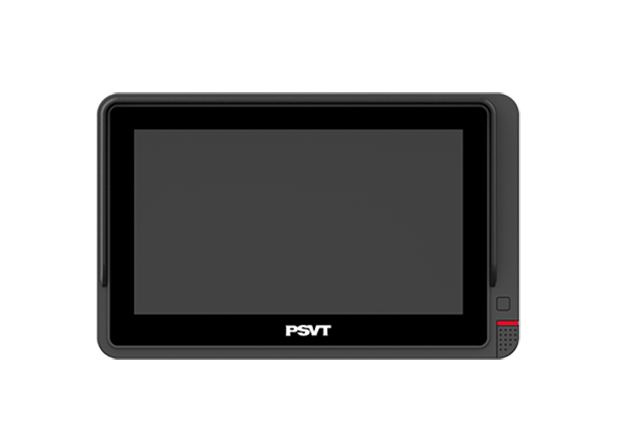
A blind spot camera for semi trucks must be easy to use. If the display is poorly placed, drivers may ignore it. If the screen is too distracting, it can create another problem.
The display should support quick checks. It should not block the windshield. It should not require the driver to look too far away from the road.
An AI blind spot camera for semi trucks can detect specific objects. It may recognize pedestrians, cyclists, vehicles, and obstacles. This adds value in complex environments.
However, alerts must be accurate. Too many false alarms can annoy drivers. Too few alarms can reduce trust. Fleet managers should ask suppliers about detection accuracy, false positive control, and calibration.
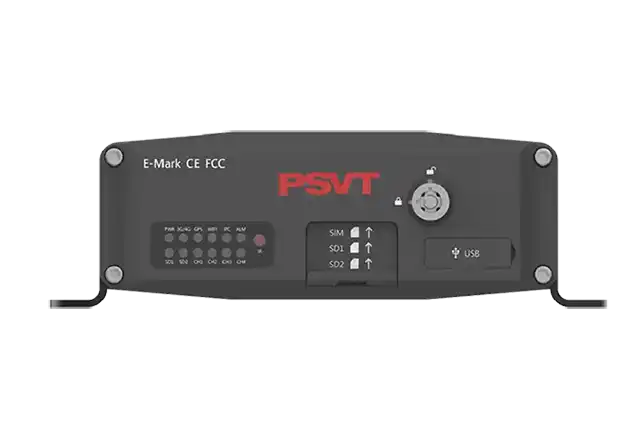
Some fleets want a blind spot camera for semi trucks with video recording. This can help review incidents, verify claims, and improve training. Recorded video can also support coaching after near misses.
For fleets with many vehicles, cloud access may be useful. For smaller fleets, local storage may be enough.
A blind spot camera for semi trucks works in tough environments. Rain, dust, vibration, washing, and temperature changes are normal. Choose automotive-grade hardware where possible.
Serviceability matters too. If a camera fails, the fleet needs quick replacement. Standard connectors, clear wiring, and strong mounting design can reduce maintenance time.
Many fleets ask whether they need radar, mirrors, or a blind spot camera for semi trucks. The answer is usually not “one or the other.” Each technology has strengths.
Mirrors are simple and always visible. Radar can detect objects in poor weather. A blind spot camera for semi trucks gives the driver visual confirmation. When combined, these tools can create a stronger safety layer.
A camera is especially useful because drivers can see what is happening. Radar may say something is there. The camera shows what it is. That makes a blind spot camera for semi trucks valuable for driver trust.
For high-risk applications, radar and camera fusion may be the best choice. Fusion means the system combines sensor data. It can improve reliability in rain, fog, darkness, and busy traffic.
A successful rollout starts with planning. Do not install a blind spot camera for semi trucks on every vehicle without a clear process.
Use this step-by-step approach:
A blind spot camera for semi trucks should fit the driver’s workflow. Drivers need to understand when to check the display. They also need to trust the warning logic.
Even a good blind spot camera for semi trucks can fail if the project is poorly managed. Fleet managers should avoid these mistakes:
A blind spot camera for semi trucks is a tool. It works best with clear policy, proper installation, and driver acceptance.
The market is moving toward better visibility. In Europe, newer safety rules require more attention to blind spots and vulnerable road users. Many cities are also raising expectations for heavy vehicle safety.
This trend affects global fleets. Even if a fleet operates outside Europe, customers may still ask about safety technology. A blind spot camera for semi trucks can help demonstrate a proactive safety approach.
For OEMs and upfitters, camera systems can also support product differentiation. A well-integrated blind spot camera for semi trucks can make a vehicle package more attractive to logistics firms, construction fleets, and urban delivery operators.
The supplier matters as much as the product. A blind spot camera for semi trucks must work in real conditions, not only in a showroom.
Ask suppliers these questions:
A reliable supplier should answer with clear data and practical examples. They should also understand fleet operations. A blind spot camera for semi trucks is not just electronics. It is part of a safety workflow.
No. A blind spot camera for semi trucks can be installed on many existing vehicles. Retrofit projects are common for fleets that want faster safety upgrades.
No. A blind spot camera for semi trucks supports mirrors. Drivers should still use mirrors, signals, checks, and safe speed.
Yes. A blind spot camera for semi trucks can show drivers where risk builds. Video review can make coaching more specific.
For many fleets, yes. An AI blind spot camera for semi trucks can highlight moving people, cyclists, and vehicles. This can help drivers focus on critical risk.
A fleet-ready blind spot camera for semi trucks should be durable, easy to install, easy to maintain, and trusted by drivers.
A blind spot camera for semi trucks is a smart fleet investment. A blind spot camera for semi trucks is one of the most practical visibility upgrades a fleet can make. It helps drivers manage the areas where mirrors have limits. It supports safer lane changes, turns, docking, and urban driving.
The best results come from a complete approach. A blind spot camera for semi trucks performs best when the fleet treats it as a process. Choose the right camera. Place the display correctly. Train drivers. Review feedback. Maintain the hardware. When these steps work together, a blind spot camera for semi trucks becomes more than a device. It becomes part of a stronger safety culture.
For fleet managers, the message is clear. The road environment is getting more complex. Customers expect safer operations. Regulations are moving in the same direction. A blind spot camera for semi trucks gives fleets a practical way to improve visibility, support drivers, and reduce avoidable risk.