UN Regulation R151/R159/R158
View More







For fleet managers today, cost pressure has reached unprecedented levels. While fuel prices fluctuate, one expense category continues to rise relentlessly: commercial vehicle insurance.
With double-digit premium increases year over year and the growing prevalence of “nuclear verdicts”—jury awards exceeding $10 million—a single serious accident can now threaten the survival of a small or mid-sized fleet. In this environment, traditional risk management approaches are no longer enough.
Driver training alone cannot mitigate today’s exposure. What fleets now require is real-time, data-driven protection.
This is where AI Dashcams have evolved from optional accessories into essential risk-control infrastructure.
For years, fleets relied on basic dashcams as passive recording devices. These cameras functioned like black boxes—capturing footage that was reviewed only after an incident occurred.
While this approach offered some value, it had a major limitation:
It was purely reactive.
By the time footage was reviewed:
In today’s risk environment, reactive safety is insufficient.
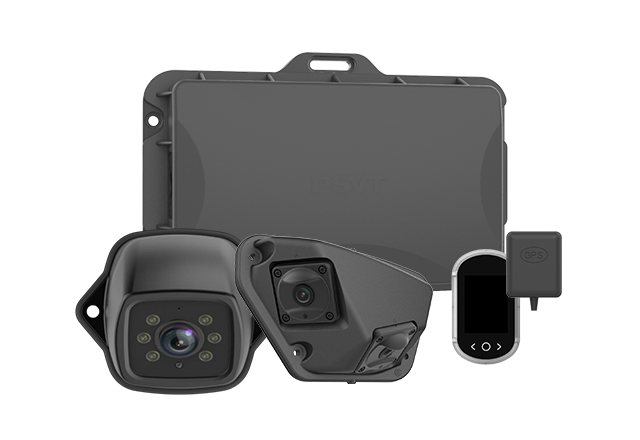
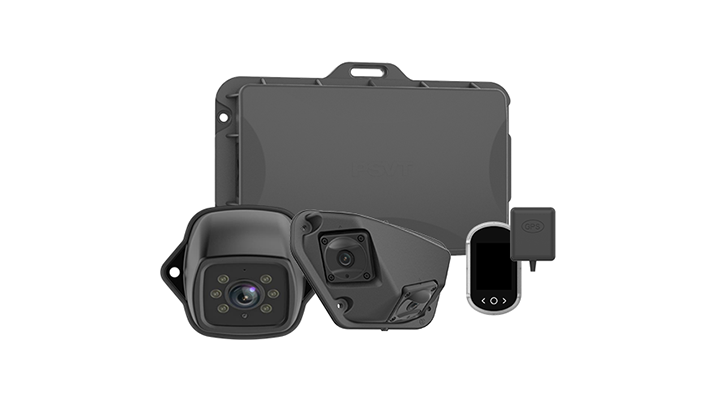
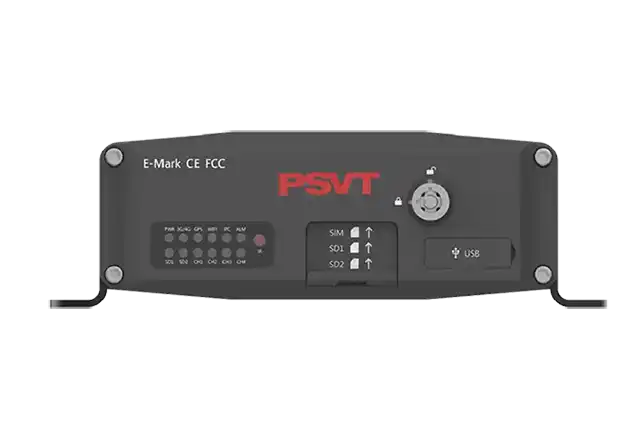
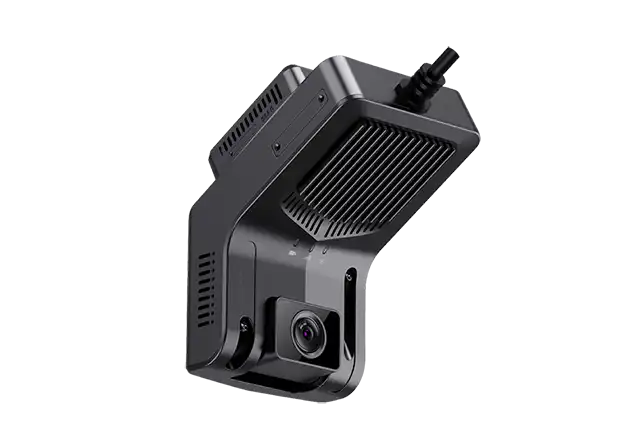
Modern fleet safety requires active intervention, not just documentation. That is the design philosophy behind the AUTOEQUIPS AE DVRD04 AI Dashcam—a system engineered to prevent incidents before they happen and protect fleets when they do.
Consider a common real-world scenario:
A truck is traveling at a legal speed. A passenger vehicle suddenly cuts across multiple lanes to exit and clips the truck’s front bumper. Despite clear circumstances, commercial drivers are often presumed at fault due to the “deep pockets” bias.
Without video evidence, insurance disputes can drag on for months—and often end unfavorably.
The AUTOEQUIPS AE DVRD04 captures:
This data creates an objective, time-stamped record of events.
As a result, fleets can:
In many cases, a single exonerated incident can offset the entire cost of deployment.
While post-incident protection is critical, accident prevention delivers the highest ROI.
The AE DVRD04 integrates two advanced AI safety systems:
Fatigue and distraction remain the leading causes of severe commercial vehicle accidents.
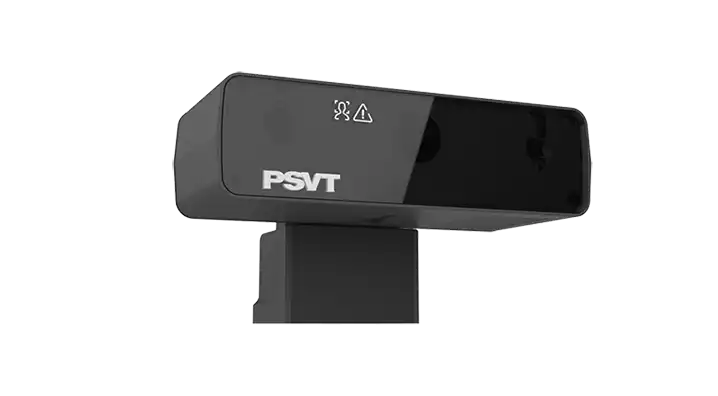
The DSM module continuously analyzes:
When risky behavior is detected, the system issues real-time in-cab alerts, allowing drivers to correct behavior before danger escalates.
This intervention often prevents:
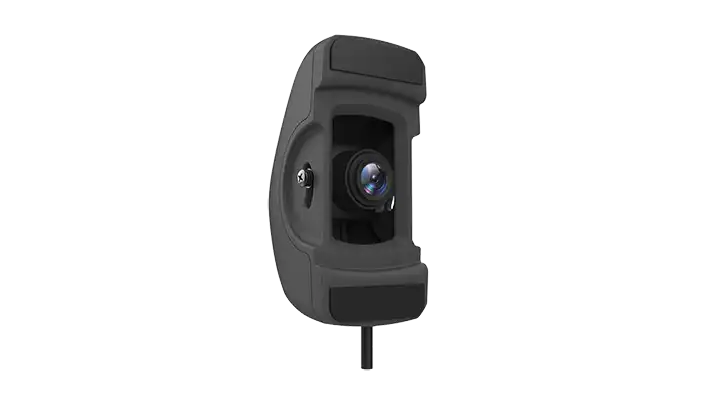
The forward-facing AI camera monitors road conditions and vehicle dynamics in real time, enabling:
By identifying threats earlier than human reaction time, ADAS dramatically reduces accident frequency—an outcome insurers increasingly reward with better underwriting terms.
One of the most common complaints about safety technology is alert fatigue. Excessive or inaccurate warnings lead drivers to ignore or disable systems altogether.
AUTOEQUIPS solves this through:
For example:
This precision ensures that alerts are meaningful, actionable, and trusted by drivers and fleet managers alike.
In today’s operating environment, safety is no longer a compliance issue—it is a financial strategy.
The AUTOEQUIPS AE DVRD04 delivers measurable value by:
This is not an expense. It is a defensive investment against rising risk and cost volatility.