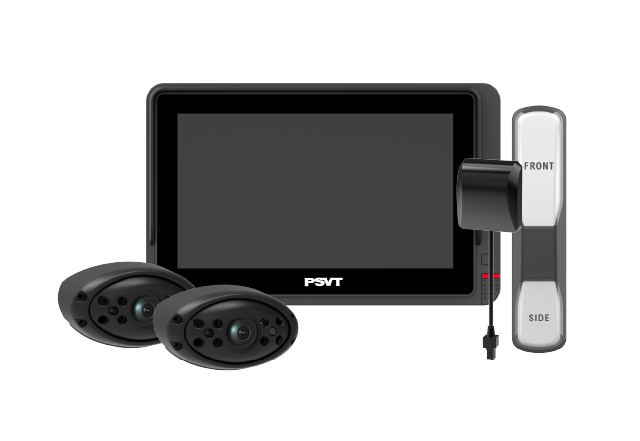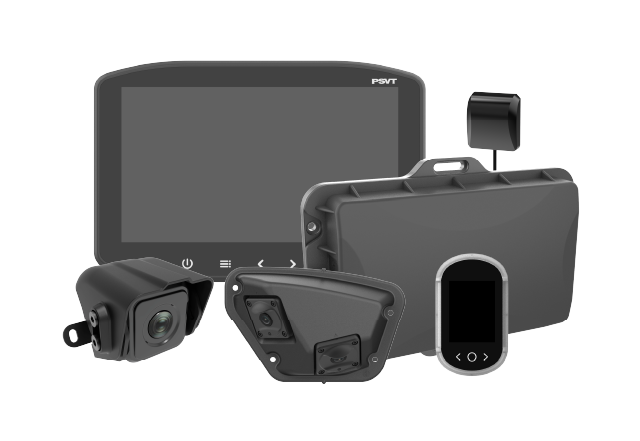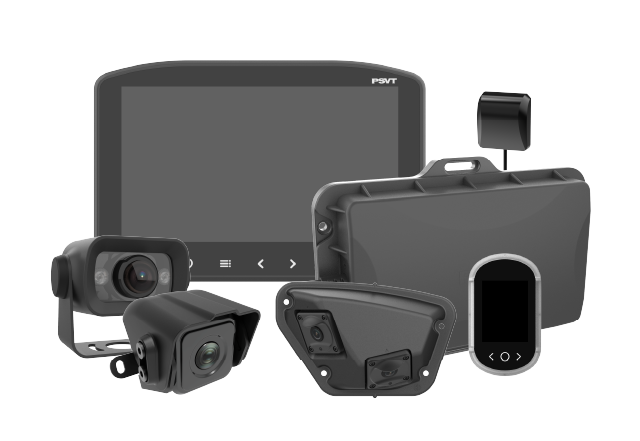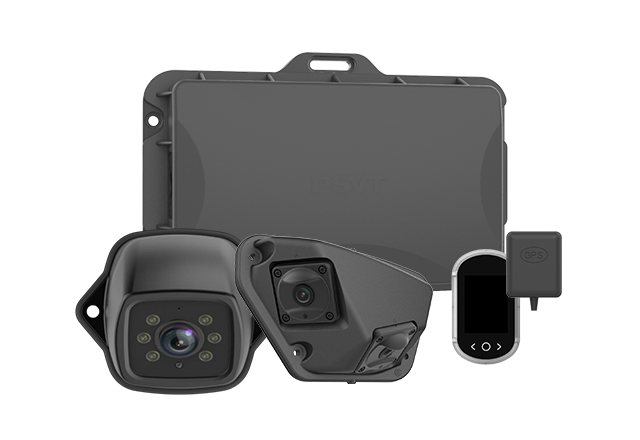
UN Regulation R151/R159/R158
View More

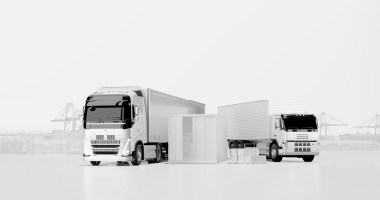
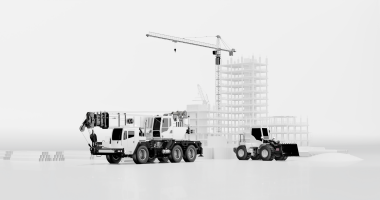
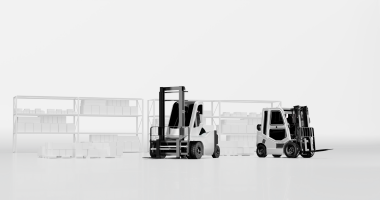
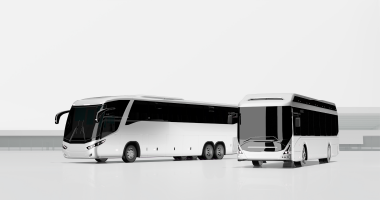






For decades, blind spots have remained one of the most persistent safety challenges in the commercial vehicle industry. From heavy-duty trucks and buses to construction and industrial machinery, limited visibility around large vehicles continues to be a leading cause of pedestrian-related accidents and workplace injuries.
Traditional safety solutions—such as mirrors or basic ultrasonic sensors—offered early attempts at risk mitigation. While ultrasonic sensors represented a step forward, they introduced a critical limitation: they detect objects, not people. These systems cannot distinguish between a pedestrian, a traffic cone, a wall, or roadside vegetation. As a result, drivers are exposed to constant non-critical alerts.
In complex operating environments such as construction sites, logistics hubs, or dense urban areas, excessive alarms quickly lead to alert fatigue. When warnings occur too frequently or without context, drivers may ignore them altogether—negating the original safety purpose.
AI Pedestrian Detection Cameras represent a fundamental shift from simple proximity sensing to context-aware perception.
Unlike ultrasonic or motion-based systems, AI cameras use deep learning algorithms trained on extensive datasets containing pedestrians, cyclists, vehicles, and real-world traffic scenarios under varied lighting, weather, and angles. This allows the system not merely to capture images, but to interpret the scene in real time.
Key functional advantages include:
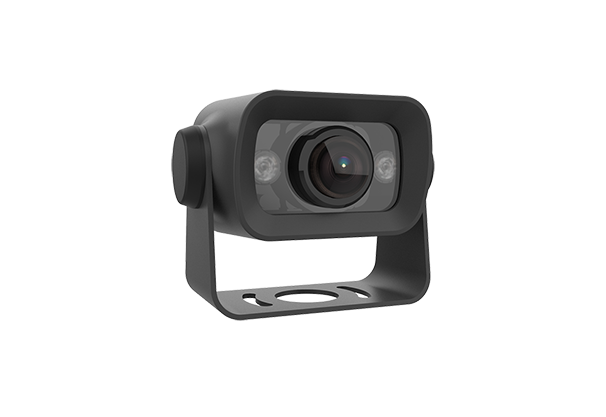
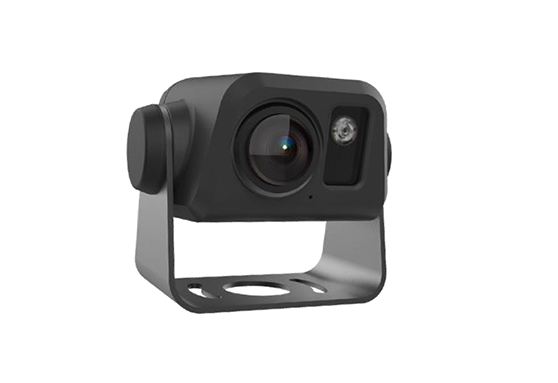
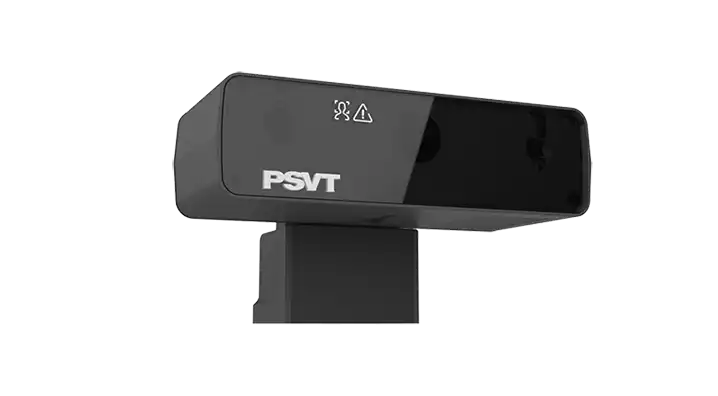
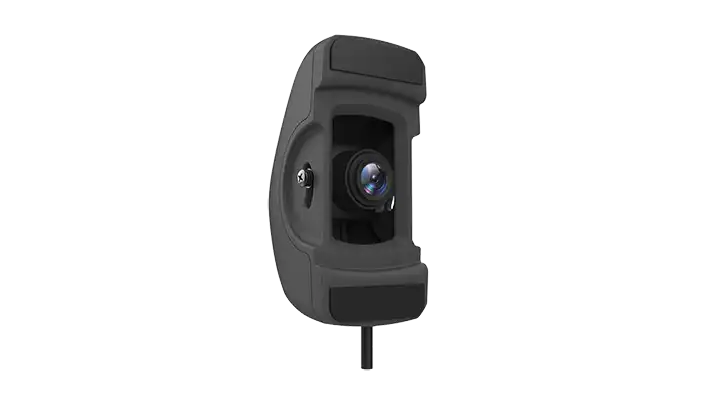
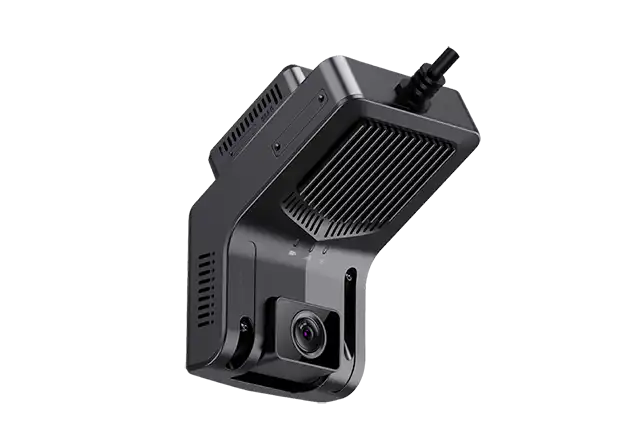
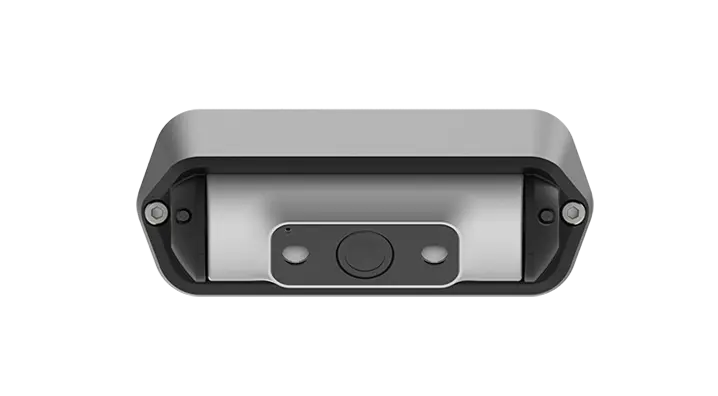
The AUTOEQUIPS CS50J AI Pedestrian Detection Camera is engineered specifically for commercial and industrial vehicle applications, where reliability, accuracy, and regulatory readiness are critical.
By integrating a high-performance Neural Processing Unit (NPU) directly into the camera housing, the CS50J processes AI inference locally—delivering real-time detection without reliance on external computing units.
Powered by a proprietary deep learning model, the CS50J accurately identifies moving hazards in blind-spot and near-vehicle zones:
This classification capability ensures alerts are meaningful, timely, and actionable.
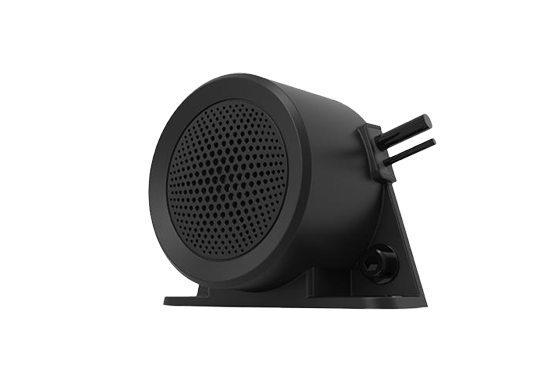
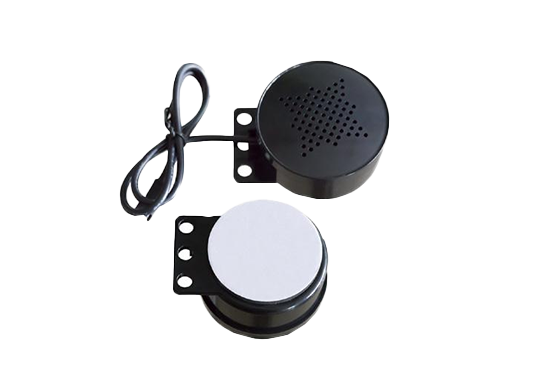
Accident prevention requires more than passive video recording. The CS50J delivers active safety intervention through a dual-alert mechanism:
This closed-loop warning approach significantly improves reaction time in high-risk scenarios.
Commercial vehicles operate in environments where safety systems must perform consistently. The CS50J is designed accordingly:
These features make the CS50J suitable for construction fleets, mining vehicles, municipal trucks, and logistics operations.
Deploying AI Pedestrian Detection Camera technology is not only a safety upgrade—it is a strategic investment in fleet performance.
As global regulations increasingly focus on Vulnerable Road User (VRU) protection, the limitations of traditional proximity sensors are becoming more apparent. The industry is moving decisively toward intelligent vision-based safety systems.
The AUTOEQUIPS CS50J AI Pedestrian Detection Camera represents the next generation of blind-spot protection—combining deep learning intelligence, industrial-grade reliability, and actionable driver alerts. By enabling vehicles to distinguish between harmless objects and human life, AI cameras are redefining what effective fleet safety truly means.