UN Regulation R151/R159/R158
View More










In today’s commercial vehicle landscape, safety is no longer optional—it’s strategic. As global initiatives like “Vision Zero” push toward eliminating traffic fatalities, technologies such as the 360° SVM (Surround View Monitor) have evolved from premium add-ons into essential fleet safety systems. For procurement managers and fleet operators, choosing the right solution directly impacts operational efficiency, liability exposure, and long-term ROI.
However, not all 360° SVM systems deliver the same level of performance. A poorly selected system can introduce blind spots, increase maintenance costs, and frustrate drivers. This guide explores the five critical features that define a high-performance 360° SVM, helping you make a smarter, future-proof investment.
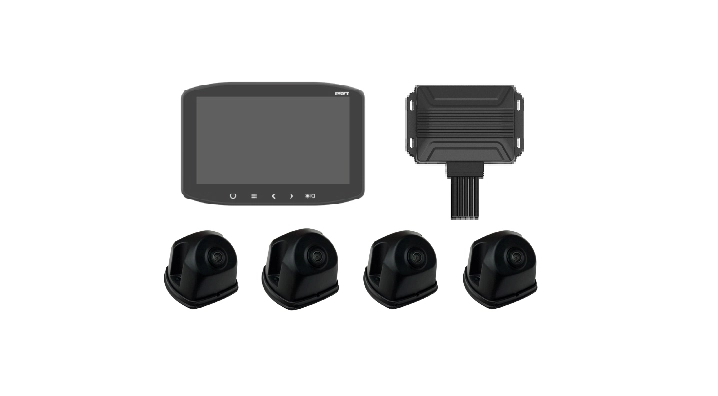
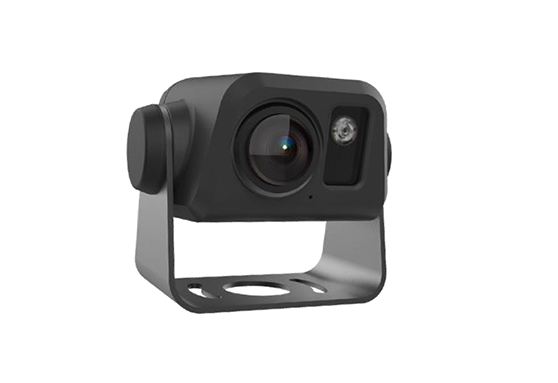
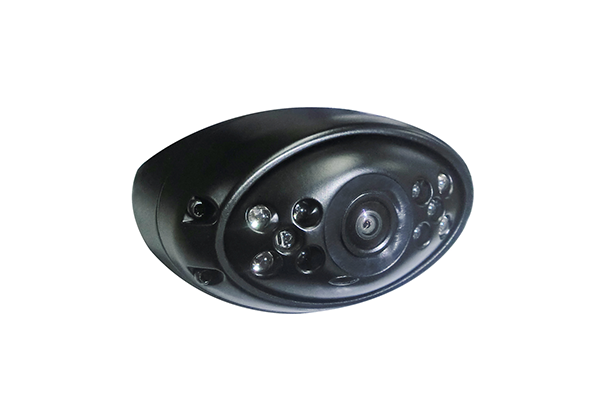
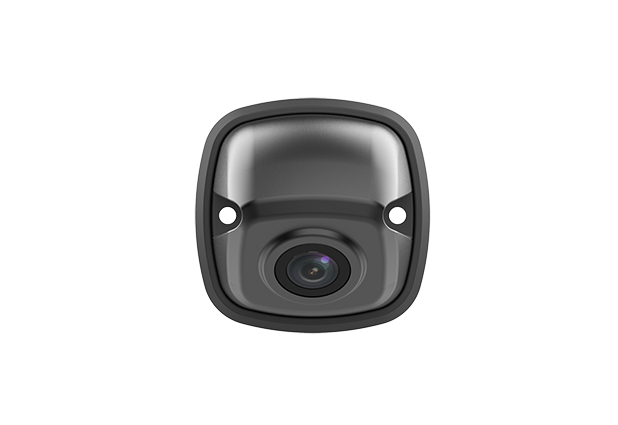
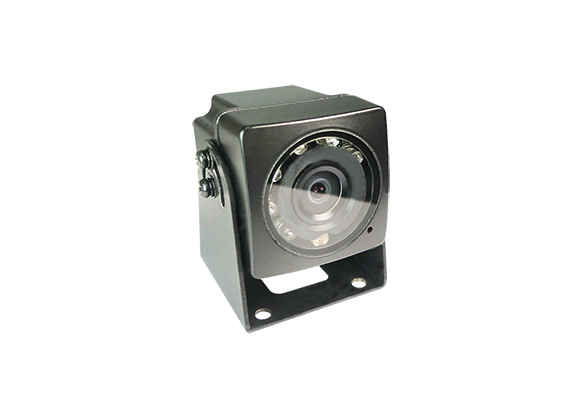
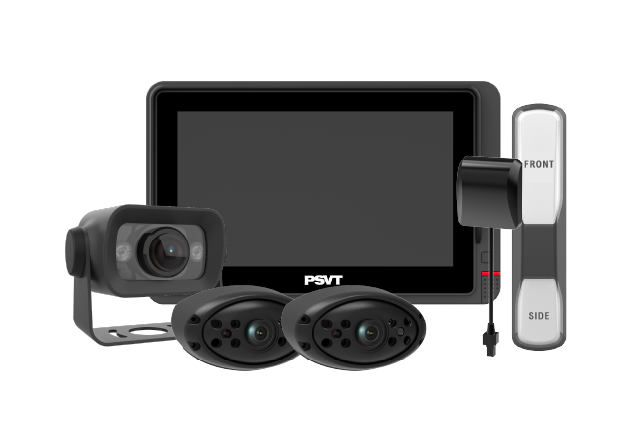
A 360° SVM provides a real-time bird’s-eye view of a vehicle by combining images from multiple ultra-wide-angle cameras. Systems like the CB346-AI 360° Surround View Monitor go beyond basic visualization by integrating AI and advanced processing to actively enhance safety.
For large vehicles—such as trucks, buses, and construction equipment—traditional mirrors leave significant blind spots. A 360° SVM eliminates these gaps, giving drivers full situational awareness in complex environments like urban streets, loading docks, and job sites.
The core of any 360° SVM is its ability to create a seamless bird’s-eye view. Lower-end systems often suffer from “ghosting” or visible seams where camera images overlap. These distortions can obscure hazards such as pedestrians, cyclists, or small obstacles.
Modern systems like the CB346-AI 360° Surround View Monitor utilize dynamic 3D stitching algorithms. This ensures a smooth, continuous image with accurate spatial alignment—essential for driver confidence and safety.
In real-world driving, even a half-second delay can lead to accidents. A high-quality 360° SVM delivers near real-time video with minimal latency, ensuring drivers react to what is happening now—not what happened moments ago.
Fleet vehicles operate in demanding conditions, from construction sites to long-haul routes. A reliable 360° SVM must be built to withstand these environments.
Look for systems with IP69K-rated cameras, meaning they can endure high-pressure, high-temperature washdowns—common in fleet maintenance. This ensures long-term reliability in rain, mud, dust, and extreme temperatures.
Heavy-duty vehicles generate constant vibration. Industrial-grade SVM systems are tested for shock and vibration resistance, preventing internal component failure and reducing downtime.
Traditional systems require manual calibration using measurements and alignment markers—a time-consuming process that can take vehicles out of service for hours.
Modern 360° SVM solutions streamline this with one-touch auto-calibration. Using calibration mats and onboard software, systems like the CB346-AI 360° Surround View Monitor can align cameras in minutes, significantly lowering installation costs.
A flexible 360° SVM should adapt to different vehicle sizes and configurations. Whether your fleet includes vans, rigid trucks, or articulated vehicles, a modular system ensures consistent performance without requiring a redesign.
A basic monitor provides visibility. An advanced 360° SVM provides intelligence.
AI-enabled systems analyze video feeds in real time to detect objects in blind zones. When a pedestrian or cyclist enters a danger zone, the system triggers visual and audible alerts.
Systems like the CB346-AI 360° Surround View Monitor use deep learning algorithms to recognize human shapes and movement patterns. This reduces driver workload and improves reaction times—especially in busy urban environments.
In the event of an accident, video evidence is invaluable. A 360° SVM with recording capabilities allows fleet managers to capture full סביב视角 (surround view) footage—not just a single camera angle.
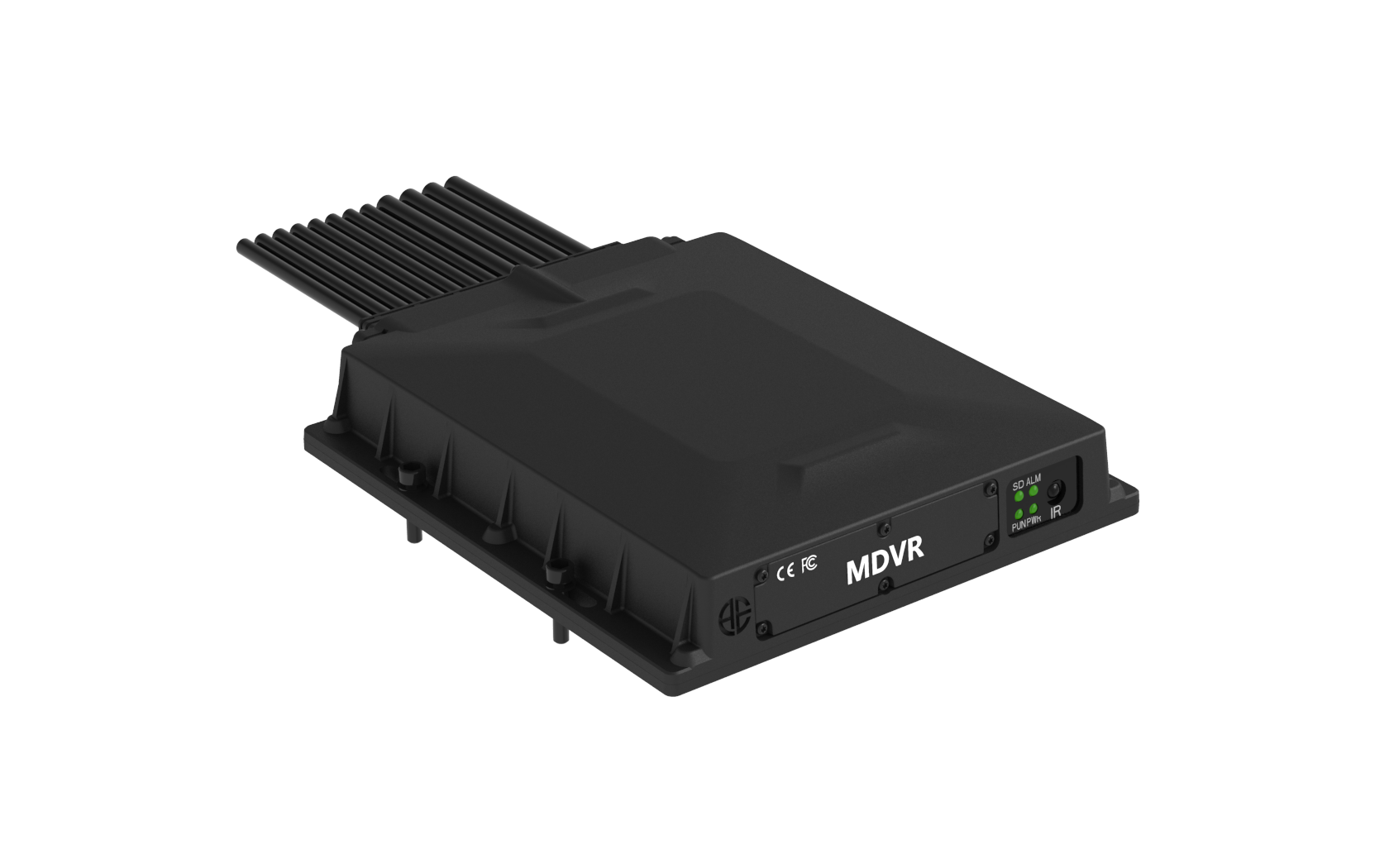
Integration with Mobile Digital Video Recorders (MDVR) ensures that all perspectives are stored and accessible for insurance claims, driver training, and incident analysis.
Advanced systems support 4G/5G connectivity, enabling:
Choosing a 360° SVM is not just about compliance—it’s about building a safer, more efficient fleet operation. While low-cost options may seem attractive, they often lead to higher long-term costs due to poor performance, frequent repairs, and missed safety incidents.
A solution like the CB346-AI 360° Surround View Monitor combines advanced imaging, AI intelligence, and industrial durability—making it a strategic asset rather than just another piece of hardware.
Yes. Advanced systems support trailer integration through wired or wireless connections, enabling seamless communication between tractor and trailer cameras—even when trailers are swapped.
For most fleets, high-quality AHD systems offer the best balance of reliability and performance.
No. A 360° SVM is a supplementary safety system. It enhances visibility by covering blind spots that mirrors cannot see. However, regulatory requirements in most regions still mandate physical mirrors.
A high-quality 360° SVM is more than a monitoring tool—it’s a comprehensive safety solution. By focusing on stitching accuracy, durability, installation efficiency, AI capabilities, and data integration, fleet operators can significantly reduce risks and improve operational performance.
In a world where safety and efficiency define competitiveness, investing in the right 360° SVM ensures your fleet is protected—from every angle.