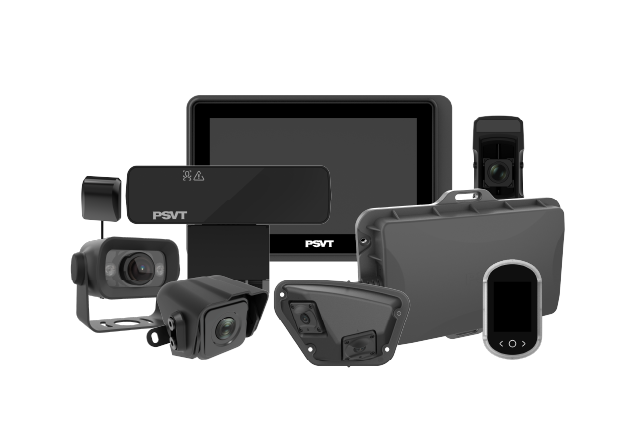
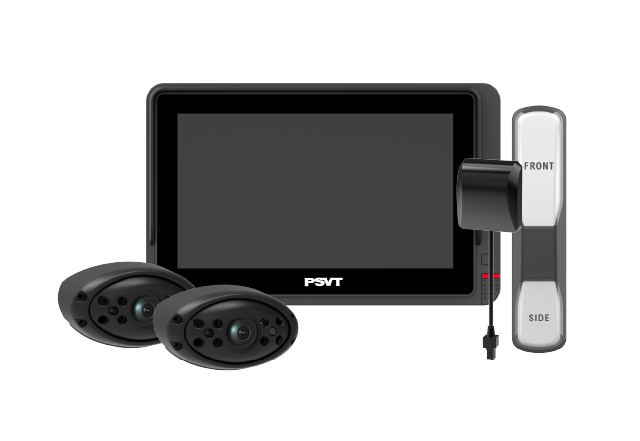
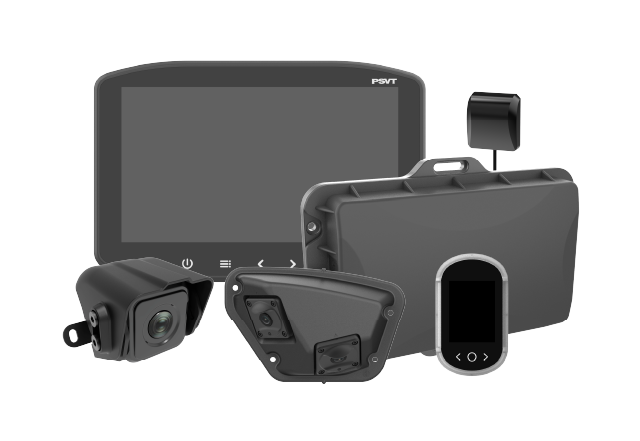
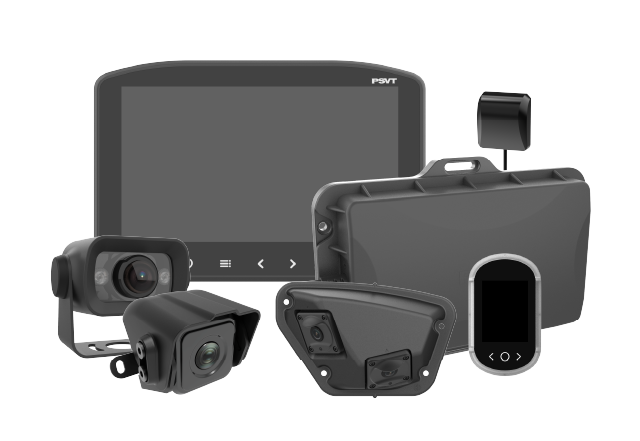
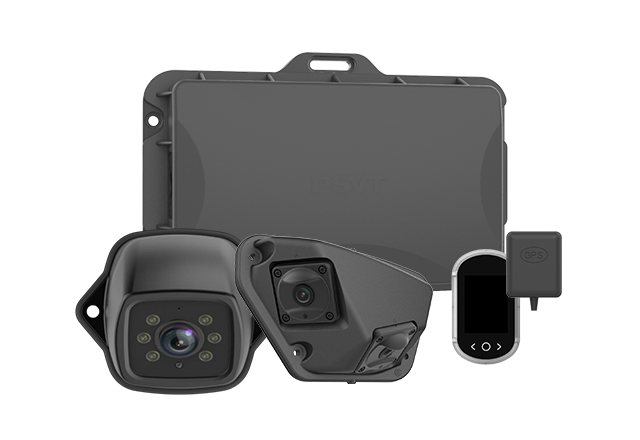
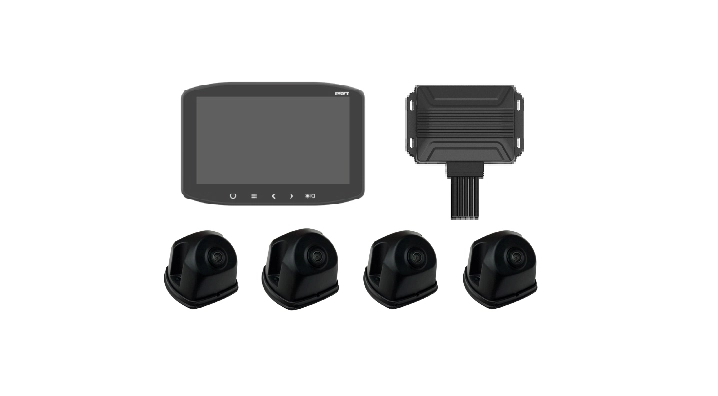
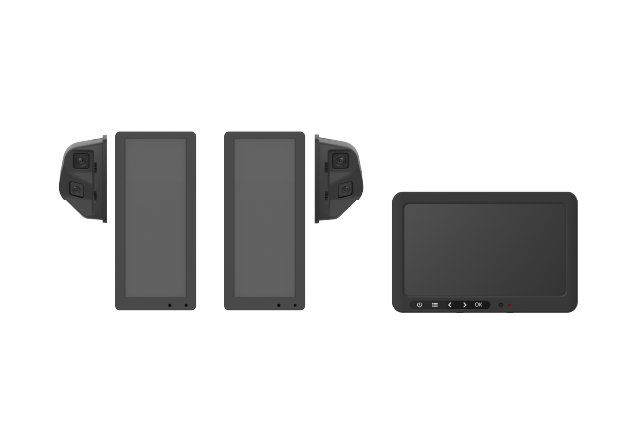
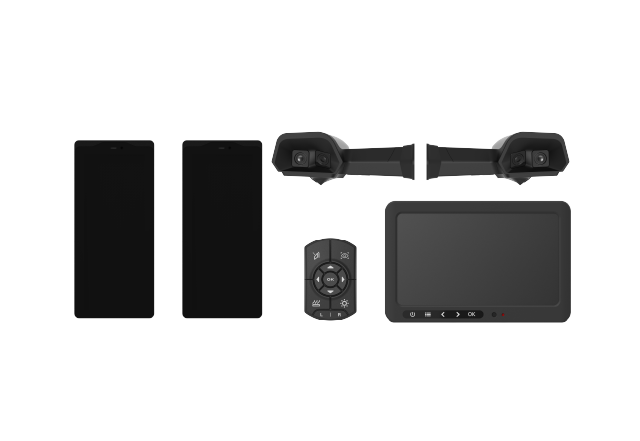



360° Surround View System
UN Regulation R151/R159/R158
View More










In modern logistics and commercial transportation, fleet safety technology is no longer optional — it is a strategic investment that directly impacts operational efficiency, insurance costs, and brand reputation.
As fleet vehicles become larger and urban delivery environments more complex, many fleet managers are evaluating whether traditional rear-view cameras are sufficient or if upgrading to a fleet 360° surround view monitor system is the smarter long-term solution.
This comprehensive B2B guide compares standard backup cameras and advanced surround view systems from a technical, operational, and financial perspective to help decision-makers select the right visibility technology.
For years, rear-view cameras have been the baseline safety tool for commercial vehicles. They successfully reduced reversing accidents and improved parking precision.
However, modern fleet operations now face new challenges:
These factors have accelerated adoption of 360-degree Around View Monitoring (AVM) systems, which provide a full-perimeter visibility solution rather than a single rear-focused perspective.
A standard backup camera system typically includes:
For fleets focused on regulatory compliance or highway-dominant operations, this solution may still be sufficient.
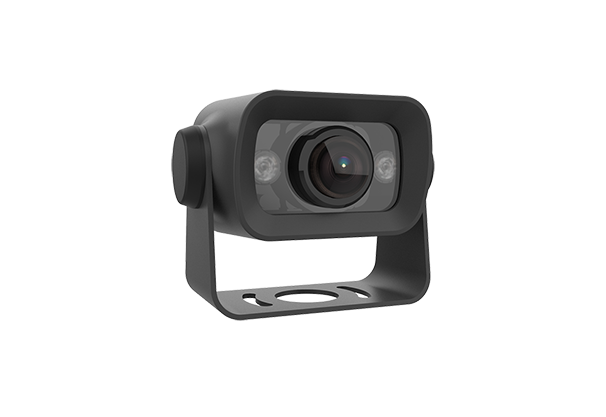
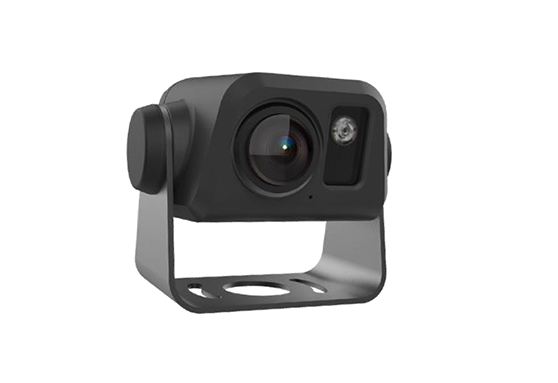
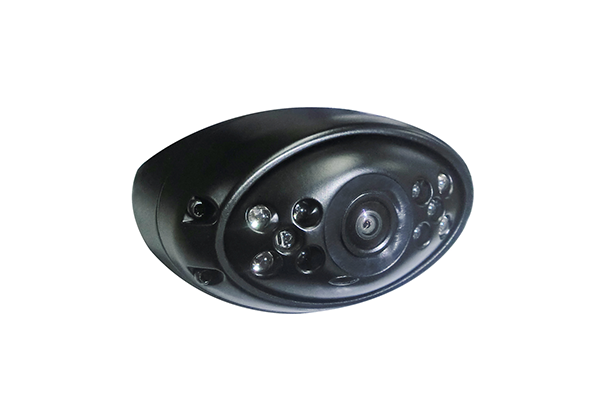
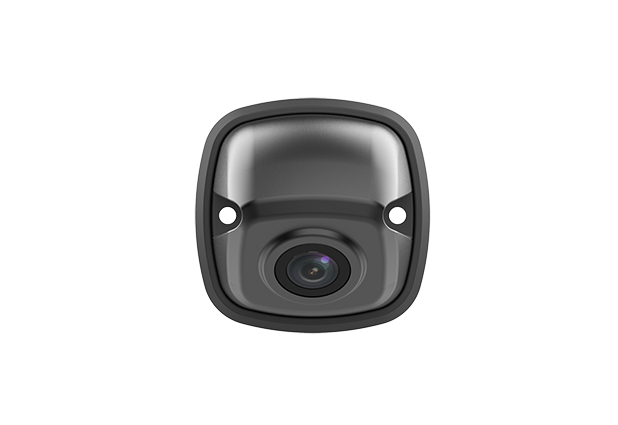
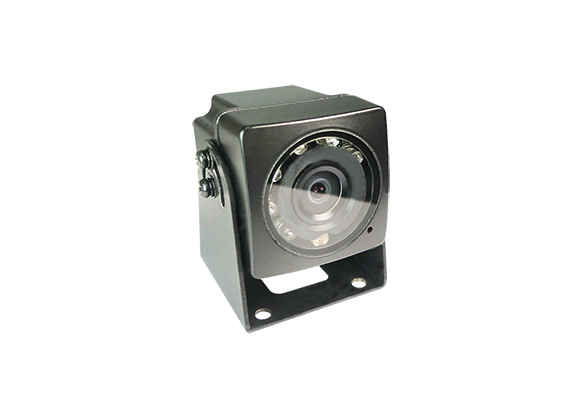
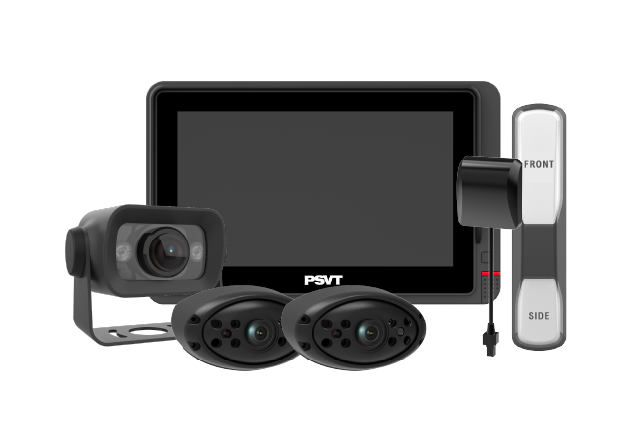
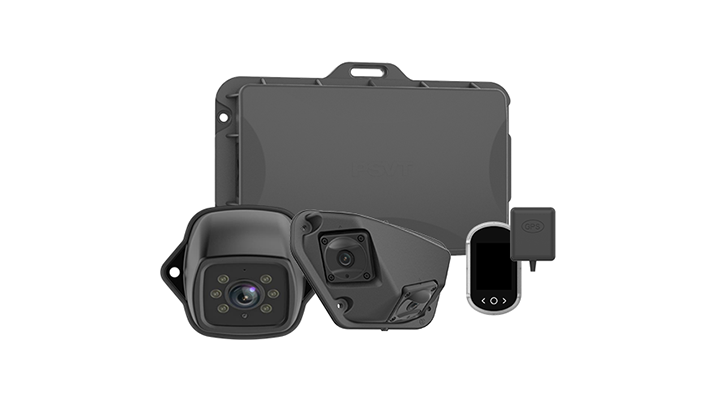
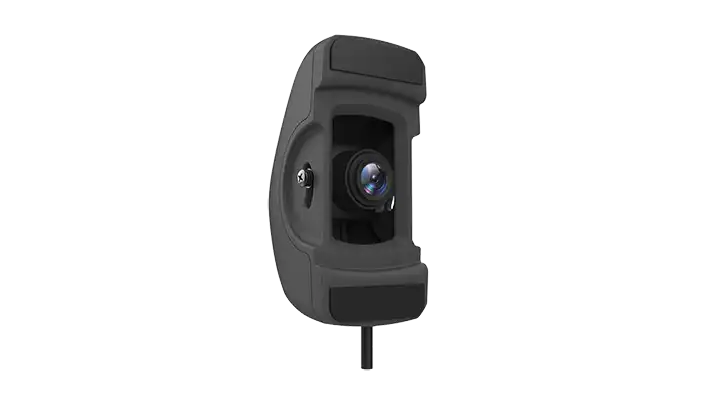
A fleet 360° surround view system uses four to six ultra-wide cameras positioned around the vehicle.
Through real-time image processing, the system generates a bird’s-eye and 3D composite view, allowing drivers to monitor all surrounding areas simultaneously.
This technology is increasingly used in:
The real competitive advantage of surround view technology lies in its intelligent AVM algorithms, which transform multiple camera feeds into a seamless situational awareness platform.
Advanced systems build a digital model of the vehicle and its immediate ground area.
This creates true 360-degree visibility and effectively eliminates dangerous blind zones — particularly along the trailer sides and front-right turning area.
Drivers can instantly switch between:
This improves precision during docking, turning, and maneuvering in confined spaces.
Through parameter calibration, AVM systems can adjust to different camera mounting positions and vehicle heights.
This makes them suitable for mixed fleets, reducing deployment complexity.
Professional-grade AVM platforms automatically balance brightness differences between cameras and eliminate stitching lines.
This results in:
For articulated trucks or buses, AVM architecture can scale to six-camera configurations, ensuring continuous monitoring along extended vehicle bodies.
The most critical difference between the two technologies is field of vision.
For high-risk operating environments, surround view systems provide a measurable safety advantage.
Drivers often use the GOAL method (Get Out And Look) when visibility is poor.
A surround view system reduces this need by offering real-time wheel-to-curb positioning.
Benefits include:
Minor incidents such as scraping pillars or hitting loading dock barriers represent significant hidden fleet costs.
360° systems help prevent these frequent yet expensive events.
| Feature | Standard Backup Camera |
360° Surround View System
|
|
Initial Cost
|
Low
|
Moderate–High
|
|
Installation
|
Simple
|
Multi-camera calibration
|
|
Safety Coverage
|
Rear only
|
Full perimeter
|
|
Driver Training
|
Minimal
|
Short adaptation period
|
|
Long-Term ROI
|
Limited
|
High |
For medium-to-large fleets, preventing even a small number of annual side-impact incidents can justify system deployment.
Unlike analog backup cameras, advanced surround view systems can integrate with:
This transforms camera hardware into a data-driven safety ecosystem.
As autonomous driving assistance and AI safety analytics continue to evolve, full-perimeter visual awareness systems will become a core component of fleet technology stacks.
Investing in advanced surround view monitoring today not only improves current safety performance but also prepares fleets for future intelligent transportation systems.
Retrofitting a fleet 360° surround view monitor is more complex than a standard camera because it requires precise mounting of four cameras and a software calibration process to "stitch" the images. However, most B2B providers offer professional installation kits and calibration mats that allow a fleet technician to complete the setup in 2-3 hours per vehicle.
Many insurance providers offer discounts or "safety technology credits" for fleets that implement advanced camera systems. Because a surround view system B2B setup provides 360-degree video evidence, it significantly reduces the cost of investigating claims and prevents "fraudulent" third-party claims, making your fleet a lower risk for insurers.
Like all optical sensors, camera lenses can become obscured. However, professional-grade fleet 360° surround view monitors often feature IP69K waterproof ratings and specialized lens coatings to shed water. Some high-end B2B systems also include "self-cleaning" air or water nozzles to ensure the 360° view remains clear in harsh environments.