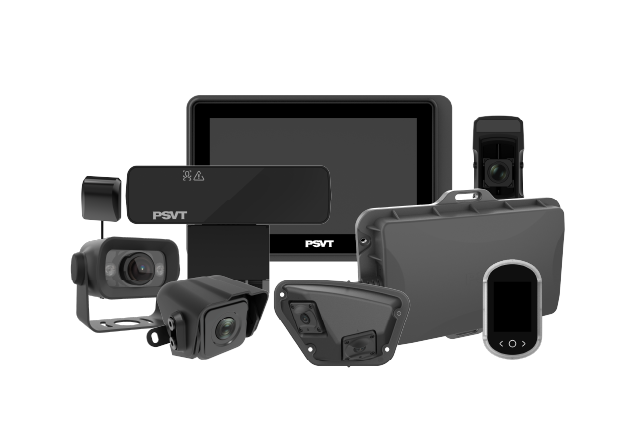
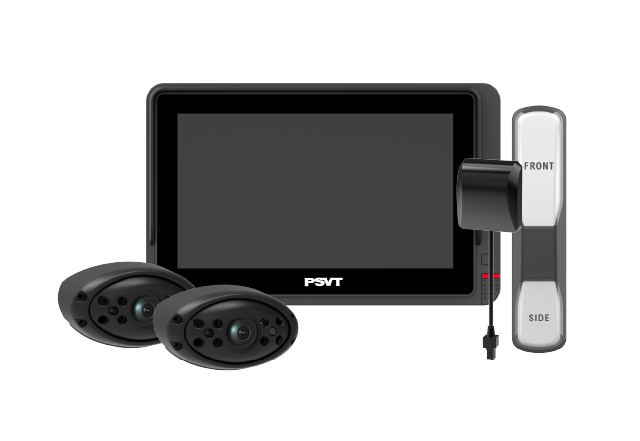
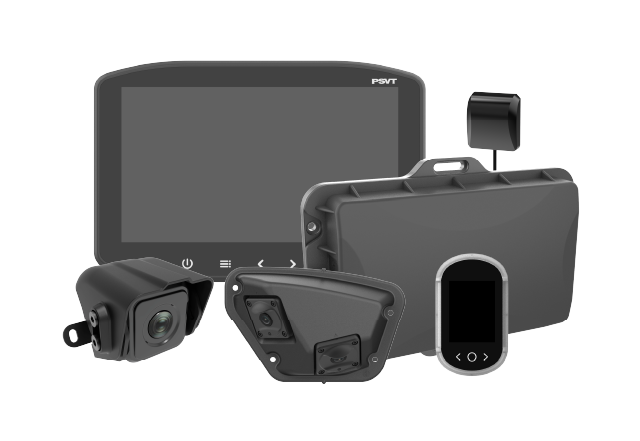
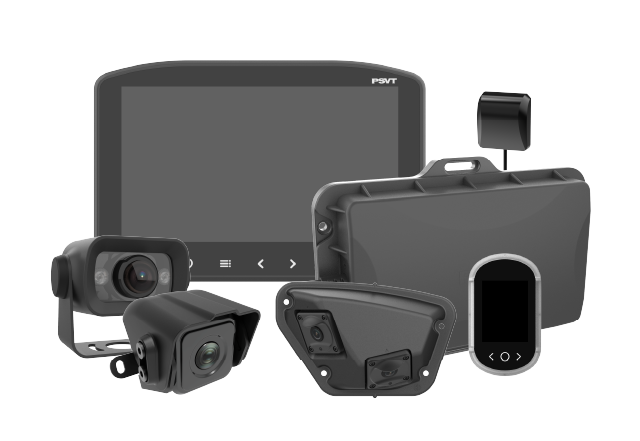
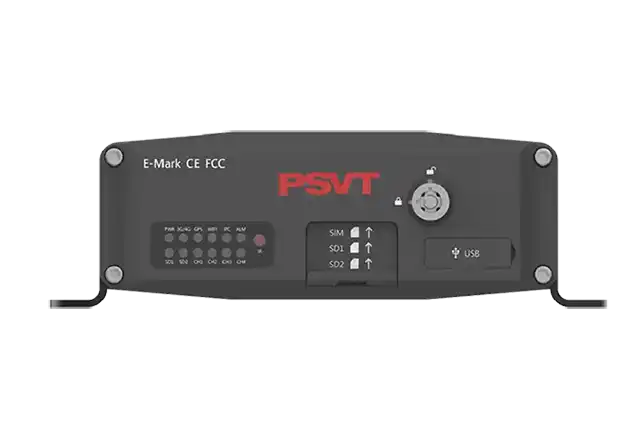
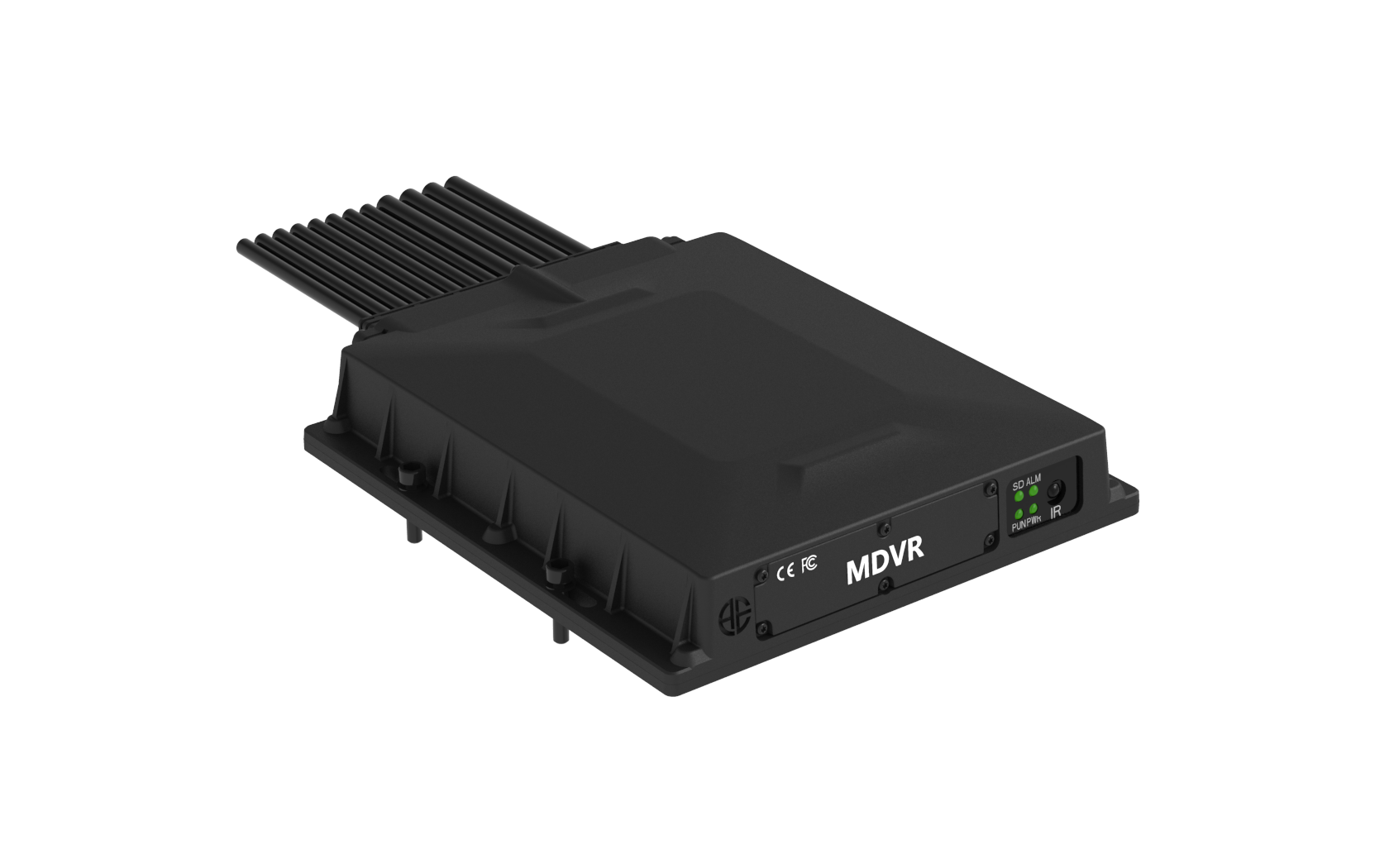
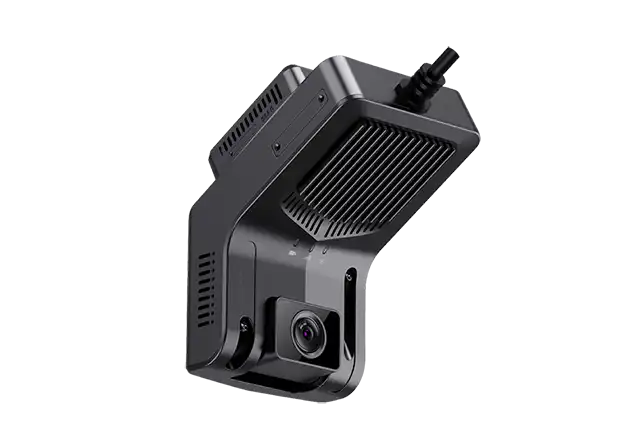
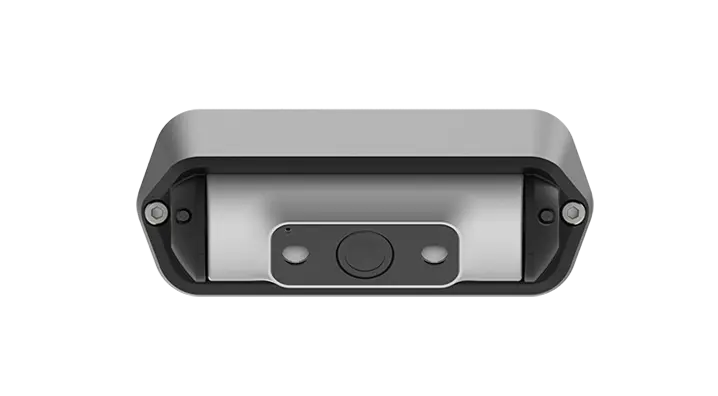
A Mobile DVR, also known as an MDVR, is a specialized digital video recording device designed for use in moving vehicles. Unlike traditional stationary DVRs, a Mobile DVR system is built to operate reliably under constant vibration, unstable power supply, and complex environmental conditions such as extreme temperatures, dust, and moisture.
In today’s transportation and fleet management landscape, the Mobile DVR has evolved far beyond simple video recording. A modern Mobile DVR system functions as a central data hub that integrates cameras, GPS tracking, wireless communication, AI analytics, and vehicle interfaces. As fleets pursue higher safety standards, operational transparency, and regulatory compliance, Mobile DVR systems have become a foundational technology.
This article provides a comprehensive explanation of what a Mobile DVR is, how a Mobile DVR system works, and why it plays a critical role in commercial vehicles, public transportation, construction machinery, and logistics fleets.
Understanding the Core Concept of a Mobile DVR
At its core, a Mobile DVR is designed to capture, store, and manage video footage generated by multiple vehicle-mounted cameras. However, a Mobile DVR system differs fundamentally from home or office DVRs due to its operating environment.
A Mobile DVR must handle:
- Continuous shock and vibration
- Frequent engine start-stop power cycles
- Sudden voltage fluctuations
- Intermittent network connectivity
- Long-term unattended operation
Because of these constraints, every Mobile DVR system is engineered with automotive-grade components, reinforced mechanical structures, and intelligent power-management logic.
In practice, a Mobile DVR system becomes the “black box” of a vehicle, recording visual evidence, operational data, and behavioral information that supports safety, compliance, and fleet optimization.
Key Components of a Mobile DVR System
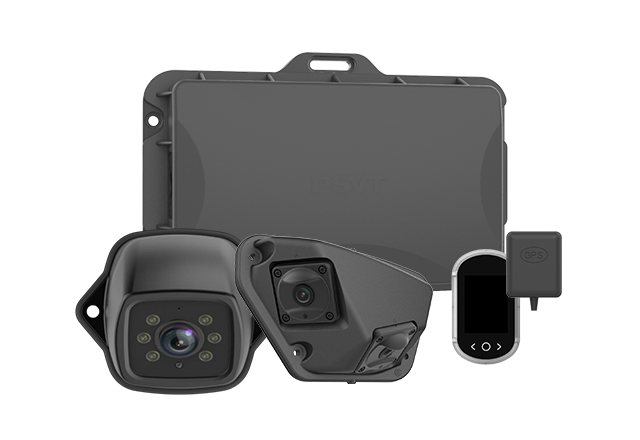
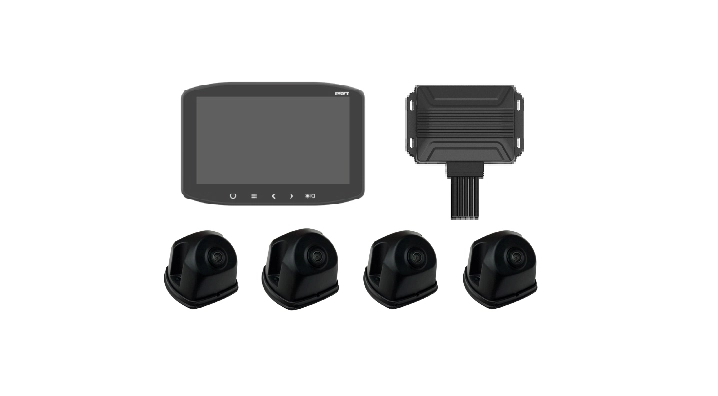
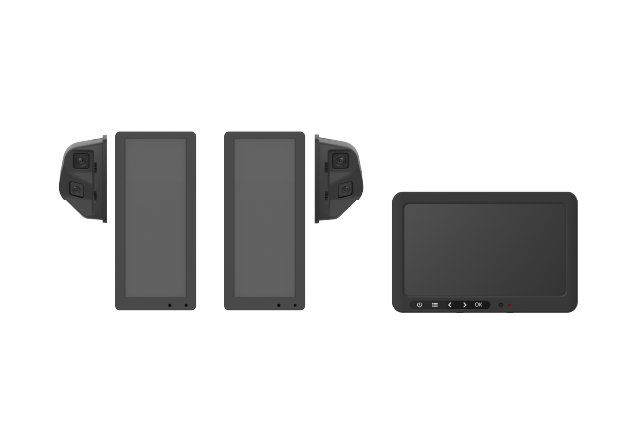
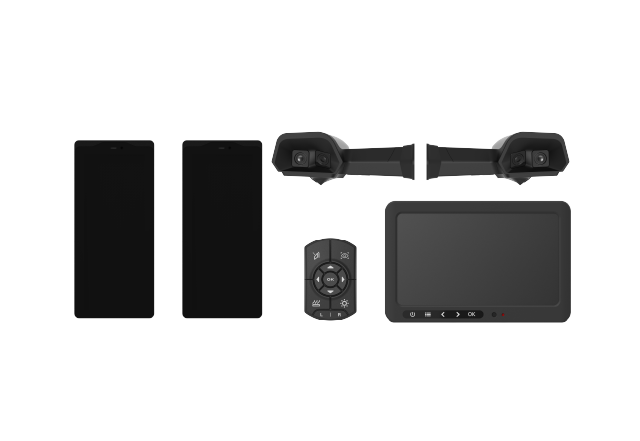
A complete Mobile DVR system is not a single device, but a combination of tightly integrated hardware and software components.
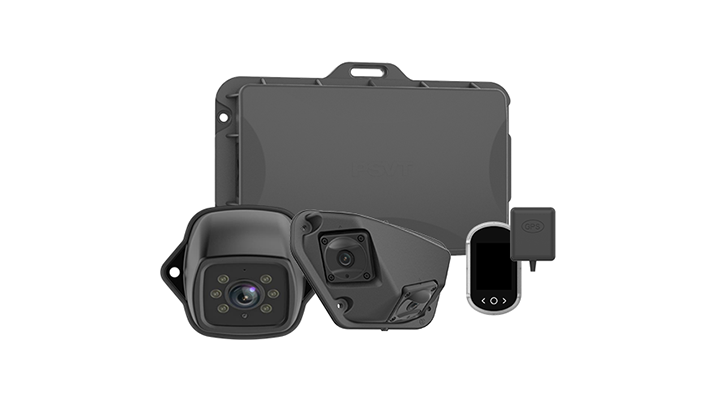
1. Mobile DVR Main Unit
The Mobile DVR main unit is the system’s core controller. It manages video input, data processing, storage, and communication. Compared with consumer DVRs, a Mobile DVR main unit features:
- Industrial or automotive-grade CPU and memory
- Multi-channel video input (typically 4, 8, or 16 channels)
- Shock-resistant metal enclosure
- Wide operating temperature range
In a Mobile DVR system, the main unit coordinates all peripherals and executes recording, encoding, and transmission tasks.
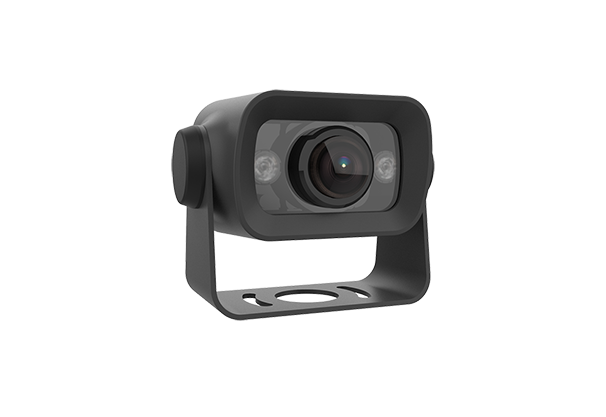
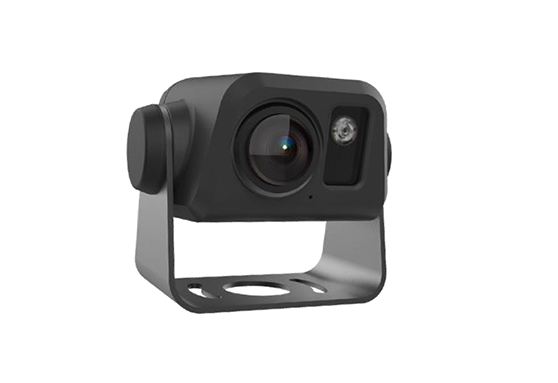
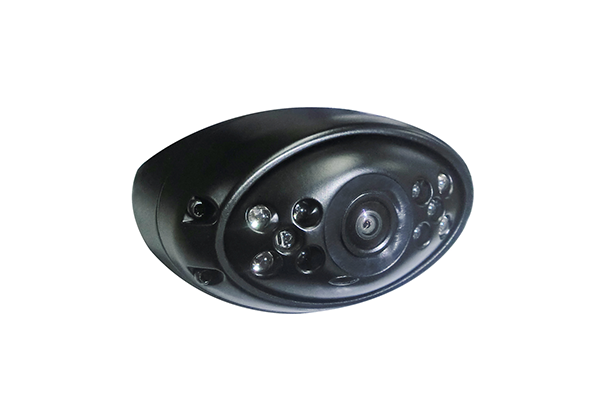
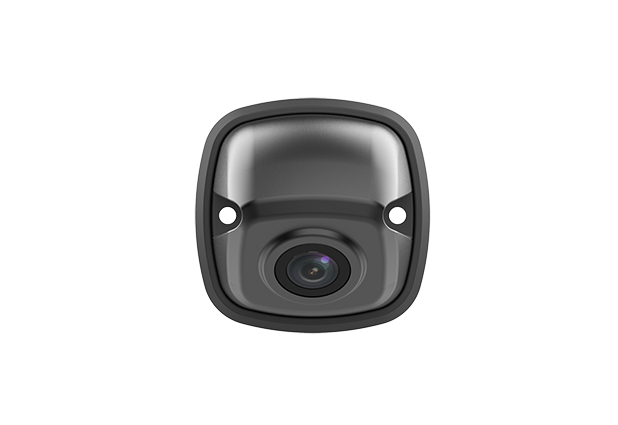
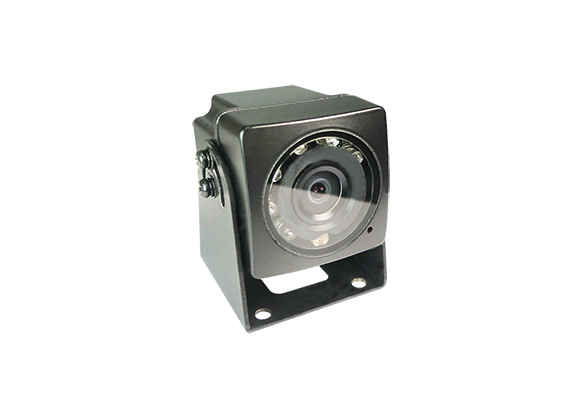
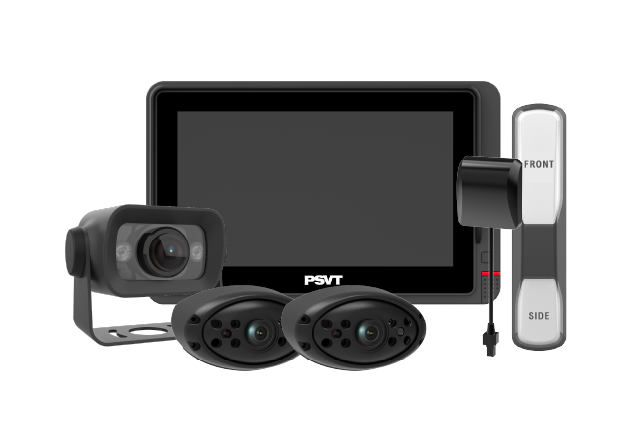
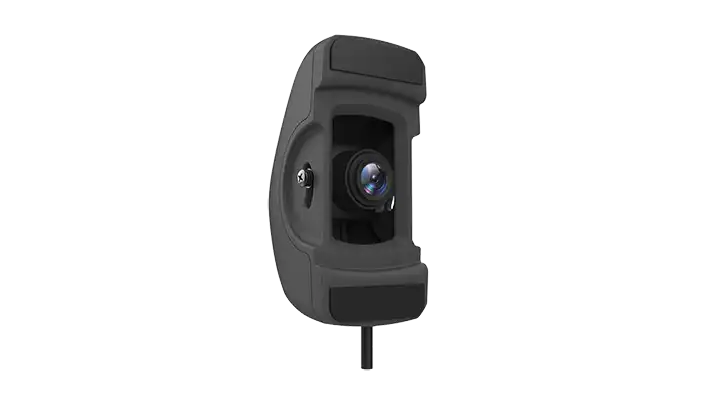
2. Vehicle Cameras
Cameras are the primary data sources in a Mobile DVR system. A single Mobile DVR can connect to multiple cameras placed around the vehicle, including:
- Front view camera
- Rear view camera
- Side blind-spot cameras
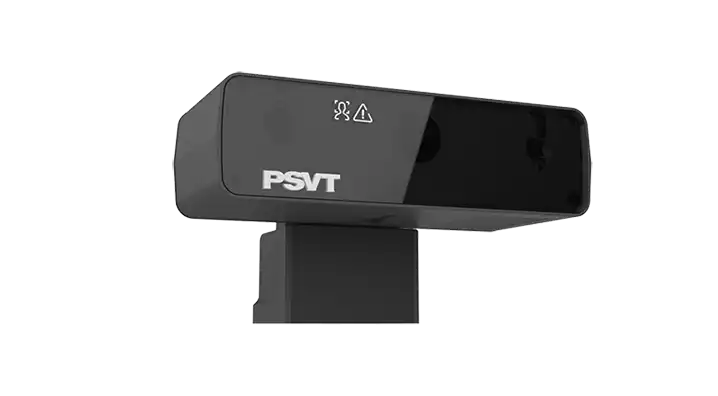
- Cabin or driver-facing cameras
Modern Mobile DVR systems often support AHD, CVBS, IP, or AI cameras, enabling high-definition video capture under challenging lighting conditions.
3. Storage Media
Unlike fixed DVRs, a Mobile DVR system uses vibration-resistant storage solutions such as:
- Industrial SD cards
- Solid-state drives (SSD)
- Lockable removable storage modules
The Mobile DVR continuously writes video data in a loop, automatically overwriting older files while protecting event-triggered recordings.
4. Power Management Module
Power stability is a critical challenge for any Mobile DVR system. Vehicles experience voltage spikes during ignition and shutdown, which can corrupt data or damage electronics.
A professional Mobile DVR includes intelligent power management features such as:
- Delayed shutdown after engine off
- Over-voltage and under-voltage protection
- Automatic safe power-off to protect recordings
This ensures the Mobile DVR system operates reliably throughout the vehicle’s lifecycle.
5. Communication Modules
A Mobile DVR system typically integrates multiple communication interfaces, including:
- 4G / 5G cellular modules
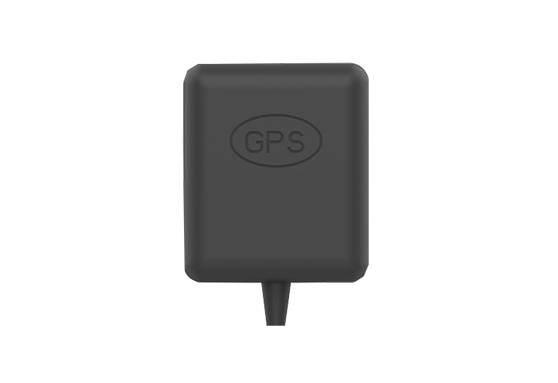
- GPS positioning modules
- Wi-Fi for local access and maintenance
Through these modules, a Mobile DVR enables real-time monitoring, remote playback, and fleet-wide data management.
How a Mobile DVR System Works: Step-by-Step
Understanding how a Mobile DVR system operates requires examining its workflow from data capture to storage and transmission.
Step 1: Video and Data Capture
The process begins when cameras continuously send video streams to the Mobile DVR. At the same time, the Mobile DVR system collects:
- Vehicle location from GPS
- Speed and heading information
- Trigger signals (brake, turn signal, door status)
This multi-source input allows the Mobile DVR system to synchronize video with vehicle behavior.
Step 2: Video Encoding and Processing
Once received, the Mobile DVR encodes raw video using compression standards such as H.264 or H.265. Encoding reduces file size while maintaining usable image quality.
In advanced Mobile DVR systems, AI algorithms may analyze video streams in real time to detect events such as:
- Sudden braking
- Lane departure
- Pedestrian presence
- Driver fatigue
This processing transforms a Mobile DVR from a passive recorder into an active safety device.
Step 3: Data Storage and Protection
Encoded video and metadata are written to local storage inside the Mobile DVR system. Normal recordings follow a loop-recording logic, while critical events are locked to prevent deletion.
A professional Mobile DVR ensures that even during power loss or network interruption, recorded data remains intact and accessible.
Step 4: Wireless Transmission and Remote Access
When network conditions permit, the Mobile DVR system transmits selected data to a remote server or fleet management platform. This allows operators to:
- View live video
- Review historical footage
- Track vehicles in real time
This connectivity is what elevates a Mobile DVR system into a fleet intelligence tool.
Why Mobile DVR Systems Are Essential for Modern Fleets
The value of a Mobile DVR system extends across multiple operational dimensions.
1. Enhanced Safety and Risk Reduction
A Mobile DVR provides visual evidence of driving behavior and external conditions. By reviewing footage, fleet managers can identify risky habits and implement targeted training.
In safety-critical environments, Mobile DVR systems help prevent accidents rather than simply recording them.
2. Accident Investigation and Liability Protection
When incidents occur, a Mobile DVR system offers objective evidence that protects drivers and fleet operators from false claims. Video data from a Mobile DVR often becomes decisive in insurance and legal proceedings.
3. Regulatory Compliance
Many regions require video monitoring or event recording for commercial vehicles. A compliant Mobile DVR system supports regulations related to driver monitoring, blind-spot detection, and road safety standards.
4. Operational Efficiency and Cost Control
Beyond safety, a Mobile DVR system improves fleet efficiency by enabling:
- Route optimization
- Fuel usage analysis
- Maintenance planning
A Mobile DVR helps fleets move from reactive management to data-driven decision-making.
Mobile DVR vs Traditional DVR: Key Differences
Although both record video, a Mobile DVR system differs significantly from a traditional DVR.
|
Aspect
|
Mobile DVR
|
Traditional DVR
|
|
Operating Environment
|
Moving vehicles
|
Fixed locations
|
|
Power Stability
|
Unstable
|
Stable
|
|
Vibration Resistance
|
High
|
Low
|
|
GPS & Cellular
|
Integrated
|
Not required
|
|
AI & Fleet Features
|
Common
|
Rare
|
These differences explain why a Mobile DVR is indispensable for vehicle applications.
Applications of Mobile DVR Systems
A Mobile DVR system is widely used across industries, including:
- Logistics and freight transportation
- Public buses and school buses
- Taxis and ride-hailing vehicles
- Construction machinery
- Emergency and law-enforcement vehicles
In each scenario, the Mobile DVR adapts to specific safety, monitoring, and compliance needs.
The Future of Mobile DVR Systems
The evolution of the Mobile DVR system continues as technologies converge. Modern Mobile DVR platforms increasingly integrate:
- AI-powered driver monitoring
- Blind-spot detection
- Advanced driver assistance systems (ADAS)
- Cloud-based fleet analytics
As vehicles become more connected and intelligent, the Mobile DVR system will remain a cornerstone of vehicle safety and operational intelligence.