
Feature
UN Regulation R151/R159/R158
View More

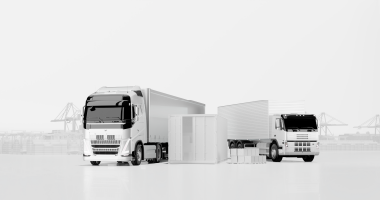
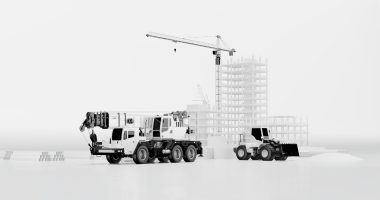

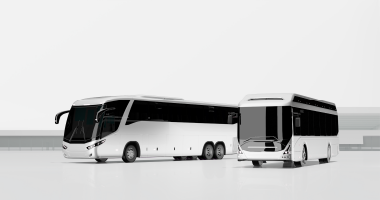






Traditional Rearview Mirrors Replacement is becoming an increasingly important topic in the commercial vehicle industry as manufacturers and fleet operators explore safer, more efficient alternatives to conventional side mirrors. Heavy-duty trucks, buses, and other commercial vehicles operate in demanding environments where limited visibility, large blind spots, and challenging weather conditions can increase driving risks. Camera Monitor Systems (CMS), also known as digital mirrors or electronic mirror systems, offer an innovative approach by replacing conventional mirror assemblies with high-definition cameras and in-cab displays. As commercial transportation evolves, understanding the advantages of digital mirror technology is essential for OEMs, fleet managers, and distributors looking to improve vehicle safety and operational performance.
For decades, conventional rearview mirrors have been essential safety components in commercial vehicles. Their primary function is to provide drivers with indirect views of surrounding traffic, helping them make informed decisions during lane changes, turning maneuvers, and reversing operations. However, modern commercial transportation presents increasingly complex visibility challenges. Heavy-duty trucks and buses are significantly larger than passenger vehicles. Their elevated cabins, long bodies, and substantial exterior dimensions create areas around the vehicle that are difficult to observe directly. Even when multiple mirrors are installed, drivers may still experience limitations in their ability to monitor adjacent lanes, vehicle sides, and nearby vulnerable road users.
Traditional mirrors rely on physical reflective surfaces. Their viewing areas are determined by mirror size, curvature, mounting position, and driver adjustment. Although convex mirrors expand the visible area, they can also affect the apparent size and distance of surrounding objects. For commercial vehicle drivers, interpreting these images accurately requires experience and continuous attention.
Conventional mirrors depend on reflected light from the surrounding environment. During nighttime operations, poorly illuminated roads can make it difficult to distinguish nearby vehicles and obstacles. Headlights from following vehicles may also produce uncomfortable glare, reducing visual comfort.
Large exterior mirror assemblies create additional aerodynamic drag.
For long-haul trucks operating at highway speeds, aerodynamic efficiency is closely related to fuel consumption.
Reducing unnecessary exterior protrusions can help improve vehicle aerodynamics, although the actual benefits depend on vehicle design and operating conditions.
These limitations are encouraging manufacturers to investigate camera-based alternatives.
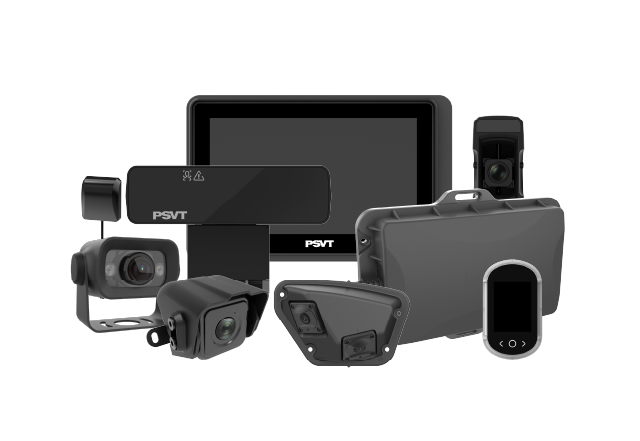
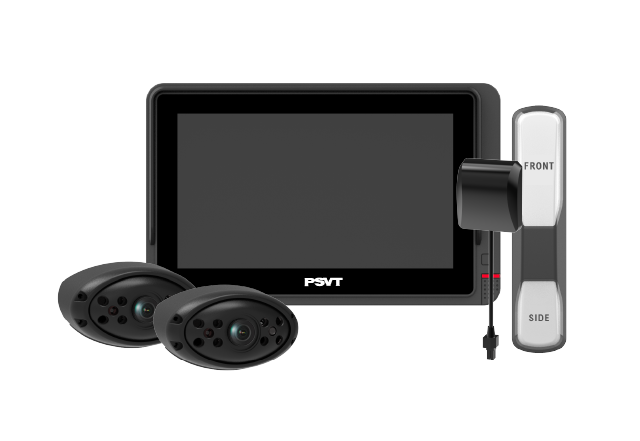
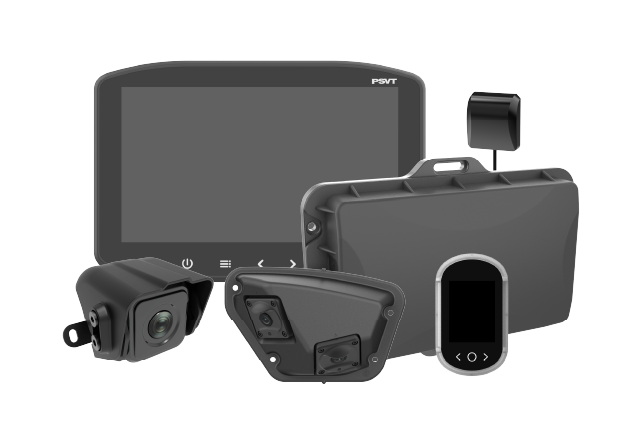
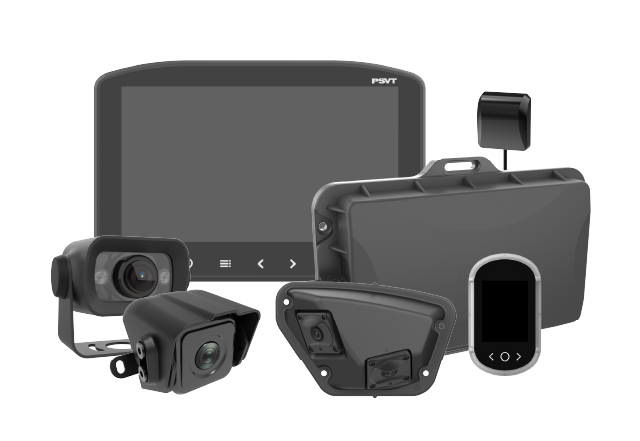
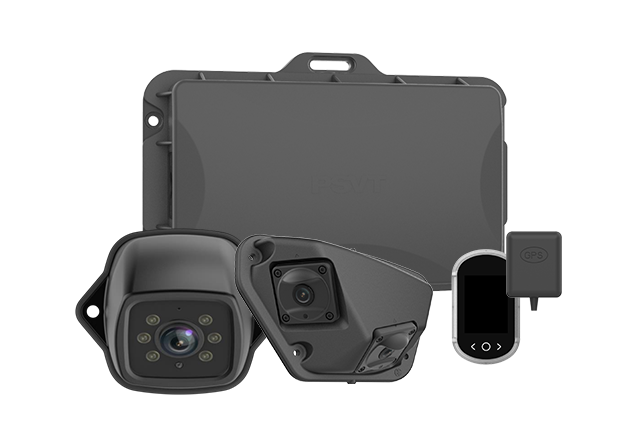
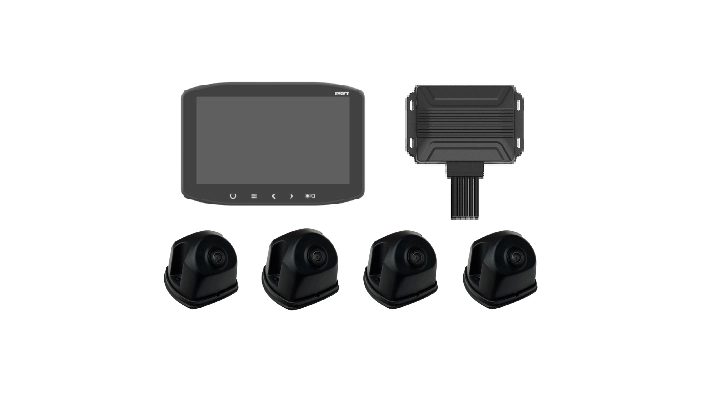
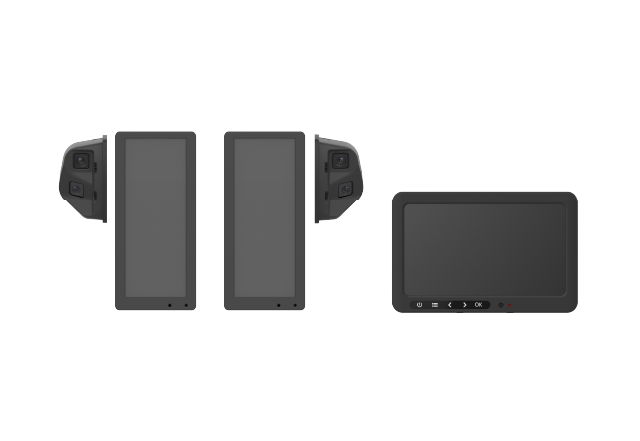
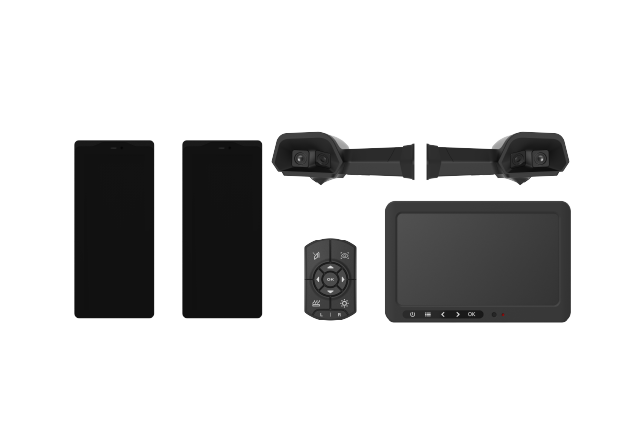
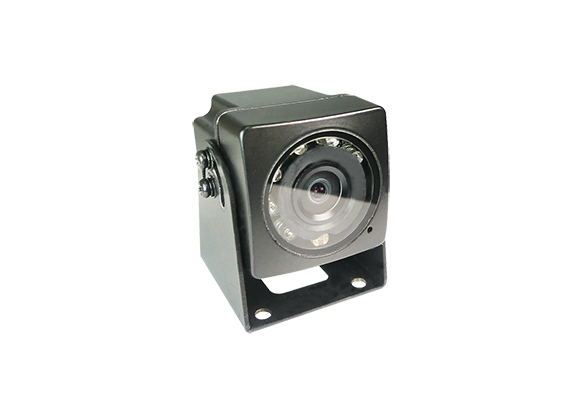
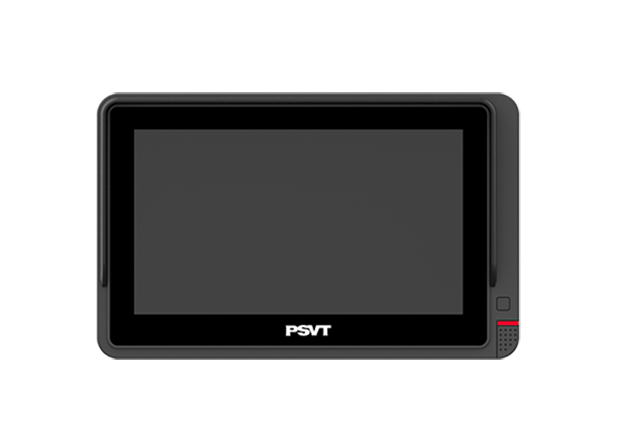
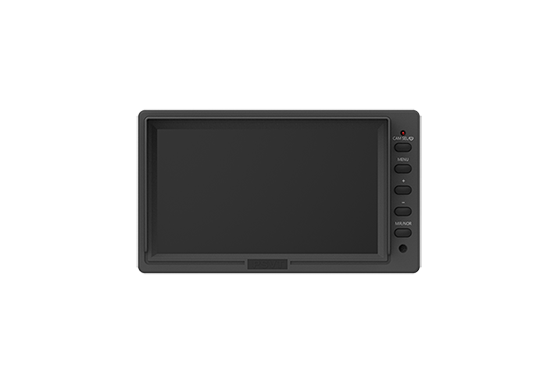
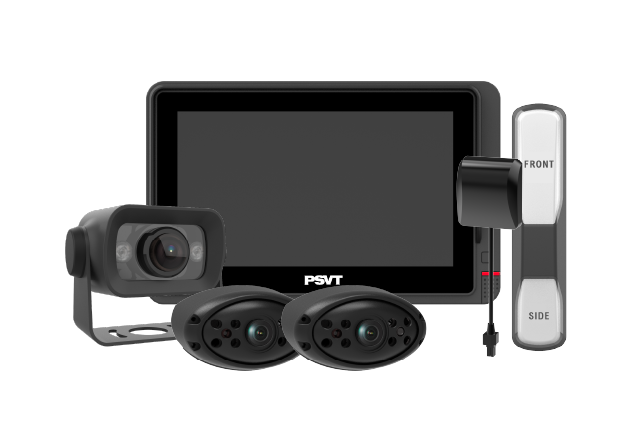
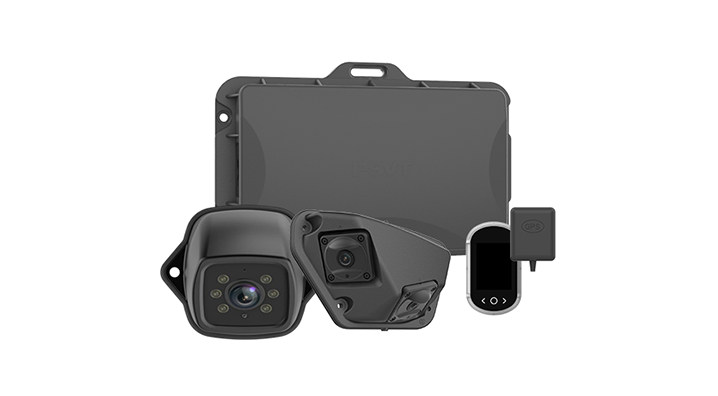
A Camera Monitor System (CMS) is an electronic visibility solution designed to provide drivers with real-time views of areas traditionally monitored through exterior mirrors. Instead of relying on reflective surfaces, CMS technology uses external cameras to capture surrounding traffic conditions and display the images on monitors positioned inside the cabin. A typical system consists of three essential components.
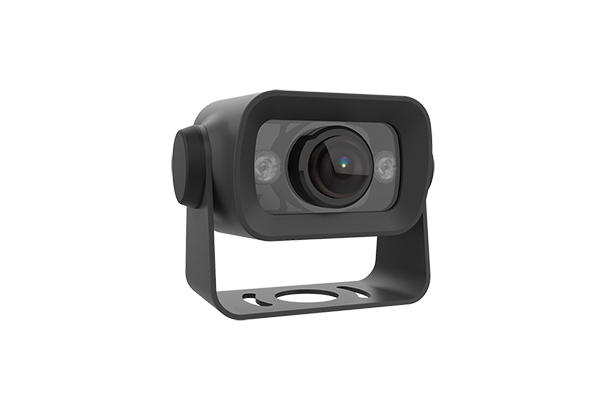
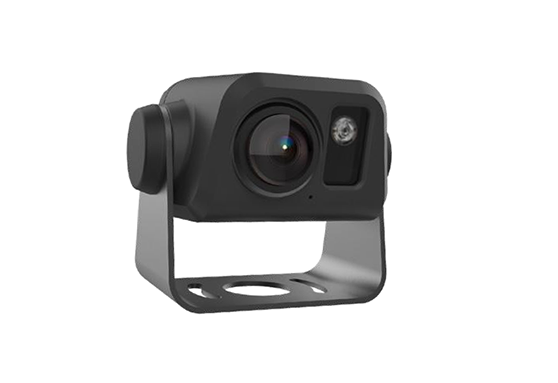
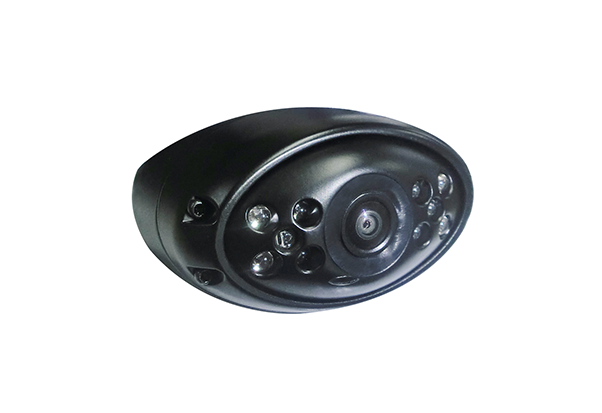
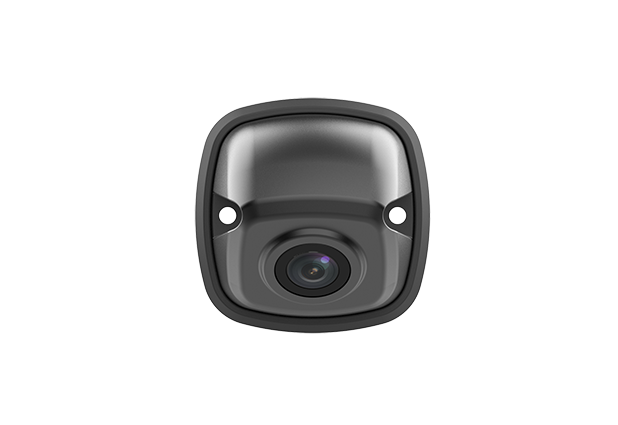
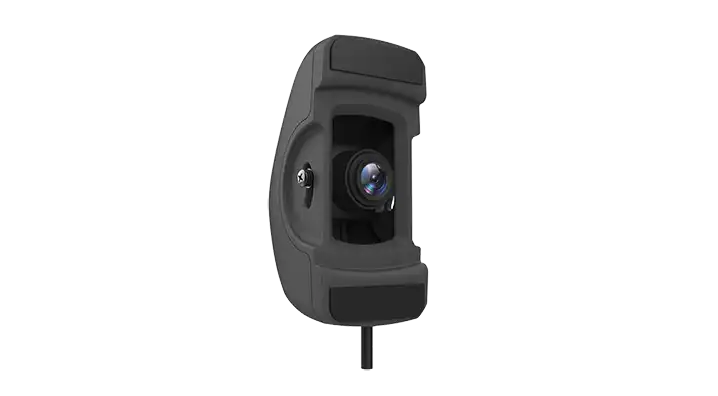
Compact exterior cameras are mounted at carefully selected locations on the vehicle. They capture images of the surrounding environment and transmit video signals to the display system. Camera resolution, optical design, dynamic range, and low-light sensitivity all influence the quality of the images presented to the driver.
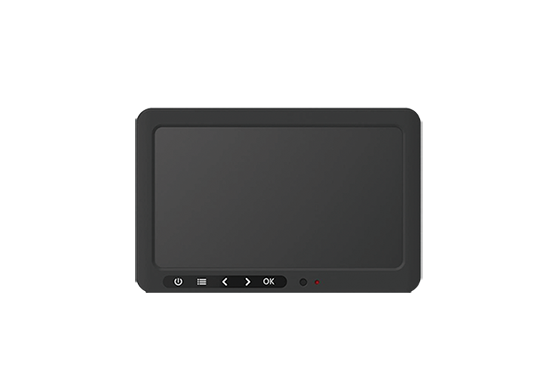
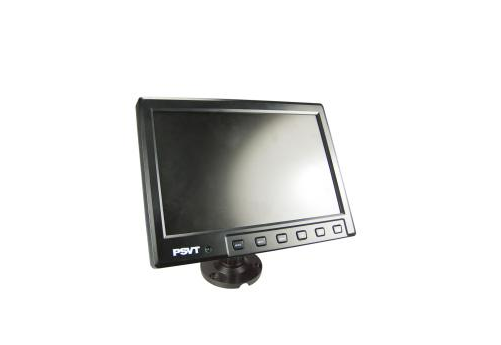
High-resolution monitors installed inside the vehicle cabin provide live views from the external cameras. Depending on the vehicle architecture, these displays may be positioned near the A-pillars or other ergonomically appropriate locations. Their placement should allow drivers to monitor surrounding traffic while minimizing unnecessary distraction.
Advanced image-processing technologies help optimize image clarity under different lighting conditions. These may include High Dynamic Range (HDR), Low-Light Enhancement, LED Flicker Mitigation (LFM), and automatic exposure adjustment. Low-latency video transmission is particularly important because drivers depend on timely visual information when judging the movement of nearby vehicles.
Together, these components make camera-based technology a practical option for Traditional Rearview Mirrors Replacement in applications where the system and vehicle installation meet applicable regulations.
For commercial vehicle manufacturers and fleet operators, the transition to digital mirrors offers several potential advantages.
One of the most important advantages of digital mirrors is the opportunity to optimize the driver's field of vision. Commercial trucks have substantial blind spots, particularly along the sides of the vehicle and around the rear corners. Conventional mirrors provide specific fields of vision, but their fixed physical configuration can limit how these areas are presented. Camera-based systems allow engineers to select appropriate camera positions and optical characteristics to meet required visibility specifications. Properly designed systems can help drivers monitor surrounding traffic during lane changes, highway merging, and urban turns. For example, when a heavy-duty truck prepares to change lanes, a digital side display can provide a clear view of adjacent traffic within its designed coverage area. During turning maneuvers, suitable camera coverage can help drivers observe nearby cyclists, pedestrians, and other road users. It is important to recognize that a CMS does not automatically eliminate every blind spot. Its effectiveness depends on camera placement, viewing angles, display configuration, and driver behavior.
Nighttime transportation is common in the logistics industry. Long-haul trucks frequently operate overnight to meet delivery schedules, while buses and municipal vehicles may operate before sunrise or after sunset. In low-light environments, conventional mirrors provide limited visual information when surrounding objects are poorly illuminated. Modern digital mirror systems can incorporate high-sensitivity image sensors and advanced image processing to improve nighttime visibility. The goal is not simply to increase image brightness. A high-quality system should preserve recognizable details, control image noise, and maintain useful contrast without introducing excessive visual distortion. For fleet operators, improved low-light imaging can support driver awareness during nighttime highway transportation and poorly illuminated logistics operations.
Commercial vehicle drivers frequently encounter challenging lighting conditions. Direct sunlight, reflected light from wet roads, and headlights from surrounding vehicles can create significant differences in brightness. Traditional mirrors may reflect intense light directly toward the driver. Digital mirror systems can use HDR technology to manage scenes containing both bright and dark areas. HDR processing helps preserve details in highlights and shadows, improving the driver's ability to interpret the displayed scene. LED Flicker Mitigation can also reduce certain image artifacts associated with pulsed LED lighting. These technologies are especially useful during sunrise, sunset, tunnel transitions, and nighttime highway driving. However, image quality depends on the capabilities and calibration of the complete camera-monitor system.
Fuel consumption represents a major operating expense for commercial transportation companies. Even modest improvements in fuel efficiency can create meaningful savings when applied across large vehicle fleets. Traditional side mirrors often extend beyond the vehicle body, increasing aerodynamic resistance. Compact camera housings can reduce exterior protrusion and potentially improve airflow around the vehicle. This makes Traditional Rearview Mirrors Replacement particularly interesting for long-haul truck manufacturers seeking aerodynamic improvements. The actual fuel-saving potential varies according to vehicle geometry, driving speed, operating environment, and the aerodynamic design of the replacement system. Fleet operators should request validated testing results rather than assuming that all digital mirror solutions provide identical fuel savings.
Commercial vehicle drivers spend extended periods behind the wheel. Driver comfort and visual ergonomics therefore play important roles in overall vehicle usability. Traditional mirrors require drivers to direct their attention toward exterior viewing positions, sometimes involving substantial head or eye movement. Digital displays can be installed at ergonomically selected positions inside the cabin.
This allows vehicle designers to optimize the location of indirect vision information. Properly positioned monitors may help drivers access relevant visual information more comfortably. Display brightness, contrast, image scale, and viewing distance are important design considerations. A well-engineered system should support natural driving behavior and minimize unnecessary visual distraction.
Large conventional mirrors are vulnerable to physical contact in narrow operating environments. Commercial vehicles frequently navigate loading docks, construction sites, narrow streets, and congested logistics facilities. Exterior mirror assemblies may be struck by obstacles or other vehicles, resulting in damage and maintenance costs. Compact camera housings can reduce the overall protrusion of the vehicle's indirect vision equipment. This may help lower the risk of certain types of exterior contact damage. However, camera housings are not immune to damage, and their maintenance requirements must also be considered. A reliable digital mirror solution should include durable mounting structures, environmental protection, and accessible service components.
Commercial vehicle safety technology is becoming increasingly integrated. Modern vehicles may incorporate Blind Spot Information Systems (BSIS), Moving Off Information Systems (MOIS), reversing detection, and surround-view monitoring. Digital mirrors can complement these technologies by providing drivers with visual information about their surroundings. For example, a camera-monitor system can display an adjacent lane, while a separate blind spot detection system may identify certain nearby road users and generate warnings. These functions are related but not interchangeable. A CMS primarily provides visual monitoring, while active detection systems perform hazard identification according to their specific design. For OEMs developing next-generation vehicle platforms, combining complementary visibility and detection technologies can support a broader safety strategy.
Understanding the differences between digital and conventional mirrors is essential when evaluating a vehicle upgrade.
|
Feature
|
Traditional Mirrors
|
|
Viewing Technology
|
Optical reflection
|
|
Field of Vision
|
Determined by mirror geometry
|
|
Nighttime Visibility
|
Depends on available light
|
|
Strong-Light Performance
|
May experience reflected glare
|
|
Aerodynamics
|
Typically larger exterior assemblies
|
|
Image Latency
|
No electronic processing delay
|
|
Maintenance
|
Mirror glass, heating, adjustment mechanisms
|
|
Regulatory Approval
|
Conventional mirror requirements
|
Traditional mirrors remain effective and familiar visibility devices. They provide direct optical reflection without depending on video processing or electronic displays. Camera Monitor Systems offer additional opportunities for image enhancement, ergonomic optimization, and aerodynamic design. However, they also introduce electronic reliability and system integration considerations. The most appropriate solution depends on vehicle application, target market, operating environment, and regulatory requirements.
Regulatory compliance is one of the most important factors when considering camera-based mirror replacement. A supplementary camera is not automatically approved to replace a legally required mirror.
Mirror-replacement applications must satisfy the relevant technical and vehicle approval requirements.
UNECE Regulation No. 46 establishes requirements for devices for indirect vision, including conventional mirrors and camera-monitor systems. It addresses prescribed fields of vision, device performance, installation requirements, and approval procedures. For manufacturers targeting markets that recognize UNECE regulations, R46 compliance is an essential consideration when developing mirror-replacement solutions. Different classes of indirect vision devices correspond to different required viewing areas. For commercial vehicles, the applicable configuration depends on vehicle category and the specific mirror functions being replaced.
ISO 16505 provides ergonomic and performance requirements and test procedures for camera-monitor systems intended to replace certain mandatory rearview mirrors. It addresses technical and human-factor considerations related to digital image presentation. For OEMs, the standard provides a useful framework for evaluating CMS performance and driver usability.
Regulatory acceptance varies across international markets. Certain markets permit approved camera-monitor systems to replace specified conventional mirrors. Other markets maintain different requirements for mandatory mirrors or alternative indirect vision devices. Manufacturers and distributors should confirm the applicable national regulations before introducing mirror-replacement products into a new market. This is particularly important for aftermarket installations, where modifying existing vehicles may require additional evaluation or approval.
The effectiveness of a camera-monitor system should be evaluated under realistic commercial vehicle operating conditions.
At night, truck drivers must monitor adjacent traffic, approaching vehicles, and roadside conditions under limited illumination. Low-light image processing can improve the visibility of useful scene details.
Effective systems should balance brightness, noise reduction, and image sharpness to maintain a natural and recognizable image.
Tunnel driving creates rapid changes in illumination. When a vehicle enters a tunnel, the camera must adapt to reduced brightness. When exiting, the system must respond to strong daylight without prolonged overexposure. Advanced exposure control and HDR processing can help maintain more consistent image presentation during these transitions.
Rain can reduce visibility through conventional mirrors and camera systems alike. Water droplets, road spray, and reflections from wet surfaces can obscure important details. Camera housings with appropriate environmental protection, heating, and suitable mounting positions can help maintain reliable operation. Nevertheless, lens cleanliness remains essential for maintaining image quality.
Direct sunlight can produce high-contrast scenes. Without effective image processing, bright regions may lose detail while darker objects become difficult to distinguish. HDR technology can help preserve information across a wider brightness range. These capabilities are particularly valuable for commercial vehicles operating across different regions, climates, and times of day.
For OEMs, Traditional Rearview Mirrors Replacement is a vehicle engineering decision rather than a simple component substitution. Successful implementation requires evaluating the complete system.
Camera resolution alone does not determine image quality. Manufacturers should evaluate sensor performance, lens characteristics, image processing, dynamic range, and low-light capability.
Actual driving footage is especially valuable when comparing suppliers.
Drivers rely on timely visual information when evaluating surrounding traffic. Excessive video latency can make moving objects appear behind their actual positions. OEMs should verify end-to-end latency under representative operating conditions and confirm compliance with applicable requirements.
Commercial vehicles experience continuous vibration, temperature changes, moisture, and extended operating hours. Camera-monitor systems must be designed and validated for these environments.
Environmental protection, electromagnetic compatibility, connector reliability, and thermal performance should all be evaluated.
Camera mounting positions and monitor placement must support the vehicle's required fields of vision. Electrical architecture, power supply, diagnostics, and communication interfaces may also influence system integration. Early collaboration between OEM engineering teams and CMS suppliers can help reduce development complexity.
Suppliers should provide relevant approval documentation, test reports, and technical specifications. Manufacturers should verify that the documentation applies to the exact product configuration and intended installation.
Fleet operators often evaluate safety technologies through the lens of operational performance and total cost of ownership. The potential benefits of digital mirrors should be balanced against implementation and maintenance requirements.
The acquisition cost of a camera-monitor system may differ significantly from that of conventional mirrors. Fleet operators should consider hardware costs, installation labor, vehicle compatibility, and any required approval procedures.
Drivers accustomed to traditional mirrors may need time to adapt to digital displays. Training should cover image interpretation, display positioning, system operation, and procedures for handling faults.
Digital mirror systems require periodic inspection of camera lenses, displays, wiring, connectors, and mounting structures. Maintenance procedures should be clearly defined to help ensure consistent performance.
Before large-scale implementation, fleet operators can conduct pilot programs using representative vehicles. A pilot can help assess driver acceptance, image quality, system reliability, maintenance requirements, and operational suitability. These findings provide a stronger foundation for investment decisions.
Digital mirror technology can be adapted to various commercial vehicle categories.
Long-haul trucks benefit from reliable side visibility during highway driving, lane changes, and maneuvering. Aerodynamic improvements may also be relevant for vehicles operating at sustained highway speeds.
Articulated vehicles present additional visibility challenges because the relative position of the tractor and trailer changes during turns. Appropriate camera placement and display configuration are essential for maintaining useful side visibility.
Urban buses frequently operate close to pedestrians, cyclists, and other vulnerable road users. Digital mirror systems can support driver awareness during turning maneuvers, lane changes, and passenger pickup operations.
Long-distance coaches operate in changing lighting conditions and may benefit from improved image presentation and compact exterior camera housings.
Construction vehicles, municipal trucks, and other specialized vehicles require durable visibility systems capable of operating in demanding environments. Product selection should reflect each vehicle's geometry, operating conditions, and regulatory requirements.
The development of digital mirror technology reflects the broader transformation of commercial vehicles toward more advanced electronic systems. As image sensors, processors, and display technologies improve, camera-monitor solutions are expected to offer increasingly sophisticated capabilities. Future development may focus on enhanced image quality, lower latency, improved system diagnostics, and greater integration with vehicle electronic architectures. Advances in image processing may also improve visibility under challenging lighting conditions. At the same time, the commercial vehicle industry continues to develop complementary technologies for blind spot detection, vulnerable road user protection, and driver assistance. Camera-based visibility solutions can form part of this broader ecosystem.
However, regulatory compliance, system reliability, and driver usability will remain essential considerations. The future of mirror replacement will depend not only on technological innovation but also on the ability to deliver proven safety and operational benefits.
As commercial vehicle manufacturers and fleet operators explore alternatives to conventional mirrors, selecting an experienced technology partner is essential. AUTOEQUIPS specializes in commercial vehicle safety and visibility solutions, including advanced Camera Monitor Systems designed for heavy-duty transportation applications. Its digital mirror technology incorporates high-definition imaging, advanced HDR processing, low-light imaging capabilities, and automotive-oriented hardware design. AUTOEQUIPS also has experience with international camera-monitor regulatory requirements, including UNECE R46 and ISO 16505. With a focus on image quality, system reliability, and practical vehicle integration, the company supports OEMs, distributors, and commercial vehicle operators seeking modern visibility solutions. For businesses evaluating camera-based mirror technology, working with a supplier that understands both technical performance and international market requirements can help simplify product selection and implementation.
Traditional mirrors have served the commercial vehicle industry for decades, but evolving transportation requirements are creating new opportunities for digital visibility technology. Camera Monitor Systems offer potential advantages in driver visibility, low-light imaging, glare management, aerodynamics, and vehicle design. For commercial vehicle OEMs, fleet operators, and distributors, successful adoption requires careful evaluation of image quality, regulatory compliance, reliability, installation requirements, and long-term operating costs. As the industry continues to evolve, Traditional Rearview Mirrors Replacement will remain an important consideration for organizations seeking to modernize commercial vehicle safety and visibility.
Yes. In markets where camera-monitor mirror replacement is permitted, approved systems can replace certain conventional mirrors. The system and vehicle installation must meet applicable regulatory requirements.
Digital mirrors can offer visibility advantages through optimized camera views and advanced image processing. However, actual safety performance depends on system design, installation, reliability, and driver use.
A major advantage is the ability to provide digitally processed views of surrounding traffic, potentially improving visibility under challenging lighting conditions while offering more compact exterior hardware.
Yes. Systems equipped with suitable low-light sensors and image processing can provide useful images in poorly illuminated environments. Performance varies depending on available light and system specifications.
Potentially. Replacing large mirror assemblies with compact camera housings may improve aerodynamics. Actual fuel savings depend on vehicle design, operating conditions, and validated performance data.
Approved camera-monitor systems can replace certain conventional mirrors under applicable European vehicle approval requirements, including relevant UNECE R46 provisions. The specific system and installation must satisfy the applicable requirements.
A traditional mirror uses reflected light to provide a direct optical image. A digital mirror uses a camera, electronic image processing, and a display to present a view of the surrounding environment.
Yes. Camera-monitor systems can be designed for heavy-duty trucks, buses, coaches, and other commercial vehicles, provided they meet the relevant technical and regulatory requirements.
Important considerations include regulatory compliance, image quality, video latency, system reliability, installation costs, maintenance, driver training, and total cost of ownership.
Evaluate the supplier's engineering experience, product performance, regulatory documentation, manufacturing quality, testing capabilities, and technical support. AUTOEQUIPS provides commercial vehicle camera-monitor technology and application-specific integration expertise.