UN Regulation R151/R159/R158
View More

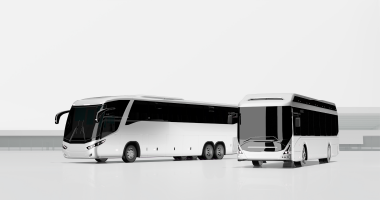






In modern fleet operations, visibility is safety, and safety is profitability. Large trucks, buses, construction vehicles, and delivery vans all suffer from significant blind spots that traditional mirrors simply cannot cover. This is where a commercial vehicle 360 camera system becomes a transformative safety tool. By delivering a real-time bird’s-eye panoramic view around the vehicle, this technology allows drivers and fleet managers to eliminate blind spots, reduce accidents, and operate with greater confidence in dense urban traffic, tight loading zones, and complex job sites.
A commercial vehicle 360 camera system integrates multiple ultra-wide cameras positioned around the vehicle, stitched together through intelligent image processing to create a seamless top-down view. Instead of relying solely on mirrors and driver experience, fleets now rely on intelligent visual assistance that works consistently in all driving scenarios. For fleet operators, this means fewer collisions, fewer claims, reduced downtime, and improved driver performance.
Commercial vehicles are inherently difficult to maneuver. Long bodies, high ground clearance, trailer articulation, and cargo obstructions create massive areas where drivers simply cannot see. Side mirrors, convex mirrors, and rear-view mirrors were never designed to handle modern traffic density.
A commercial vehicle 360 camera system solves this by digitally removing blind spots. Drivers no longer guess what is beside or behind them—they see it in real time. This is especially critical when:
The difference between guessing and seeing is the difference between a near miss and a costly accident.
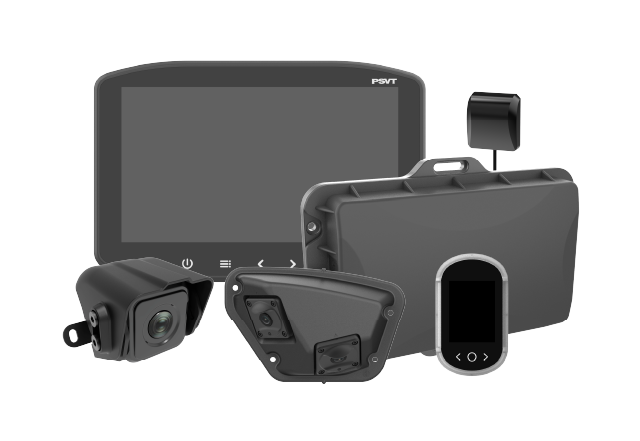
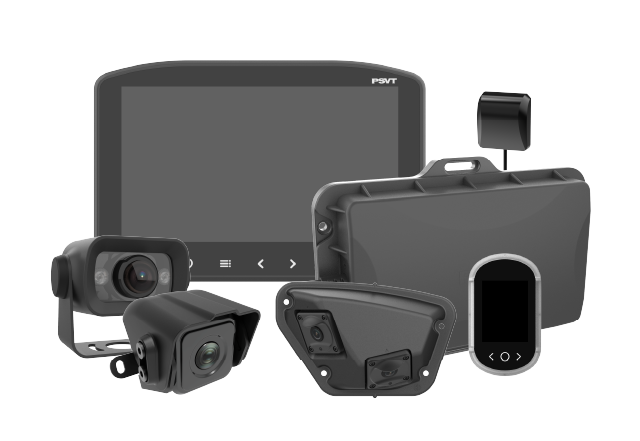
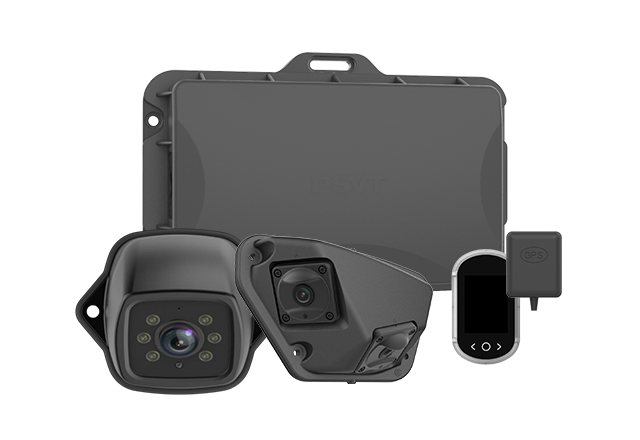
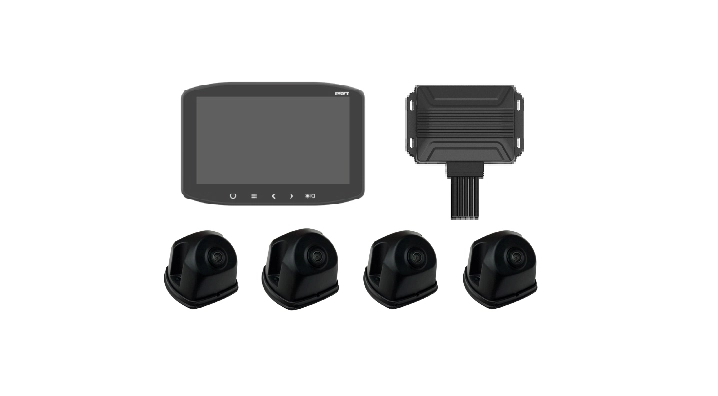
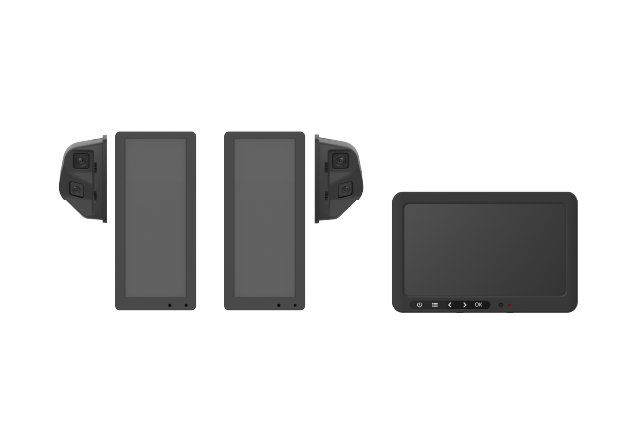
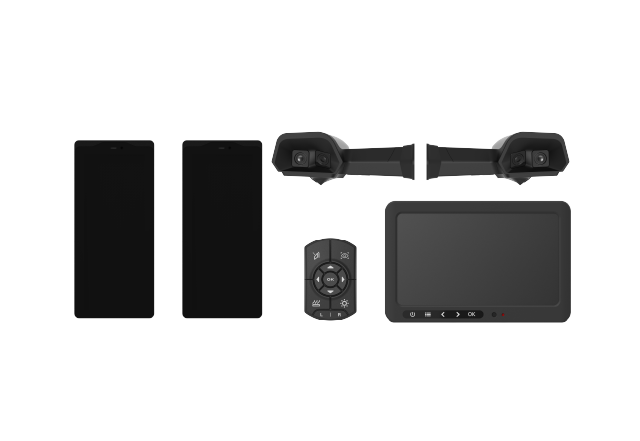
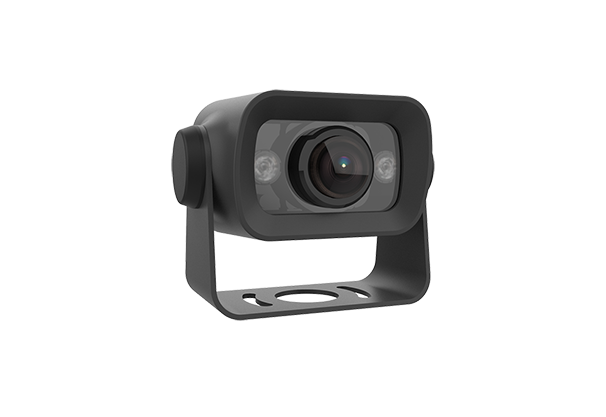
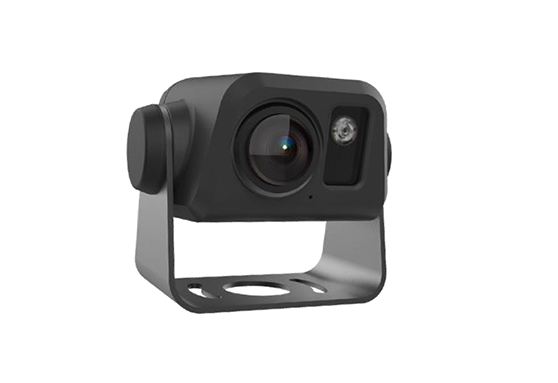
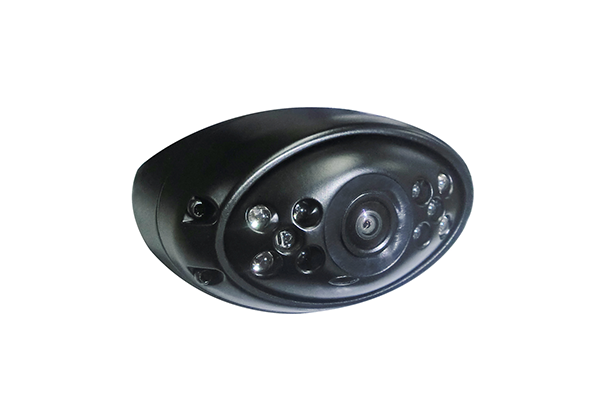
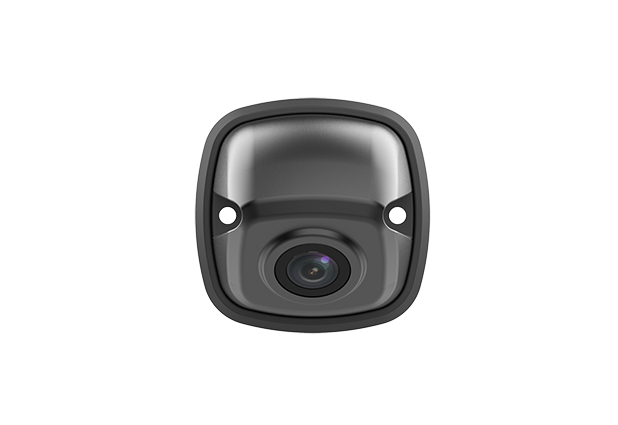
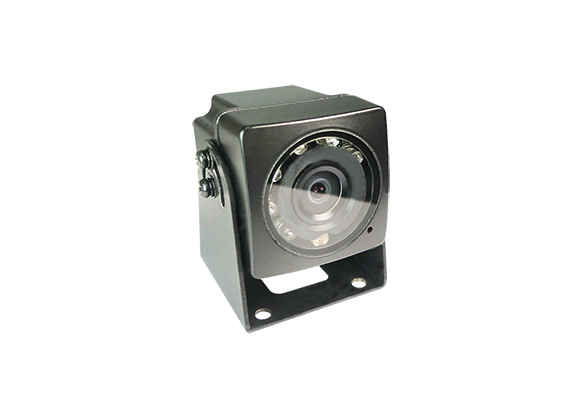
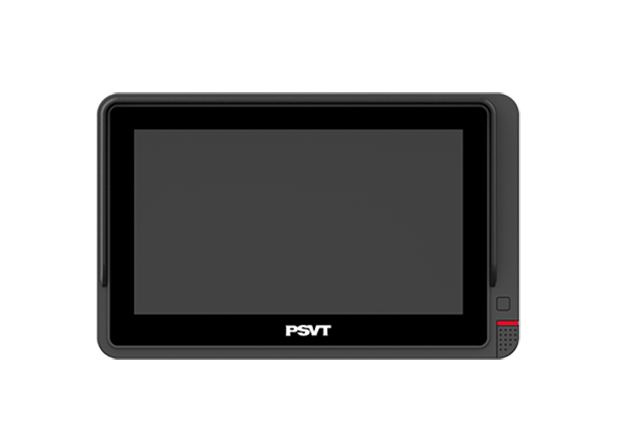
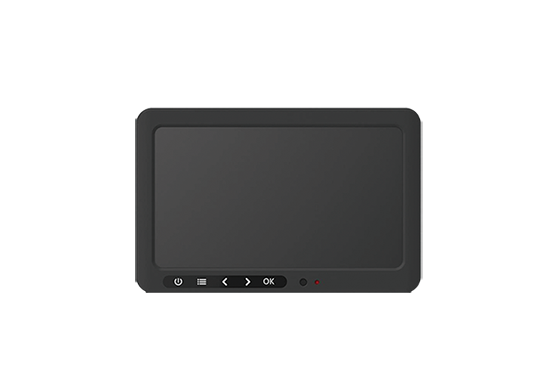
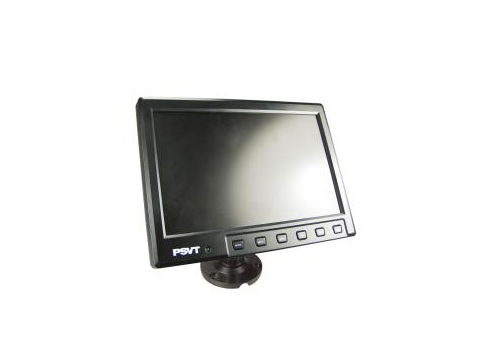
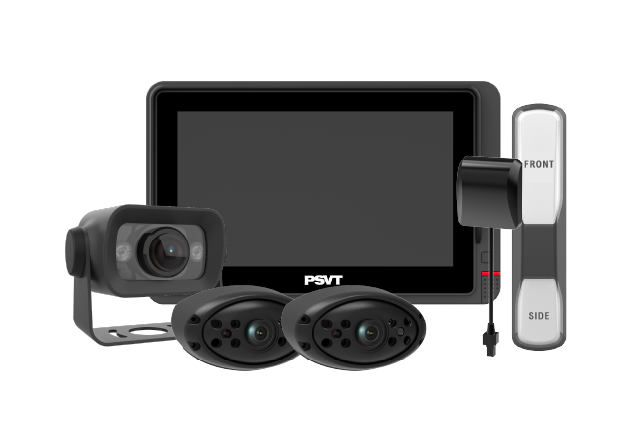
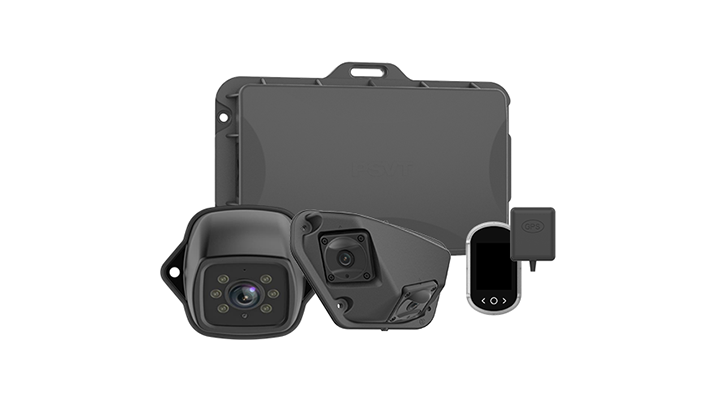
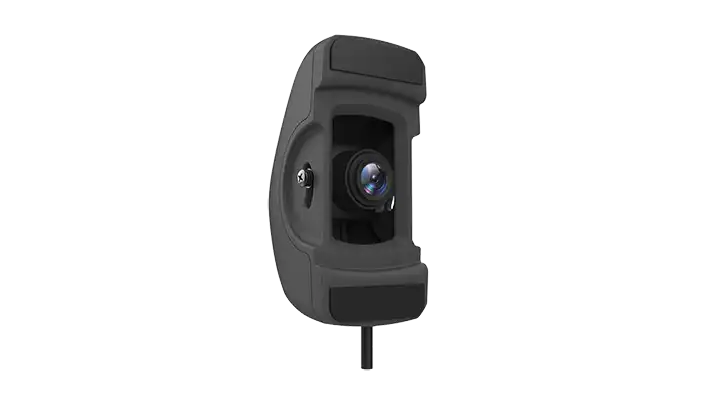
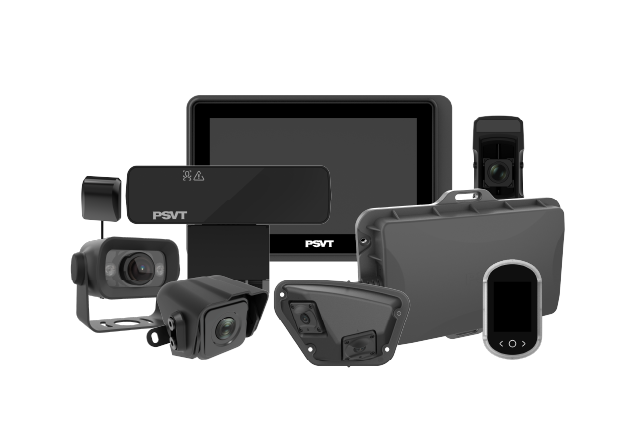
A commercial vehicle 360 camera system uses four to six wide-angle cameras mounted at the front, rear, and both sides of the vehicle. These cameras capture continuous video streams which are processed by an onboard ECU. Advanced algorithms correct lens distortion, align perspectives, and stitch the images into a single panoramic top-down view displayed on the driver’s monitor.
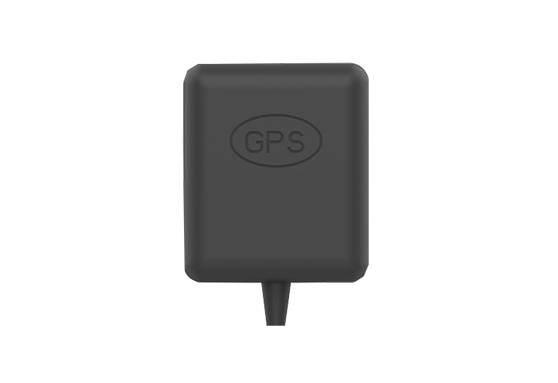
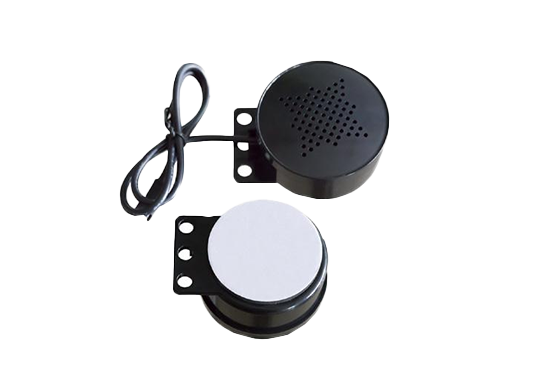
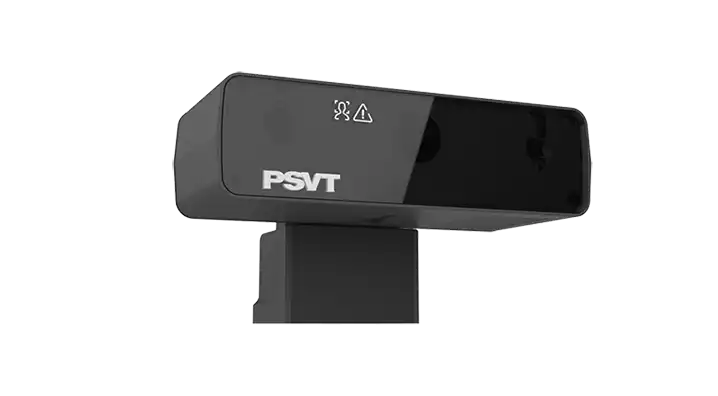
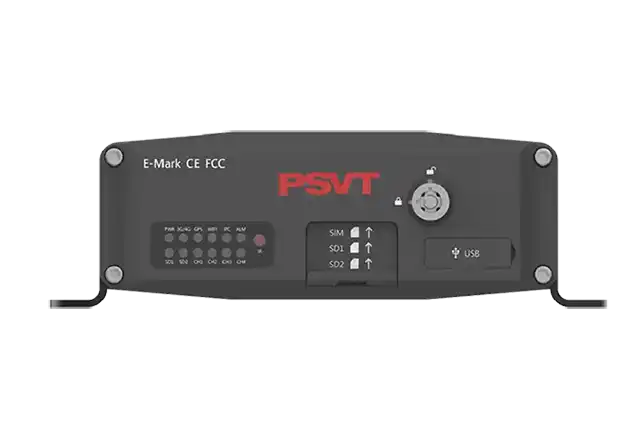
Key technical components include:
The result is a dynamic overhead visualization that updates as the vehicle moves, giving drivers unmatched spatial awareness.
One of the primary reasons fleets invest in a commercial vehicle 360 camera system is accident prevention. Side-swipes, reversing collisions, pedestrian impacts, and low-speed maneuvering accidents account for a large percentage of fleet incidents.
With a commercial vehicle 360 camera system, drivers can:
Many fleets report significant reductions in low-speed accidents after deploying a commercial vehicle 360 camera system, directly impacting insurance costs and vehicle repair expenses.
Insurance providers increasingly recognize the value of video evidence and proactive safety technology. A commercial vehicle 360 camera system not only prevents accidents but also provides visual documentation when incidents occur.
This helps fleets:
In many cases, the ROI of a commercial vehicle 360 camera system is realized within months purely through claims reduction.
Driving a large commercial vehicle in tight environments is mentally exhausting. Constant mirror checking, head turning, and spatial guessing increase driver fatigue.
A commercial vehicle 360 camera system reduces cognitive load by centralizing all surrounding views into one intuitive display. Drivers feel more confident, less stressed, and can focus more on safe vehicle control rather than blind spot management.
This improvement in driver experience often leads to better retention and improved safety records.
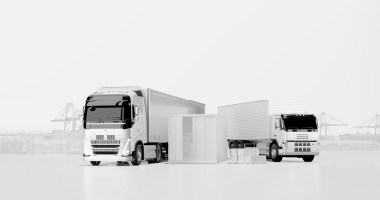
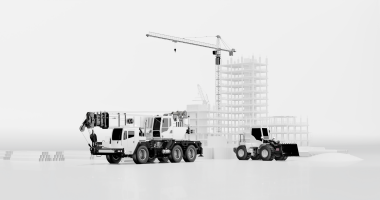
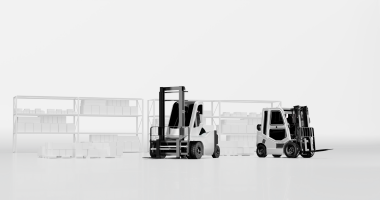
A commercial vehicle 360 camera system is valuable across multiple industries:
Any vehicle with size, blind spots, and maneuvering challenges benefits significantly from a commercial vehicle 360 camera system.
Modern fleets want more than visibility—they want data. A commercial vehicle 360 camera system can integrate with dashcams, ADAS, DMS, and fleet telematics platforms.
This enables:
This turns the commercial vehicle 360 camera system from a driver aid into a fleet management intelligence tool.
Despite its advanced capabilities, a commercial vehicle 360 camera system is relatively straightforward to install. Cameras are mounted externally, connected to a central ECU, and calibrated using a ground mat or software tool.
Proper calibration ensures accurate image stitching and reliable performance. Once installed, the system requires minimal maintenance and is designed to withstand harsh fleet environments including vibration, dust, rain, and temperature extremes.
When evaluating safety technology, fleets focus on ROI. A commercial vehicle 360 camera system delivers return through:
Compared to the cost of a single accident, the investment in a commercial vehicle 360 camera system is minor.
As regulations tighten and cities become more crowded, visibility technology will become mandatory rather than optional. A commercial vehicle 360 camera system represents the foundation of next-generation fleet safety architecture.
Future developments include AI object detection overlays, pedestrian alerts, and integration with autonomous driving assistance systems.
Fleets adopting a commercial vehicle 360 camera system today are preparing for the safety standards of tomorrow.
Blind spots are one of the most dangerous aspects of operating commercial vehicles. Mirrors are no longer sufficient for modern fleet demands. A commercial vehicle 360 camera system provides total situational awareness, dramatically reduces accidents, improves driver confidence, lowers liability, and delivers measurable ROI.
For fleet operators committed to safety, efficiency, and risk reduction, implementing a commercial vehicle 360 camera system is no longer a luxury—it is a necessity.