UN Regulation R151/R159/R158
View More










In today’s fast-moving warehouse, logistics, manufacturing, and industrial environments, a Forklift Wireless Security Camera System is no longer just an optional accessory. It has become an important safety tool for companies that want to reduce blind spot accidents, protect pedestrians, improve driver awareness, and build a safer workplace. Forklifts operate in narrow aisles, crowded loading zones, noisy workshops, and mixed-traffic areas where workers, pallets, racks, trucks, and other equipment are constantly moving. In this kind of environment, visibility is everything. A reliable Forklift Wireless Security Camera System gives operators a clearer view of the surrounding area and helps fleet managers improve safety without adding unnecessary complexity to vehicle installation.
Forklifts are compact, powerful, and frequently used in environments where visibility is naturally limited. Traditional mirrors can help, but they cannot fully solve the problem of blind spots. Operators may have difficulty seeing behind the forklift, around the mast, near the fork tips, or at ground level where pedestrians and small obstacles may appear. In many cases, the load itself blocks the driver’s forward view, forcing the operator to drive in reverse or rely on experience and caution.
A Forklift Wireless Security Camera System directly addresses this visibility challenge. By installing cameras at key positions on the forklift, the driver can view areas that would otherwise be hidden. This is especially valuable when reversing, turning in narrow spaces, approaching intersections, stacking pallets, or operating near pedestrians. Unlike a basic mirror, a camera system can provide a wider, clearer, and more flexible field of view.
For B2B fleet operators, the issue is not only safety but also operational continuity. A single accident can cause vehicle damage, product loss, worker injury, legal exposure, downtime, and increased insurance costs. Investing in a Forklift Wireless Security Camera System is therefore not just a safety decision. It is also a business decision that supports risk reduction, productivity, and long-term cost control.
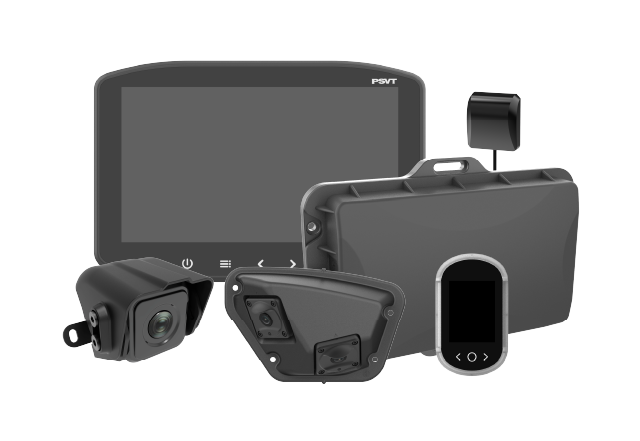
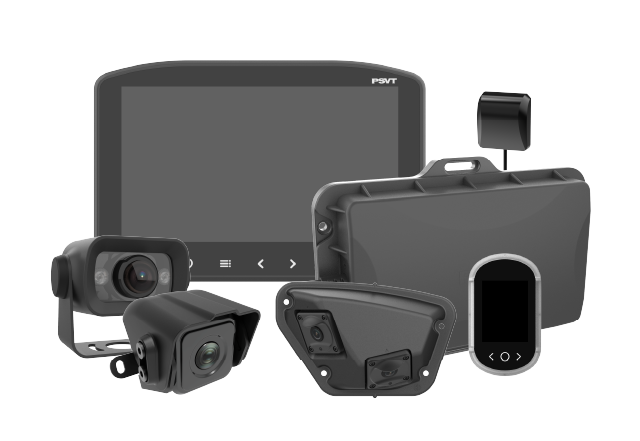
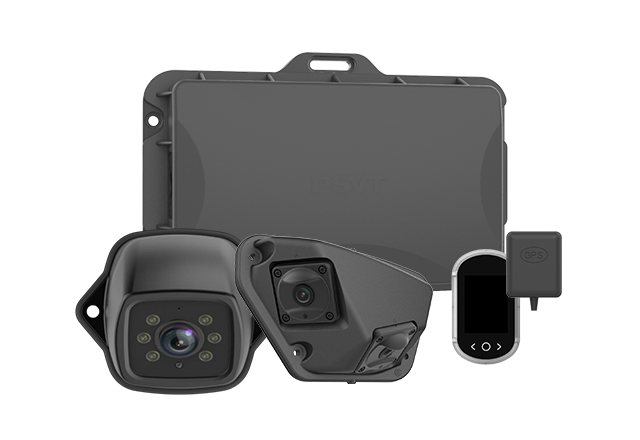
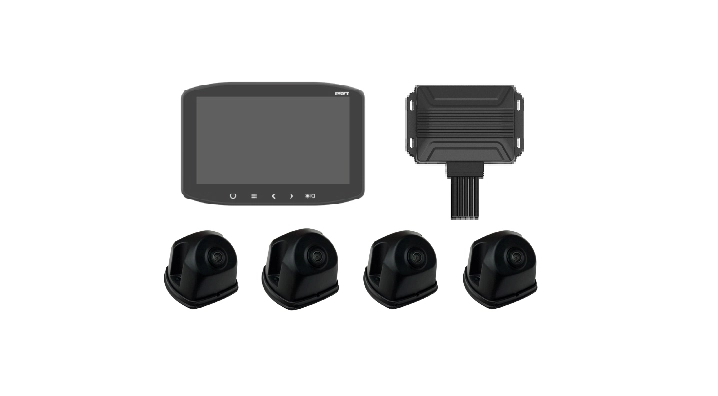
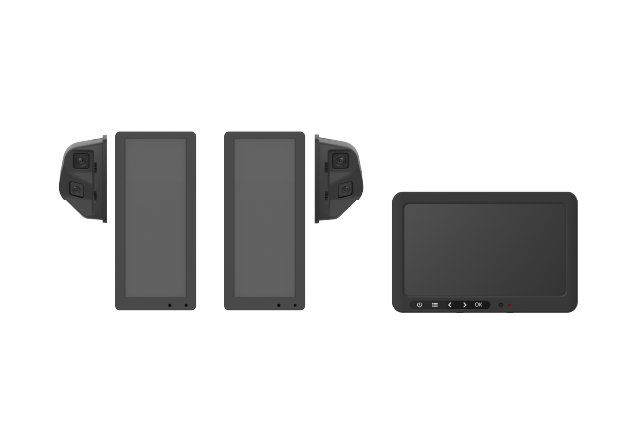
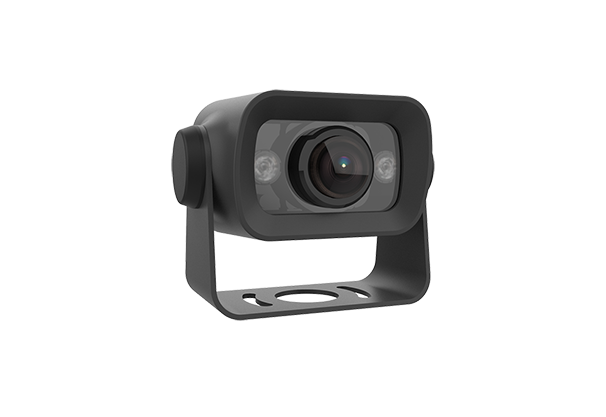
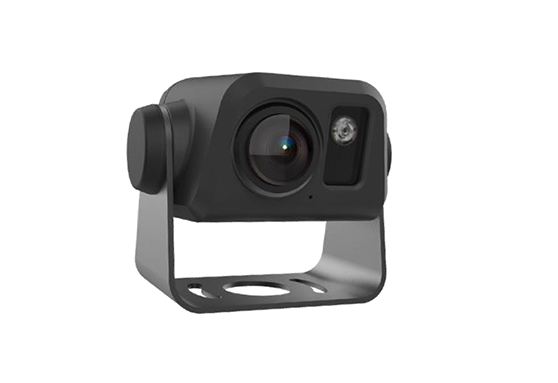
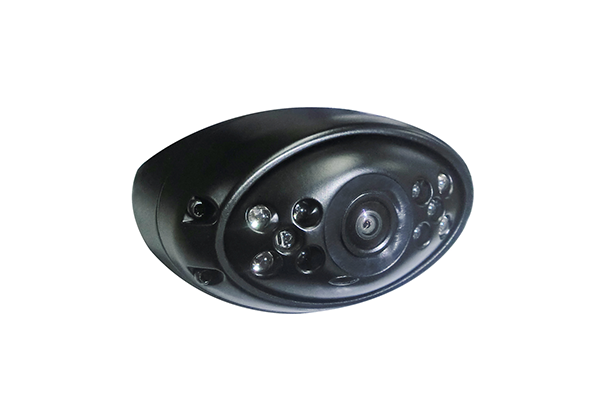
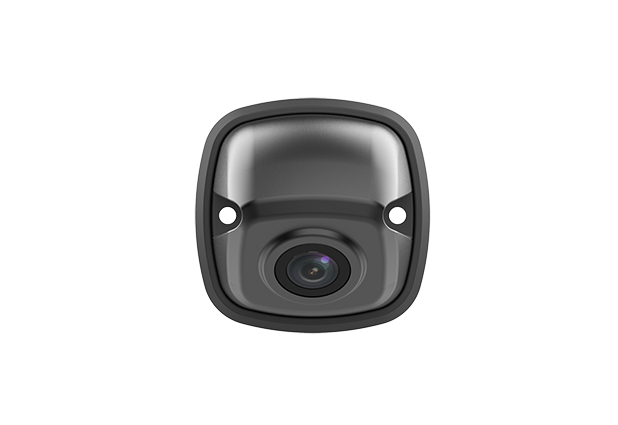
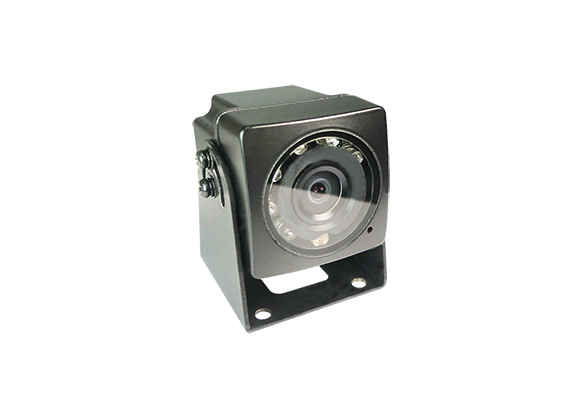
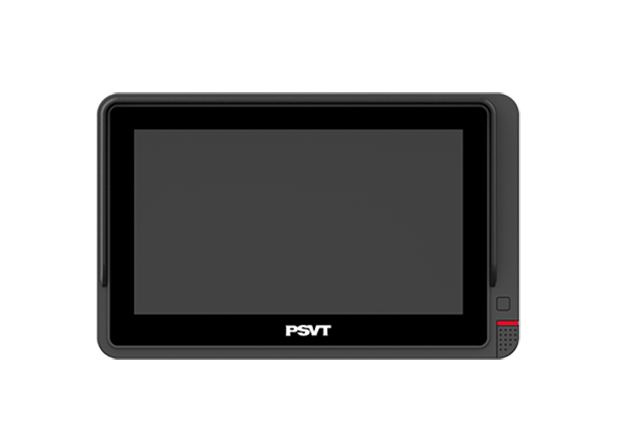
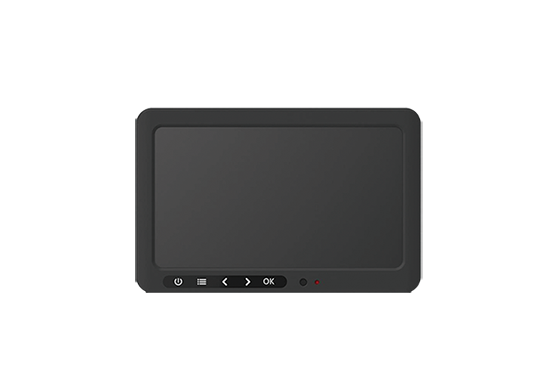
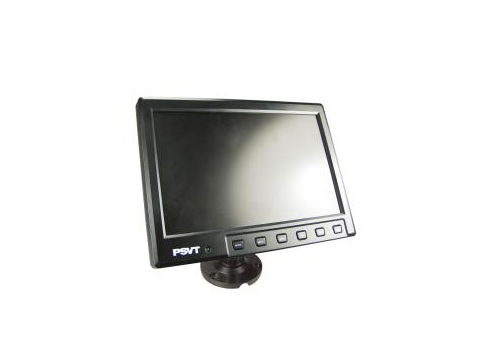
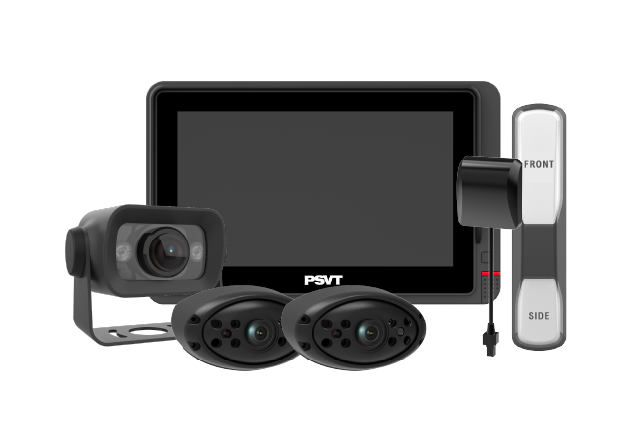
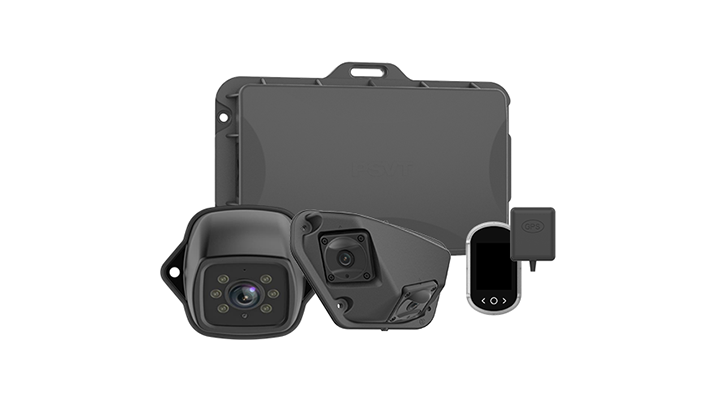
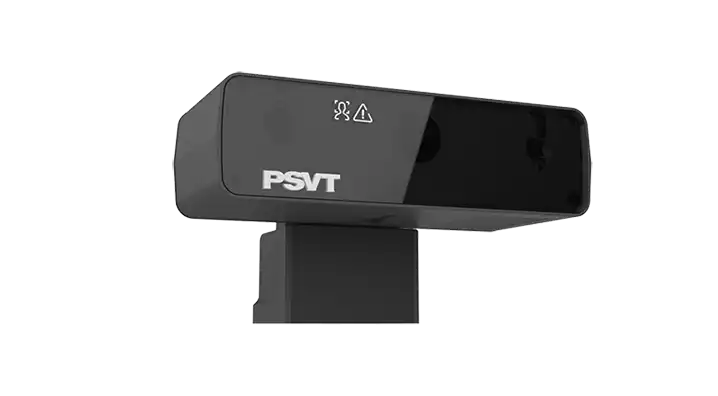
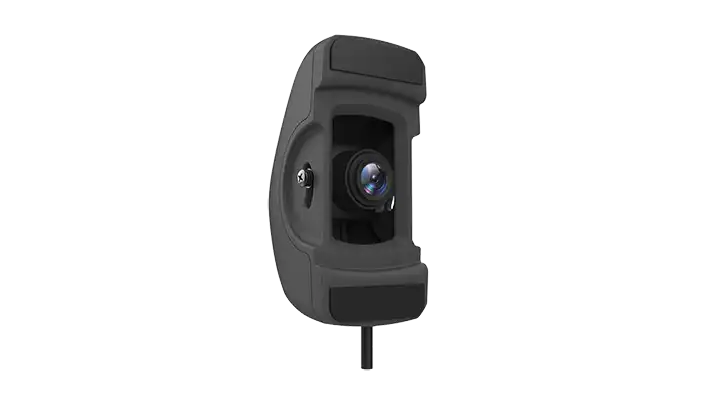
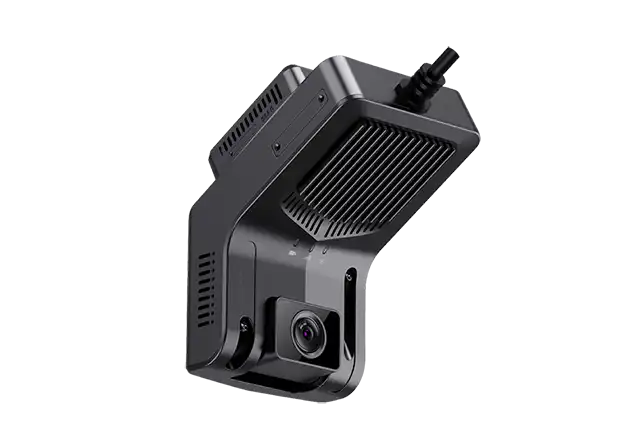
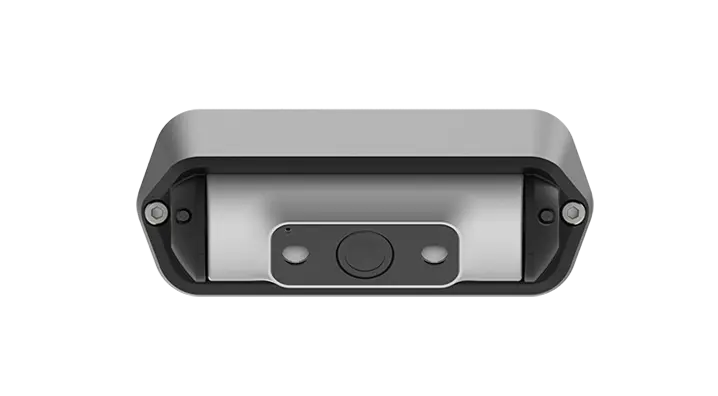
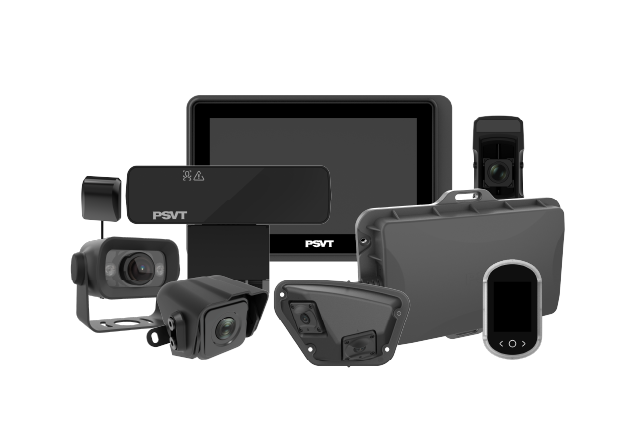
A Forklift Wireless Security Camera System is a camera-based monitoring solution designed specifically for forklifts and industrial vehicles. It usually includes one or more cameras, a display monitor in the driver’s cabin, wireless transmission modules, power connections, and sometimes recording or alert functions. The goal is to improve the operator’s visibility around the forklift without requiring complex video cable routing through the vehicle.
The wireless design is especially useful for forklift applications because forklifts have moving parts, compact structures, and limited installation space. Running long video cables can be difficult, time-consuming, and vulnerable to wear in harsh industrial environments. A wireless solution can simplify installation, reduce wiring work, and make retrofitting easier for existing fleets.
Depending on the configuration, a Forklift Wireless Security Camera System can support rear view monitoring, front fork view monitoring, side blind spot monitoring, load positioning assistance, pedestrian awareness, and general site security. Some systems may also support night vision, waterproof cameras, shock resistance, recording, and integration with alarms or fleet safety platforms.
Before choosing a Forklift Wireless Security Camera System, it is important to understand the main safety challenges faced by forklift operators and fleet managers.
The first challenge is the rear blind spot. Forklifts frequently reverse in loading docks, warehouses, and production areas. Even experienced operators may have difficulty seeing pedestrians, pallet stacks, or other equipment behind the vehicle. A rear camera helps the driver make safer reversing decisions.
The second challenge is mast and load obstruction. When a forklift carries a high or wide load, the driver’s direct forward view can be seriously reduced. A front-mounted or fork-mounted camera can help the operator see the area near the forks, making pallet handling and load positioning more accurate.
The third challenge is pedestrian interaction. Many workplaces have both forklifts and workers moving in the same area. Even with safety rules, pedestrians may enter forklift zones unexpectedly. A Forklift Wireless Security Camera System helps operators identify risks earlier and react more confidently.
The fourth challenge is low-light or harsh working conditions. Forklifts may operate in outdoor yards, cold storage areas, dim warehouses, dusty workshops, or night-shift environments. Camera systems with good low-light performance and durable construction can maintain visibility where mirrors and direct eyesight are not enough.
The most obvious benefit of a Forklift Wireless Security Camera System is improved visibility. Drivers can see more of the vehicle’s surroundings, especially in blind spot areas. This reduces uncertainty and allows operators to make better decisions during reversing, turning, loading, unloading, and maneuvering in tight spaces.
Another key benefit is easier installation. Since wireless systems reduce the need for long signal cables, they can often be installed faster than traditional wired camera systems. For fleets with many forklifts, this can reduce installation labor and minimize operational interruption.
A third benefit is improved driver confidence. Forklift operators often work under pressure, especially in busy logistics and manufacturing environments. When they have a clear camera view, they can operate more smoothly and with less stress. This can help reduce hesitation, improve handling precision, and support more consistent workflow.
A fourth benefit is asset protection. Forklift accidents can damage racks, doors, pallets, vehicles, goods, and facility infrastructure. A Forklift Wireless Security Camera System helps reduce these risks by giving the operator more visual information before a collision happens.
A fifth benefit is safety culture. When a company equips its forklifts with camera monitoring systems, it sends a clear message that safety matters. This can support internal safety training, improve compliance with workplace procedures, and strengthen the company’s reputation as a responsible employer and business partner.
Many companies ask whether they should choose a wired or wireless forklift camera solution. Both have advantages, but a Forklift Wireless Security Camera System is particularly attractive for retrofit projects and fleets that need fast deployment.
A wired system can offer stable signal transmission, but it usually requires more installation work. Video cables must be routed carefully to avoid interference with moving components, hydraulic systems, and daily operation. In some forklift models, cable routing can be difficult and may require extra protection.
A wireless system reduces this challenge. The camera sends video signals wirelessly to the monitor, simplifying the installation structure. This can be especially useful for forklifts that frequently change attachments or work in demanding environments. For companies managing multiple forklift models, a Forklift Wireless Security Camera System can also provide more flexibility across different vehicle types.
However, wireless performance depends on signal quality, transmission distance, anti-interference capability, and environmental conditions. Therefore, B2B buyers should choose industrial-grade systems designed for warehouse and factory environments, rather than low-cost consumer-style camera products.
When selecting a Forklift Wireless Security Camera System, companies should evaluate the system based on real operating conditions, not only on product appearance or price.
First, camera durability is essential. Forklifts work in vibration-heavy environments, so the camera should be shock-resistant and built with a strong housing. Waterproof and dustproof protection is also important for outdoor yards, washing areas, and dusty industrial sites.
Second, image quality matters. A camera system should provide a clear image with a wide field of view. Good low-light performance is important for night operation, cold storage, and indoor areas with uneven lighting.
Third, wireless stability is critical. The Forklift Wireless Security Camera System should maintain stable video transmission even when the forklift moves through aisles, loading bays, metal racks, and large industrial spaces. A delayed or unstable image may reduce driver trust and limit the value of the system.
Fourth, monitor design should be practical. The screen should be bright enough for the working environment, easy to read, and positioned without blocking the driver’s direct view. The interface should be simple so operators can focus on driving rather than adjusting settings.
Fifth, expandability can be valuable. Some companies may start with a rear camera but later add front, side, or fork cameras. Choosing a scalable Forklift Wireless Security Camera System can support future safety upgrades without replacing the entire solution.
A Forklift Wireless Security Camera System can be used across many industrial and commercial environments. In warehouses, it helps operators move safely through narrow aisles and busy picking zones. In logistics centers, it supports safer loading and unloading around trucks, docks, and pedestrian walkways. In manufacturing plants, it improves visibility around production lines, raw material storage areas, and finished goods zones.
In cold storage facilities, camera systems are useful because visibility may be reduced by condensation, low temperatures, and limited lighting. In construction material yards or outdoor industrial sites, durable cameras help operators handle heavy goods in dusty, wet, or uneven conditions. In ports and distribution hubs, the system can support high-frequency operations where speed and safety must be balanced carefully.
For fleet managers, the value of a Forklift Wireless Security Camera System increases when forklifts are used continuously across multiple shifts. The more frequently the vehicle operates, the more important visibility and risk reduction become.
From a fleet management perspective, a Forklift Wireless Security Camera System supports several business goals. It helps reduce preventable incidents, improves equipment utilization, protects goods, and supports safer driver behavior. When paired with recording functions, it can also provide useful information for accident review, operator training, and process improvement.
For example, if a forklift frequently experiences minor collisions near a specific loading bay, camera footage can help managers identify the root cause. The issue may be poor traffic flow, blocked visibility, insufficient signage, or risky driving behavior. With better visual data, managers can make practical improvements instead of relying only on assumptions.
This makes the Forklift Wireless Security Camera System valuable not only for real-time driver assistance but also for long-term safety management. It supports a more data-informed approach to industrial fleet safety.
Before installing a Forklift Wireless Security Camera System, companies should evaluate forklift type, daily operating routes, charging procedures, mounting positions, driver habits, and environmental risks. The camera should be installed where it provides maximum visibility while remaining protected from impact.
For rear view monitoring, the camera is usually mounted at the back of the forklift. For fork view applications, the camera may be placed near the mast or fork area to help with pallet positioning. Side cameras may be used when forklifts operate in crowded areas or need extra visibility at intersections.
Power supply is another important consideration. The system should be compatible with the forklift’s electrical structure and should not interfere with normal vehicle operation. Professional installation is recommended, especially for larger fleets or harsh industrial applications.
A good supplier should provide installation guidance, mounting suggestions, product specifications, and technical support. For B2B buyers, choosing the right supplier is as important as choosing the right Forklift Wireless Security Camera System.
When evaluating suppliers, companies should look beyond product price. A reliable supplier should understand commercial vehicle safety, industrial working conditions, and fleet operation requirements. The supplier should be able to recommend suitable camera positions, monitor sizes, wireless configurations, and system options based on real use cases.
Product reliability is also essential. A Forklift Wireless Security Camera System must perform consistently under vibration, dust, temperature changes, and long working hours. Low-quality systems may fail quickly, show unstable images, or create maintenance issues.
Technical support is another major factor. B2B customers need fast response, clear documentation, spare parts availability, and customization support. For companies with multiple sites or international operations, supplier experience in industrial safety systems can make deployment much smoother.
The return on investment of a Forklift Wireless Security Camera System comes from several areas. First, it can help reduce collision-related repair costs. Second, it can reduce product damage caused by poor visibility during loading and stacking. Third, it can lower downtime caused by accidents. Fourth, it can support worker safety and reduce injury-related risks.
Even small incidents can become expensive when they happen repeatedly. A damaged rack, broken pallet, scratched vehicle, or delayed shipment may seem minor at first, but these costs add up across a large fleet. A Forklift Wireless Security Camera System helps reduce these hidden costs by preventing problems before they happen.
For companies that serve major customers, safety performance can also influence business credibility. Warehouses and logistics providers with strong safety systems may be more attractive to enterprise clients that care about compliance, risk control, and operational excellence.
Forklift safety technology is moving toward smarter, more integrated solutions. In the future, the Forklift Wireless Security Camera System may become part of a broader intelligent safety platform that includes AI pedestrian detection, proximity alerts, driver behavior monitoring, cloud-based fleet management, and site safety analytics.
AI-based visual detection can help identify pedestrians, vehicles, or obstacles and provide alerts to the driver. Wireless connectivity can support easier data transmission and fleet-wide monitoring. As warehouses become more automated and digitally managed, camera systems will play a larger role in connecting vehicles, people, and safety processes.
For companies planning long-term safety upgrades, choosing a scalable Forklift Wireless Security Camera System today can create a stronger foundation for future intelligent fleet management.
A Forklift Wireless Security Camera System is a practical and effective solution for improving forklift visibility, reducing blind spot risks, protecting workers, and supporting safer industrial operations. For warehouses, logistics centers, manufacturing plants, and material handling fleets, better visibility directly contributes to fewer accidents, smoother workflows, and stronger safety management.
The best system is not simply the cheapest camera on the market. It should be durable, stable, easy to install, clear in image quality, and suitable for the real working conditions of forklifts. For B2B buyers, the right Forklift Wireless Security Camera System can deliver value far beyond the vehicle itself. It supports people, productivity, assets, compliance, and long-term operational resilience.
As fleet safety expectations continue to rise, companies that invest early in reliable camera monitoring solutions will be better prepared for the future of industrial vehicle safety. A well-designed Forklift Wireless Security Camera System gives operators the visibility they need and gives managers the confidence to run safer, smarter, and more efficient operations.