UN Regulation R151/R159/R158
View More

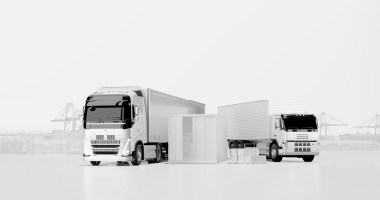
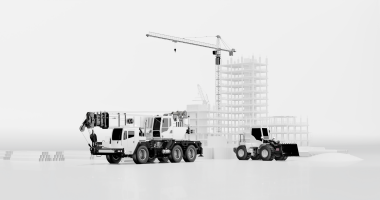
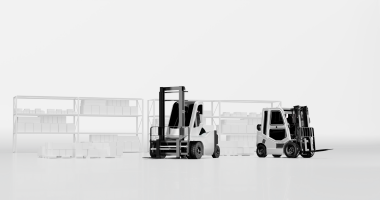
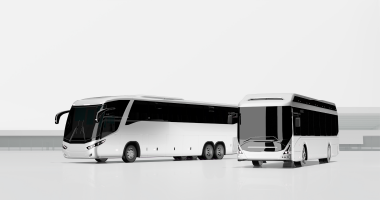






For fleets operating trucks, buses, vans, trailers, refuse vehicles, construction machinery, and special-purpose vehicles, a Commercial Rear View Camera System is no longer a simple convenience feature. A Commercial Rear View Camera System is now a practical fleet safety tool that helps drivers see behind the vehicle, reduce reversing uncertainty, and operate more confidently in depots, loading bays, city streets, warehouses, terminals, ports, and construction sites. When fleet managers consider collision risk, downtime, repair cost, driver workload, insurance pressure, and safety expectations, a Commercial Rear View Camera System becomes one of the most valuable upgrades for daily operations.
Every commercial vehicle has a rear blind zone. The size of that blind zone depends on the body structure, rear overhang, cargo height, mirror layout, camera position, lighting condition, and surrounding environment. A box truck reversing into a dock, a coach bus leaving a station, a refuse truck working in a residential street, and a construction vehicle moving around workers all face different rear visibility risks. In each case, a Commercial Rear View Camera System gives the driver a live view of the area behind the vehicle.
The business value is clear. Fleets do not only need vehicles that move efficiently; they need vehicles that reverse safely. A Commercial Rear View Camera System helps turn a hidden danger area into usable visual information. For a fleet operator, better visibility can support fewer low-speed collisions, fewer vehicle-off-road days, better driver confidence, and stronger customer trust.
A Commercial Rear View Camera System also creates consistency across mixed fleets. Many companies operate vehicles from different brands, model years, and body builders. Some vehicles may have factory cameras, some may have only mirrors, and some may rely on reversing sensors. By installing a standardized Commercial Rear View Camera System, fleet managers can simplify driver training, maintenance, and safety procedures.
Rear visibility is increasingly connected with vulnerable road user protection. UN Regulation No. 158 covers devices for reversing motion and motor vehicles with regard to the driver’s awareness of vulnerable road users behind vehicles. Its purpose is directly linked to awareness during reversing and proximity risks behind the vehicle. This makes the Commercial Rear View Camera System relevant not only as hardware, but also as part of a broader safety and compliance direction.
In Europe, the General Safety Regulation has pushed the market toward advanced safety systems and better vulnerable road user protection. Germany’s Federal Ministry for Digital and Transport states that Regulation (EU) 2019/2144 entered into force on January 5, 2020 and became mandatory in EU Member States on July 6, 2022. For OEMs, body builders, and fleet buyers, a Commercial Rear View Camera System is part of the wider movement toward safer commercial vehicle design.
In the United States, NHTSA’s rear visibility rule for vehicles under 10,000 pounds requires rear visibility technology and a field of view covering a 10-foot by 20-foot zone directly behind the vehicle. Heavy commercial vehicles may fall under different categories, but the market signal is still important: regulators and users expect improved rear visibility. A Commercial Rear View Camera System helps fleets align with this global safety direction.
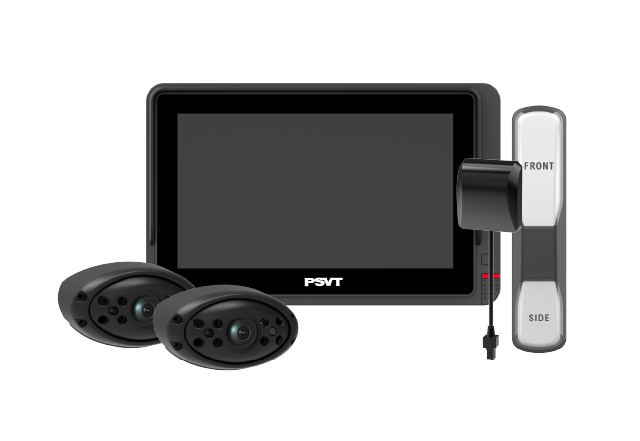
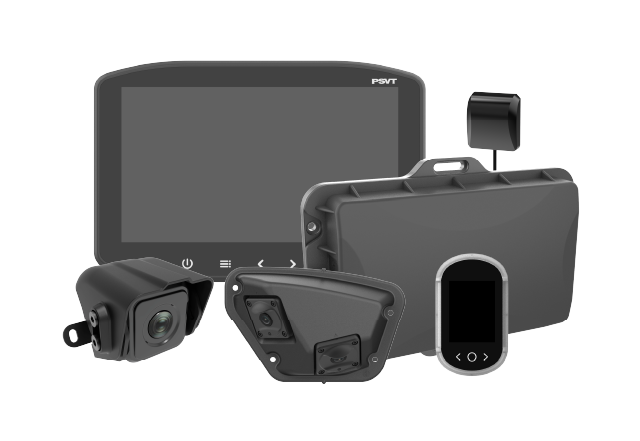
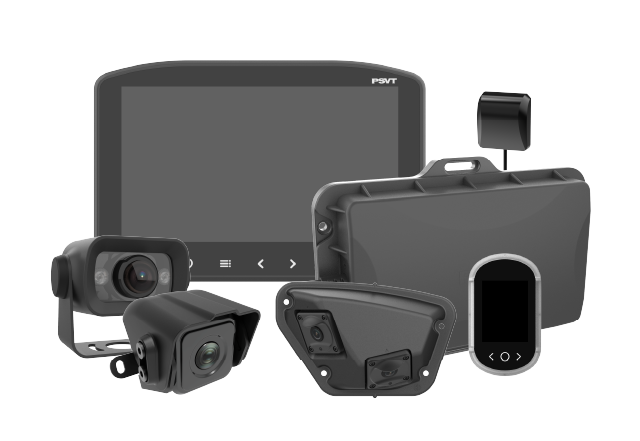
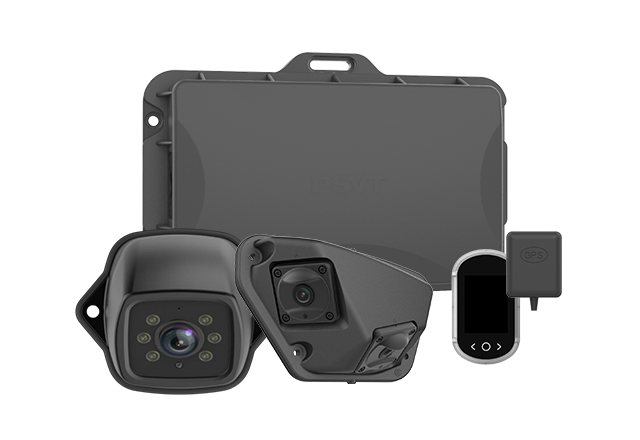
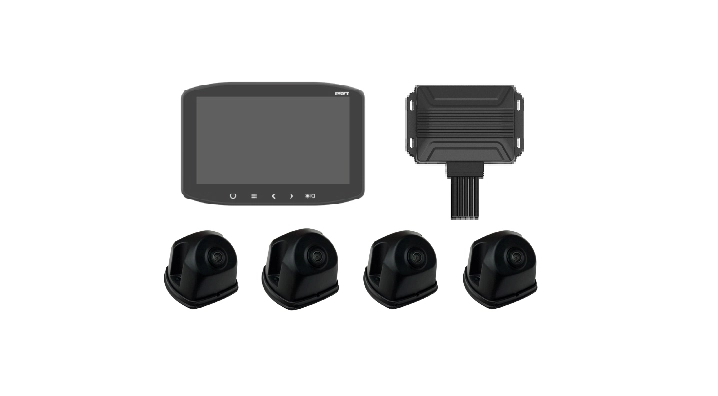
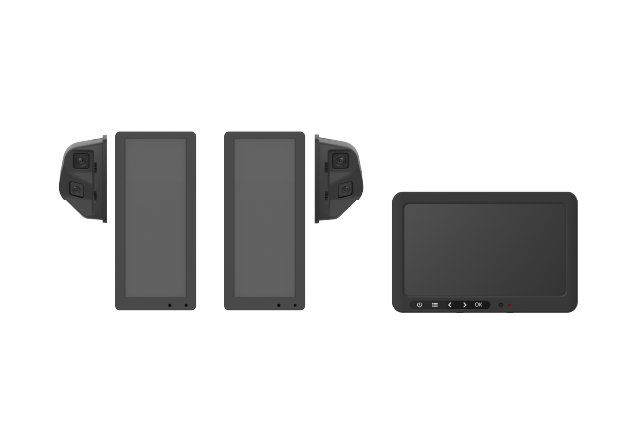
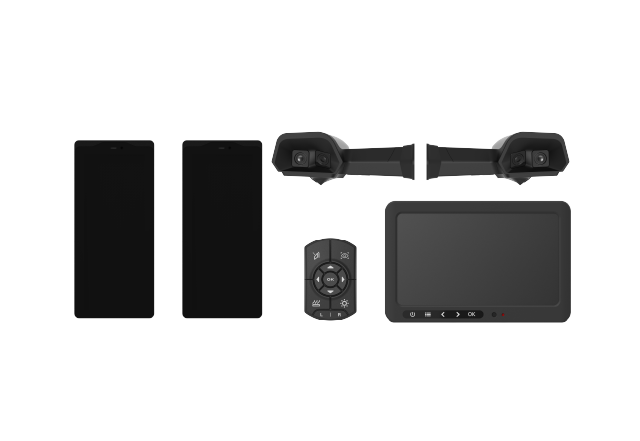
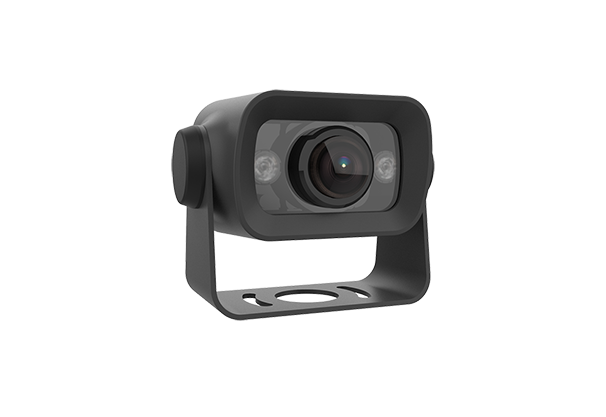
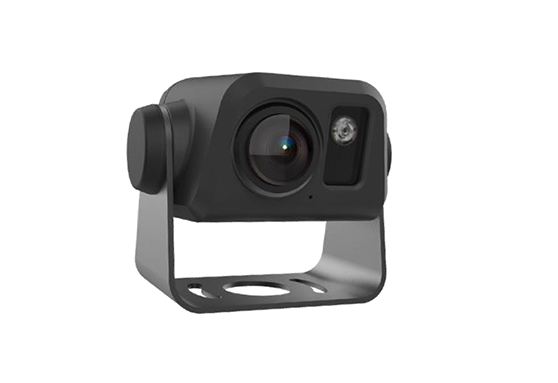
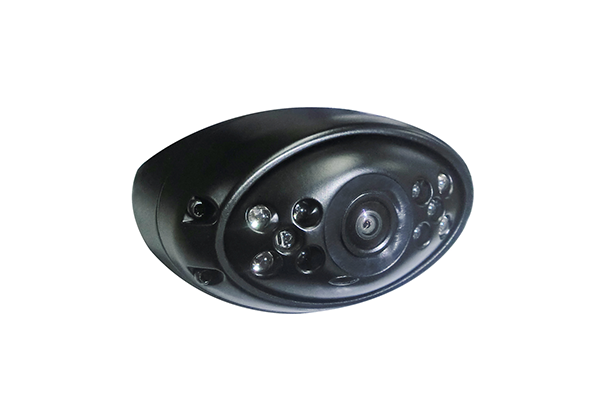
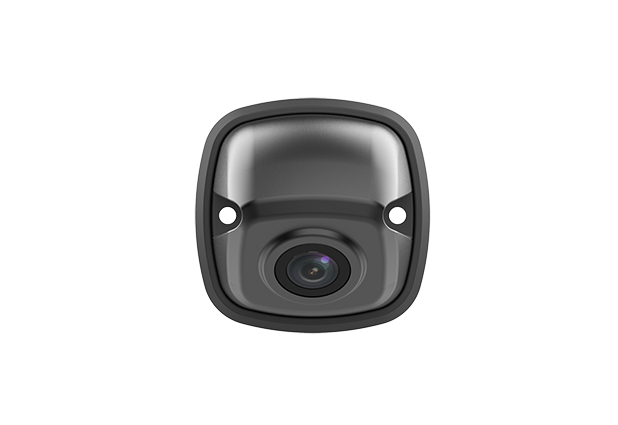
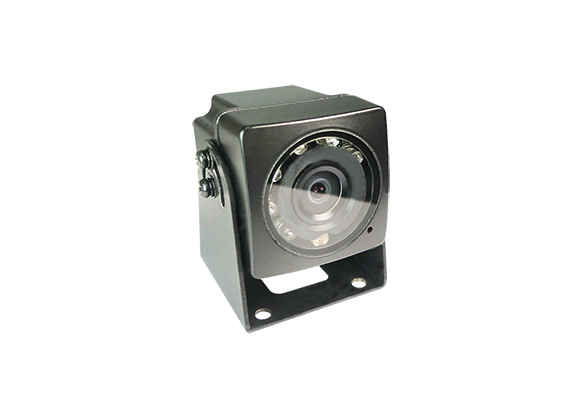
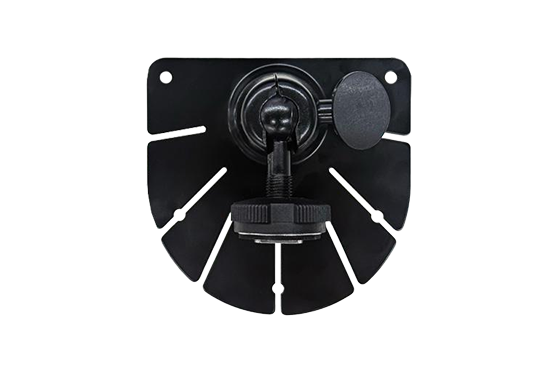
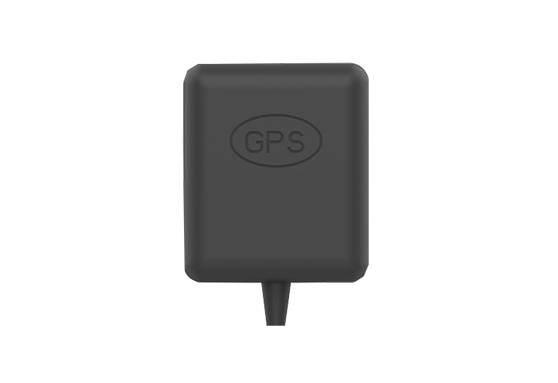
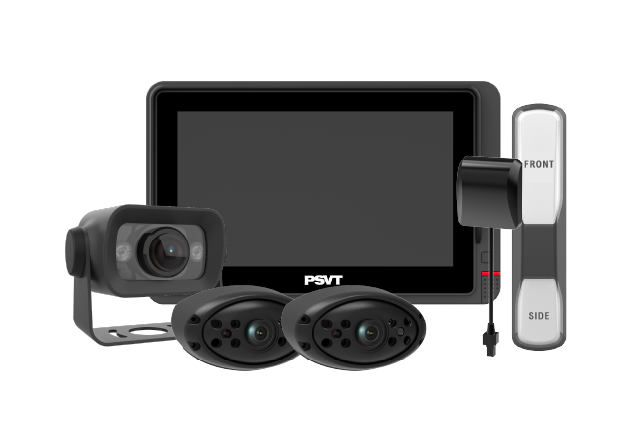
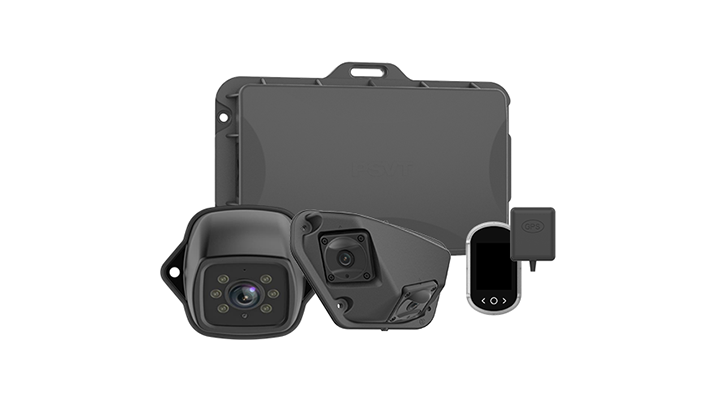
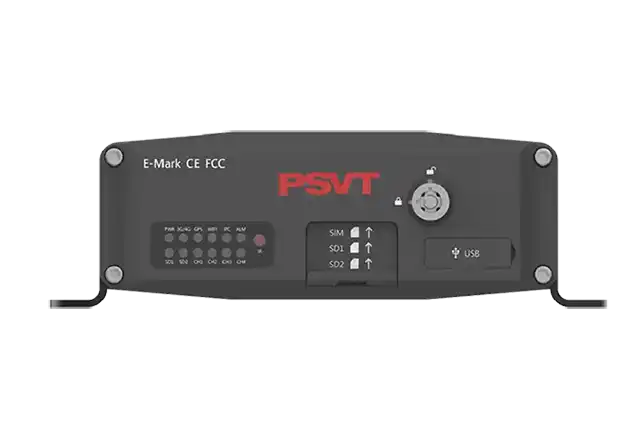
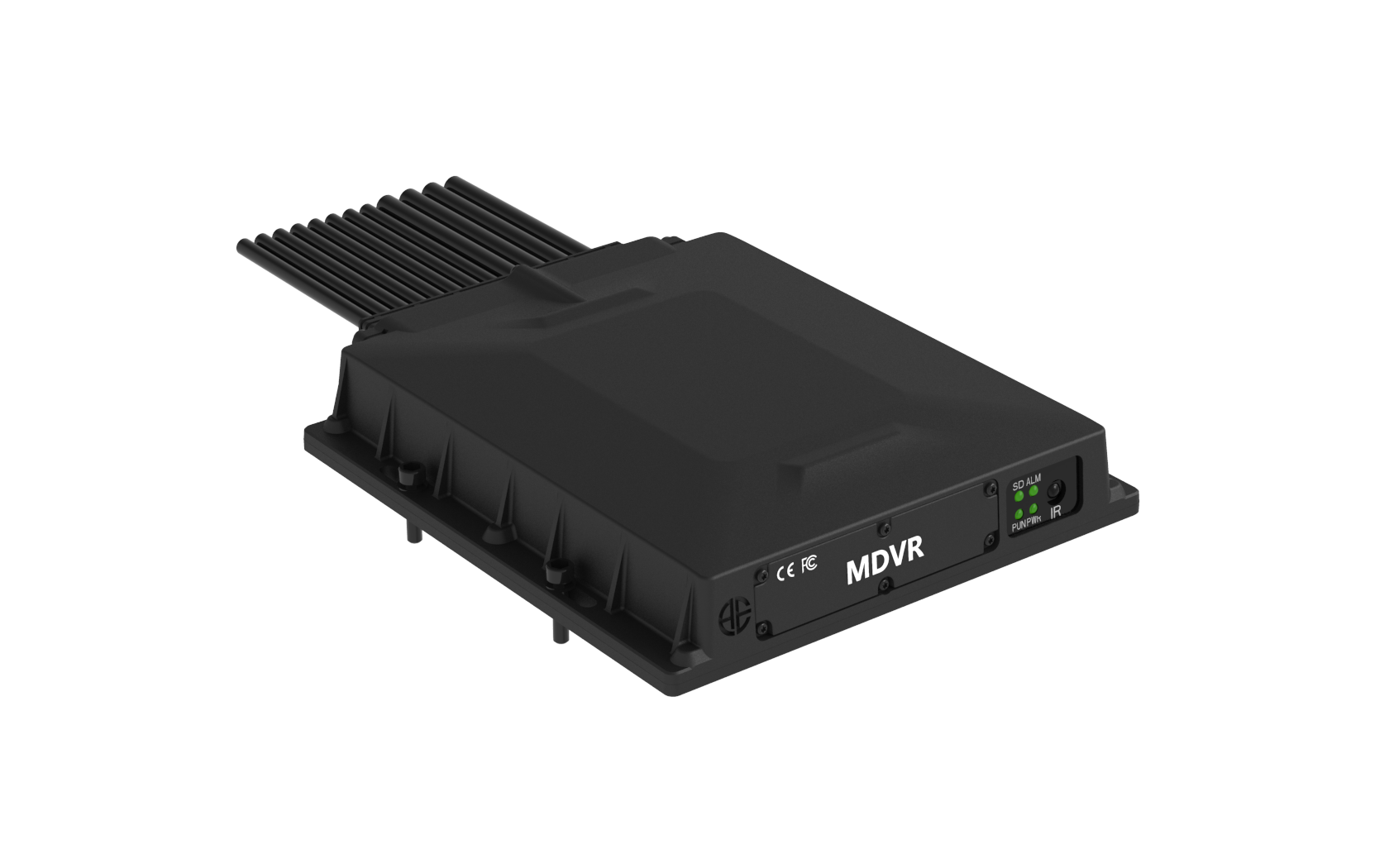
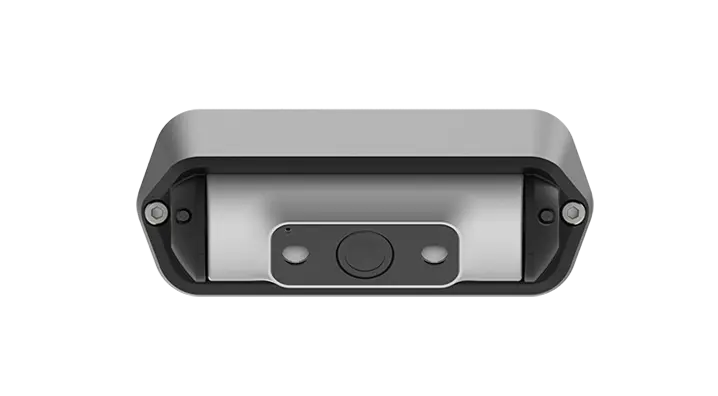
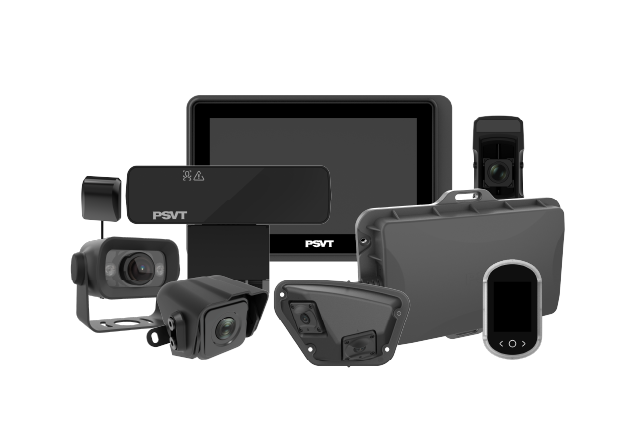
A Commercial Rear View Camera System is a vehicle safety solution that typically includes a rear-facing camera, in-cab monitor, cable harness or wireless transmission unit, power connection, mounting bracket, and installation accessories. Depending on the application, a Commercial Rear View Camera System may also include audio, night vision, heating, waterproof housing, recording, AI detection, or integration with an MDVR or ADAS platform.
Unlike a basic consumer backup camera, a Commercial Rear View Camera System must be designed for long service hours, vibration, water exposure, dust, temperature changes, electrical interference, and rough installation environments. Commercial vehicles may operate in rain, snow, fog, tunnels, night shifts, loading yards, ports, construction sites, mining areas, and high-pressure washdown conditions. A fleet-grade Commercial Rear View Camera System must keep video stable under real working conditions.
A strong Commercial Rear View Camera System must also match the vehicle scenario. A city bus may need a wide rear view for passengers and pedestrians near stops. A logistics truck may need reliable dock reversing. A trailer may need stable long-distance video transmission. A construction vehicle may need rugged mounting and impact resistance. A Commercial Rear View Camera System should be selected around real vehicle use, not only around the lowest purchase price.
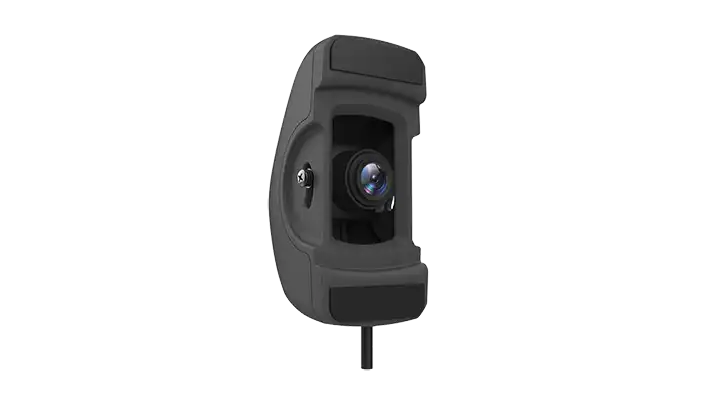
The camera is the core of a Commercial Rear View Camera System. Buyers should evaluate resolution, field of view, low-light performance, WDR or HDR capability, waterproof rating, shock resistance, connector quality, and housing material. A high-resolution image is useful, but resolution alone is not enough. A Commercial Rear View Camera System also needs stable exposure, low latency, and dependable image transmission.
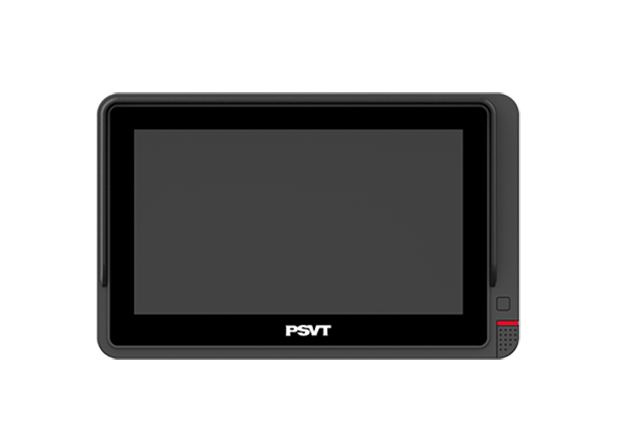
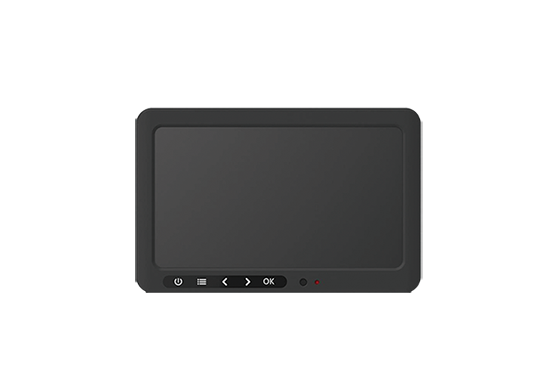
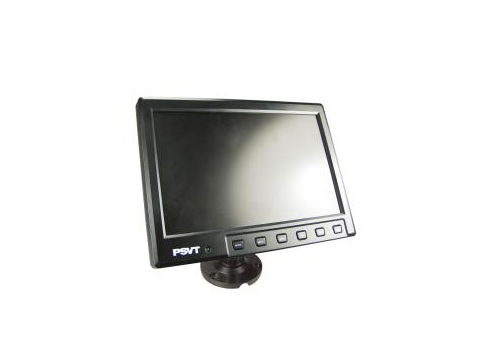
The monitor is the driver’s decision interface. A Commercial Rear View Camera System should use a display size and layout that fit the cab without blocking forward visibility. The monitor should start quickly, show a clear image, and switch automatically when reverse gear is engaged. In some fleets, the Commercial Rear View Camera System may be a dedicated rear display. In other fleets, it may be part of a multi-camera monitor showing rear, side, front, or 360° views.
Cables and connectors are often underestimated. Poor wiring can cause black screens, image noise, water ingress, unstable video, and service complaints. A reliable Commercial Rear View Camera System should use automotive-grade cables, sealed connectors, stable power design, and clear installation guidance. For OEM and body-builder projects, a standardized Commercial Rear View Camera System can reduce installation time and improve after-sales efficiency.
The first benefit of a Commercial Rear View Camera System is improved driver awareness. Reversing often requires the driver to monitor mirrors, pedestrians, loading docks, parked vehicles, warehouse doors, equipment, and site workers. A Commercial Rear View Camera System adds a direct visual reference behind the vehicle, supporting safer low-speed decisions.
The second benefit is cost control. Even minor reversing collisions can create repair cost, downtime, insurance claims, customer complaints, and administrative work. A Commercial Rear View Camera System helps reduce the risk of hitting walls, bollards, loading equipment, vehicles, and vulnerable road users. For fleet managers, fewer reversing incidents can mean smoother operations and lower total cost of ownership.
The third benefit is driver confidence. New drivers, temporary drivers, and drivers assigned to unfamiliar vehicles may feel pressure when reversing in tight yards or urban streets. A Commercial Rear View Camera System gives them better situational awareness and helps them maneuver more calmly.
The fourth benefit is brand image. A fleet equipped with a Commercial Rear View Camera System shows customers, communities, regulators, and employees that safety is treated as a daily operating standard, not only as a policy document.
The right Commercial Rear View Camera System starts with the vehicle type. A delivery van, coach bus, long-haul tractor, rigid truck, trailer, refuse vehicle, forklift, and construction machine all require different camera angles, mounting positions, cable lengths, and display logic. Before choosing a Commercial Rear View Camera System, fleet buyers should define the reversing scenario clearly.
The operating environment is the next priority. If vehicles are washed often, the Commercial Rear View Camera System should have strong waterproof protection. If vehicles work at night, the Commercial Rear View Camera System should offer strong low-light performance or infrared support. If vehicles operate in cold regions, lens heating and anti-fog design may be important. If drivers move between bright sunlight, tunnels, and loading bays, WDR performance becomes valuable.
Latency is another important factor. A Commercial Rear View Camera System should show the rear image quickly and smoothly. A delayed image can reduce driver trust, especially when a vehicle is reversing around people or obstacles. For buses, delivery fleets, and yard vehicles, low latency can make the Commercial Rear View Camera System feel more natural and reliable.
Expandability should also be considered. A Commercial Rear View Camera System may start as a rear camera upgrade, but fleets often later add side cameras, front cameras, blind spot detection, AI pedestrian detection, DVR recording, or 360° around view monitoring. Choosing a Commercial Rear View Camera System that can connect with a wider safety platform gives the fleet a stronger upgrade path.
A wired Commercial Rear View Camera System is often preferred for heavy-duty vehicles because it offers stable video, low latency, and long-term reliability. It is suitable for trucks, buses, coaches, construction machinery, and vehicles that need permanent installation. The installation may take more time, but the wired Commercial Rear View Camera System is usually more robust.
A wireless Commercial Rear View Camera System can reduce installation complexity, especially for trailers, rental vehicles, temporary fleets, or applications where cable routing is difficult. However, buyers should test signal stability, interference resistance, delay, and power design in the actual environment. A wireless Commercial Rear View Camera System can be useful, but it must be validated before large-scale deployment.
An integrated Commercial Rear View Camera System connects with the vehicle’s monitor, MDVR, ADAS controller, or fleet management platform. This approach can reduce cab clutter and support video evidence, maintenance diagnostics, or safety analytics. For OEMs and large fleets, an integrated Commercial Rear View Camera System can become part of a complete active safety ecosystem.
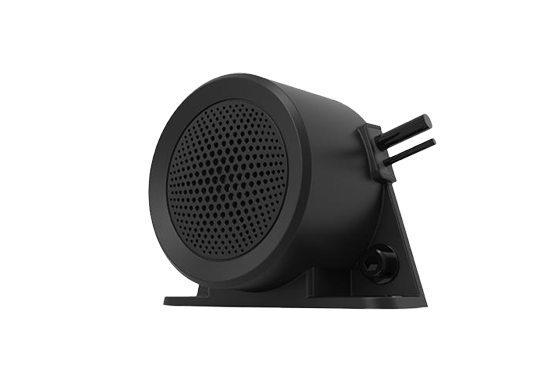
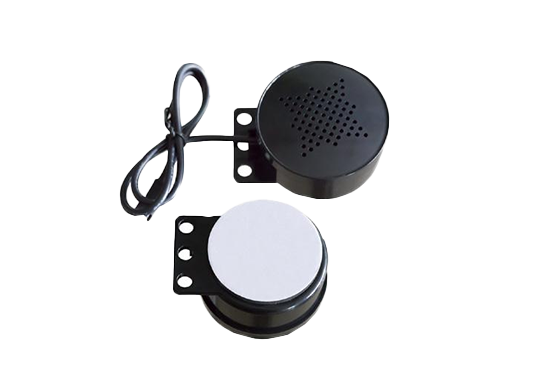
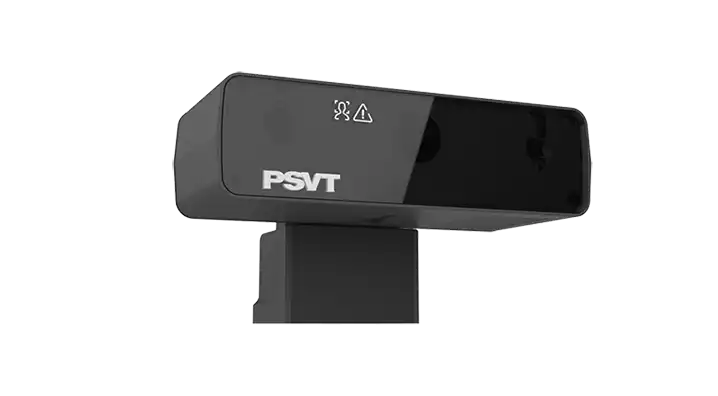
The traditional Commercial Rear View Camera System provides a live rear image. The next-generation Commercial Rear View Camera System goes further by combining video with detection, warning, recording, and diagnostics. AI-enabled cameras can help detect pedestrians, cyclists, vehicles, or obstacles behind the vehicle. When connected to audio or visual alerts, the Commercial Rear View Camera System becomes an active safety tool rather than only a viewing device.
Recording is also valuable. A Commercial Rear View Camera System connected to an MDVR can store video for incident review, driver coaching, claims investigation, and safety analysis. For fleets, video evidence can be useful when reviewing reversing accidents or near-miss events.
Diagnostics should not be ignored. A Commercial Rear View Camera System should ideally support failure detection for camera disconnection, signal loss, display failure, or power issues. Rear camera reliability has become a serious issue in the wider automotive market. Reuters reported that Ford agreed to a major U.S. penalty related to delayed rearview camera recalls, showing that rear visibility failures can create safety, compliance, and brand-risk consequences.
A Commercial Rear View Camera System performs best when installed correctly. The rear camera should be mounted at a height and angle that show the useful reversing area without excessive distortion. The monitor should be easy to see without distracting the driver. Cables should avoid heat sources, sharp edges, moving parts, and water accumulation points.
Driver training is also necessary. A Commercial Rear View Camera System supports the driver, but it does not replace mirrors, direct observation, or safe reversing procedures. Drivers should understand what the camera shows, what it does not show, and how to combine the Commercial Rear View Camera System with existing safety habits.
For large fleets, standardization brings major advantages. Using the same Commercial Rear View Camera System across similar vehicle groups simplifies procurement, spare parts, installation training, maintenance, and driver onboarding. It also makes performance easier to measure across the fleet.
Before purchasing a Commercial Rear View Camera System, confirm the vehicle type and rear blind zone. Before purchasing a Commercial Rear View Camera System, check the required field of view. Before purchasing a Commercial Rear View Camera System, verify the monitor position. Before purchasing a Commercial Rear View Camera System, test low-light image quality. Before purchasing a Commercial Rear View Camera System, review waterproof and vibration ratings. Before purchasing a Commercial Rear View Camera System, confirm cable routing feasibility. Before purchasing a Commercial Rear View Camera System, validate startup time and latency. Before purchasing a Commercial Rear View Camera System, consider future integration with MDVR, ADAS, or 360° AVM. Before purchasing a Commercial Rear View Camera System, evaluate supplier installation support. Before purchasing a Commercial Rear View Camera System, compare total value rather than only unit price.
The return on investment for a Commercial Rear View Camera System should be measured beyond the hardware price. Fleet managers should consider avoided repair costs, reduced downtime, fewer claims, less administrative work, stronger driver confidence, and improved customer trust. A Commercial Rear View Camera System is often a small investment compared with the cost of one serious reversing incident.
For OEMs and body builders, a Commercial Rear View Camera System can also increase product competitiveness. A vehicle equipped with a reliable Commercial Rear View Camera System is easier to position as modern, safe, and fleet-ready. For distributors, the Commercial Rear View Camera System can be bundled with monitors, DVRs, side cameras, blind spot detection systems, and compliance-oriented safety kits.
The best sales message is not simply “buy a camera.” The stronger message is “reduce reversing risk, support drivers, protect assets, and prepare for smarter fleet safety.” That is why a Commercial Rear View Camera System should be marketed as part of a complete fleet safety strategy.
A Commercial Rear View Camera System is one of the most practical upgrades for improving commercial vehicle reversing safety. It helps drivers see hidden areas, supports safer low-speed maneuvers, reduces collision risk, and creates a more consistent safety standard across vehicles. As regulations and customer expectations continue to emphasize vulnerable road user protection, the Commercial Rear View Camera System will remain a core part of commercial vehicle safety.
For fleet operators, the right Commercial Rear View Camera System should be rugged, clear, low-latency, easy to use, and suitable for the vehicle’s real working environment. For OEMs, body builders, and distributors, a Commercial Rear View Camera System is more than a hardware product. It is a value-added safety solution that can connect with ADAS, blind spot detection, MDVR, AI detection, and fleet management systems.
In a market where every vehicle, every driver, and every reversing maneuver matters, investing in a Commercial Rear View Camera System is a smart step toward safer roads, lower operating risk, and stronger fleet performance.