UN Regulation R151/R159/R158
View More









An E-side mirror system brings cameras and in-cab displays together to help commercial vehicle drivers monitor the areas beside and behind their vehicles. For fleet operators, vehicle manufacturers, and safety managers, the opportunity extends beyond replacing a familiar piece of hardware. A well-designed solution can provide useful visibility in demanding driving conditions, support more informed maneuvering, and contribute to vehicle efficiency. Real value, however, depends on how the complete system performs on the vehicle, how comfortably drivers use it, and how effectively it fits the fleet’s daily operations.
Commercial vehicles work in environments where visibility changes constantly. A tractor-trailer may leave a dark distribution center before sunrise, join a busy motorway, and finish its journey at a crowded loading bay. A city bus may encounter cyclists, pedestrians, parked vehicles, and tight junctions within a single route. Understanding how digital mirrors address these conditions helps buyers move beyond specification comparisons and identify a solution that serves their vehicles, drivers, and business.
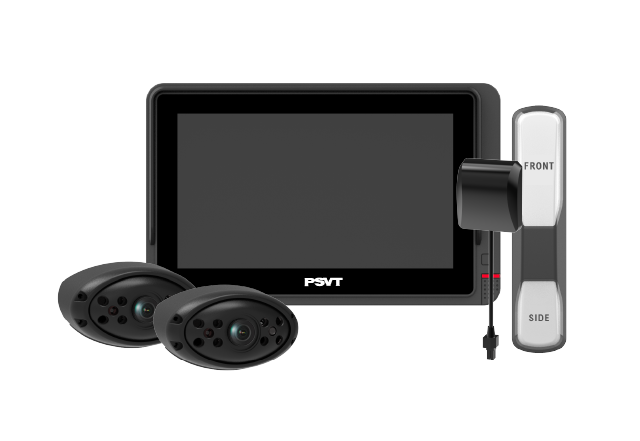
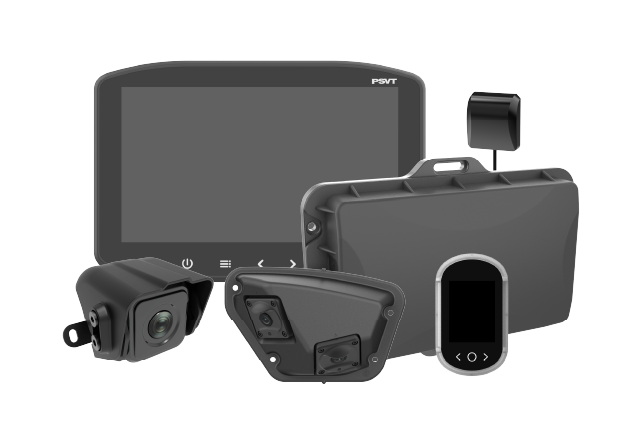
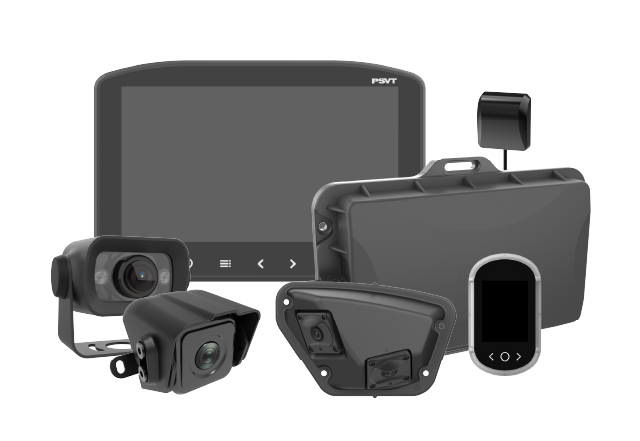
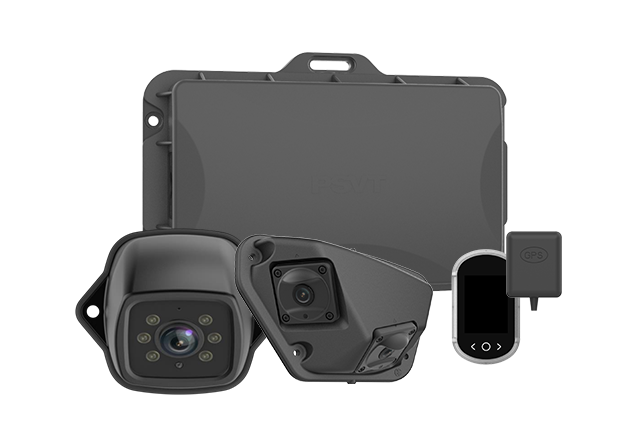
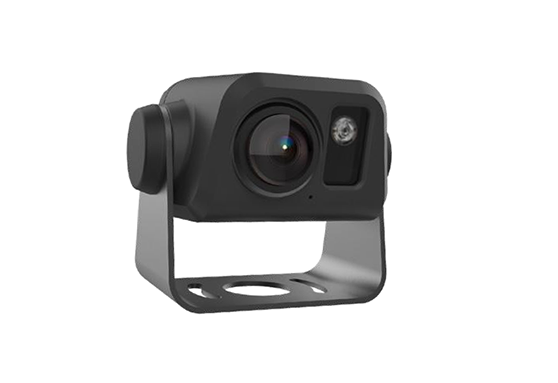
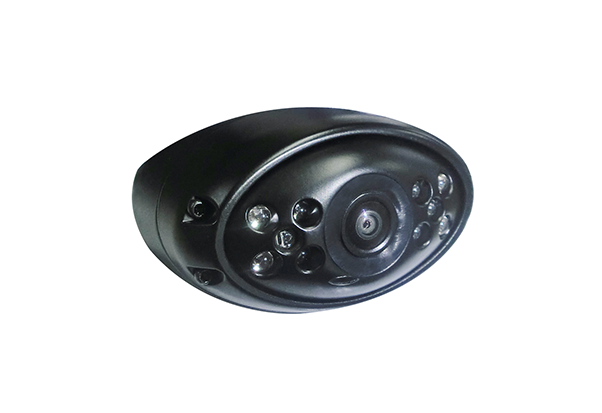
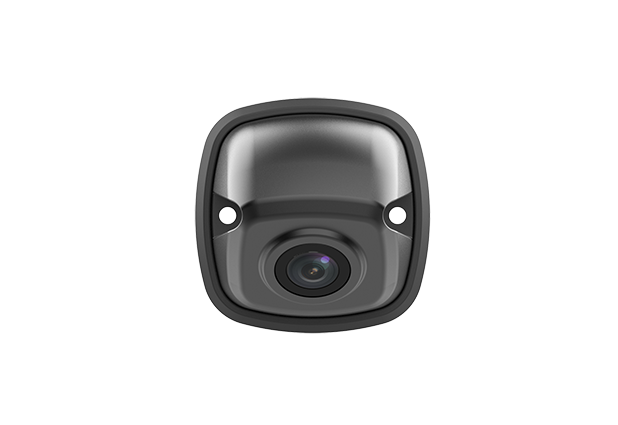
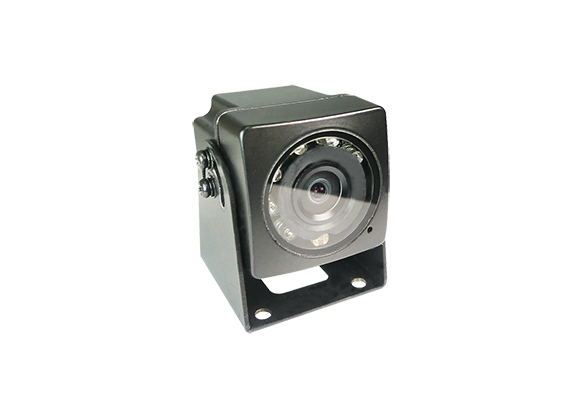
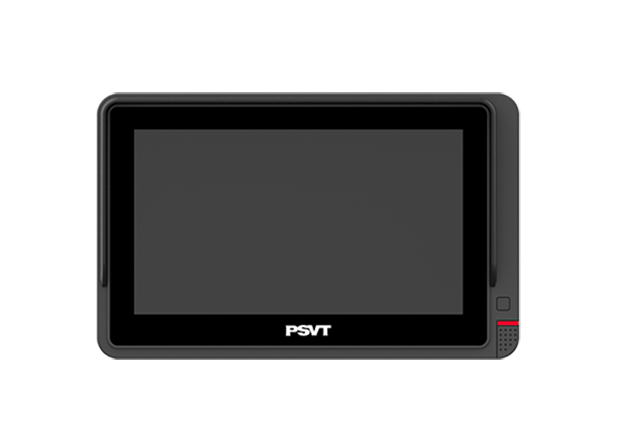
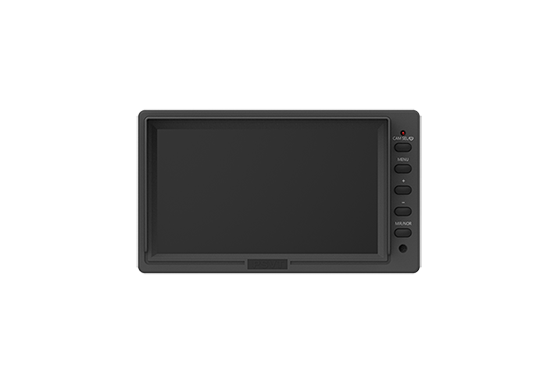
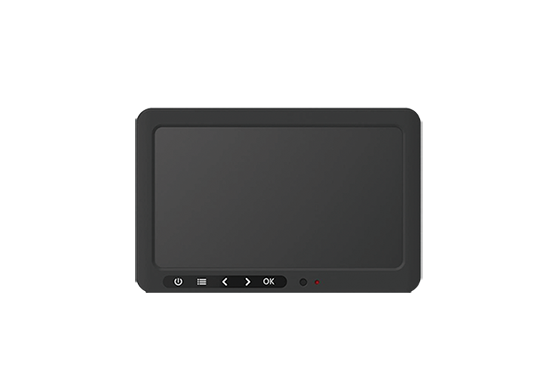
An E-side mirror system is a camera-based indirect vision solution that uses exterior cameras to capture views around a vehicle and presents those views on monitors inside the cab. It is commonly described as a camera monitor system, or CMS. Depending on the product, vehicle configuration, and applicable approval requirements, it may supplement conventional mirrors or replace specified mirror functions. NHTSA similarly describes CMS technology as cameras transmitting images to interior displays to supplement or replace vehicle mirrors.
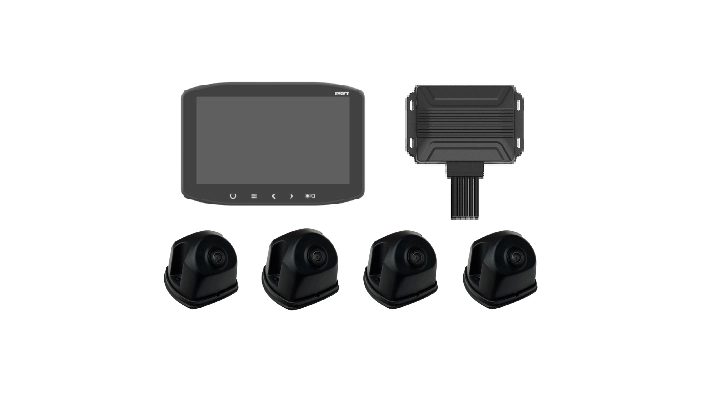
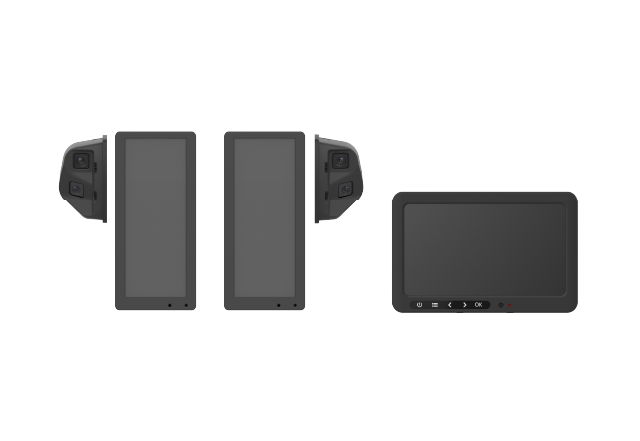
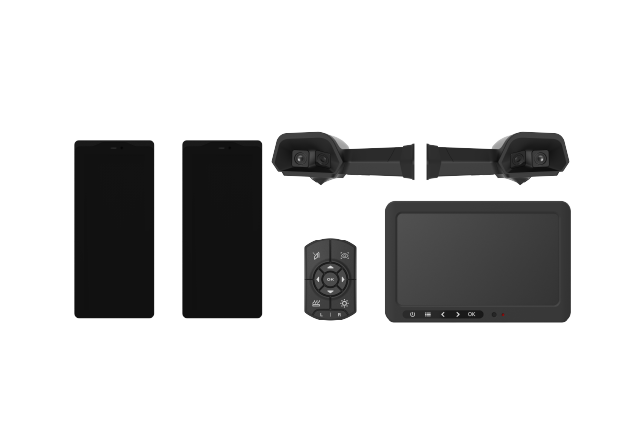
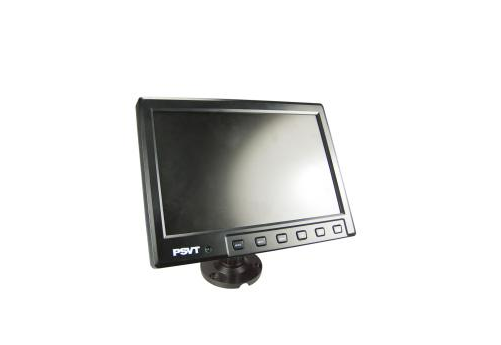
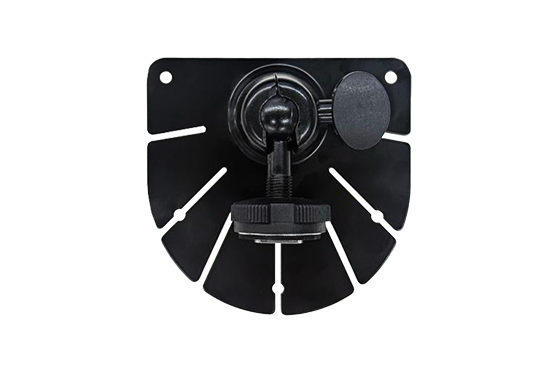
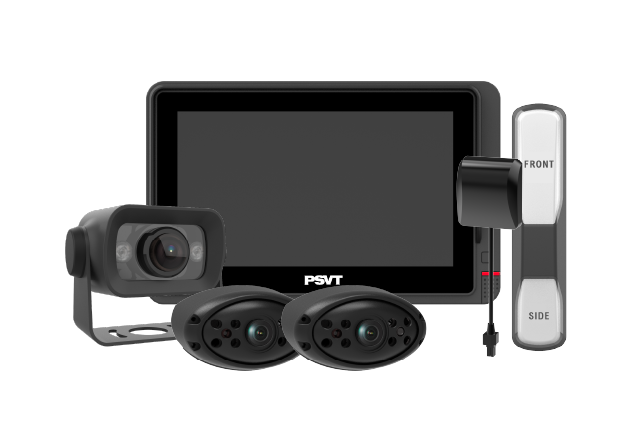
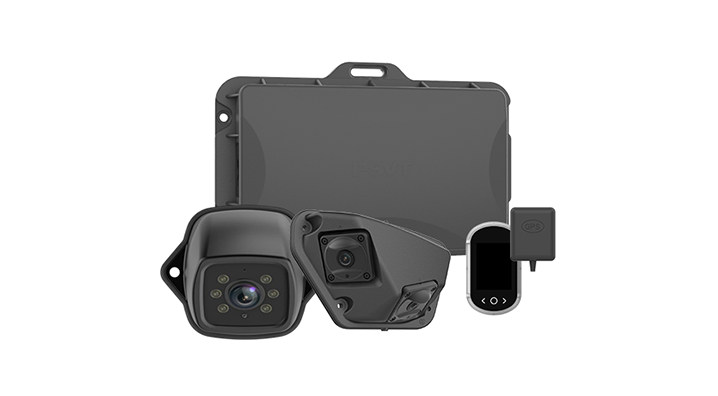
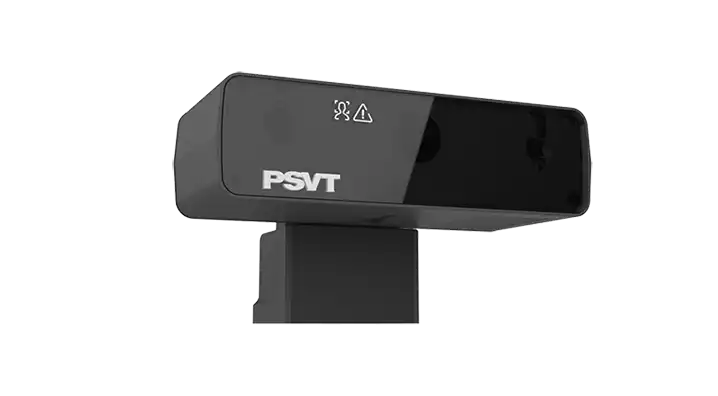
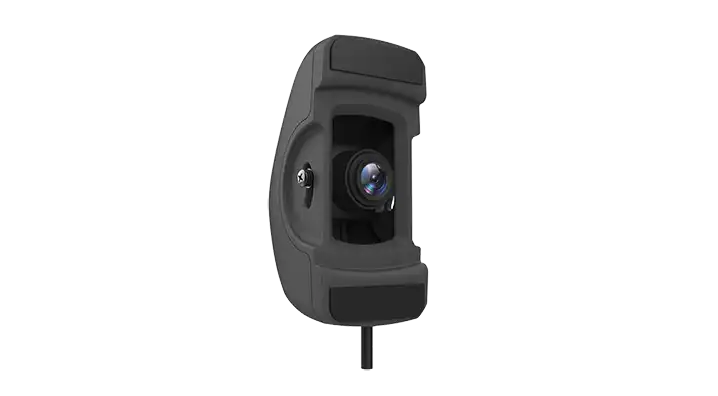
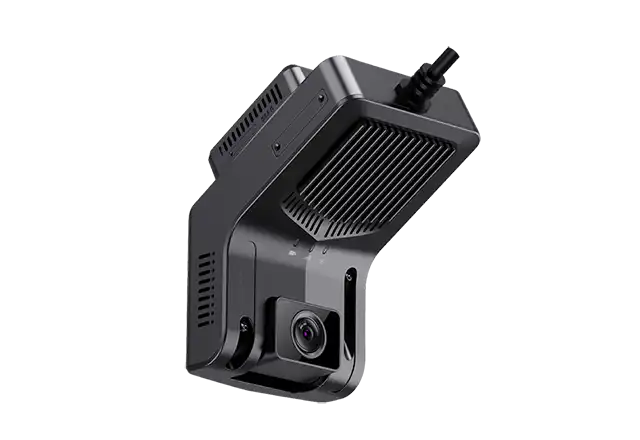
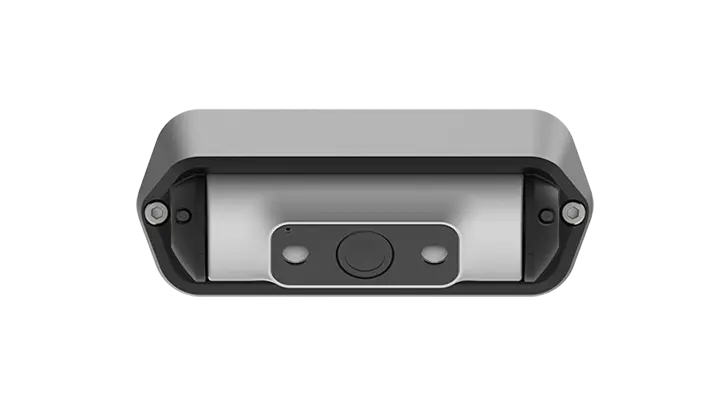
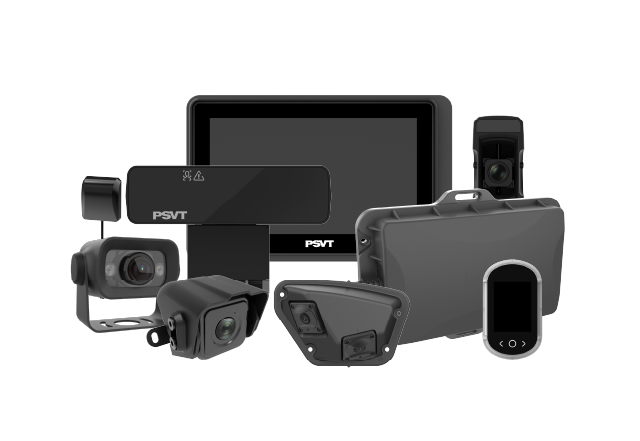
A typical installation includes camera assemblies, displays, image processing electronics, mounting hardware, and power and video connections. These components operate as one visibility chain. A capable camera cannot compensate for an unreadable monitor, and a high-resolution display cannot recover detail that was never captured. Buyers should therefore assess the complete installed system, including camera position, displayed coverage, image timing, and driver viewing position. Treating it as an integrated vehicle function produces a more useful evaluation than comparing individual component specifications.
Large commercial vehicles create demanding observation tasks. Drivers must assess traffic approaching from behind while also tracking lane position, vehicle clearance, and activity near the cab. Conventional mirrors provide essential information, but their performance depends on adjustment, cleanliness, lighting, and the driver’s line of sight. Large mirror housings can also occupy part of the view through the side windows. These factors make indirect vision an important area for both vehicle development and fleet improvement.
Digital mirrors offer another way to present that information. Compact exterior cameras and carefully positioned displays can change how drivers access side and rear views. Research published through Oak Ridge National Laboratory identifies potential safety, maneuverability, and aerodynamic benefits while also emphasizing the need for robust testing. For buyers, the practical implication is straightforward: promising technology deserves a structured evaluation under actual operating conditions before its benefits are assumed across an entire fleet.
The value of an E-side mirror system becomes clearer when it is evaluated against specific driving tasks. During a lane change, a driver needs to identify an approaching vehicle and judge whether sufficient space is available. At a narrow depot entrance, the priority may be clearance along the vehicle’s side. At a junction, the driver may need to monitor nearby road users while preparing to turn. Each task places different demands on field of view, image detail, and display readability.
The goal is to present useful information at a scale and location that drivers can interpret quickly. Wider coverage can be helpful, but making the scene wider may also make individual objects appear smaller. Buyers should examine whether a cyclist, passenger car, or roadside obstacle remains recognizable within the displayed image. A useful demonstration asks drivers to perform realistic observation tasks rather than simply admire a panoramic picture while the vehicle is parked.
Resolution matters, but it is only one part of usable image quality. Commercial vehicles frequently operate in scenes containing both very bright and very dark areas: a sunlit road beside a shaded loading bay, headlights approaching at night, or a tunnel exit against a darker foreground. Buyers should examine how the camera and image processing preserve meaningful detail across these transitions. A bright image is valuable only when the objects drivers need to identify remain clear.
Night performance also deserves careful testing. Increased image brightness can introduce noise or motion blur, depending on how the system processes the scene. Ask suppliers to demonstrate moving vehicles, pedestrians, and road markings under representative lighting rather than relying entirely on still images. Evaluate LED light rendering, reflections, color consistency, and exposure recovery as well. The most informative test compares what drivers can recognize during a maneuver, particularly when lighting changes suddenly.
A technically capable E-side mirror system must also work comfortably with the driver. Display position influences how far the driver moves their eyes, how easily the screen can be read, and how the side view fits into their normal scanning pattern. A mounting arrangement that works well for one driver may be less comfortable for someone with a different seating position. Evaluation should include a range of driver heights, seat adjustments, and working preferences.
Training should cover image scale, distance judgment, screen brightness, and any selectable viewing modes. Drivers also need to understand how the system indicates faults and what procedures apply if a view becomes unavailable. NHTSA research has examined visual accommodation when drivers use camera-based displays instead of mirrors, reinforcing the importance of assessing the human interaction alongside the hardware. A guided introduction followed by supervised practice gives operators a better basis for collecting meaningful driver feedback.
Camera-based visibility and automated hazard detection serve related but distinct purposes. A CMS presents visual information for the driver to interpret. An AI blind spot detection function analyzes sensor information and may issue a warning when specified conditions are met. Some products combine these capabilities, but buyers should confirm exactly what is included. Camera coverage alone does not establish that automated detection is available, and the presence of an alert does not establish its performance in every scenario.
For solutions offering detection, request clear information about supported object types, operating speeds, detection zones, and warning behavior. Ask how the system responds when several road users appear close together or when objects are partly obscured. Evaluate nuisance alerts as well as missed detections, because warning quality influences driver confidence. The objective is a coordinated interface in which the image and any alerts help drivers understand a developing situation without creating unnecessary distraction.
An E-side mirror system may also create an efficiency opportunity when compact camera housings replace larger mirror assemblies. The aerodynamic effect depends on the vehicle design and operating conditions, so published savings from one vehicle should not be transferred directly to another. As a specific manufacturer example, Daimler Truck has reported that the aerodynamic improvement from its MirrorCam could reduce fuel consumption by up to 1.5%. That figure describes a particular implementation rather than a universal result for digital mirrors.
Fleet buyers should build their business case around measured or conservatively estimated results for their own operation. High annual mileage and sustained road speeds may make a small efficiency change financially meaningful. Urban vehicles with frequent stops require a different assessment. Include installation, training, service, replacement parts, and downtime alongside potential fuel savings. Where improved visibility might reduce damage, track actual incident and repair data during the pilot instead of assigning an unsupported reduction percentage.
Commercial vehicle equipment must remain usable through vibration, temperature changes, rain, road spray, and routine cleaning. Exterior cameras are exposed components, and lens contamination can reduce visibility even when the electronics operate correctly. Buyers should examine housing design, mounting stability, connector protection, and access for inspection and cleaning. Where heating or other environmental features are offered, ask how they are controlled and what conditions they are intended to address.
An E-side mirror system also introduces electrical and electronic dependencies into an essential driving function. Supplier discussions should therefore cover startup behavior, fault indication, service diagnostics, and recovery procedures. Ask what happens if a camera, display, connection, or power supply fails. Confirm how technicians identify the affected component and how quickly a replacement can be supplied. A maintainable solution includes clear procedures and accessible parts as well as reliable hardware.
Approval must be considered early in the purchasing process, especially when a system is intended to replace mandatory mirrors. UNECE R46 concerns the approval of devices for indirect vision and the installation of those devices on vehicles. Its scope makes the distinction between device approval and vehicle installation particularly important: a component certificate should be reviewed together with the proposed vehicle configuration and the requirements applicable to the intended market.
Ask suppliers to identify the exact approval documents, covered components, installation conditions, and supported vehicle applications. OEM engineering teams and fleet retrofit managers should verify that the proposed configuration follows the relevant approval route before removing existing equipment. International programs require particular care because acceptance in one jurisdiction does not establish acceptance everywhere. A documented review at the beginning of the project helps prevent mounting, display, or configuration changes from becoming expensive issues later.
OEMs and fleet operators often evaluate the same technology from different starting points. For a vehicle manufacturer, an E-side mirror system becomes part of a broader development program involving cab packaging, electrical architecture, production installation, validation, and service documentation. Stable component supply and controlled software changes can be just as important as image quality. Suppliers should be able to explain how they support engineering samples, validation milestones, production consistency, and changes throughout the vehicle’s lifecycle.
Retrofit fleets usually face a more varied installed base. Vehicles may differ in age, cab layout, electrical condition, and available mounting locations. Installation planning should account for cable routing, secure mounting, technician access, and time away from service. A successful pilot installation on one truck does not automatically establish a repeatable process across every vehicle type. Grouping vehicles into compatible configurations helps buyers estimate labor, standardize instructions, and avoid unexpected installation costs.
Begin a pilot by defining the operating problem. A fleet concerned about motorway lane changes needs a different evaluation from a bus operator focused on dense urban routes. Select vehicles and drivers that represent those conditions, then establish a baseline for relevant outcomes. Depending on the project, useful measures may include driver feedback, visibility-related complaints, cleaning frequency, service interruptions, installation time, and damage incidents. Fuel comparisons require comparable routes, loads, and operating conditions.
Evaluate the E-side mirror system over enough representative shifts to encounter meaningful variation in lighting, weather, and workload. Record both positive results and situations where drivers struggle. Separate installation issues from product limitations and training needs so each can be addressed appropriately. At the end of the trial, compare the findings against criteria established beforehand. This creates a defensible purchasing decision and gives the supplier a clear list of requirements for any wider rollout.
A strong supplier should connect product claims to evidence. Request sample approval documentation, vehicle installation guidance, environmental test information, warranty terms, and service procedures. Ask for demonstrations using the configuration being proposed, including its actual cameras, displays, cabling, and software. Clarify which features are standard, which require additional hardware, and which depend on vehicle integration. This prevents a polished demonstration from creating expectations that the delivered configuration cannot meet.
Commercial support matters throughout the relationship. Confirm spare parts availability, technical response arrangements, installer training, and how future software updates will be managed. For distributors, consider how easily local technicians can diagnose problems and support customers. For OEMs, review change control and long-term supply commitments. The best purchasing decision balances visibility performance with the supplier’s ability to support the system through installation, daily operation, and eventual component replacement.
A camera monitor system can provide side and rear indirect views used during normal driving, depending on its design and approved application. A reversing camera is generally intended to assist with the area behind the vehicle during reversing. The two may complement each other, but their intended functions and approval requirements differ.
It may replace specified mirror functions when the system and vehicle installation meet the applicable requirements for the intended market. Buyers should verify the approval scope, installation conditions, and vehicle application before removing mandatory mirrors. The presence of cameras and monitors alone is insufficient to establish suitability for mirror replacement.
Coverage depends on camera placement, lenses, vehicle geometry, and the displayed views. A side mirror replacement does not automatically provide complete coverage around the vehicle. Buyers should map the areas needed for their operation and identify whether additional cameras or detection systems are required.
Some systems offer image processing and camera features intended to support low-light visibility. Performance still depends on available light, movement, weather, and the complete imaging chain. Test the proposed configuration on representative night routes and assess recognizable detail rather than screen brightness alone.
No. Automated detection and video recording are separate capabilities that may be optional or unavailable. Ask suppliers to identify the included functions and their limitations. Where recording is required, confirm storage, retrieval, retention settings, and how recorded footage relates to the live driver view.
Compare total acquisition and operating costs with benefits supported by fleet data. Include installation, training, maintenance, downtime, and replacement parts. Use controlled measurements for efficiency claims and track damage outcomes over a suitable period. A conservative calculation provides a stronger purchasing basis than assuming advertised benefits will apply equally to every vehicle.
Define the required vehicle applications, operating conditions, and target markets, then request a technical discussion and representative demonstration. Follow with a documented pilot or validation program. This approach helps buyers select a solution that delivers useful visibility and can be supported consistently throughout its working life.