UN Regulation R151/R159/R158
View More







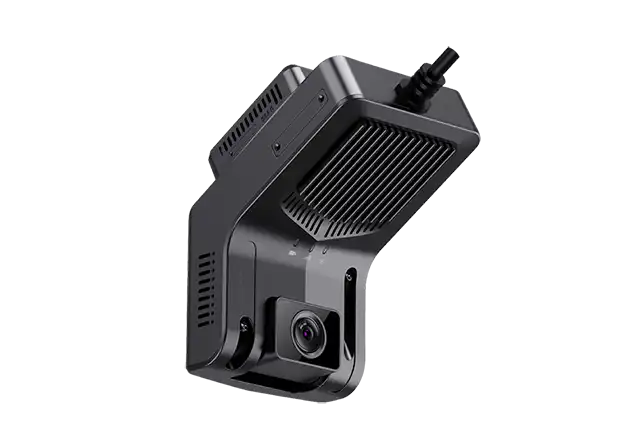
A dual dash cam for trucks is no longer just a recording device. For modern fleet operators, logistics companies, commercial vehicle owners, and transport CEOs, it has become a practical safety and risk-management tool. A dual dash cam for trucks helps capture both the road ahead and the driver or cabin area, giving fleet managers clearer evidence, better driver visibility, and stronger operational control. As commercial fleets face rising safety expectations, insurance pressure, driver shortages, and tighter compliance requirements, choosing the right dual dash cam for trucks can directly support safer driving, lower dispute risk, and more efficient fleet management.
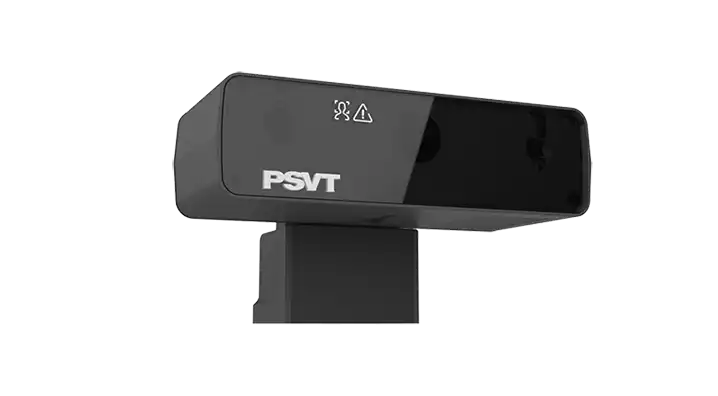
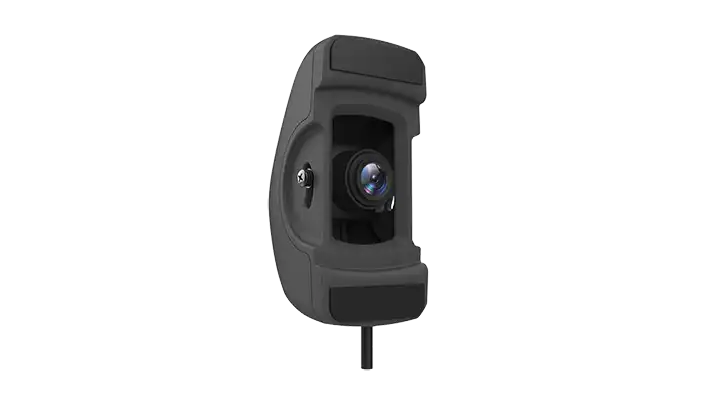
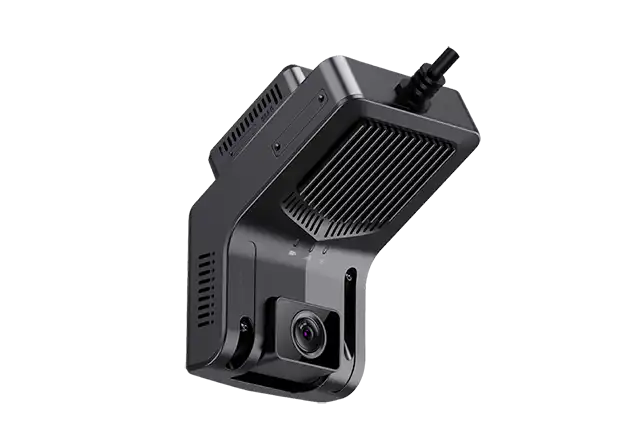
A dual dash cam for trucks is a two-camera recording system designed for commercial vehicles. One camera usually faces forward to record the road, traffic conditions, pedestrians, cyclists, lane changes, and possible collision events. The second camera typically faces the cabin, the driver, or another important viewing angle depending on the fleet’s operating needs.
Unlike a single-channel dash cam, a dual dash cam for trucks gives fleet managers a more complete view of what happens before, during, and after an incident. This matters because road events are rarely caused by only one factor. Road conditions, surrounding vehicles, driver reaction, blind spots, weather, fatigue, distraction, and unexpected behavior from other road users can all play a role.
For a fleet manager, a dual dash cam for trucks provides valuable context. It can show whether the driver was alert, whether another vehicle cut into the lane, whether the truck maintained distance, and whether the driver responded correctly. This level of detail makes a dual dash cam for trucks especially useful for commercial transportation, delivery fleets, buses, long-haul trucks, heavy goods vehicles, and special-purpose vehicles.
Fleet safety is not just about avoiding accidents. It is about protecting people, protecting assets, protecting brand reputation, and keeping vehicles on the road. A dual dash cam for trucks supports these goals by turning daily driving data into practical safety insight.
For fleet operators, one of the biggest challenges is limited visibility. Managers cannot sit inside every vehicle. They cannot personally observe every route, every harsh braking event, or every near miss. A dual dash cam for trucks helps close that visibility gap. It records key events and gives managers a factual basis for reviewing incidents.
A dual dash cam for trucks is also valuable when there are disputes. In many road incidents, liability is not immediately clear. A truck may be blamed simply because it is larger.
Without video evidence, the fleet may face unnecessary claims, repair costs, downtime, or reputation damage. With a dual dash cam for trucks, operators can review what actually happened and respond with stronger evidence.
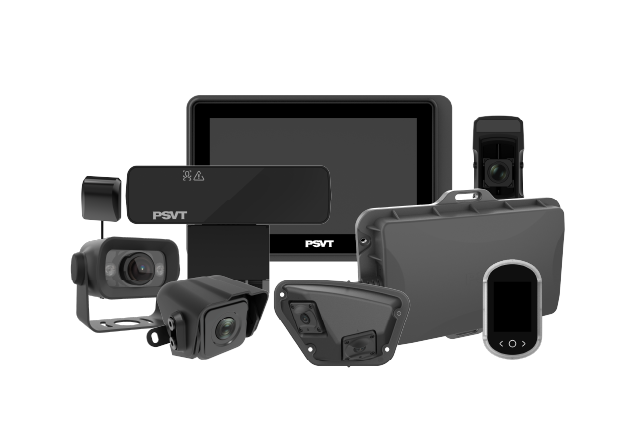
This is why many fleets now view a dual dash cam for trucks as part of their broader safety system, not as an optional accessory. It can work alongside blind spot detection, ADAS, driver monitoring, reverse cameras, 360° surround view, GPS tracking, and telematics platforms.
The most obvious benefit of a dual dash cam for trucks is video evidence. A front-facing camera records the road environment, while the second camera records the driver or cabin. This combination gives fleet managers a more balanced view of incidents.
If a passenger car suddenly changes lanes, the road-facing camera can capture it. If a driver was focused and reacted properly, the inward-facing camera may help prove it. If fatigue, phone use, or distraction played a role, the cabin-facing camera can help managers identify the issue and take corrective action.
For fleets, evidence matters. A dual dash cam for trucks can help reduce uncertainty, speed up internal investigations, support insurance communication, and protect responsible drivers from unfair blame.
A dual dash cam for trucks is not only useful after accidents. It is also useful before accidents happen. By reviewing risky driving behaviors, fleet managers can create targeted coaching programs.
Common behaviors that may be reviewed through a dual dash cam for trucks include harsh braking, rapid acceleration, close following, lane drifting, distracted driving, drowsiness, smoking, phone use, and seatbelt non-compliance. When these events are captured with video, coaching becomes more objective.
Instead of saying, “Drive more carefully,” managers can show the exact moment where risk increased. This makes feedback more practical and easier for drivers to understand. A dual dash cam for trucks can also be used to recognize good driving behavior. Positive feedback helps build trust and encourages safer habits.
A strong safety culture does not come from one policy document. It comes from repeated actions, clear expectations, and consistent follow-up. A dual dash cam for trucks helps fleets create that consistency.
When drivers know that safety events are recorded and reviewed fairly, they may become more aware of their behavior. This can reduce risky habits over time. However, fleet managers must introduce a dual dash cam for trucks carefully. Drivers should understand that the system is designed to protect them as well as the company.
The best results usually come when a dual dash cam for trucks is positioned as a safety partner, not a surveillance threat. Clear policies, transparent communication, and proper data handling are important. Drivers should know when video is recorded, how footage is used, and who can access it.
Commercial fleets face many types of risk. There are road risks, legal risks, insurance risks, maintenance risks, and customer-service risks. A dual dash cam for trucks helps reduce several of these risks by improving visibility and accountability.
For example, if a delivery truck is involved in a minor collision, video can help confirm whether the vehicle was moving, parked, reversing, or being approached by another road user. If cargo damage occurs during a route, video may help clarify the timeline. If a driver reports aggressive behavior from another vehicle, the dual dash cam for trucks can provide supporting evidence.
This kind of operational visibility is especially important for fleets with many vehicles, multiple depots, cross-border routes, or subcontracted drivers.
Insurance costs are a major concern for commercial fleets. While a dual dash cam for trucks cannot eliminate every claim, it can help fleet operators manage claims more effectively.
Video footage can help establish facts quickly. It may reduce long discussions about fault. It may also help defend against false or exaggerated claims. For companies operating heavy trucks, delivery vehicles, buses, or service fleets, this can be a significant advantage.
A dual dash cam for trucks can also support internal claim records. Fleet managers can connect footage with GPS data, time stamps, vehicle speed, and event triggers. This creates a more complete incident file and helps decision-makers respond faster.
Choosing the right dual dash cam for trucks requires more than checking resolution. Commercial fleets need reliable performance in demanding conditions. Trucks may operate for long hours, in harsh weather, on poor roads, and across different lighting environments. A consumer-grade device may not be enough.
A professional dual dash cam for trucks should provide clear video in both daytime and nighttime conditions. High-definition recording helps capture license plates, lane markings, traffic lights, road signs, pedestrians, cyclists, and surrounding vehicles.
For commercial use, 1080P is often considered a practical baseline. Higher resolution may provide more detail, but it also requires more storage and data bandwidth. The best dual dash cam for trucks balances image clarity, file size, and system stability.
The front camera of a dual dash cam for trucks should offer a wide field of view. Trucks have larger blind zones and longer stopping distances than passenger cars. A wider angle can help capture more of the road environment, including adjacent lanes and nearby vehicles.
However, the angle should not be so wide that image distortion becomes a problem. A good dual dash cam for trucks should provide a practical field of view with clear, usable footage.
Trucks often operate early in the morning, late at night, or in poorly lit industrial areas. That is why low-light performance is critical. A dual dash cam for trucks should deliver stable image quality when lighting conditions change.
Night vision, HDR, WDR, and advanced image processing can help the camera handle tunnels, headlights, streetlights, rain, and glare. For long-haul operations, a dual dash cam for trucks with strong night performance can be especially valuable.
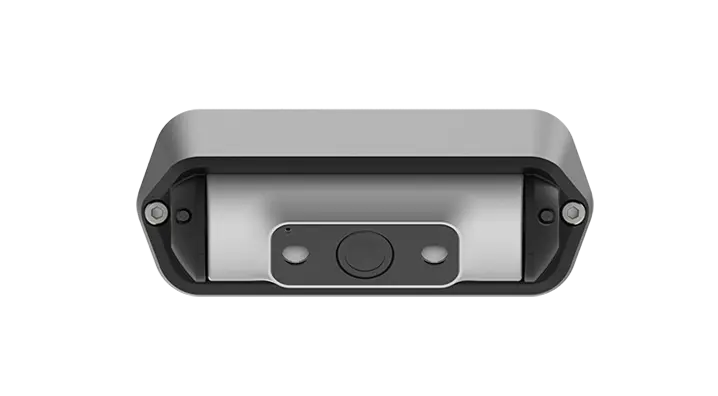
The inward-facing camera in a dual dash cam for trucks should capture the driver area clearly without causing distraction. Depending on fleet requirements, it may include infrared illumination for night cabin recording.
This is important when fleets want to monitor fatigue, distraction, phone use, smoking, seatbelt use, or general driver attentiveness. If the dual dash cam for trucks includes AI driver monitoring, the cabin camera must be positioned correctly to ensure reliable detection.
Many modern systems go beyond recording. An advanced dual dash cam for trucks may include AI-powered safety functions. These can include forward collision warning, lane departure warning, pedestrian detection, driver fatigue detection, distraction detection, and unsafe following distance alerts.
AI features make a dual dash cam for trucks more proactive. Instead of only recording accidents, the system can help warn drivers before risk becomes critical. For fleet managers, AI event data can also identify patterns across drivers, routes, and vehicle types.
A dual dash cam for trucks with GPS can record vehicle location, speed, route history, and event position. This helps connect video evidence with operational context.
For example, if harsh braking occurs, GPS data can show where it happened. If repeated events happen at the same intersection or route section, fleet managers may identify a road-risk hotspot. This makes the dual dash cam for trucks useful not only for driver management but also for route safety analysis.
For larger fleets, remote access is important. A connected dual dash cam for trucks can upload event clips to a cloud platform, support live view, and allow managers to review footage without physically removing storage cards.
Cloud connectivity can save time. It also supports faster response after incidents. A dual dash cam for trucks with 4G or Wi-Fi can help fleet teams manage vehicles across different regions, depots, and operating shifts.
Storage is a practical issue for every dual dash cam for trucks. Dual-channel video creates more data than single-channel recording. Fleets should consider SD card capacity, loop recording, event locking, emergency recording, and cloud backup.
A good dual dash cam for trucks should protect important clips from being overwritten. Event-triggered recording can help save footage during collisions, harsh braking, sudden acceleration, or driver alerts.
Commercial trucks operate in tough environments. A dual dash cam for trucks should be designed for vibration, heat, cold, voltage fluctuations, and long operating hours. Automotive-grade reliability is important because system failure during a critical event can mean lost evidence.
Fleet buyers should look for stable power design, secure mounting, reliable connectors, and proven vehicle compatibility. A dual dash cam for trucks should be easy to install but strong enough for daily commercial operation.
Some fleet operators may wonder whether they can use a standard car dash cam instead of a dedicated dual dash cam for trucks. In most commercial scenarios, a truck-focused system is the better choice.
A car dash cam is usually designed for personal driving. It may not support long operating hours, fleet platforms, driver monitoring, AI alerts, GPS tracking, cloud upload, or rugged installation. A dual dash cam for trucks is designed with commercial use in mind.
Trucks also have different safety challenges. They are larger, heavier, harder to stop, and often operate in more complex environments. A dual dash cam for trucks must provide stable performance for long-distance routes, urban delivery, construction sites, logistics yards, ports, and highways.
For a private car owner, basic recording may be enough. For a fleet operator, a dual dash cam for trucks should support evidence management, driver coaching, safety analytics, and operational decision-making.
Fleet managers need clear data to make good decisions. A dual dash cam for trucks provides video-based insight that can support daily management.
When a safety event occurs, the manager can review video instead of relying only on driver reports or third-party statements. When a driver needs coaching, the manager can use real examples. When a customer complaint arises, the manager can verify the situation. When insurance questions appear, the manager can provide stronger documentation.
A dual dash cam for trucks also helps identify recurring problems. Are certain drivers frequently braking harshly? Are specific routes causing more near misses? Are night shifts showing more fatigue events? Are delivery areas creating frequent pedestrian risks? With the right platform, a dual dash cam for trucks can help answer these questions.
This transforms dash cam footage from passive recording into active fleet intelligence.
Drivers are often concerned about cabin-facing cameras. This concern is understandable. A dual dash cam for trucks should be introduced with clear communication and fair policies.
When used responsibly, a dual dash cam for trucks can protect drivers. It can show when another vehicle caused a dangerous situation. It can prove that the driver was attentive. It can support drivers when they are falsely accused. It can also help emergency teams understand what happened during a serious incident.
The key is trust. Fleet operators should explain how the dual dash cam for trucks works, when footage is reviewed, and how privacy is protected. Drivers should see the system as a tool for safety and fairness.
A dual dash cam for trucks is useful across many fleet types. Long-haul trucking companies can use it to monitor fatigue risks and road incidents. Urban delivery fleets can use it to manage frequent stops, cyclist interactions, and narrow streets. Construction fleets can use it to record site movement and complex reversing situations. Bus and coach operators can use it to improve passenger and road-user safety.
A dual dash cam for trucks is also valuable for refrigerated transport, hazardous goods, waste collection, municipal vehicles, school transport, port vehicles, and last-mile logistics. Any fleet that needs better visibility, stronger evidence, and safer driving can benefit from this technology.
Proper installation is essential. Even the best dual dash cam for trucks will underperform if it is poorly positioned. The forward-facing camera should have a clear view of the road and should not block the driver’s vision. The inward-facing camera should capture the driver area accurately without creating glare or blind spots.
Power connection should be stable. Cables should be routed safely. Storage cards should be suitable for high-write video recording. If the dual dash cam for trucks includes AI functions, calibration may be required.
Fleet operators should also create an installation standard. This helps ensure that every vehicle records consistent footage. For large fleets, installation consistency makes training, maintenance, and troubleshooting much easier.
One common mistake is choosing based only on price. A low-cost device may look attractive at first, but poor video quality, weak mounts, unstable storage, or limited support can create problems later. A dual dash cam for trucks should be evaluated based on total value, not only purchase cost.
Another mistake is ignoring software. Hardware records the video, but software helps managers use it. A dual dash cam for trucks with a practical management platform can save time and improve decision-making.
A third mistake is failing to involve drivers. If drivers feel the system is forced on them without explanation, resistance may increase. A successful dual dash cam for trucks rollout should include communication, training, and clear privacy rules.
Before selecting a dual dash cam for trucks, fleet buyers should ask several practical questions:
These questions help buyers choose a dual dash cam for trucks that matches real fleet needs rather than only basic recording requirements.
The future of the dual dash cam for trucks is moving toward smarter, more connected safety systems. Recording will remain important, but AI analysis, cloud management, driver scoring, predictive risk alerts, and integration with other vehicle systems will become more valuable.
A next-generation dual dash cam for trucks may work together with blind spot detection, ADAS, DMS, 360° camera systems, telematics, and fleet control platforms. Instead of managing separate devices, fleets will increasingly prefer integrated safety ecosystems.
For fleet operators, this means the dual dash cam for trucks should be selected with future scalability in mind. A system that only records video may solve today’s problem. A connected and intelligent dual dash cam for trucks can support tomorrow’s safety strategy.
A dual dash cam for trucks gives fleet operators more than video. It provides visibility, evidence, driver insight, coaching support, and stronger risk management. For CEOs and fleet managers, it can help protect drivers, reduce disputes, improve safety culture, and support more professional fleet operations.
As commercial transportation becomes more data-driven, a dual dash cam for trucks is becoming an essential part of modern fleet safety. The right system can help fleets respond faster, coach better, and operate with greater confidence.
For any company managing trucks, buses, vans, or heavy commercial vehicles, investing in a dual dash cam for trucks is not only about recording the road. It is about building a safer, smarter, and more accountable fleet.