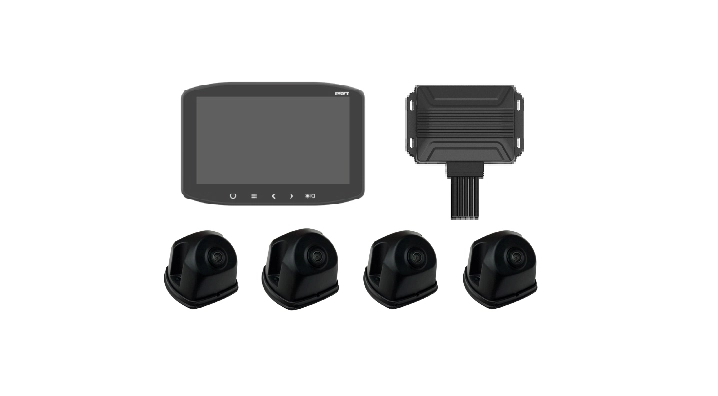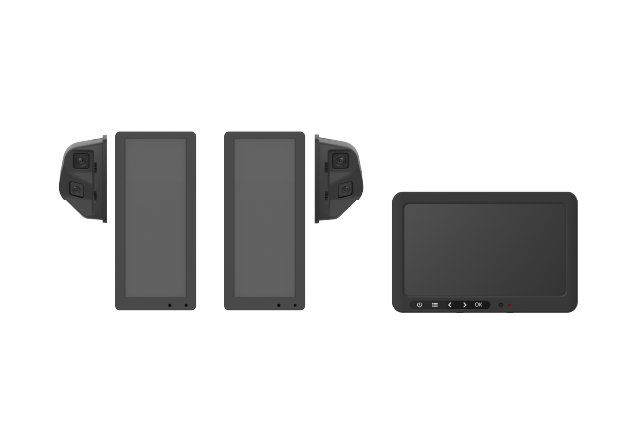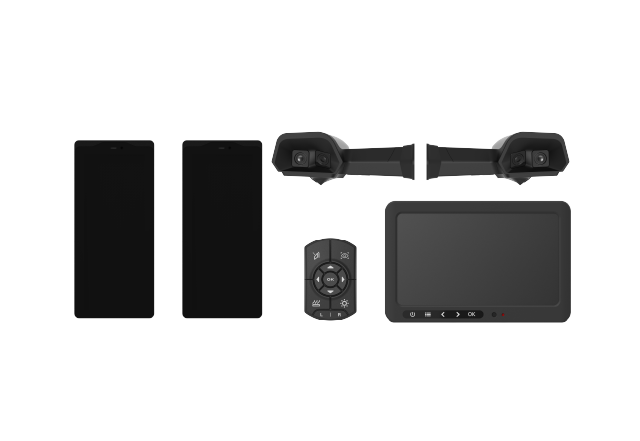
UN Regulation R151/R159/R158
View More







The safety of heavy-duty fleets is a top priority for operators, regulatory bodies, and insurance companies alike. However, numerous challenges persist, with blind spots and driver awareness being key factors contributing to high rates of accidents. As the commercial vehicle sector continues to evolve, so too do the complexities surrounding fleet safety. Below, we explore some of the most pressing safety issues currently facing heavy-duty fleets, with a focus on their practical impact and underlying causes.
Blind spots are a well-documented issue that contribute significantly to accidents involving large vehicles. Commercial trucks, buses, and articulated vehicles have large areas around them that are not visible to the driver, particularly from the cab. These blind spots are typically located on the sides and rear of the vehicle and are exacerbated during lane changes, turning maneuvers, or while reversing.
For instance, a truck's driver may be unaware of pedestrians, cyclists, or smaller vehicles occupying these zones, resulting in collisions during maneuvers such as merging, lane changes, or overtaking. The consequences can be catastrophic, especially when the involved parties are vulnerable road users (VRUs), such as pedestrians, cyclists, and motorcyclists. In urban environments with high pedestrian and cyclist activity, the risks posed by blind spots become even more pronounced, leading to an increased likelihood of accidents.
The number of vulnerable road users on the streets has risen dramatically in recent years, exacerbating safety concerns for heavy-duty fleet operators. Vulnerable road users—pedestrians, cyclists, and motorcyclists—are often more difficult for drivers to detect, particularly in blind spots or when road conditions are challenging (e.g., heavy traffic, inclement weather). These road users are at a much higher risk of injury or death in the event of a collision with large vehicles, making it essential for fleet operators to adopt technologies that help detect and predict their movements.
Furthermore, the lack of dedicated infrastructure for vulnerable road users, such as bike lanes or pedestrian-only zones, increases the likelihood of accidents occurring. In many cases, drivers may fail to notice VRUs in their immediate vicinity, especially when distracted or fatigued. VRUs can make sudden, unpredictable movements, further complicating the driver's ability to avoid potential collisions.
Articulated vehicles, such as trucks with trailers or buses with multiple sections, present unique safety challenges due to their size, complexity, and dynamic nature. When turning, these vehicles create large blind spots that change based on the articulation angle, making it difficult for drivers to maintain continuous awareness of their surroundings.
As articulated vehicles maneuver through intersections or parking lots, their turning radius often results in a large gap in visibility behind the vehicle, increasing the chances of hitting a pedestrian, cyclist, or another vehicle. Moreover, when driving in tight or urban environments, the vehicle's long length and the flexibility of the trailer create a complex safety issue, as the rear of the vehicle swings wide while the front turns sharply.
The challenges of monitoring these dynamic blind spots are compounded when drivers are attempting to back into spaces, perform tight maneuvers, or navigate narrow roads, which are common in urban deliveries or construction site operations. In these scenarios, the risk of collision increases, both for the vehicle itself and for surrounding road users.
Driver fatigue remains one of the most significant contributors to accidents in commercial fleets. Long driving hours, irregular shifts, and the pressures of meeting delivery schedules contribute to decreased alertness, slower reaction times, and poor decision-making. Fatigue can impair a driver's ability to properly monitor blind spots or react quickly to emerging hazards, increasing the likelihood of accidents.
Distractions, such as mobile phone use, in-vehicle entertainment systems, or even the presence of passengers, further contribute to the lack of attention paid to critical areas around the vehicle. While fleets typically enforce rules about mobile phone usage, distractions in the form of onboard systems or unexpected events can divert a driver's attention from the road, increasing the risk of accidents.
Moreover, many drivers may face mental fatigue from constant decision-making, navigating heavy traffic, or dealing with difficult driving conditions, such as weather hazards or poor visibility. The combination of these factors can result in mistakes that would otherwise be avoidable.
Environmental conditions significantly affect the safety of commercial vehicles, especially in adverse weather. Rain, snow, fog, ice, and even direct sunlight can obscure a driver's vision, leading to reduced ability to detect obstacles or other road users in blind spots. These weather-related hazards often combine with other risk factors, such as reduced road traction or the vehicle’s braking distance being increased in wet or icy conditions.
For example, during heavy rainfall or fog, the ability to detect pedestrians, cyclists, or other vehicles becomes significantly impaired. In these conditions, drivers may be unable to identify hazards until they are dangerously close, reducing reaction time. This is especially critical when large vehicles are involved, as their larger size and slower stopping distance make it more challenging to avoid collisions.
Furthermore, as urban environments become more densely populated, issues like traffic congestion, roadwork, or temporary detours can further complicate navigation. Poorly marked lanes or construction zones can obscure blind spots, increasing the likelihood of an accident due to misjudgment or inadequate visibility.
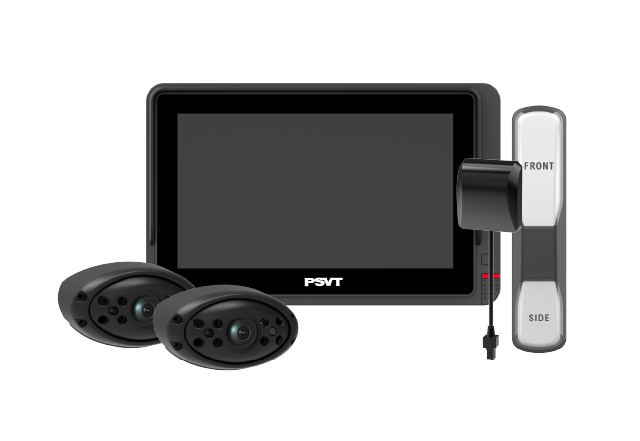
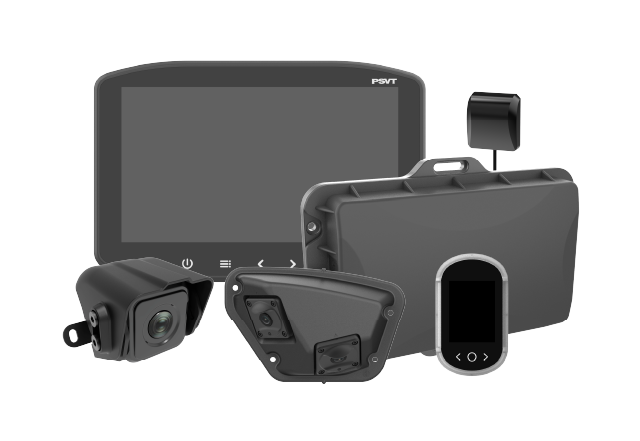
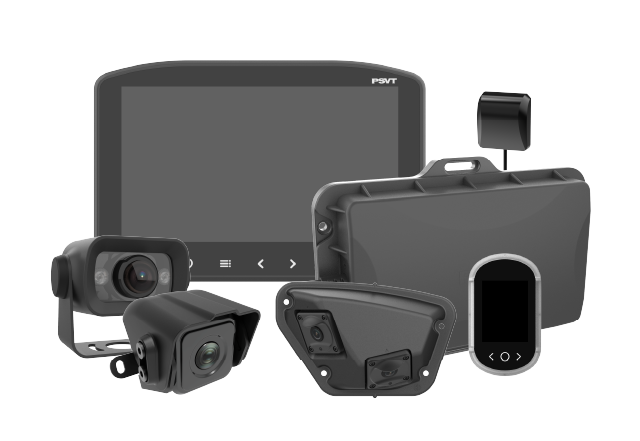
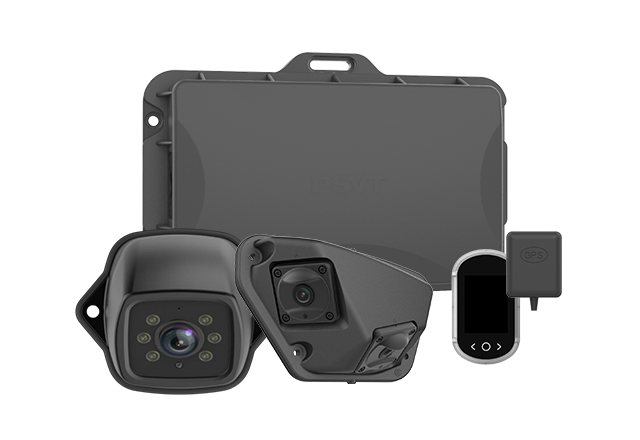
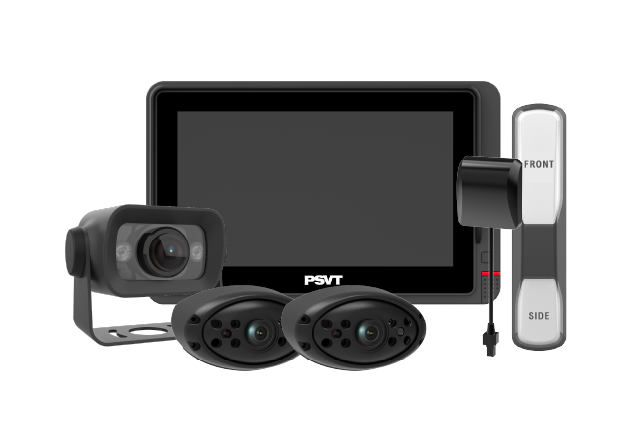
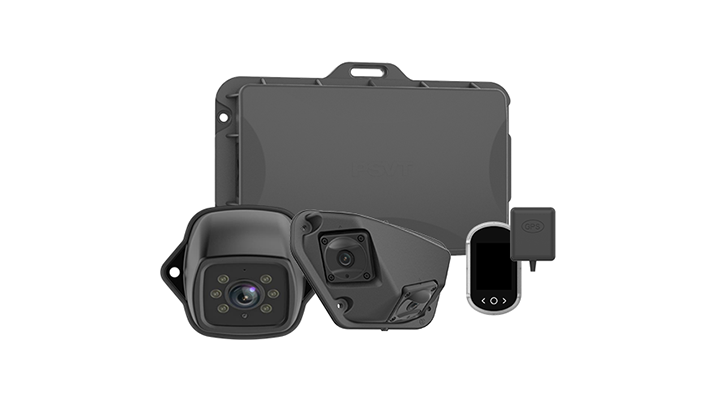
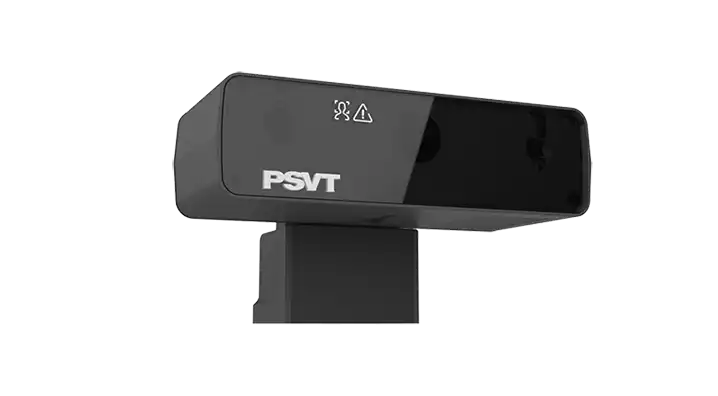
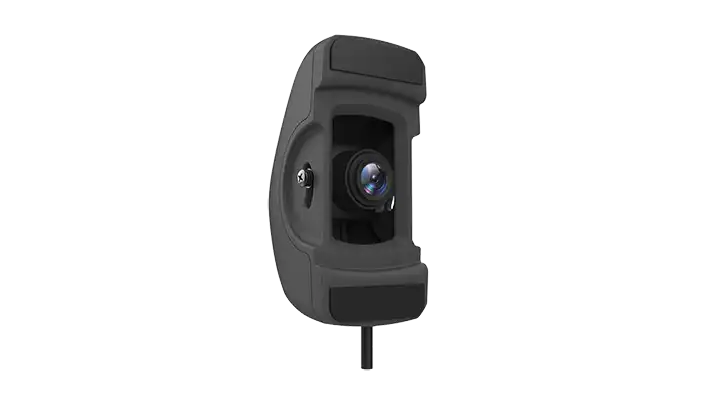
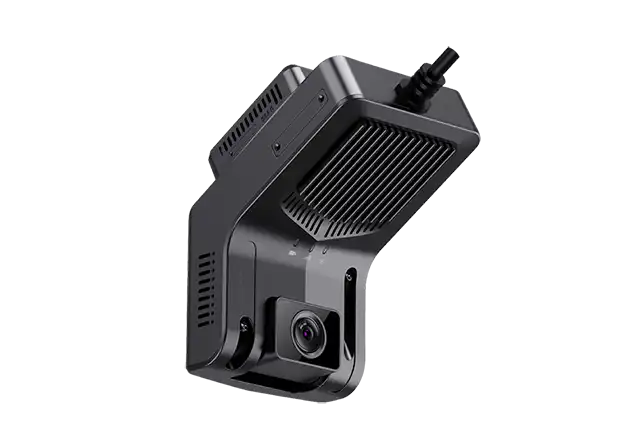
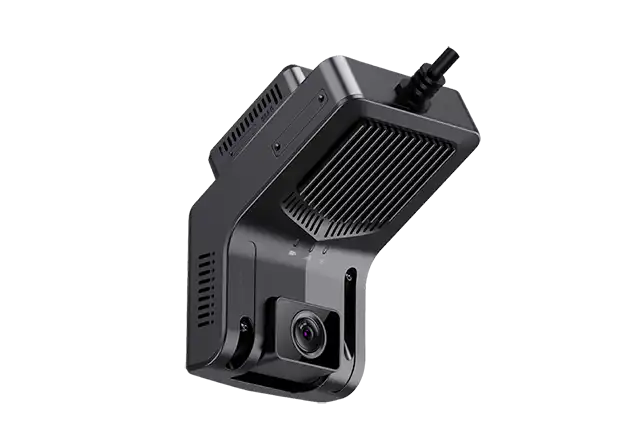
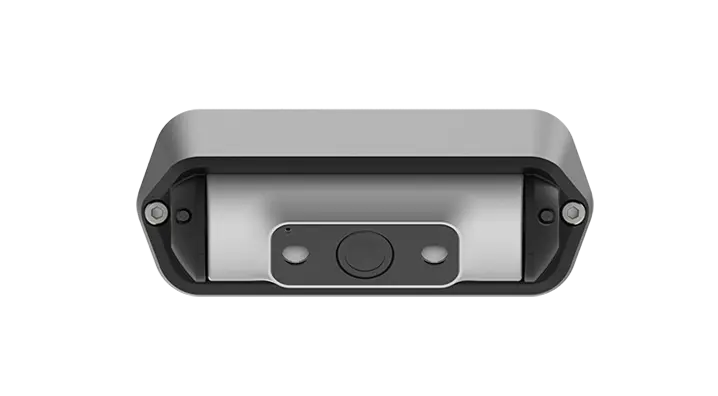
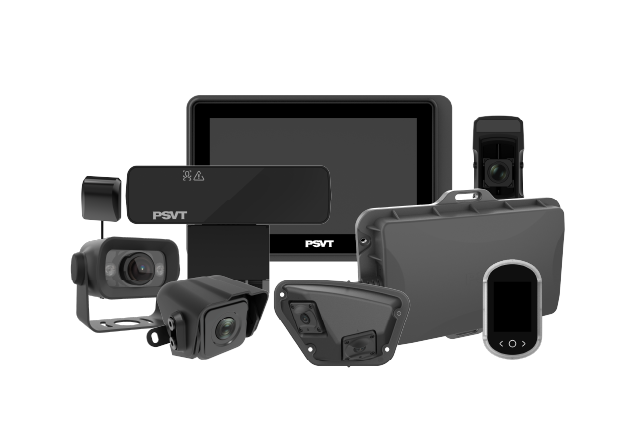
In response to these challenges, AUTOEQUIPS has developed the AI Blind Spot Detection (BSD) System, an advanced solution designed to enhance fleet safety by providing drivers with real-time, intelligent awareness of their surroundings. With a suite of cutting-edge technologies, this system addresses many of the safety issues listed above, helping fleet operators minimize risk and enhance operational safety.
The AI VRU trajectory prediction feature is a game-changer for fleet safety. Leveraging advanced AI algorithms, the system not only detects the presence of vulnerable road users (VRUs) but also analyzes their direction and speed in real-time. By predicting their movement and potential collision paths, the system provides drivers with crucial extra seconds to react, significantly reducing the likelihood of accidents with pedestrians and cyclists. This predictive capability is especially vital in urban settings, where pedestrians and cyclists often make unpredictable movements.
Articulated vehicles, such as trucks and trailers, create unique blind spot challenges due to their turning radius and flexible nature. The Auto-Panning feature dynamically adjusts the camera's field of view based on the vehicle’s articulation angle. This ensures that critical zones, such as the rear and side areas, are continuously monitored in real-time, reducing the risk of collisions with other vehicles or VRUs. This technology is vital for urban fleet operations, where frequent turns and lane changes increase the complexity of monitoring blind spots.
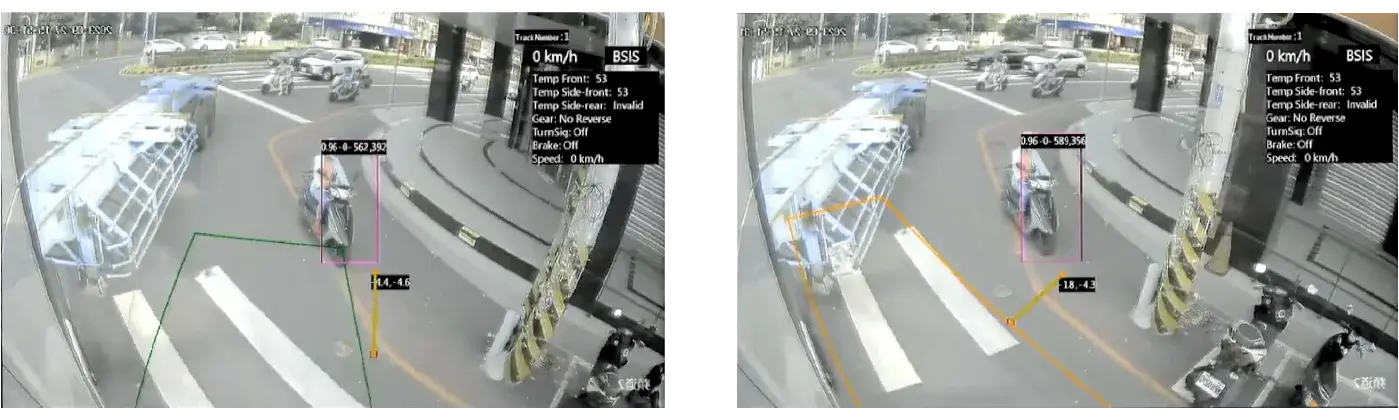
Fleet managers are required to meet various regulatory standards, which differ by region. The AUTOEQUIPS AI BSD System is fully compliant with major safety regulations, including UN ECE R151, R158, R159, PSS, and ABE standards. This compliance ensures that fleet operators are meeting legal requirements for blind spot and moving-off information systems, helping to avoid penalties and ensuring that vehicles are up to standard regardless of their operating region. Additionally, the system supports seamless switching between compliance modes, making it easier to operate fleets across different countries or regions.
One of the standout features of the AUTOEQUIPS BSD System is its AI-Powered Fusion Technology. This cutting-edge technology integrates high-definition imaging with radar detection, offering unparalleled accuracy in object identification, even in challenging conditions such as rain, fog, or low-light environments. By combining these two technologies, the system ensures robust performance and reliable detection of obstacles and potential hazards, significantly enhancing safety, particularly in adverse weather conditions.
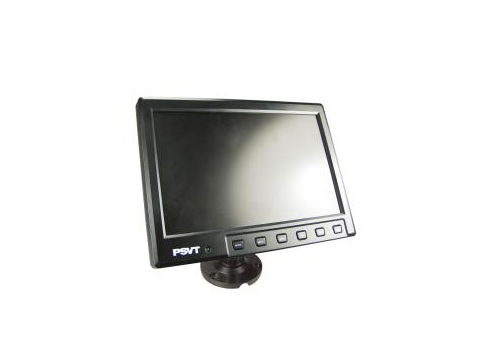
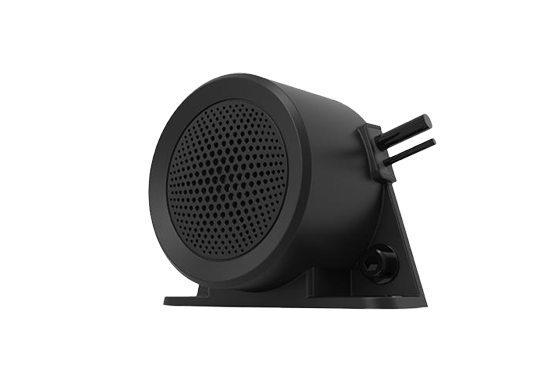
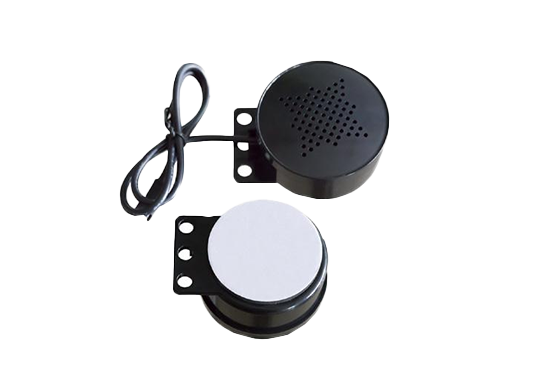
The AUTOEQUIPS BSD System includes both audible and visual alerts that notify the driver of potential hazards in their blind spots. The system provides intuitive feedback through visual warnings, such as the character pattern changing from yellow to red and flashing quickly. This alerts the driver to a potential danger, prompting a faster response time to avoid accidents. The integration of both visual and auditory signals helps ensure that warnings are noticed quickly, even in busy or noisy environments.
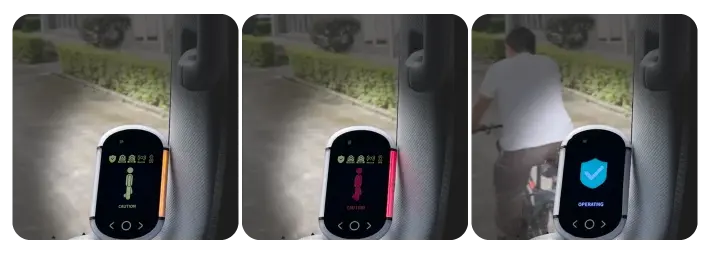
The system is designed with the user in mind, offering a simple and intuitive interface that makes it easy for fleet managers and drivers to interact with the system. The seamless integration with existing vehicle systems means that drivers can focus on the road while the AI handles the complex task of monitoring blind spots. This ease of use also minimizes training time, making it easy to implement across a fleet.
Fleet safety challenges today go far beyond simple operational concerns. Blind spots, vulnerable road user safety, articulated vehicle maneuvering, driver fatigue, environmental hazards, and regulatory compliance are all interconnected issues that require multifaceted solutions. The AUTOEQUIPS AI BSD System is the best option for fleet operators looking to mitigate these risks and improve overall safety. Whether on increasingly congested roads or in a more stringent regulatory environment, the AI BSD System provides maximum support to fleets.