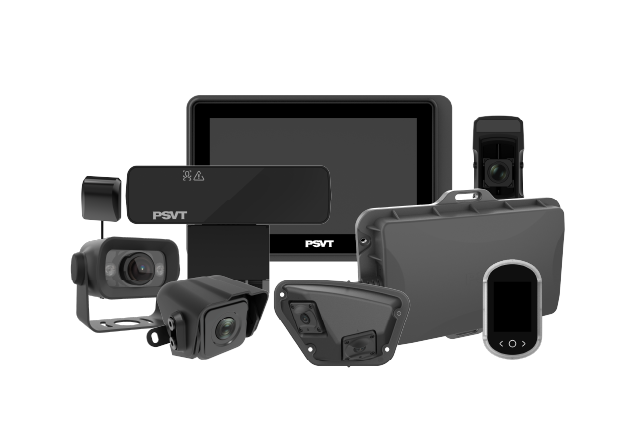
UN Regulation R151/R159/R158
View More

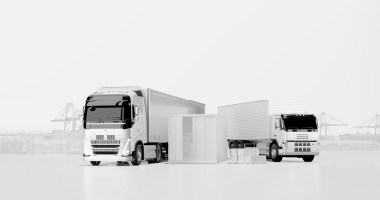
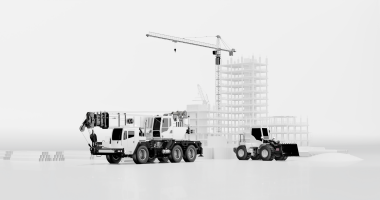

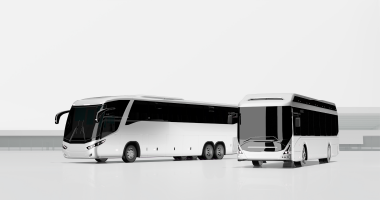






As fleet operations become increasingly complex, Mobile DVR technology has evolved from simple video recording to intelligent safety and data platforms. Today, many fleet operators are asking an important question: what is the real difference between an AI Mobile DVR and a traditional Mobile DVR system?
While traditional DVR solutions focus mainly on video storage, an AI Mobile DVR system integrates artificial intelligence, real-time analytics, and connectivity to actively improve safety, compliance, and operational efficiency. Understanding these differences is critical for fleets that want to reduce accidents, control costs, and future-proof their operations.
In this article, we will explore the fundamental differences between AI Mobile DVR and traditional DVR, covering architecture, functionality, safety impact, compliance, scalability, and return on investment — all from the perspective of a modern Mobile DVR system.
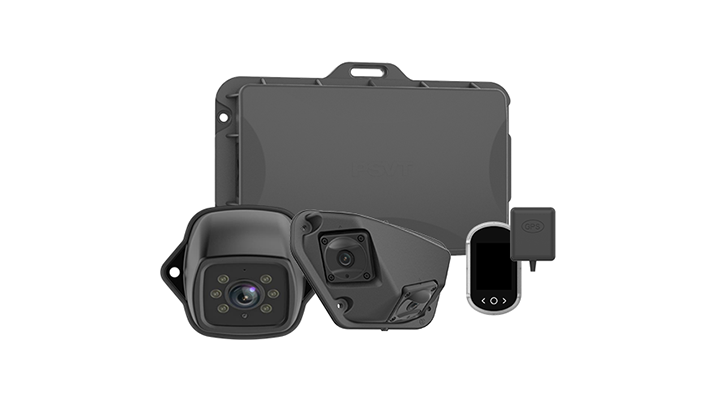
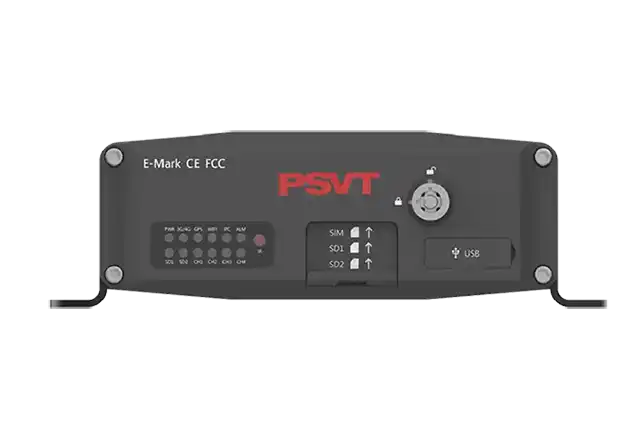
A traditional Mobile DVR system is primarily designed for video recording and playback in vehicles. Its core function is to capture footage from multiple cameras installed around the vehicle and store it locally on a hard drive or SD card.
A traditional Mobile DVR system typically includes:
These systems are widely used in buses, trucks, taxis, and construction vehicles for incident review and liability protection.
However, traditional Mobile DVR solutions operate in a passive mode. They record events but do not understand or analyze what happens in the video. Any safety improvement depends on reviewing footage after an incident has already occurred.
An AI Mobile DVR system goes far beyond recording. It combines video capture with artificial intelligence algorithms capable of real-time detection, recognition, and decision-making.
Unlike a traditional Mobile DVR, an AI Mobile DVR system actively monitors driving behavior, road conditions, and surrounding objects while the vehicle is in motion.
A modern Mobile DVR system with AI typically offers:
This shift transforms the Mobile DVR from a passive recorder into an active safety and management tool.
The architectural difference between an AI Mobile DVR and a traditional Mobile DVR system is fundamental.
A traditional Mobile DVR architecture is linear:
There is no intelligence layer. The system only stores data.
An AI Mobile DVR system adds a powerful processing layer:
This layered design enables the Mobile DVR system to respond in real time, not just record.
A traditional Mobile DVR records everything but understands nothing. Fleet managers must manually search footage to find relevant events.
An AI Mobile DVR system understands the video:
This dramatically reduces the workload associated with managing a Mobile DVR system.
Driver behavior is one of the most important factors in fleet safety.
A traditional Mobile DVR system:
An AI Mobile DVR system can:
By actively influencing driver behavior, the Mobile DVR system becomes a preventive safety tool rather than a reactive one.
Traditional Mobile DVR systems require manual review to extract evidence after an incident.
An AI Mobile DVR system:
This makes the Mobile DVR system far more efficient for insurance claims, legal disputes, and internal audits.
A traditional Mobile DVR typically operates as a standalone device.
An AI Mobile DVR system integrates seamlessly with:
This integration allows the Mobile DVR system to function as a central data hub rather than an isolated recorder.
With a traditional Mobile DVR, data usage is limited to:
There is no data-driven optimization.
An AI Mobile DVR system transforms video into actionable insights:
This elevates the Mobile DVR system from a cost center to a value-creating asset.
Many regions now require advanced safety systems.
A traditional Mobile DVR helps with basic video documentation but offers limited compliance support.
An AI Mobile DVR system supports:
This makes the Mobile DVR system future-ready as regulations continue to evolve.
Traditional Mobile DVR systems often require hardware replacement for upgrades.
An AI Mobile DVR system is typically designed for:
This scalability ensures that the Mobile DVR system can grow alongside fleet needs without constant hardware changes.
At first glance, a traditional Mobile DVR appears cheaper.
However, when evaluating total cost of ownership, an AI Mobile DVR system often delivers:
Over time, the Mobile DVR system with AI delivers a significantly better return on investment.
If your goal is basic video recording, a traditional Mobile DVR may still meet minimum requirements.
However, if your fleet prioritizes:
Then an AI Mobile DVR system is the clear choice.
The difference between AI Mobile DVR and traditional DVR is not incremental — it is transformational. A modern Mobile DVR system powered by AI changes how fleets manage safety, data, and efficiency.
As fleet operations continue to evolve, investing in an intelligent Mobile DVR system is no longer optional. It is a strategic decision that defines how prepared your fleet is for the future.