UN Regulation R151/R159/R158
View More







Mention the words “dashcam” or “in-cab camera” in a truck stop break room, and the reaction is often instant—and skeptical. For years, in-cab technology has carried a reputation shaped by the so-called “Big Brother effect”: systems perceived as tools to monitor, penalize, and discipline drivers rather than support them.
But as the commercial vehicle industry moves into 2026, this perception is rapidly changing.
Leading fleets are now embracing a new reality: modern AI dashcams are not about control—they are about protection, prevention, and professionalism.
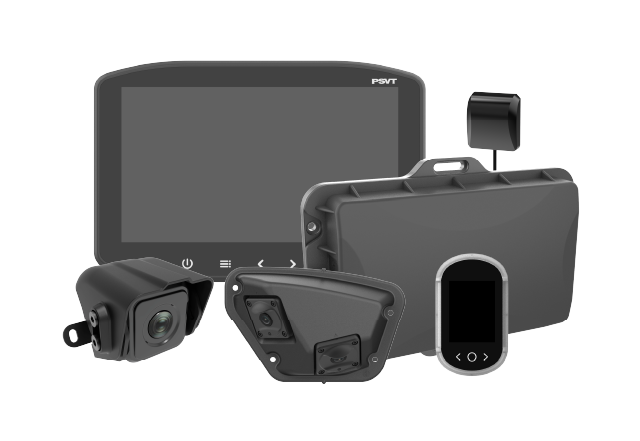
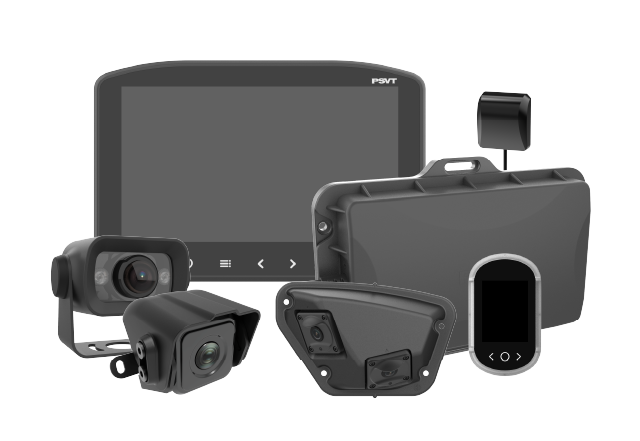
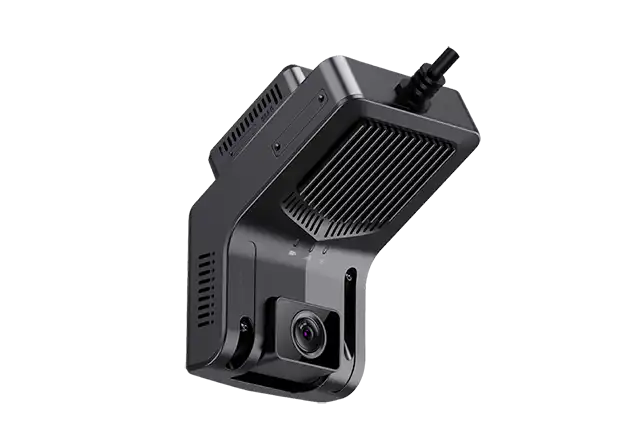
At AUTOEQUIPS, we design technology with a clear principle in mind: technology should empower drivers, not undermine them. Today’s AI-enabled dashcams are evolving into a driver’s most valuable co-pilot, enhancing safety, confidence, and career longevity.
Historically, telematics systems worked after the fact. Safety managers reviewed monthly reports, flagged harsh braking or lane deviations, and called drivers in for discussions weeks after an incident occurred.
By then, drivers often couldn’t recall the situation—and the interaction felt punitive rather than constructive. This approach damaged trust, lowered morale, and contributed to high driver turnover.
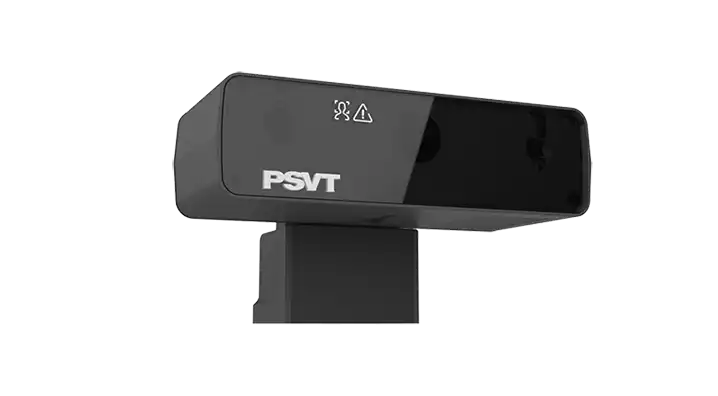
Modern AI dashcam systems with Driver Status Monitoring (DSM) operate differently. Instead of acting solely as a reporting tool for management, they provide immediate, in-cab feedback to the driver—when it matters most.
For example, during a long overnight haul, subtle indicators such as prolonged blinking or yawning may signal fatigue. Rather than logging the event for later review, the system delivers a real-time voice alert, prompting the driver to refocus or take a break.
This enables self-correction in the moment, often preventing incidents before they escalate—without disciplinary action or negative records. The result is safer driving, preserved incentives, and greater respect for the driver’s professionalism.
For professional truck drivers, blind spots are a constant source of cognitive strain—especially in urban environments, tight intersections, and congested traffic. Maintaining awareness of vulnerable road users while managing a large vehicle is mentally demanding.
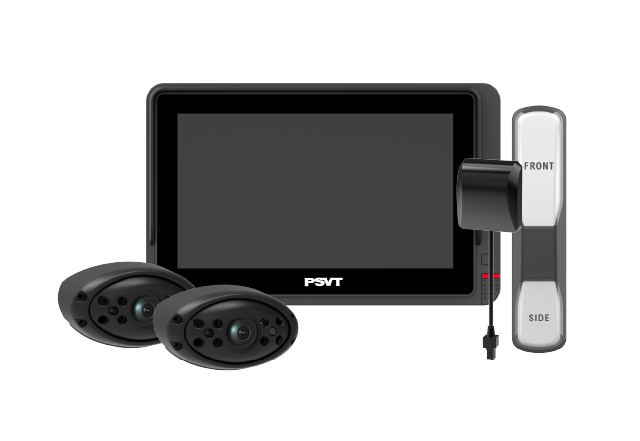
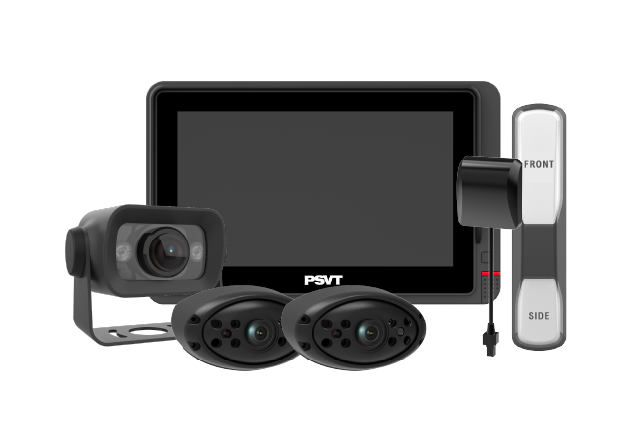
Advanced AI dashcam systems now integrate commercial vehicle Blind Spot Detection (BSD) directly into the camera platform. Using real-time computer vision, these systems continuously scan high-risk zones for pedestrians, cyclists, and nearby vehicles.
When a vulnerable road user enters a blind spot, the system immediately alerts the driver—helping prevent dangerous maneuvers before they occur.
This pedestrian detection for trucks significantly reduces mental workload, allowing drivers to operate with greater confidence, lower fatigue, and improved situational awareness.
In today’s environment of aggressive passenger driving and rising litigation risks, professional drivers are often blamed—even when they are not at fault. Without objective evidence, careers can be derailed by a single incident.
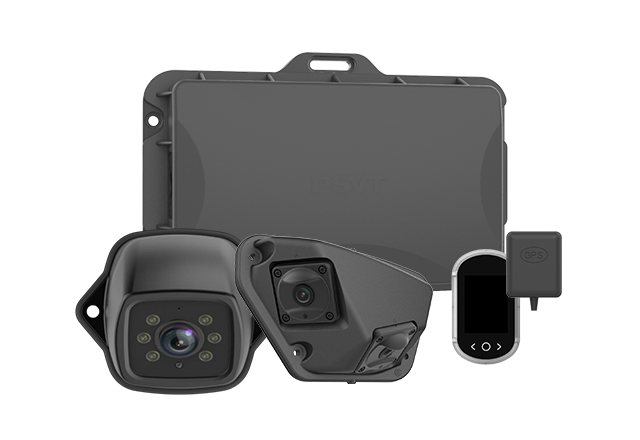
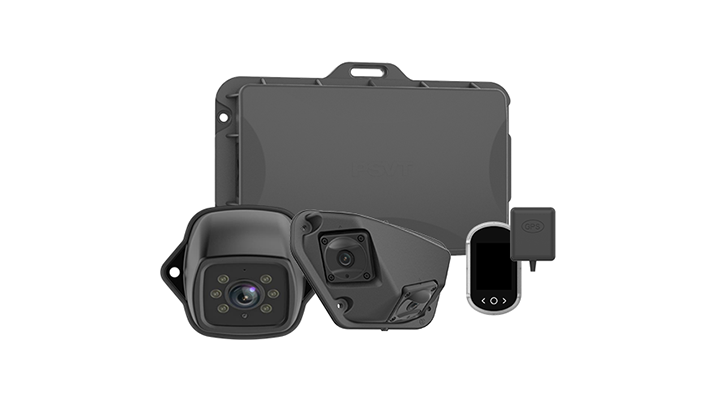
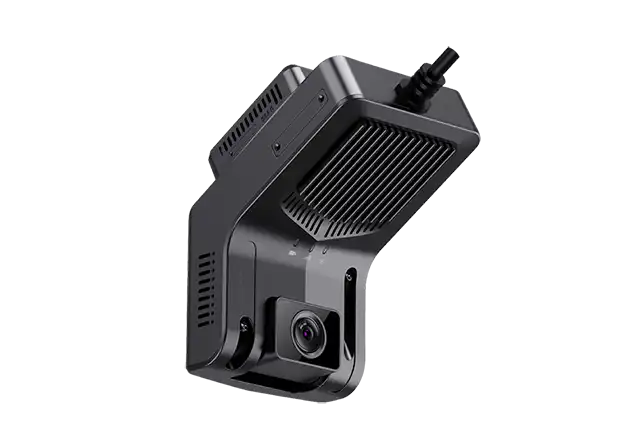
An AI dashcam for trucks serves as a neutral, factual record of events. It verifies speed, lane position, driver attentiveness, and surrounding traffic behavior.
In situations where a passenger vehicle cuts in abruptly or brakes unexpectedly, recorded evidence can be the difference between career protection and career loss. For drivers, this technology acts as a safeguard for their license, reputation, and livelihood.
For fleet operators and safety directors, accident reduction is only part of the equation. Driver retention is equally critical—and data misuse is one of the fastest ways to lose experienced professionals.
Progressive fleets are using AI dashcam insights to build positive safety programs, not fear-based enforcement models:
When drivers see data being used to defend and reward them, safety culture shifts from anxiety to pride.
The truck cab of 2026 is no longer just a vehicle—it is a high-tech workspace. Drivers who embrace intelligent safety tools are positioning themselves for longer, safer, and more sustainable careers.
Modern AI dashcams are not watching drivers—they are watching out for them.
At AUTOEQUIPS, we remain committed to developing driver-first safety solutions that respect professionalism, enhance confidence, and protect livelihoods.
Drivers and fleet managers: ready to see how an AI co-pilot can transform your safety culture?
Discover how intelligent dashcam technology can work for your drivers—not against them.