UN Regulation R151/R159/R158
View More







Fleet safety has become a top priority for logistics companies, transportation providers, and commercial vehicle operators worldwide. With growing road traffic, increasing operational costs, and stricter compliance regulations, companies are searching for smarter ways to protect drivers, cargo, and assets. One of the most advanced technologies helping businesses achieve this goal is the AI mdvr system for fleet.
An AI mdvr system for fleet combines artificial intelligence, mobile digital video recording, and real-time data analysis to monitor vehicle activity, detect risky driving behavior, and provide actionable safety insights. Unlike traditional vehicle cameras, an AI mdvr system for fleet delivers proactive safety management by identifying potential risks before accidents occur.
For modern fleet operators, investing in an AI mdvr system for fleet is no longer just about surveillance—it’s about creating a comprehensive safety ecosystem that protects drivers, reduces accidents, and improves operational efficiency.
Commercial vehicles spend thousands of hours on the road every year. This high exposure dramatically increases the likelihood of accidents, unsafe driving behavior, and unexpected incidents.
Some common challenges fleet operators face include:
A traditional camera system can record events, but it cannot prevent them. This is where an AI mdvr system for fleet becomes a game-changing solution. By combining intelligent analytics with video monitoring, the system helps companies shift from reactive incident review to proactive safety management.
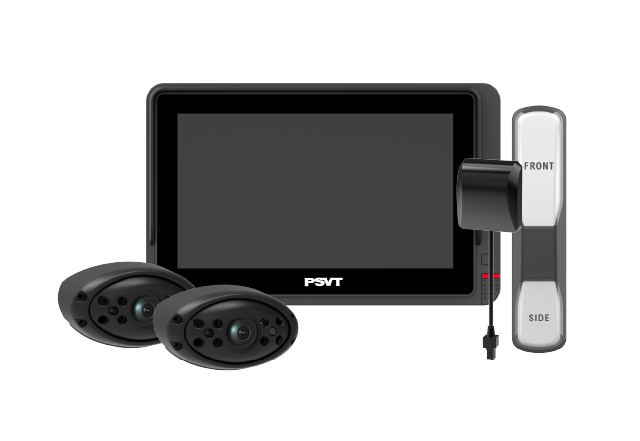
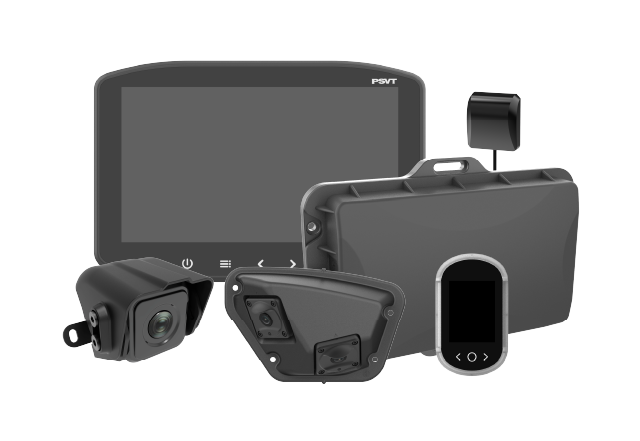
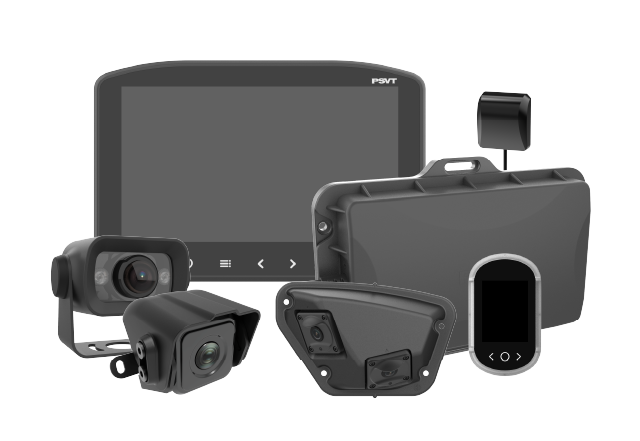
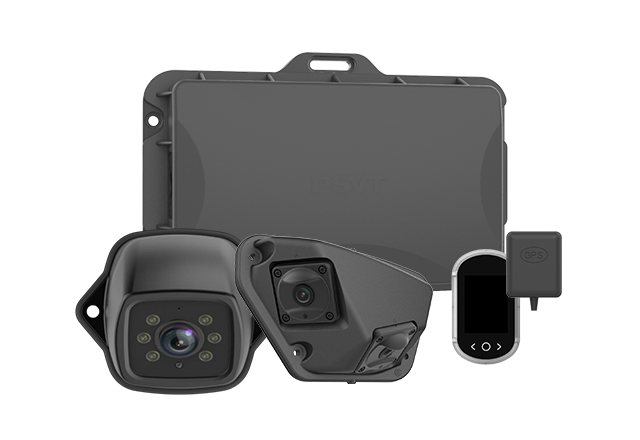
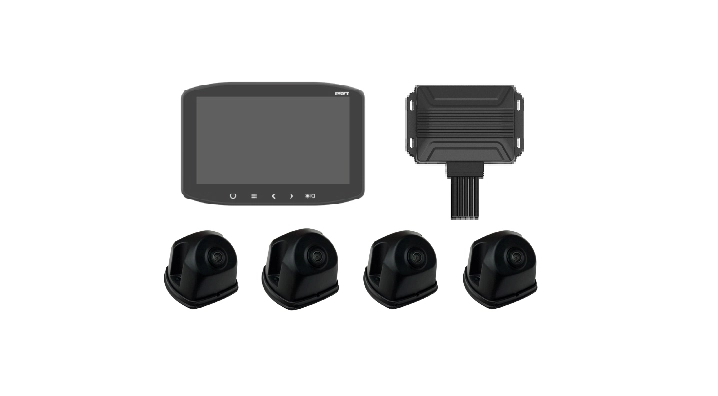
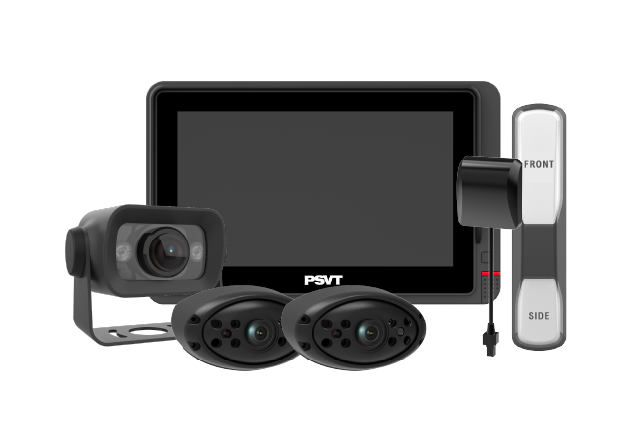
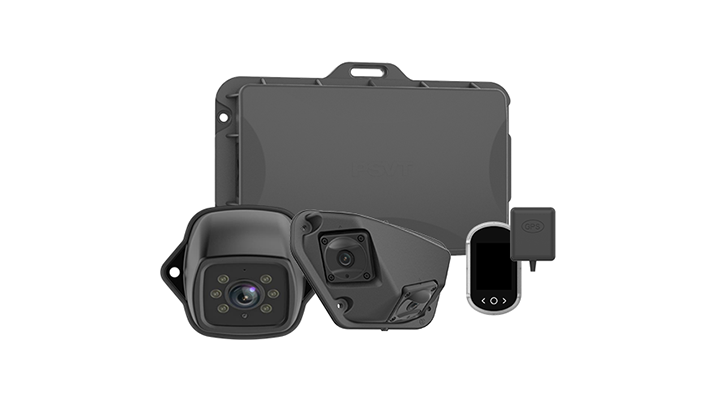
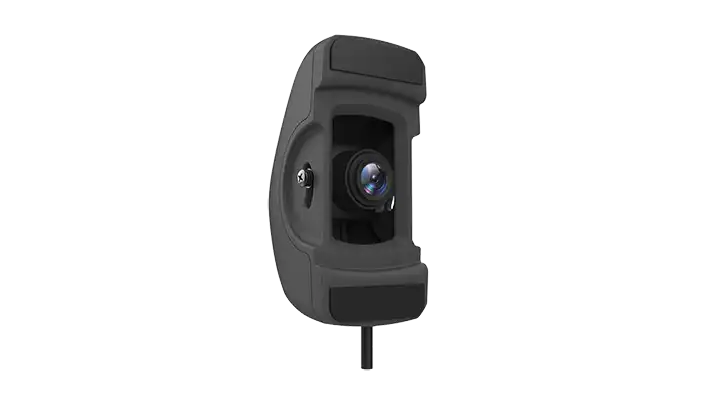
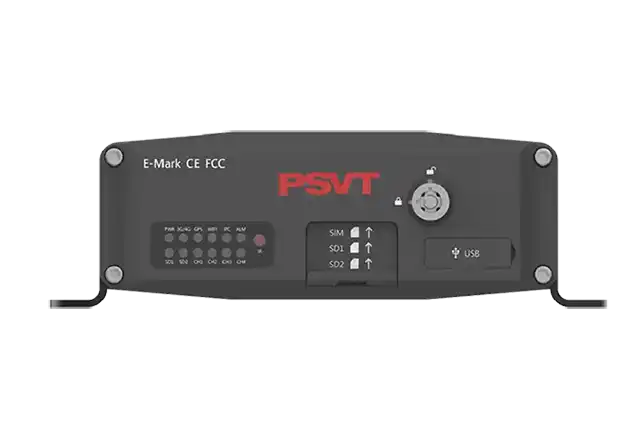
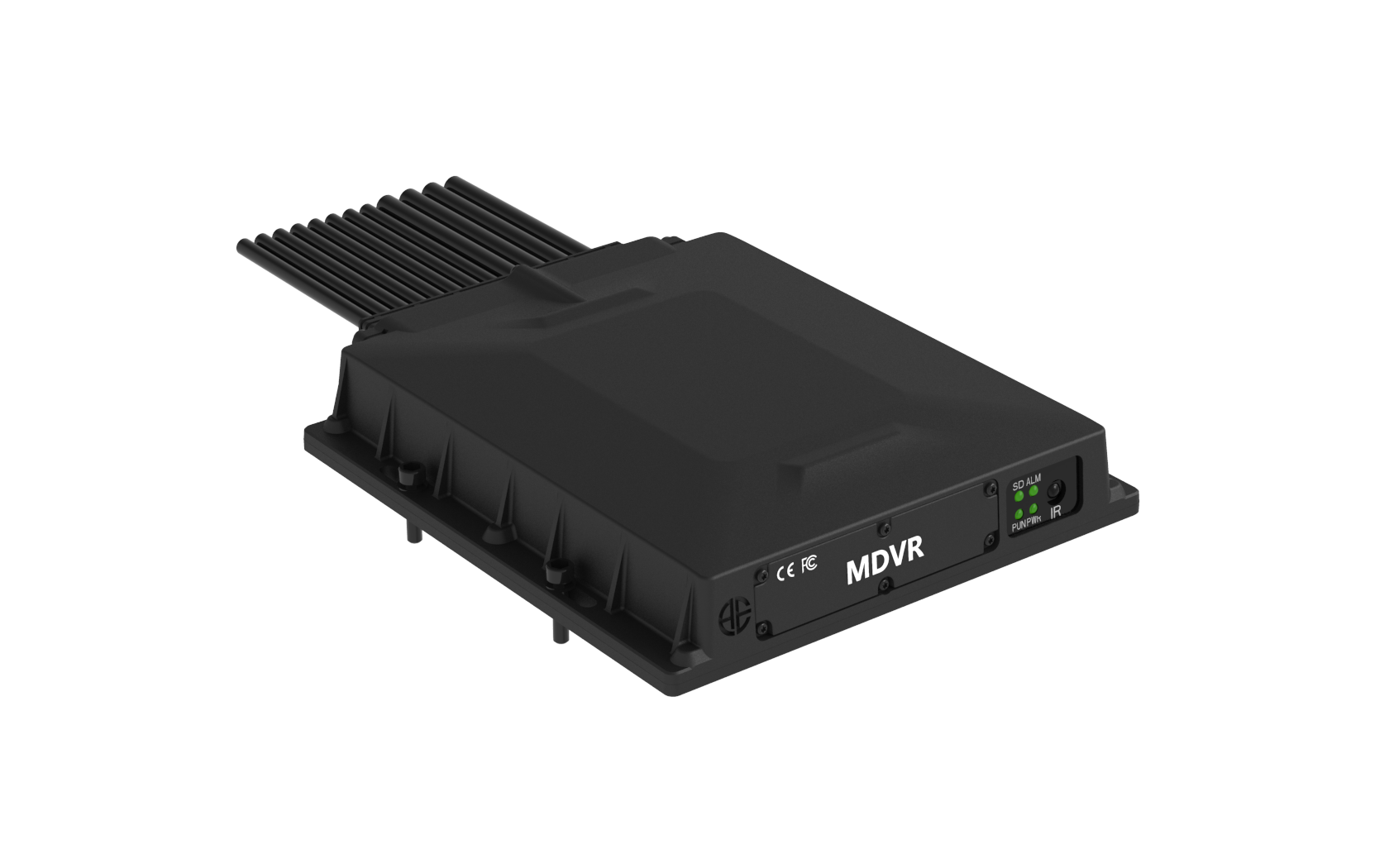
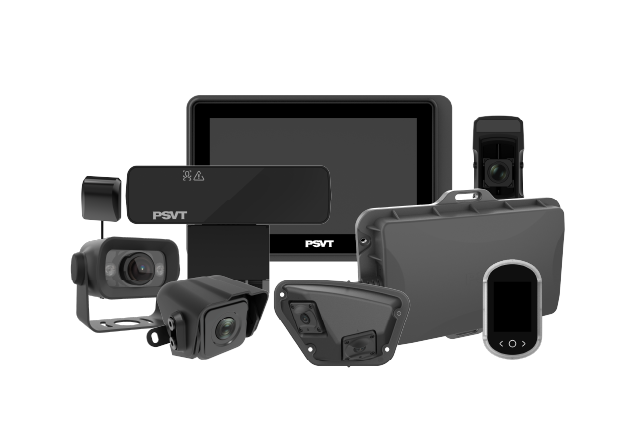
An AI mdvr system for fleet is an intelligent onboard video monitoring solution designed specifically for commercial vehicles. It integrates AI algorithms with multi-channel cameras, sensors, and GPS tracking to monitor driving behavior and road conditions in real time.
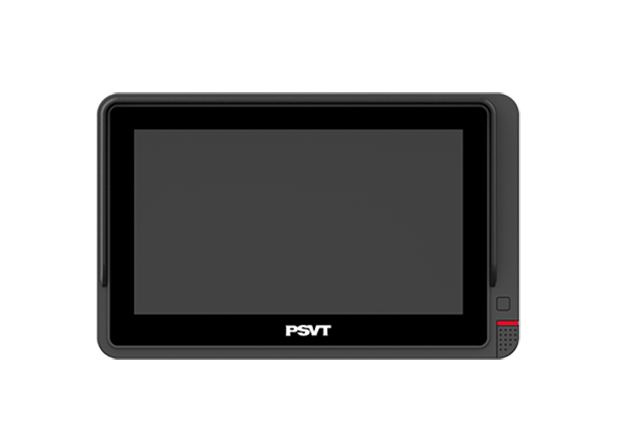
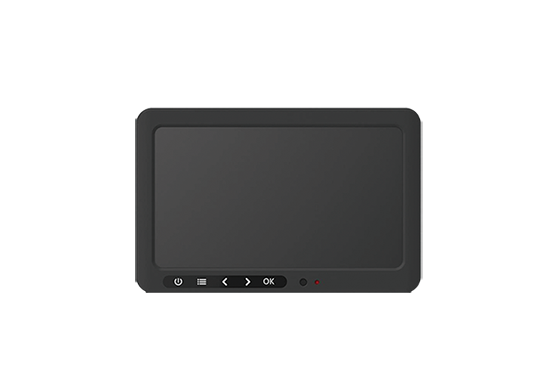
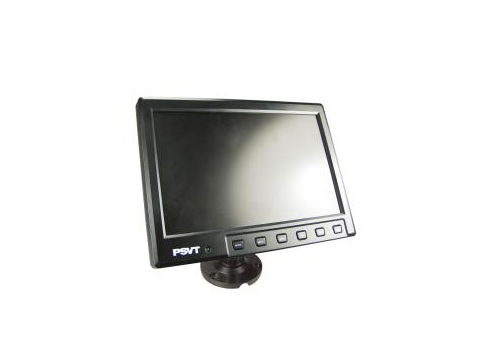
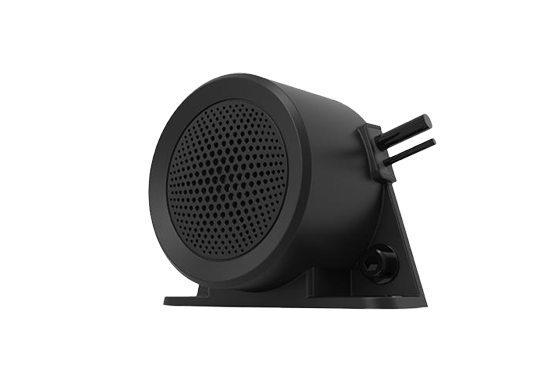
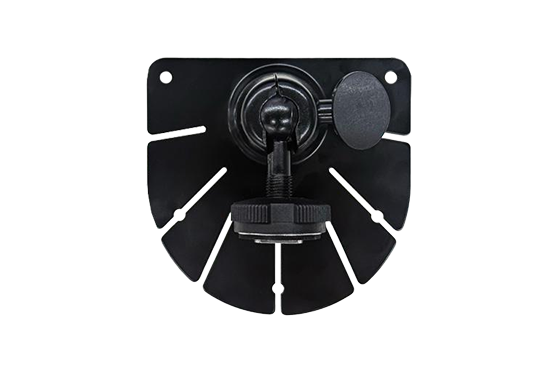
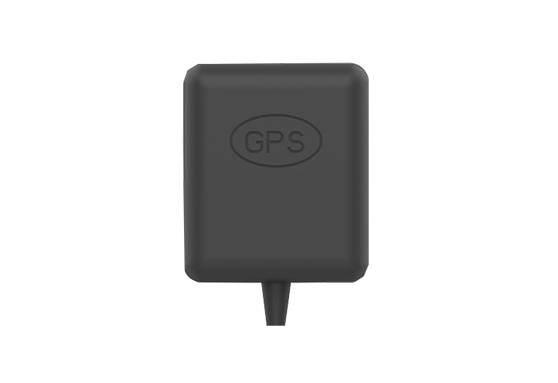
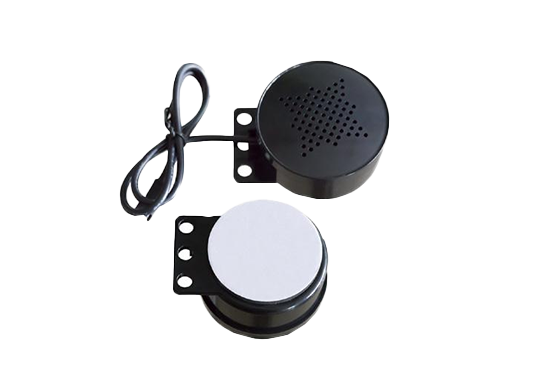
Typical components include:
Together, these technologies allow the AI mdvr system for fleet to collect and analyze data continuously, giving fleet managers complete visibility into vehicle operations and driver behavior.
The result is a smarter and safer fleet management strategy.
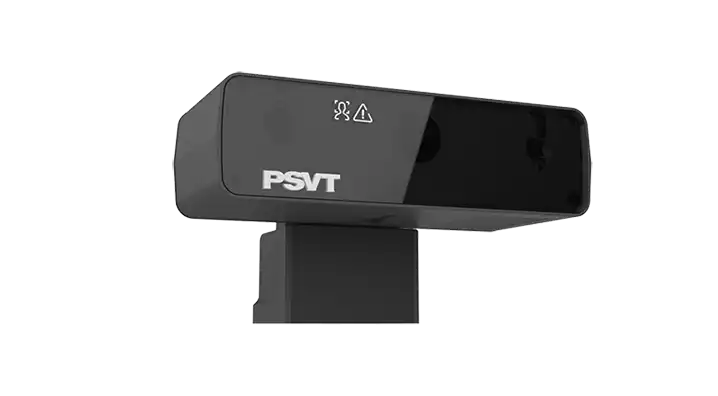
One of the most valuable functions of an AI mdvr system for fleet is monitoring driver behavior. AI algorithms analyze driver actions in real time and detect risky activities such as:
When the AI mdvr system for fleet detects these behaviors, it instantly triggers alerts that notify both the driver and the fleet manager.
This immediate feedback helps correct unsafe behavior before it leads to accidents.
Another powerful capability of an AI mdvr system for fleet is the integration of ADAS technologies that monitor road conditions and surrounding vehicles.
Key ADAS functions include:
These features allow the AI mdvr system for fleet to act as a digital co-pilot, constantly scanning the road and warning drivers about potential hazards.
For commercial fleets operating in dense urban environments or long-distance transport routes, these alerts significantly reduce accident risks.
Visibility is essential for effective fleet safety management. With an AI mdvr system for fleet, managers can remotely access live vehicle video streams and location data through a centralized platform.
This capability enables fleet operators to:
Instead of waiting until a vehicle returns to base, the AI mdvr system for fleet ensures that managers always have real-time operational awareness.
Accidents involving commercial vehicles often lead to legal disputes and insurance claims. In many cases, determining fault can be difficult without clear evidence.
An AI mdvr system for fleet automatically records high-definition video from multiple angles, providing reliable documentation of events.
Benefits include:
For fleet operators, this evidence can save significant financial losses and protect company reputation.
While safety is the primary reason companies adopt an AI mdvr system for fleet, the technology also delivers broader operational advantages.
The behavioral insights generated by the AI mdvr system for fleet help companies identify unsafe driving patterns and provide targeted driver training.
Over time, this leads to:
Insurance providers increasingly recognize the value of AI safety systems. Fleets using an AI mdvr system for fleet may qualify for reduced insurance premiums due to lower accident risk.
By preventing accidents and monitoring driver behavior, an AI mdvr system for fleet helps reduce vehicle damage and maintenance requirements.
This improves fleet availability and operational productivity.
Many industries rely heavily on commercial vehicles, making them ideal candidates for implementing an AI mdvr system for fleet.
These include:
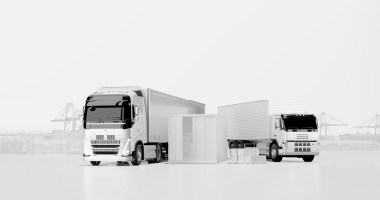
Long-haul trucks operate across large distances, making driver monitoring and safety alerts critical.
Buses carrying passengers require enhanced safety monitoring and incident recording.
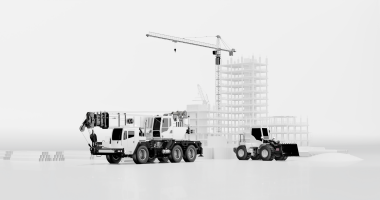
Heavy vehicles operating in high-risk environments benefit from AI-assisted visibility and monitoring.
Urban delivery fleets face complex traffic conditions where AI safety assistance is essential.
For each of these industries, an AI mdvr system for fleet provides a powerful layer of protection.
As artificial intelligence continues to evolve, the capabilities of the AI mdvr system for fleet will become even more advanced.
Future developments may include:
These innovations will further transform how transportation companies manage safety, efficiency, and compliance.
For forward-thinking fleet operators, adopting an AI mdvr system for fleet today provides a strong competitive advantage.
Road safety challenges are increasing for commercial fleets, but modern technology offers powerful solutions. An AI mdvr system for fleet provides intelligent monitoring, real-time alerts, and valuable operational insights that help companies reduce accidents and improve driver performance.
By combining video surveillance, AI analytics, and cloud connectivity, the AI mdvr system for fleet transforms traditional fleet management into a proactive safety strategy.
For logistics companies, transport operators, and commercial vehicle fleets, investing in an AI mdvr system for fleet is not just a technology upgrade—it is a strategic step toward safer roads, more efficient operations, and long-term business sustainability.