

< 5G rating
UN Regulation R151/R159/R158
View More

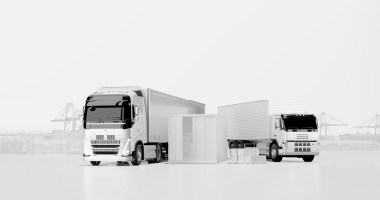






As the commercial vehicle industry accelerates toward intelligent transportation and Advanced Driver Assistance Systems (ADAS), basic safety setups are no longer sufficient. While rear and side cameras have long been standard, advanced front view camera technology is now taking center stage. The front blind spot—especially on heavy-duty trucks, buses, and construction equipment—poses one of the highest risks for fatal collisions.
For commercial fleet operators, vehicle manufacturers (OEMs), and system integrators, upgrading front-facing vision is a top priority. To ensure long-term reliability and seamless system integration, sourcing high-definition vehicle vision equipment directly from a leading OEM front camera factory is the most strategic approach.
What separates a premium commercial front camera from a generic market alternative? The answer lies in the engineering. Leading factories invest heavily in advanced image processing and ruggedized physical designs to meet the punishing demands of commercial transportation.
Below is a technical parameter comparison illustrating the gap between standard aftermarket cameras and advanced OEM factory solutions:
The deployment of these advanced cameras spans various heavy-duty sectors, each utilizing the technology to solve specific operational challenges:
| Techinical Parameter | Standard Aftermarket Camera | Advanced OEM Factory Camera |
| Housing Meterial | Plastic or light aluminum | Heavy-duty Die-cast metal (Anti-corrosion) |
| Environmental Protection | IP67 | IP69K (Impervious to high-pressure washing) |
| Low-light Performance | Standard IR sensors | 0.01 Lux Starlight Night Vision |
| Signal Connection | Standard RCA cables | 4-pin Aviation Connectors (Secure, waterproof, anti-drop) |
| Vibration Tolerance |
< 5G rating
|
10G to 15G Mechanical Vibration Rating |
Semi-trucks have massive blind spots directly over the hood. A front-mounted wide-angle camera allows drivers to see small passenger vehicles or debris immediately in front of the bumper, significantly reducing rear-end and lane-change collisions in heavy traffic.
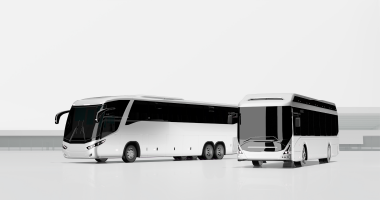
Operating in dense urban environments requires hyper-vigilance. Front view cameras assist bus drivers in monitoring pedestrian crosswalks, cyclists, and tight bus stop clearances, ensuring passenger and public safety.
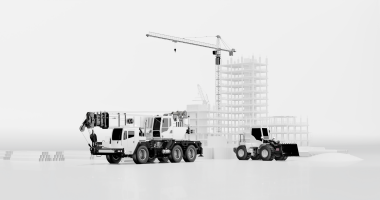
Navigating bulldozers, excavators, and mining trucks through harsh, dusty, and uneven terrain requires robust vision. The high vibration tolerance and IP69K sealing of premium cameras ensure they survive falling debris, extreme mud, and high-impact shocks while providing a clear operational view.
For large integrators and fleet managers, partnering directly with an experienced factory offers distinct advantages over buying off-the-shelf products.
First, a professional factory provides unparalleled customization capabilities. Commercial vehicles have diverse electrical systems; a top manufacturer can engineer cameras with a 9V-36V wide voltage range to prevent burnout from power surges. Additionally, lens angles (e.g., 120°, 150°) and cable configurations can be tailored to perfectly match specific vehicle aerodynamics and existing fleet management software.
Second, quality consistency is guaranteed. Leading factories subject their products to extreme aging tests—running cameras continuously in temperatures ranging from -40°C to +70°C—and rigorous mechanical vibration testing before mass deployment. This guarantees that every unit in a bulk order performs flawlessly out of the box.
If you are looking to upgrade your fleet's safety infrastructure with enterprise-grade equipment, AUTOEQUIPS stands at the forefront of commercial vehicle vision technology.
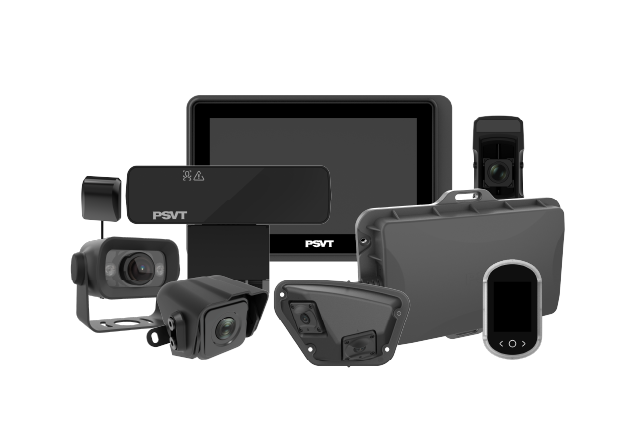
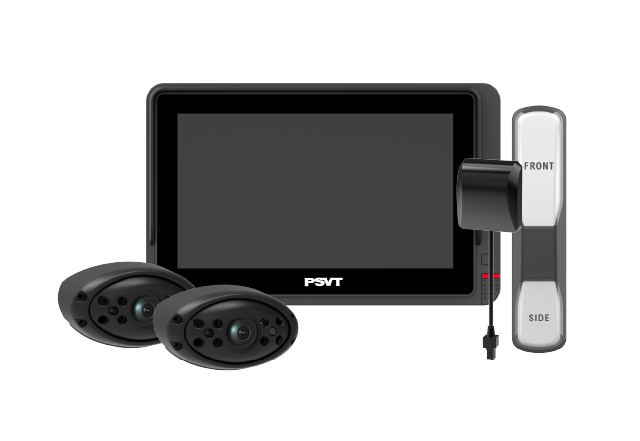
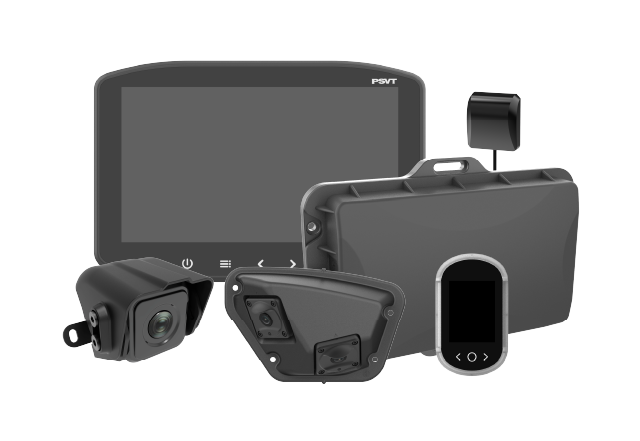
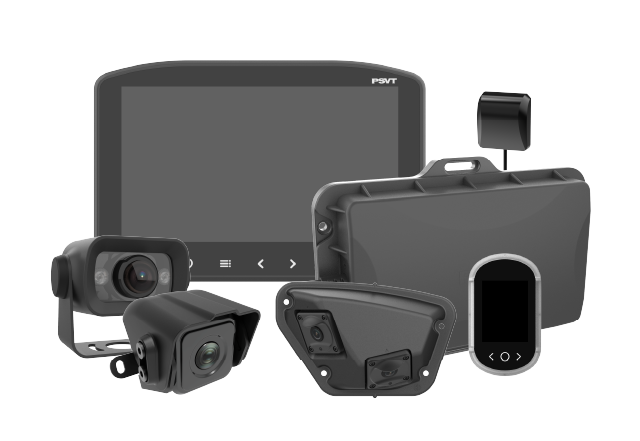
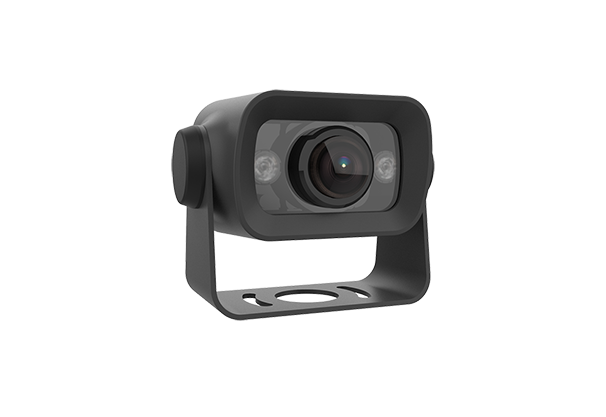
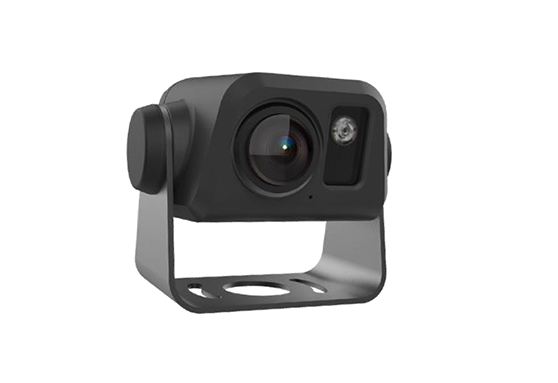
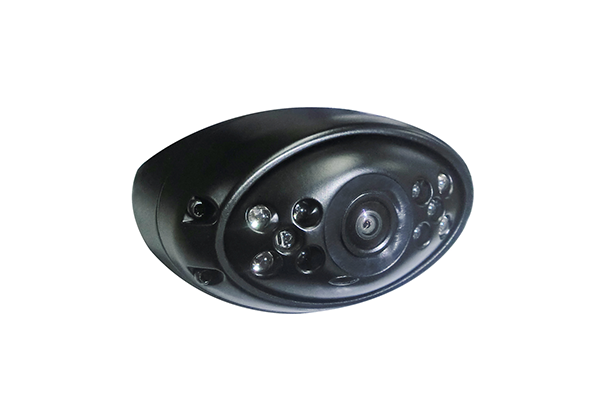
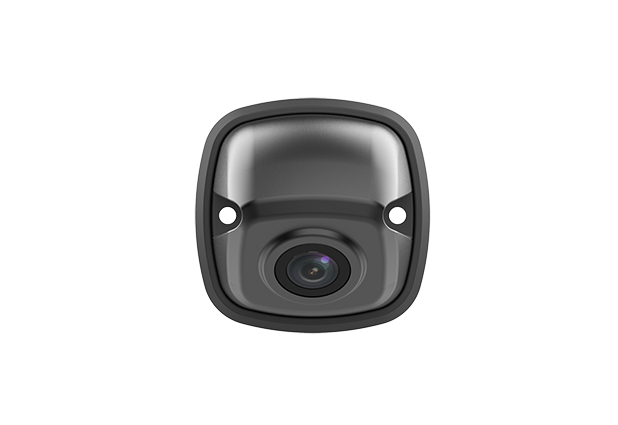
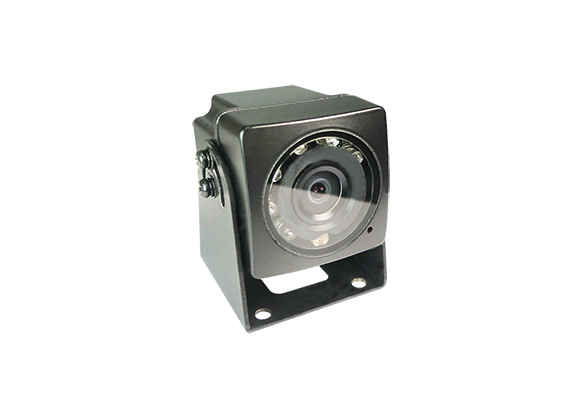
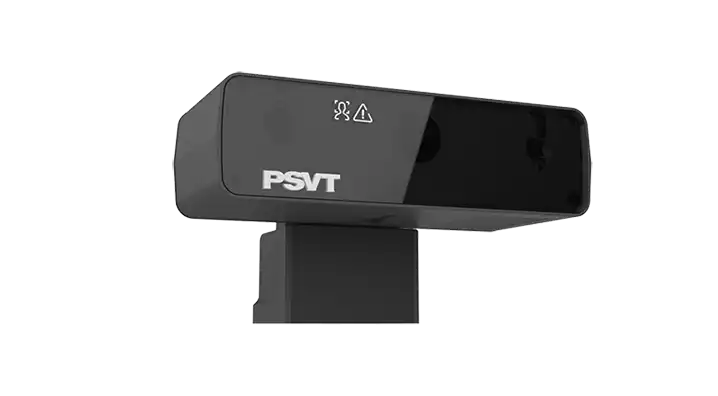
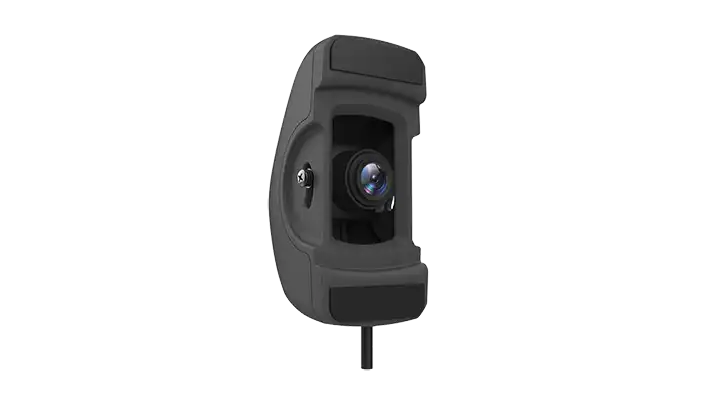
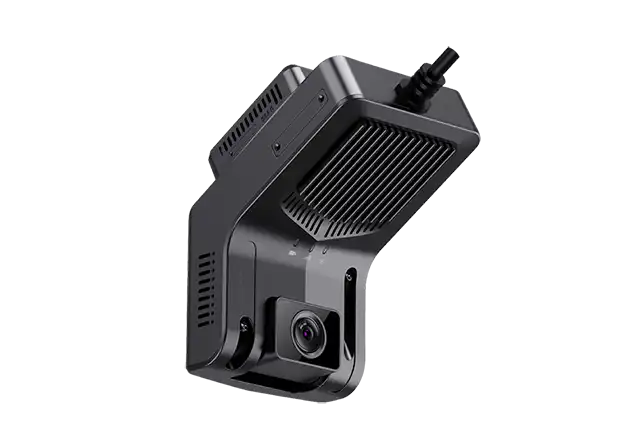
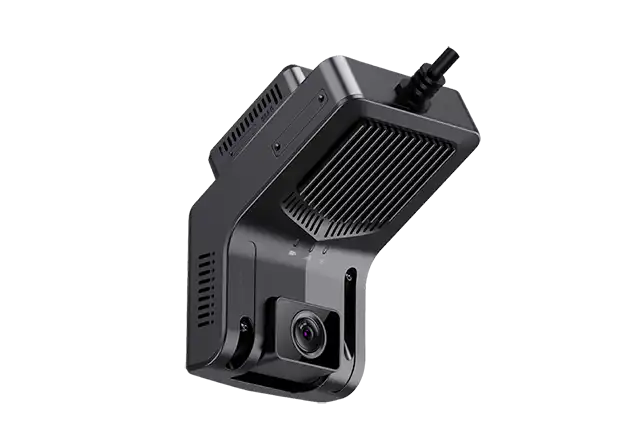
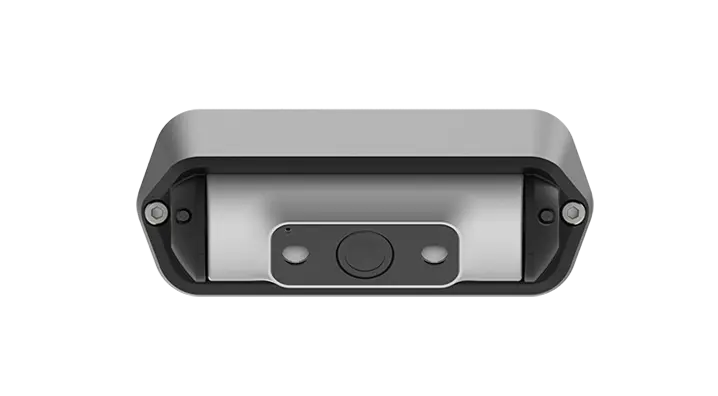
Designed specifically for the rigorous demands of the heavy-duty sector, the AUTOEQUIPS Front View Camera delivers crystal-clear, high-definition imaging to eliminate dangerous forward blind spots. Built with a rugged, anti-corrosion housing, an IP69K waterproof rating, and exceptional vibration resistance, it is engineered to survive the toughest industrial environments and extreme weather conditions. Featuring a wide-angle lens and superior low-light performance, the AUTOEQUIPSfront camera ensures drivers maintain total situational awareness, day or night.
By integrating AUTOEQUIPS' reliable vision solutions, fleets can drastically reduce accident rates, protect their assets, and enhance overall operational efficiency.