UN Regulation R151/R159/R158
View More










In the high-stakes world of commercial transportation, the margin for error is virtually nonexistent. Operators of heavy trucks, buses, and logistics fleets navigate a relentless set of challenges: massive blind spots, extended braking distances, driver fatigue, and increasingly complex urban traffic. For decades, the industry’s safety paradigm relied on passive components—mirrors, reflexes, and basic telematics. Today, that paradigm is undergoing a fundamental and necessary revolution. The advent of intelligent Advanced Driver-Assistance Systems (ADAS), powered by artificial intelligence and deep learning, is shifting the focus from reactive accident investigation to proactive accident prevention. This isn't merely an incremental upgrade; it represents a foundational change in how we ensure the safety of drivers, vulnerable road users, and valuable cargo. Implementing a robust ADAS is no longer a luxury or a speculative investment; for any forward-thinking fleet operation, it is an essential cornerstone of modern risk management and operational integrity.
Perhaps the most powerful and immediate driver for the widespread adoption of Advanced Driver-Assistance Systems is the evolving global regulatory landscape. Governments and international bodies are enacting stringent standards to protect Vulnerable Road Users (VRUs)—pedestrians and cyclists—who are disproportionately at risk in collisions with heavy vehicles. Key regulations are now mandating specific ADAS functionalities as standard equipment.
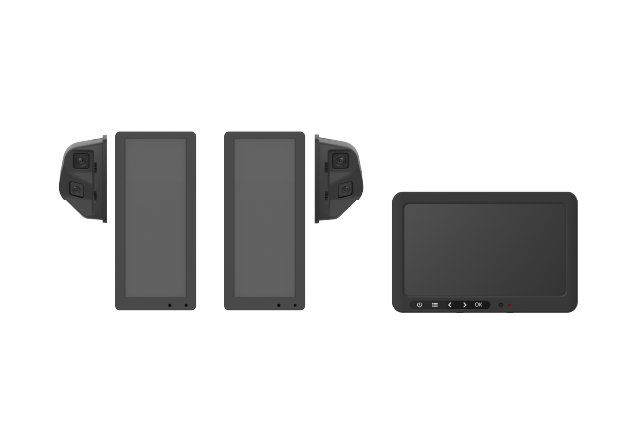
Two pivotal UN regulations, UN R151 (Blind Spot Information System for buses and trucks) and UN R159 (Moving Off Information System), specifically require systems capable of detecting VRUs in critical blind zones, particularly during low-speed maneuvers like turning and moving off from a standstill. Furthermore, the European Union’s General Safety Regulation (GSR) enshrines these and other ADAS features into law for new vehicle types. This regulatory wave makes ADAS integration a non-negotiable aspect of fleet procurement and operation. Systems like those from AUTOEQUIPS are engineered with these exacting regulations in mind, moving beyond simple ultrasonic sensors to AI-powered visual recognition that ensures compliance without inundating drivers with false alerts from non-threatening objects like curbs or signage.
The distinction between a standard recording device and an intelligent ADAS lies at the algorithmic level. Traditional dash cams passively record footage; an intelligent ADAS actively perceives, analyzes, and understands the visual scene in real-time. This capability is fueled by sophisticated AI deep learning models trained on millions of data points.
This transforms the system from a simple sensor into a "cognitive co-pilot." It performs complex tasks such as target classification, accurately differentiating between a car, a truck, a pedestrian, a cyclist, and static street furniture. More importantly, it excels at complex scenario handling, maintaining high detection accuracy in the very conditions where drivers are most vulnerable: low-light nighttime operations, heavy rain, fog, or the rapid light transitions of tunnels. This deep learning foundation enables the system to not just "see" but to "comprehend" the contextual risk of a scene, providing actionable intelligence rather than just raw data.
A comprehensive intelligent ADAS creates a protective cocoon around the vehicle by addressing the most common accident scenarios. The AUTOEQUIPS suite, for example, integrates several critical warning systems into a unified defense layer:
While safety is the paramount objective, the value proposition of intelligent ADAS extends directly to the bottom line, offering a compelling return on investment for fleet managers.
Commercial vehicles operate in the world’s most punishing environments: constant vibration, temperature extremes, dust, and moisture. An ADAS must be as rugged as the truck it protects. AUTOEQUIPS designs its systems to rigorous automotive-grade standards, ensuring long-term reliability where it matters most.
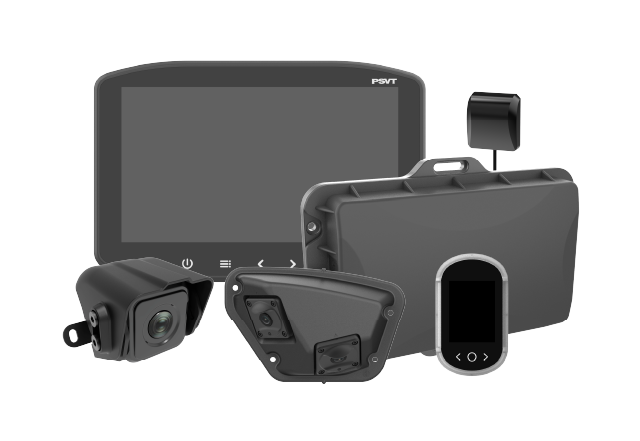
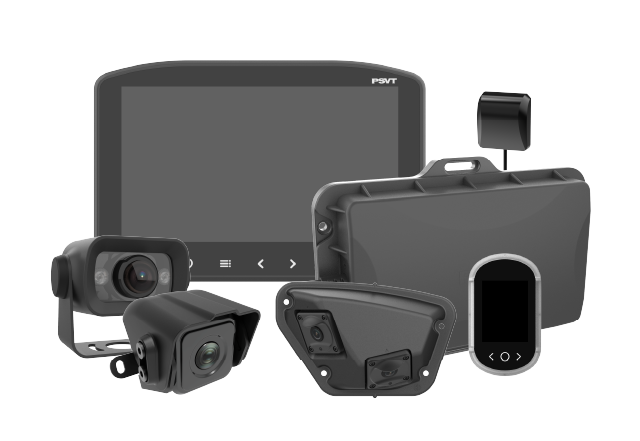
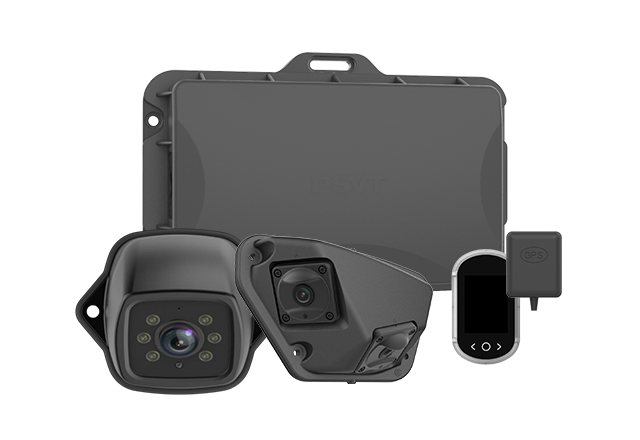
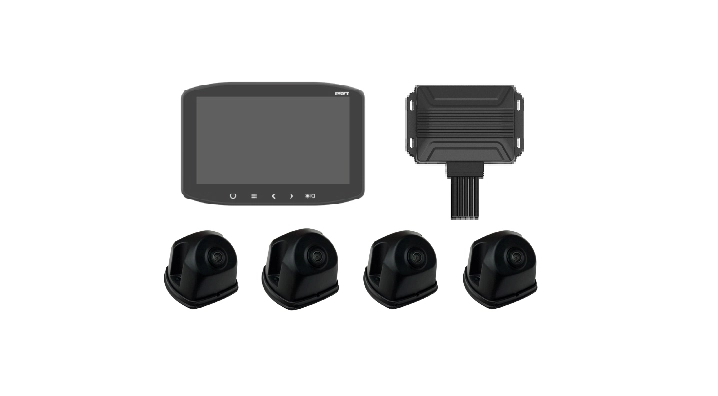
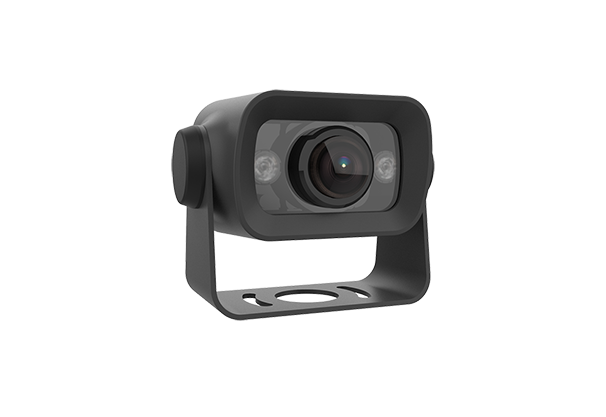
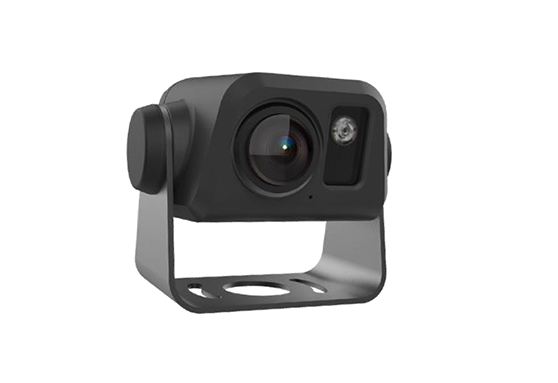
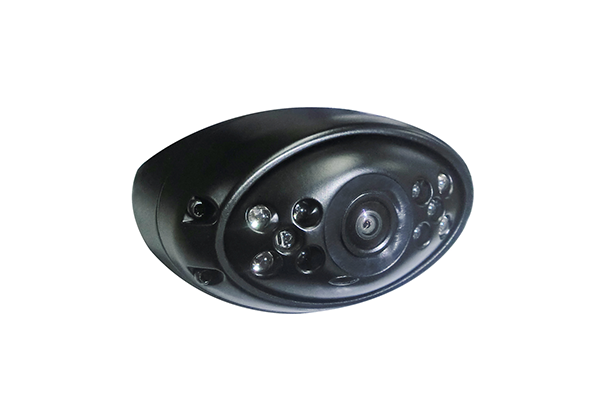
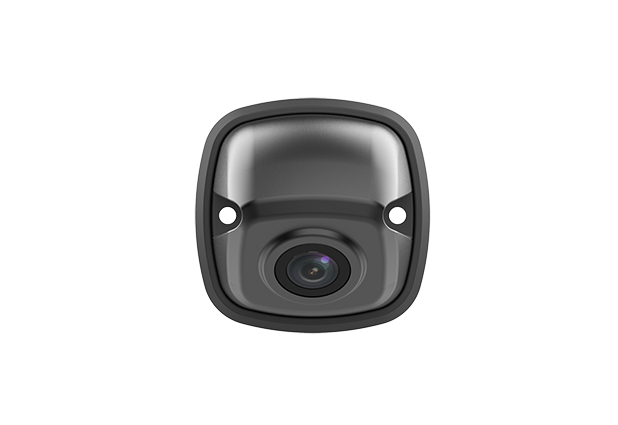
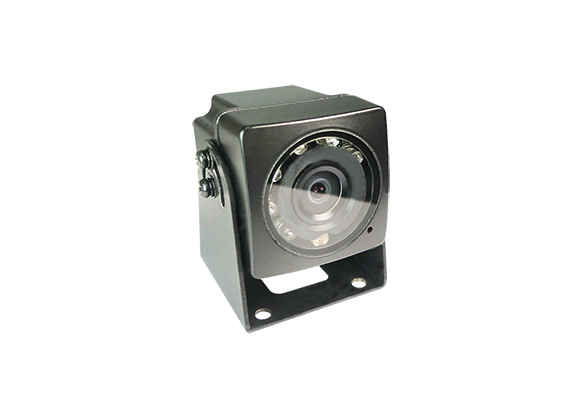
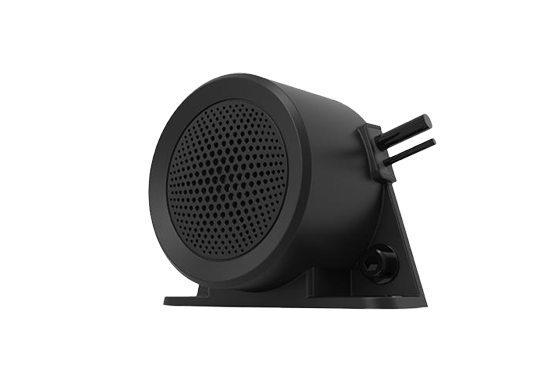
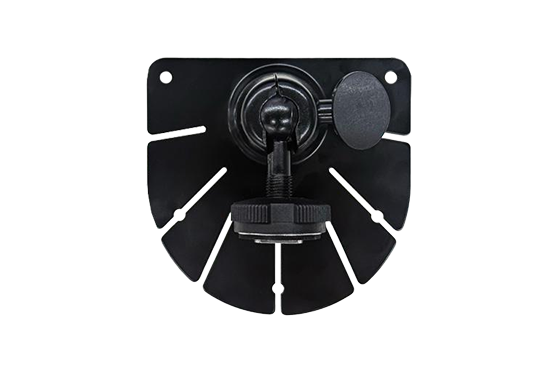
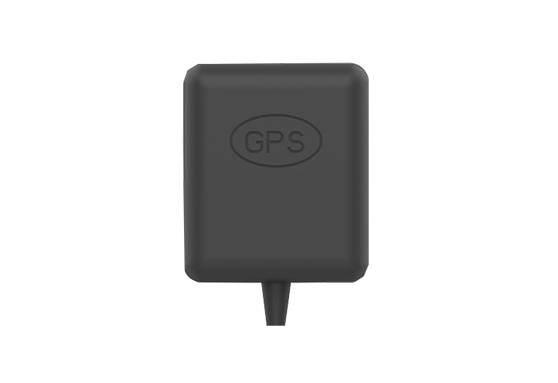
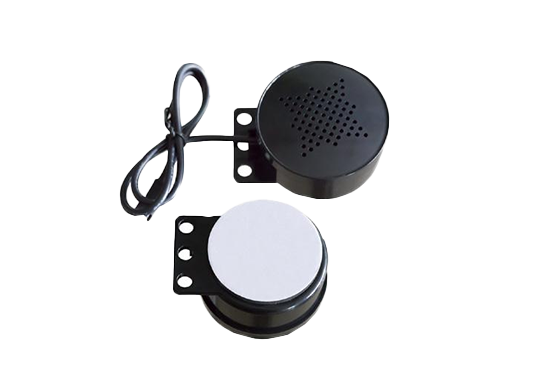
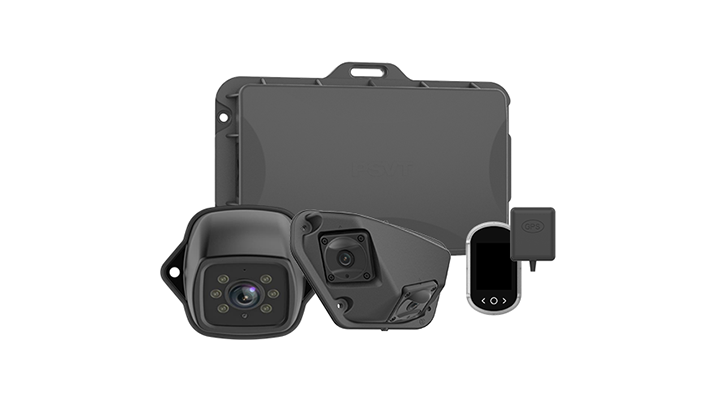
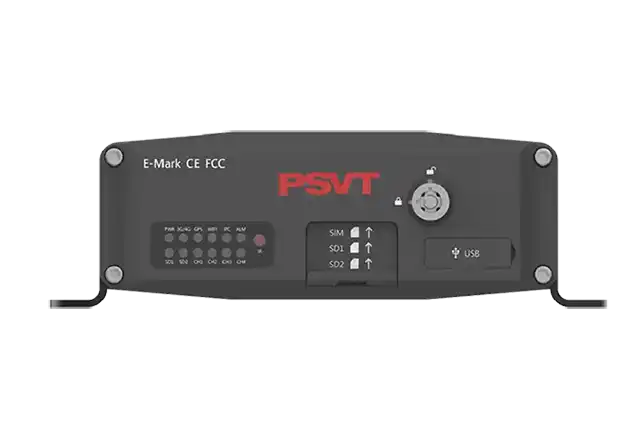
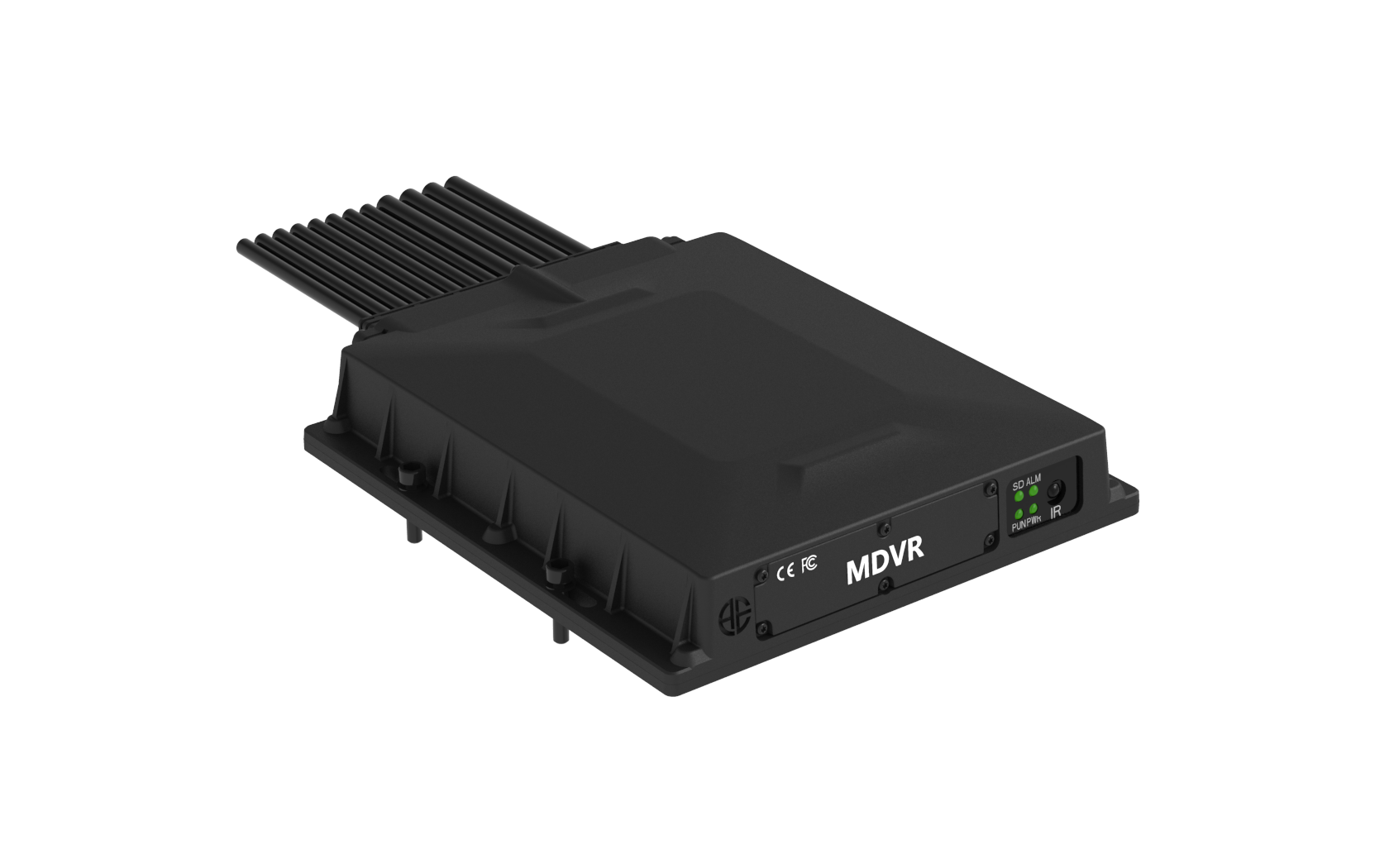
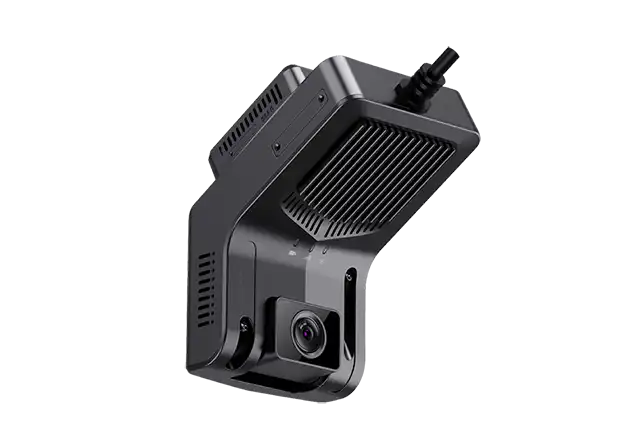
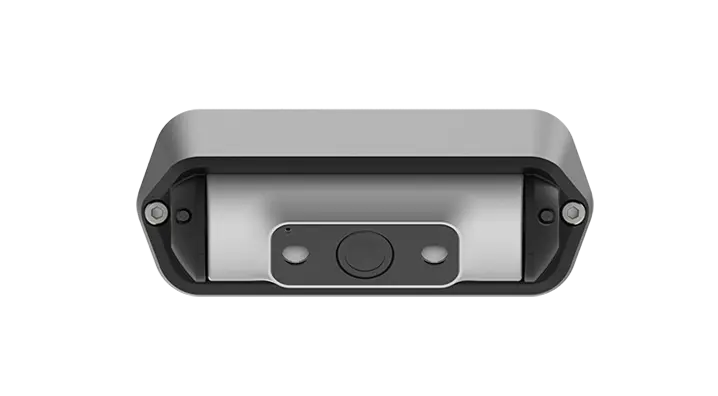
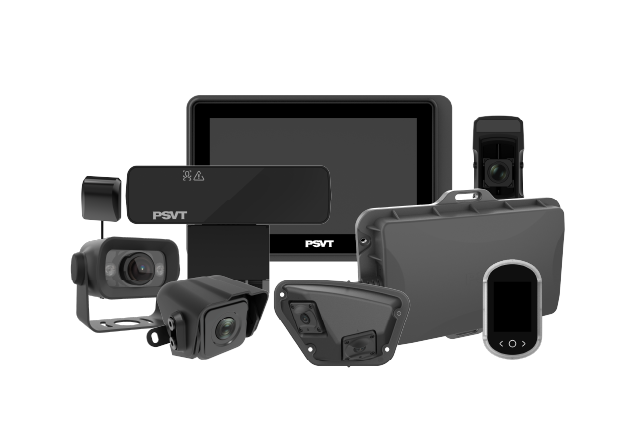
The system architecture prioritizes flexibility, typically consisting of a central processing unit and externally mounted high-definition cameras (720p/1080p). This allows for tailored installation on diverse vehicle types—from long-haul tractors and dump trucks to city buses and refuse collectors. This combination of intelligent, AI-driven perception and hardened, reliable hardware delivers a solution that does more than check a compliance box. It builds a culture of safety, enhances operational efficiency, and ultimately, safeguards lives, livelihoods, and community welfare.
The evolution of the transportation industry demands a redefinition of safety itself. The benchmark is no longer solely the crashworthiness of a vehicle, but its ability to avoid the collision altogether. Intelligent Advanced Driver-Assistance Systems (ADAS) represent the critical technological bridge to this future of prevention. By integrating regulatory compliance, cognitive AI perception, and actionable fleet management insights into a single, robust system, ADAS stands as the indispensable guardian for the next generation of commercial fleet operation. Investing in this technology is an investment in a sustainable, efficient, and, above all, safer future on the road for everyone.