UN Regulation R151/R159/R158
View More










For fleet operators, ADDW and DDAW are no longer isolated driver-monitoring terms; they are part of a wider shift toward intelligent, regulation-driven commercial vehicle safety. DDAW, or Driver Drowsiness and Attention Warning, helps identify driver fatigue and reduced attention, while ADDW, or Advanced Driver Distraction Warning, represents the next stage of monitoring driver distraction and keeping the driver focused on the traffic situation. At the same time, fleet managers must also deal with external risk around the vehicle: pedestrians, cyclists, vehicles, reversing blind spots, nearside turning risks and low-speed moving-off scenarios. This is where AUTOEQUIPS’ GSR Kit creates value: it combines AI-powered vision, blind-spot coverage, real-time alerts, DDAW and Intelligent Speed Assistance into a practical safety solution for M and N category commercial vehicles. The European Commission lists intelligent speed assistance, reversing detection and attention warning in case of driver drowsiness or distraction among mandatory advanced driver assistance systems for road vehicles, including cars, vans, trucks and buses.
Commercial fleets are under increasing pressure to prove that their vehicles are not only operationally efficient, but also safer, more compliant and easier to manage across different markets. For trucks, buses, coaches, vans and other M and N category vehicles, safety technology is no longer simply an optional upgrade. It is becoming part of vehicle approval, fleet access, insurance discussion, tender requirements and corporate safety policy.
In Europe, the General Safety Regulation has pushed the market toward wider adoption of driver assistance technologies such as ISA, reversing detection, DDAW and distraction-related warning systems. In the UK, the Direct Vision Standard and Progressive Safe System requirements have made blind-spot safety especially important for HGVs operating in Greater London. TfL states that the DVS measures how much an HGV driver can see directly through the cab windows and expresses that visibility as a zero-to-five-star rating. (Transport for London) From 28 October 2024, HGVs over 12 tonnes operating in Greater London need a minimum three-star DVS rating or must fit the Progressive Safe System; penalties can reach up to £550 for operating without a valid permit or without meeting permit conditions. (Transport for London)
For fleet decision-makers, this means safety purchasing is no longer only about buying cameras, sensors or alarms. It is about building a repeatable compliance strategy. A fleet may need BSIS for nearside blind spots, MOIS for moving-off risks, reversing visibility, DDAW for driver attention, ISA for speed awareness and, increasingly, an ADDW roadmap for distraction warning. AUTOEQUIPS’ GSR Kit is designed for this environment, where safety, compliance and operational simplicity must work together.
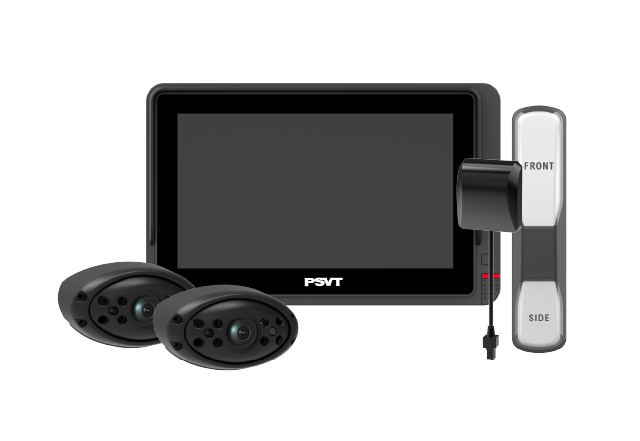
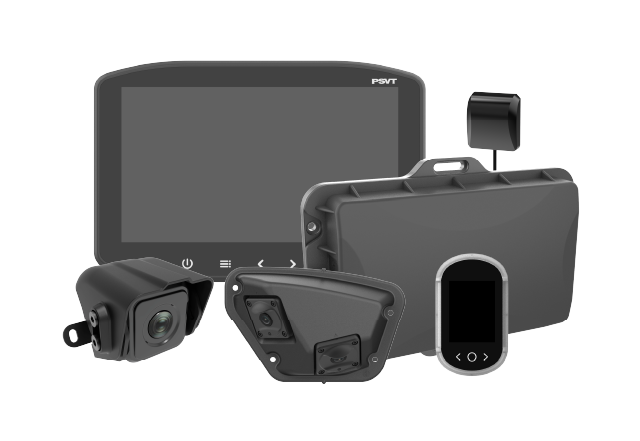
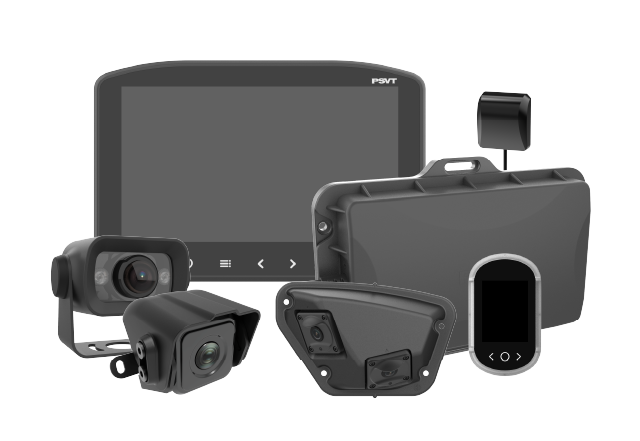
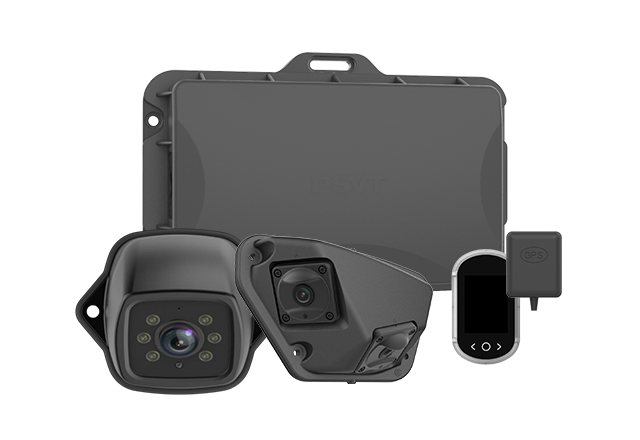
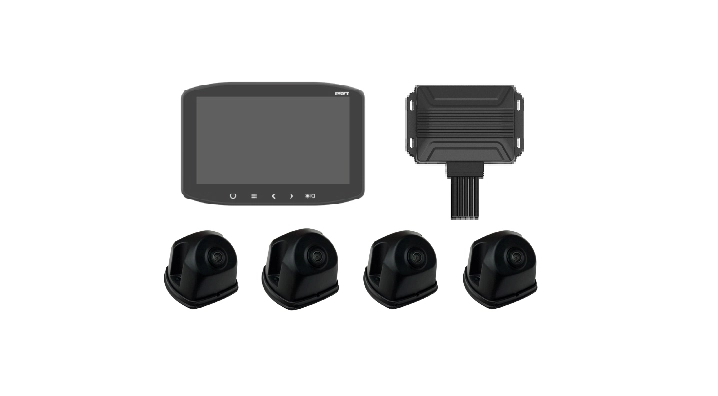
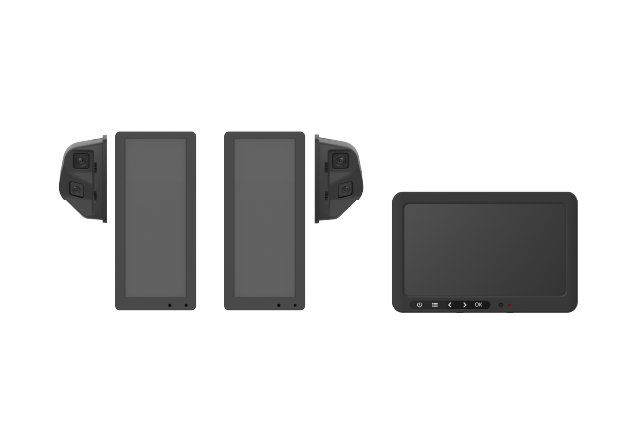
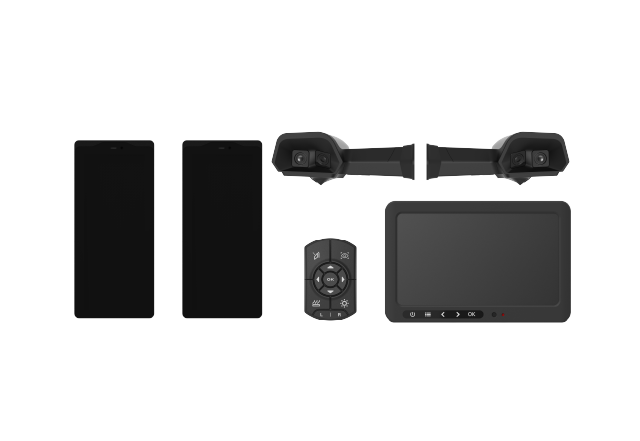
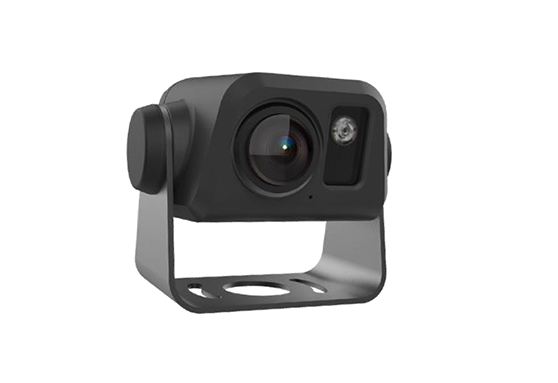
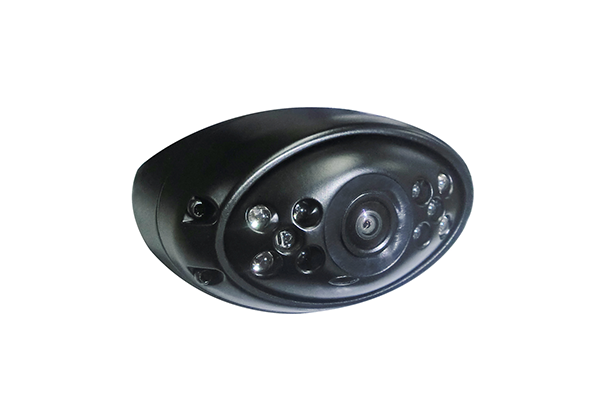
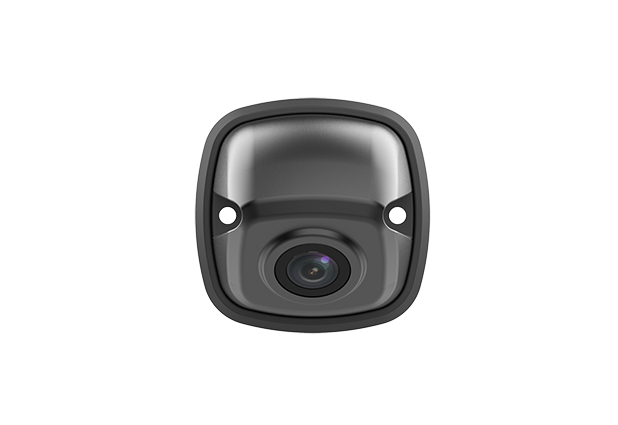
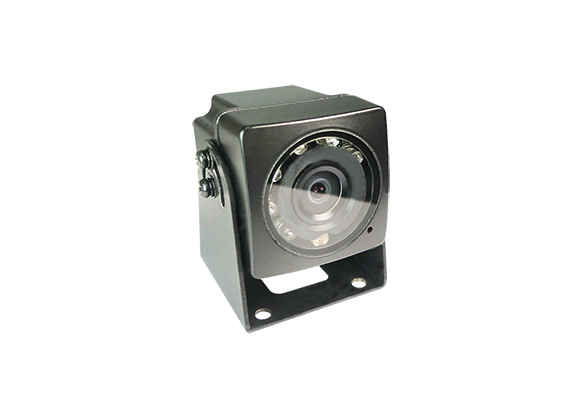
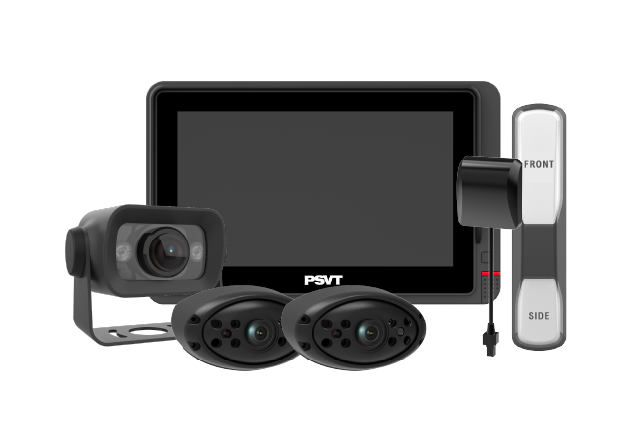
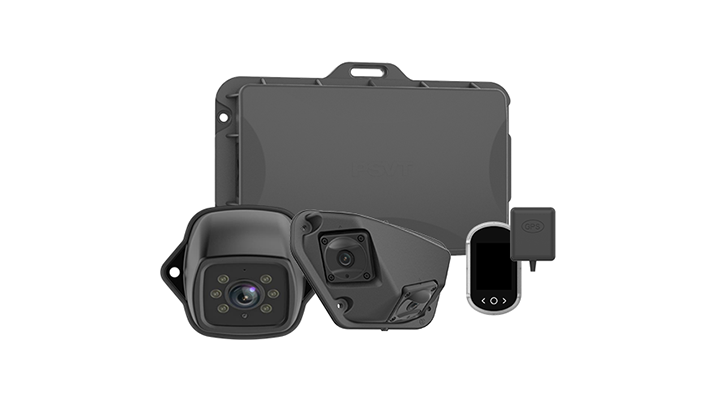
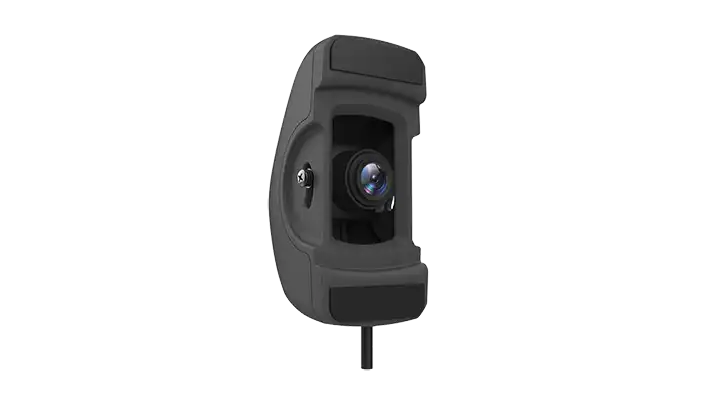
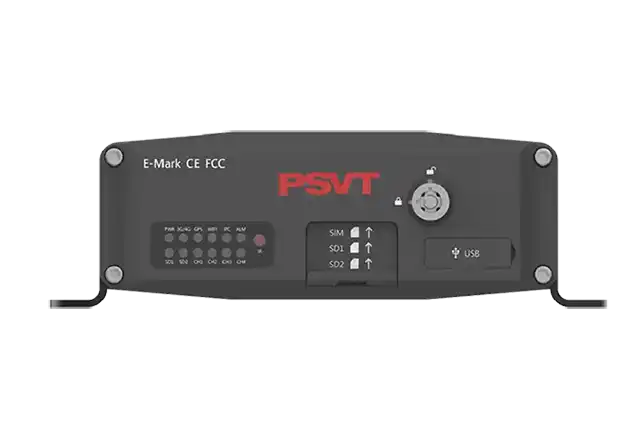
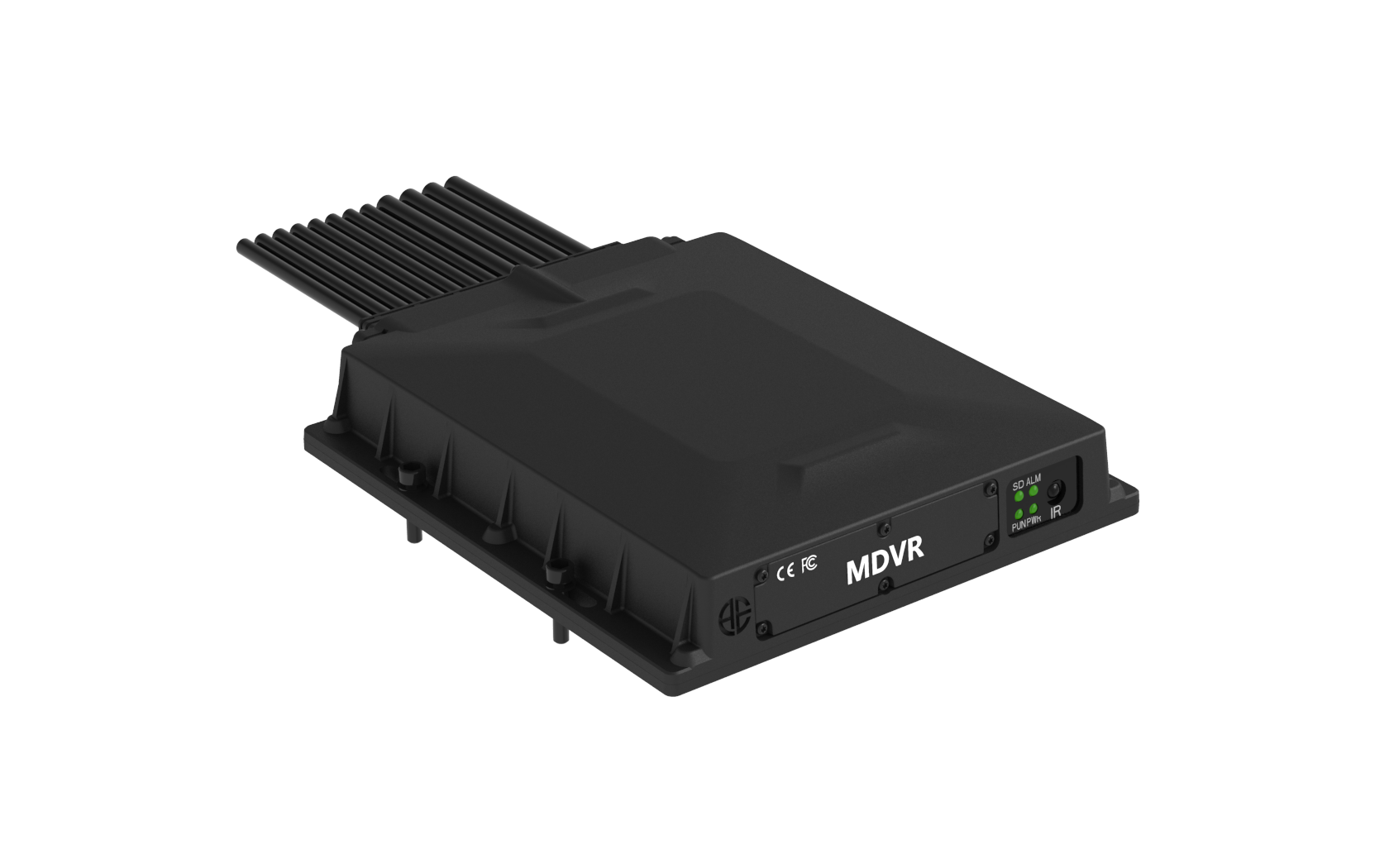
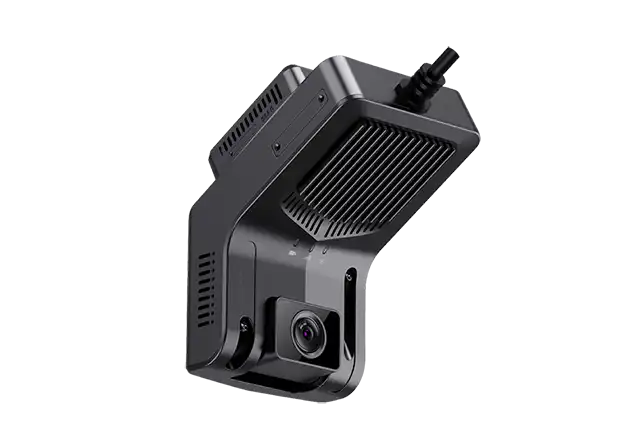
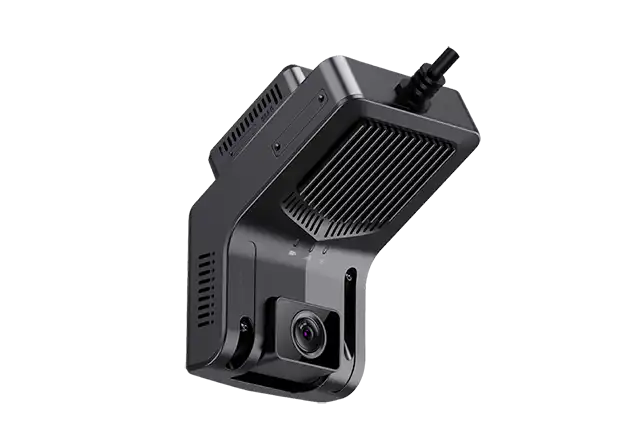
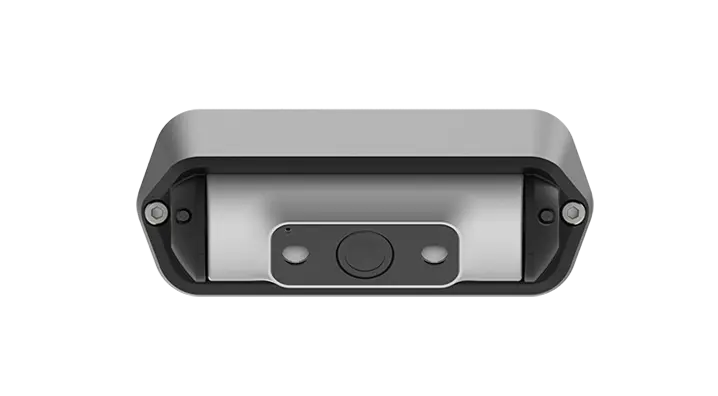
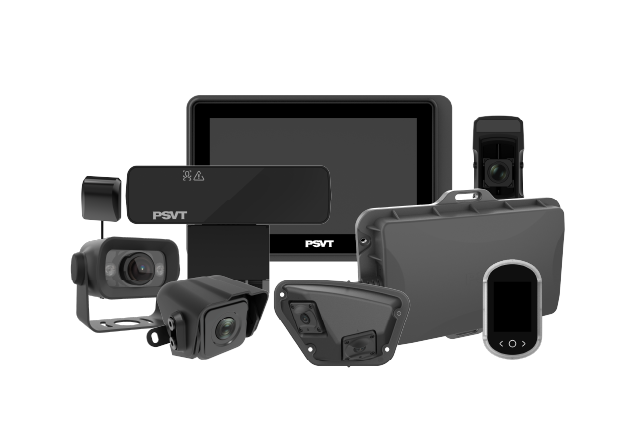
AUTOEQUIPS’ GSR Kit is a vision-based safety solution developed for M and N category commercial vehicles. Instead of treating each safety function as a separate add-on, the system is positioned as an integrated compliance-oriented kit that supports UNECE R151, R158 and R159 requirements, while also helping fleets address EU GSR and UK DVS expectations.
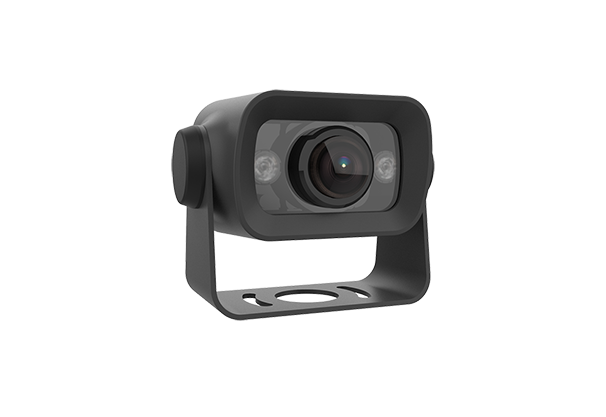
The system uses AI-powered cameras to detect pedestrians, cyclists and vehicles in real time. This vision-based approach is important because commercial vehicle risk is highly scenario-dependent. A cyclist passing along the nearside of a truck, a pedestrian crossing in front of a bus, a vehicle behind a reversing van, or a vulnerable road user standing near the front blind spot all represent different risk patterns. A basic camera may show an image, but an AI-powered system can help interpret the scene, classify the target and deliver timely visual and audio alerts.
This is also why the connection between external detection and driver-state functions such as DDAW and ADDW matters. A driver may technically have a camera display, but if the driver is tired, distracted or overloaded by urban traffic, the safety value of that display is reduced. By integrating DDAW and ISA while supporting a broader ADDW and DDAW compliance conversation, AUTOEQUIPS helps fleets move from “visibility equipment” toward “active safety management.”
AUTOEQUIPS’ GSR Kit is built around the real-world blind-spot risks that commercial vehicles face every day. UNECE R151 focuses on Blind Spot Information Systems for the detection of bicycles. UNECE describes R151 as a regulation for BSIS detection of bicycles, and the regulation text defines BSIS as a system that informs the driver of a possible collision with a bicycle on the near side.
UNECE R158 addresses reversing motion and the driver’s awareness of vulnerable road users behind vehicles. UNECE describes R158 as covering devices for means of rear visibility or detection, and the regulation’s purpose is to provide provisions for reversing motion concerning awareness of vulnerable road users in proximity.
UNECE R159 focuses on Moving Off Information Systems, or MOIS. UNECE identifies R159 as the regulation for Moving Off Information Systems, and the regulation text defines MOIS as a system to detect and inform the driver of pedestrians and cyclists in the close-proximity forward blind spot.
For fleet managers, these three regulations map directly to daily operating risk. R151 supports side blind-spot awareness. R158 supports reversing safety. R159 supports front close-proximity moving-off safety. When combined with DDAW, ISA and an ADDW-aware safety roadmap, the fleet can build a more complete vehicle safety architecture.
The reason ADDW and DDAW should appear in the same fleet safety conversation is simple: accidents often happen when external hazards and driver-state risks overlap. A cyclist may be in the blind spot, but the driver may also be tired. A pedestrian may be in the moving-off zone, but the driver may also be distracted by route pressure, mirrors, cabin noise, dispatch messages or urban traffic complexity. A speed limit may change, but the driver may not notice it in time.
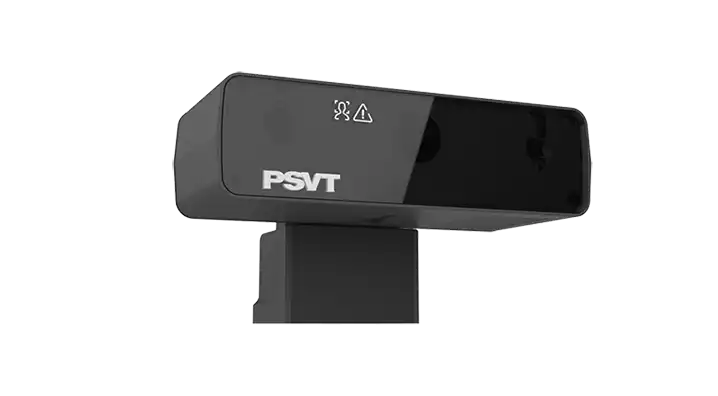
DDAW focuses on drowsiness and attention warning. It supports the driver by identifying signs that attention or alertness may be declining. ADDW focuses more specifically on driver distraction, helping the driver continue paying attention to the traffic situation. Regulation (EU) 2019/2144 includes both driver drowsiness and attention warning and advanced driver distraction warning in its safety framework, and the regulation also includes privacy-oriented requirements stating that DDAW and ADDW systems should not continuously record or retain unnecessary data.
For B2B fleet buyers, DDAW and ADDW are not just technical acronyms. They represent a shift in safety purchasing logic. Traditional vehicle safety focused mainly on what the vehicle could see outside. New GSR-era safety focuses on both sides of the risk equation: what the vehicle can detect externally and whether the driver is alert enough to respond internally. That is why DDAW, ADDW, blind-spot detection, ISA and AI cameras are increasingly discussed together.
Intelligent Speed Assistance adds another layer to fleet safety. Speed-related risk is especially important for commercial vehicles because vehicle size, stopping distance, route environment and vulnerable road user exposure can all increase the consequences of a driving error. ISA helps improve driver awareness of speed limits and supports safer driving behavior, especially in urban areas, school zones, construction areas and regulated fleet routes.
When ISA is combined with DDAW and blind-spot detection, the safety system becomes more practical. The driver receives support not only when a vulnerable road user is near the vehicle, but also when fatigue, attention or speed-awareness risks may affect decision-making. In future fleet procurement, buyers will increasingly compare systems not only by hardware price, but by how well different safety functions work together. A kit that supports blind-spot detection, DDAW and ISA is easier to position as a fleet-wide compliance investment than a single-function camera system.
One of the strongest advantages of AUTOEQUIPS’ GSR Kit is its use of AI-powered cameras. Conventional cameras depend heavily on the driver’s ability to constantly watch multiple displays and interpret the environment. In dense traffic, this is not always realistic. Drivers may need to monitor mirrors, signals, pedestrians, cyclists, loading zones, traffic signs, dispatch instructions and vehicle movement at the same time.
AI-powered vision changes this model. The system can identify pedestrians, cyclists and vehicles in real time, helping convert raw video into actionable warnings. This makes the alert more meaningful for the driver and more valuable for fleet managers. Instead of asking the driver to interpret every visual detail, the system helps highlight risk.
This matters for ADDW and DDAW positioning as well. DDAW supports the driver’s alertness. ADDW is related to distraction awareness. AI vision supports external hazard detection. Together, these concepts point toward a more intelligent safety architecture: the vehicle watches the road environment, the driver-state system supports attention, and the warning interface helps the driver respond quickly.
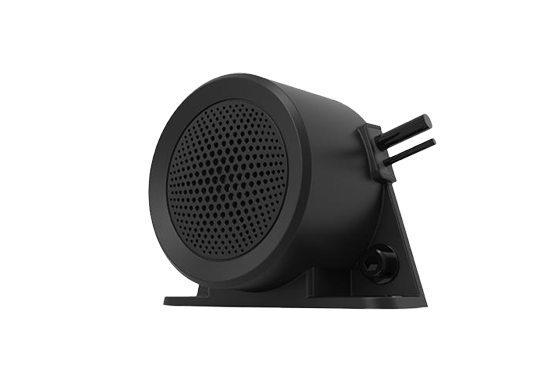
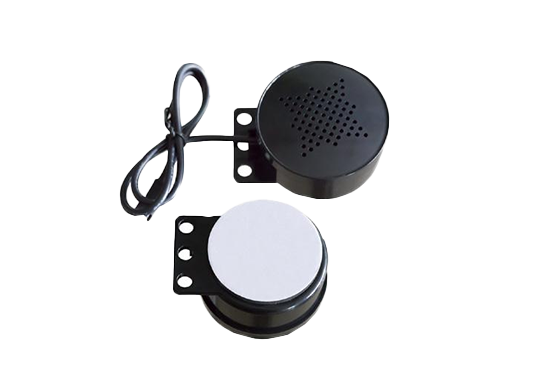
Detection alone is not enough. A safety system must also communicate risk clearly. AUTOEQUIPS’ GSR Kit provides instant visual and audio alerts to help drivers respond to potential collision risks. This is especially important in commercial vehicle applications because the driver’s cabin can be noisy, the vehicle body may limit direct visibility, and maneuvering risks often happen at low speed in complex surroundings.
For fleet safety managers, alert quality is a major purchasing factor. Too many false alerts can cause driver frustration. Weak alerts may be ignored. Poorly timed alerts may not help prevent the risk. A strong GSR Kit should support real-world driver behavior by delivering warnings that are timely, understandable and relevant.
This is another reason DDAW and ADDW should be part of the broader message. If DDAW identifies fatigue-related attention decline, or if future ADDW functions help address distraction, the vehicle’s alert system becomes even more important. The goal is not to overwhelm the driver. The goal is to provide the right warning at the right time, in a format that supports safe action.
For fleet operators, the business case for AUTOEQUIPS’ GSR Kit is built around risk reduction, compliance readiness and operational standardization. A large fleet may operate different vehicle types across different cities, countries and regulatory environments. Managing separate systems for R151, R158, R159, DDAW, ISA, UK DVS and future ADDW-related requirements can create complexity. A more integrated kit helps reduce that burden.
For OEMs and body builders, a vision-based GSR safety solution can support faster configuration of vehicles for regulated markets. Instead of treating safety compliance as a late-stage installation problem, OEMs can design vehicle packages with GSR, DVS, DDAW and ISA expectations in mind. This can strengthen product competitiveness in tenders and help customers prepare for future safety requirements.
For distributors and safety equipment channel partners, AUTOEQUIPS’ GSR Kit provides a clearer sales story. The product is not just a camera. It is not just a blind-spot alarm. It is a compliance-oriented safety kit that connects R151, R158, R159, EU GSR, UK DVS, DDAW and ISA into one practical B2B value proposition. With ADDW becoming more important in the market conversation, channel partners can also educate customers on how driver monitoring and blind-spot safety are converging.
Many fleets are still in the early stages of understanding ADDW and DDAW. Some buyers know they need DDAW because it is already part of the regulatory discussion. Others are beginning to hear more about ADDW as driver distraction becomes a bigger compliance and safety topic. In both cases, the market is moving toward more driver-centered safety systems.
AUTOEQUIPS’ GSR Kit should therefore be positioned not only as today’s blind-spot detection solution, but also as part of tomorrow’s integrated safety architecture. The kit already addresses external vehicle risk through AI cameras and regulatory blind-spot coverage. It also integrates DDAW and ISA to strengthen driver awareness and compliance support. For fleets planning future safety upgrades, this creates a strong foundation for an ADDW and DDAW strategy.
The key message is simple: fleets should not wait until every regulation becomes urgent before planning their safety technology roadmap. By selecting systems that combine AI vision, DDAW, ISA and compliance-oriented blind-spot detection, fleet operators can reduce future retrofit pressure and create a more consistent safety standard across their vehicles.
The commercial vehicle safety market is entering a new phase. Regulations such as UNECE R151, R158 and R159 are shaping how vehicles detect vulnerable road users around the vehicle. EU GSR is accelerating adoption of systems such as DDAW, ISA and distraction-related driver warning. UK DVS and Progressive Safe System requirements are making blind-spot technology a practical operating requirement for many HGV fleets in London.
In this environment, AUTOEQUIPS’ GSR Kit provides more than a single safety device. It offers a vision-based, AI-powered approach to commercial vehicle safety, helping detect pedestrians, cyclists and vehicles in real time while supporting visual and audio alerts, DDAW and ISA. For fleets, OEMs and channel partners, the value is clear: better risk awareness, stronger compliance positioning and a more future-ready path toward ADDW and DDAW-driven safety management.
As fleet safety moves beyond traditional cameras and simple alarms, the winning solutions will be those that combine external detection, driver awareness and regulatory readiness. AUTOEQUIPS’ GSR Kit is designed for that future.