UN Regulation R151/R159/R158
View More










For commercial vehicle manufacturers, fleet operators and system integrators, safety compliance is no longer a future requirement. It is now a direct condition for market access, vehicle approval and long-term fleet competitiveness. The European Union’s revised General Safety Regulation has applied since 6 July 2022 and introduced mandatory advanced driver assistance systems across cars, vans, trucks and buses, with further requirements applying to new vehicle types and all new vehicles in stages.
For buses and trucks, this change is especially important. Large commercial vehicles operate in dense urban environments, logistics hubs, construction areas and cross-border corridors, where blind spots, driver fatigue, distraction, speed-limit compliance and cybersecurity risks directly affect road safety and operational continuity. The question for fleets is no longer whether safety technology is needed. The question is whether the system is certified, scalable and ready for integration.
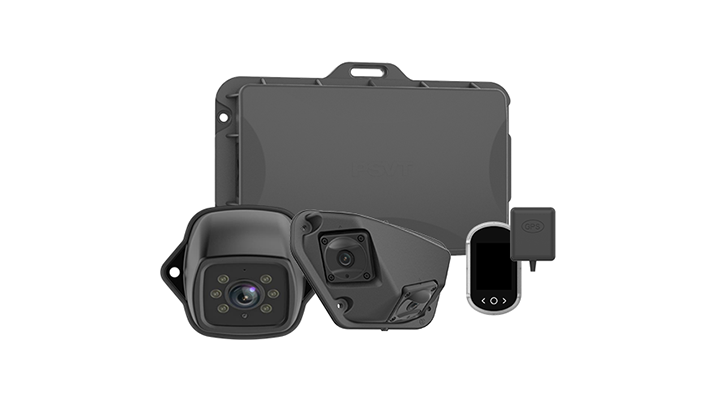
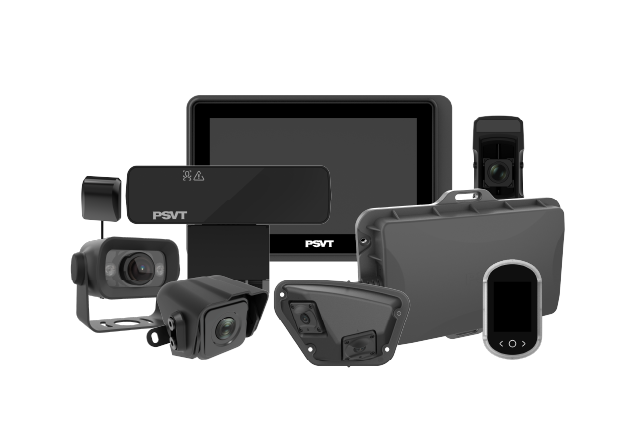
AUTOEQUIPS answers this challenge with a GSR-oriented fleet safety portfolio built around certified regulatory functions, AI vision technology and practical commercial vehicle deployment. The solution scope covers key regulations including UNECE R151 for BSIS, UNECE R159 for MOIS, EU 2021/1958 for ISA, EU 2021/1341 for DDAW, EU 2023/2590 for ADDW and UNECE R155 for CSMS cybersecurity. Together, these certifications form a comprehensive safety foundation for OEMs, fleet operators and commercial vehicle platform partners.
In the past, many fleets treated safety products as separate add-ons: one camera for reversing, one alarm for blind spots, one driver camera for fatigue, and another unit for recording. This approach may solve individual problems, but it often creates fragmented installation, inconsistent user experience and additional certification complexity.
The new generation of commercial vehicle safety requires a more integrated architecture. A fleet safety system must detect vulnerable road users, support the driver at low speed, monitor driver attention, assist with speed-limit awareness and protect vehicle electronics against cybersecurity risks. In other words, compliance is becoming a system-level capability.
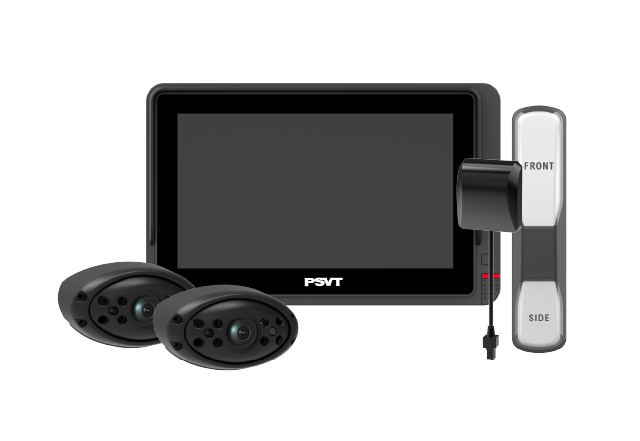
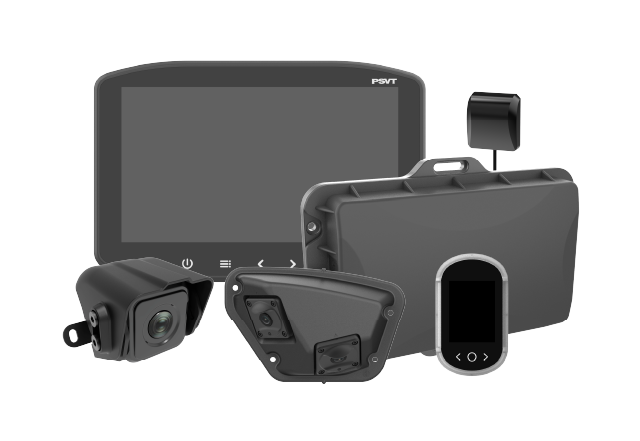
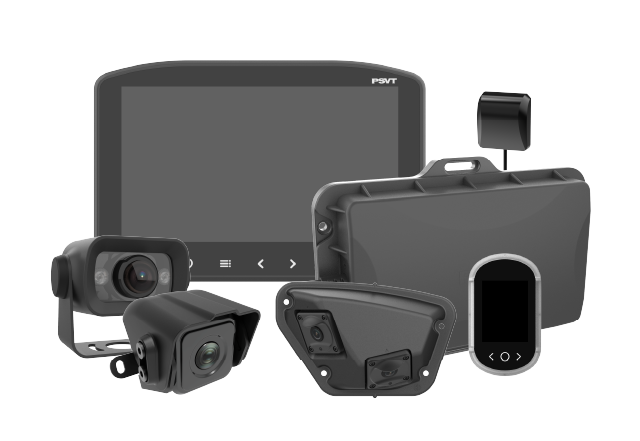
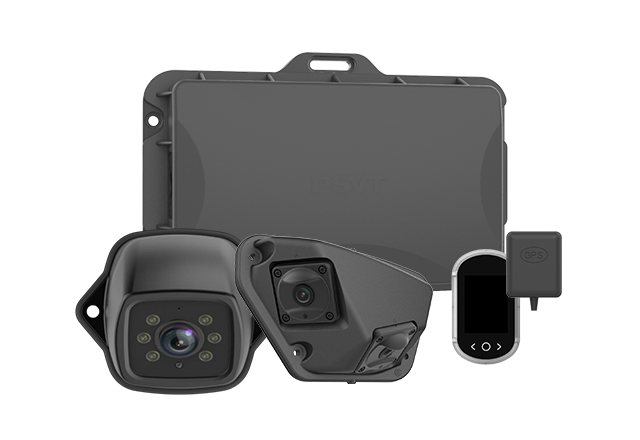
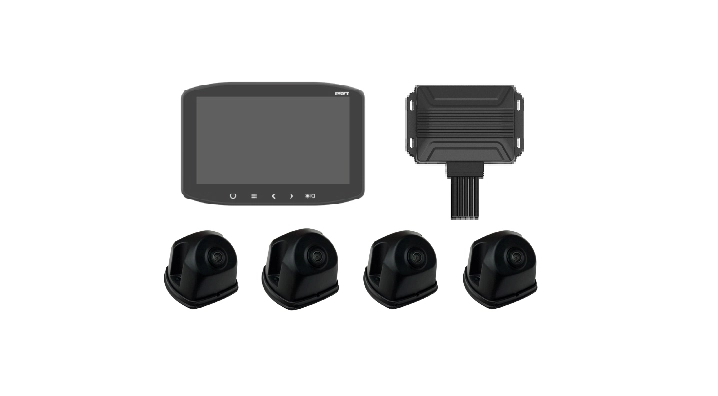
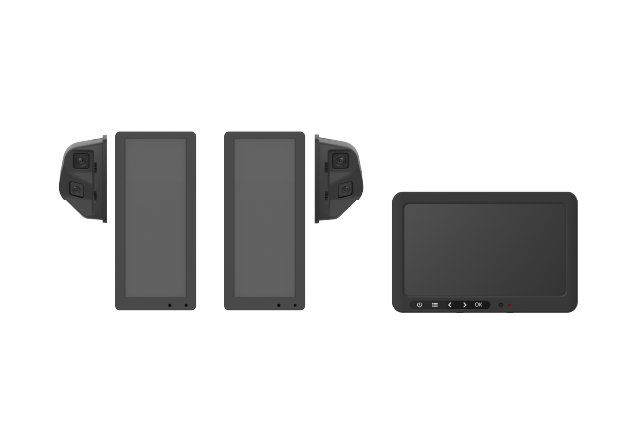
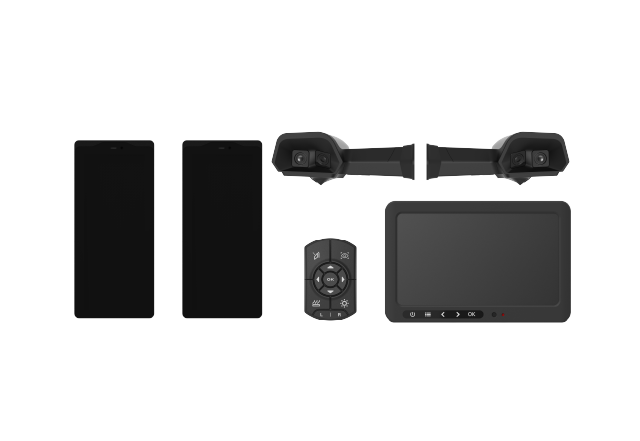
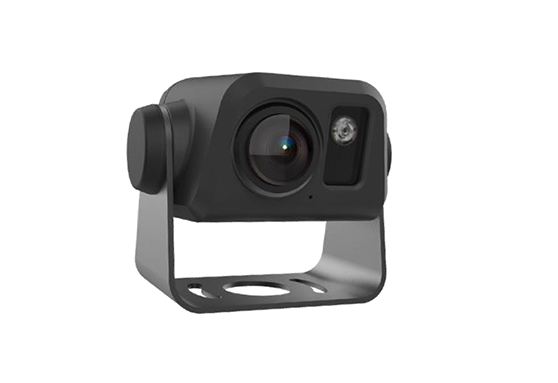
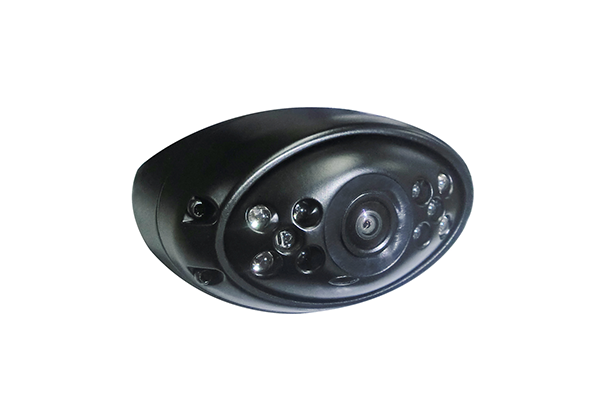
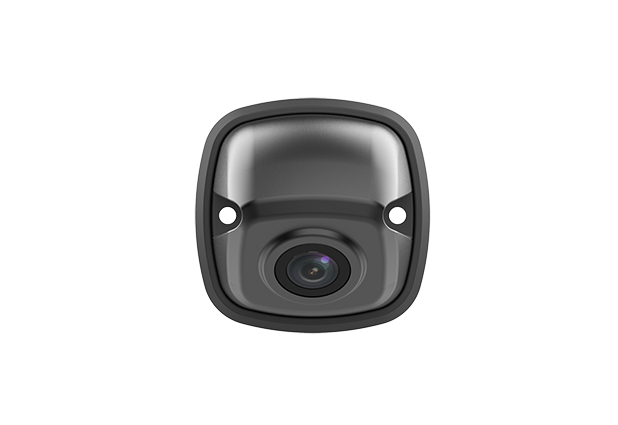
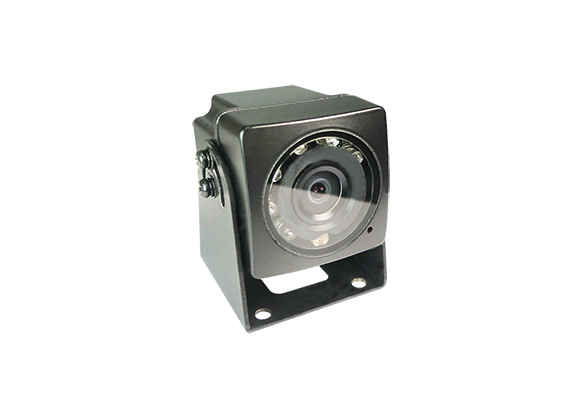
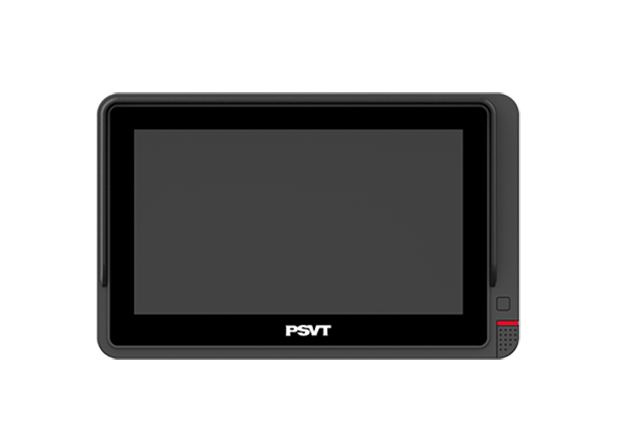
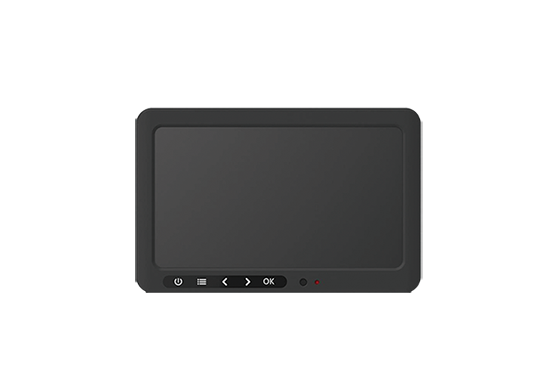
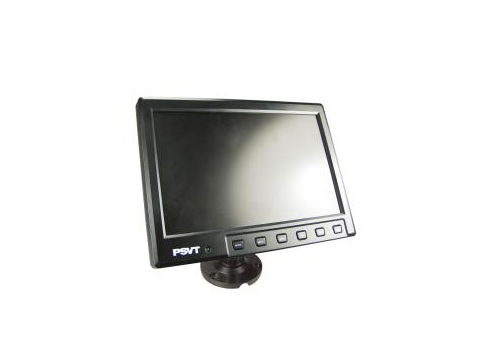
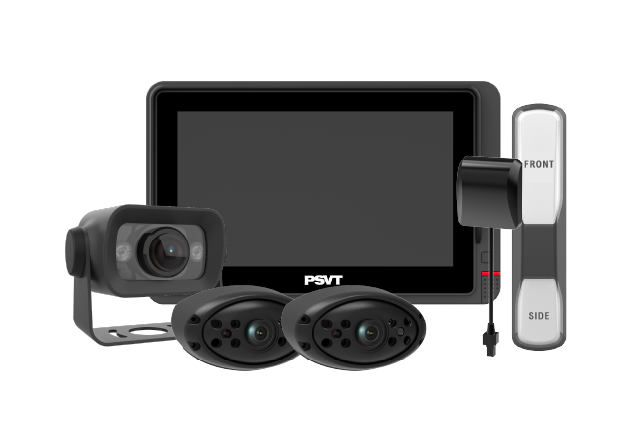
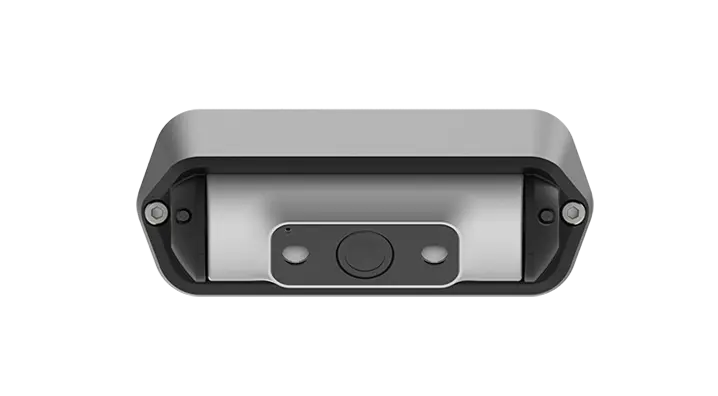
AUTOEQUIPS positions its safety solution around this exact need: helping fleets move from “hardware installation” to “regulatory-ready safety deployment.” Its AI BSD product line is designed for commercial vehicles and supports regulatory alignment with UNECE R151, UNECE R159 and UNECE R158 scenarios, using AI vision to detect pedestrians, cyclists and other vulnerable road users in real time.
UNECE R151, commonly known as BSIS, focuses on blind spot information for commercial vehicles. For trucks and buses, side blind spots are among the most dangerous areas, especially during turning, lane changes and low-speed urban driving. Cyclists, pedestrians and small vehicles can easily disappear from the driver’s direct field of view.
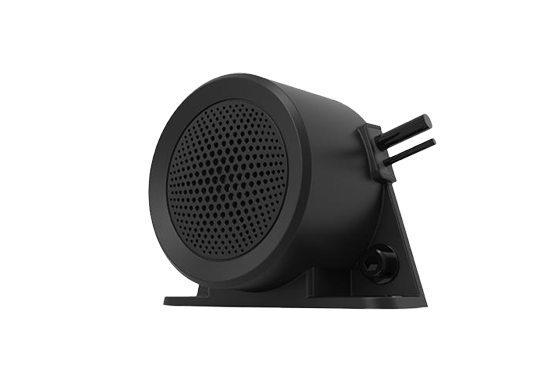
AUTOEQUIPS’ AI-based blind spot detection solution helps address this risk by identifying vulnerable road users around the vehicle and providing visual and audible alerts. The value is not only detection, but risk-based warning. In a busy city environment, fleets need alerts that help drivers respond at the right time without overwhelming them with unnecessary alarms.
For OEMs and fleet operators, R151 compliance provides a clear regulatory basis for side-area safety. For drivers, it provides another layer of awareness. For operators, it helps reduce accident exposure, downtime and potential liability.
UNECE R159, or MOIS, focuses on moving-off risk. This scenario is especially important for buses, heavy trucks and urban logistics vehicles. When a large vehicle starts moving from a stationary position, pedestrians or cyclists may be located directly in front of the vehicle, in an area that is difficult for the driver to see.
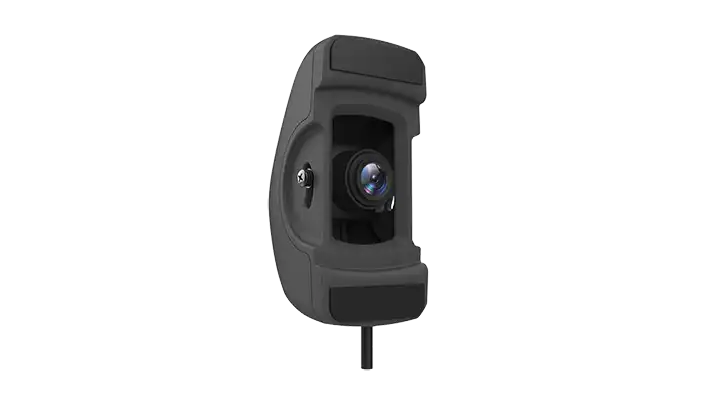
AUTOEQUIPS’ MOIS-ready system supports front close-proximity detection, helping the driver recognize vulnerable road users before the vehicle moves off. This function is highly relevant for school buses, city buses, refuse trucks, distribution vehicles and construction trucks operating in crowded environments.
By combining R151 and R159 capabilities, AUTOEQUIPS provides fleets with a more complete low-speed safety layer: side blind spot awareness plus front moving-off awareness. This is particularly valuable for fleets operating across Europe, where compliance requirements, insurance expectations and public safety pressure are all increasing.
Speed-limit compliance is one of the most important factors in fleet safety. EU 2021/1958 defines requirements for Intelligent Speed Assistance, or ISA. The goal of ISA is to help drivers recognize and respond to applicable speed limits through appropriate feedback. The European Commission also lists intelligent speed assistance among mandatory advanced driver assistance systems under the revised General Safety Regulation.
For commercial fleets, ISA is not just a regulatory feature. It also supports driver behavior management, fuel efficiency, insurance risk control and brand reputation. A logistics or passenger transport operator needs drivers to follow speed limits consistently across different routes, cities and countries.
AUTOEQUIPS’ ISA solution can support fleet safety strategies by providing speed-limit awareness and driver feedback. When integrated with other safety systems, ISA becomes part of a broader risk prevention architecture: helping the driver avoid overspeeding while other AI systems monitor blind spots, driver status and surrounding road users.
Driver fatigue remains one of the most serious risks in commercial vehicle operation. Long-distance trucking, overnight logistics, bus operations and repetitive urban routes can all increase fatigue-related risk. EU 2021/1341 defines technical requirements for Driver Drowsiness and Attention Warning systems, commonly known as DDAW.
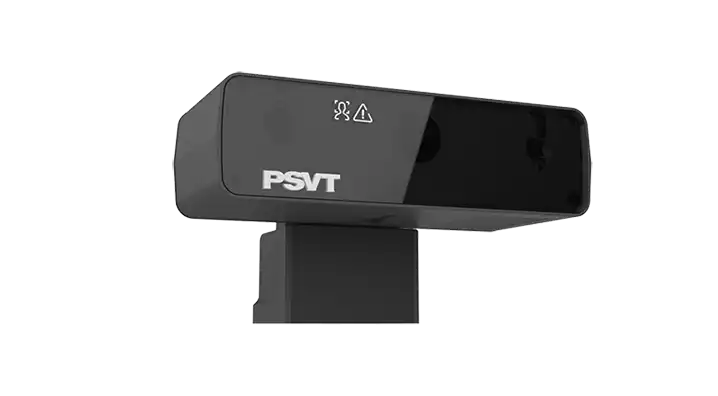
AUTOEQUIPS’ AI Driver Monitoring System is positioned for DDAW and ADDW functions under EU GSR-oriented driver safety, with features including drowsiness detection, distraction detection, real-time alerts and vehicle-grade hardware for demanding commercial environments.
For fleets, DDAW helps shift safety management from post-incident investigation to real-time prevention. Instead of relying only on driver training or manual supervision, AI monitoring can detect signs of fatigue and provide immediate warning. This is especially important for vehicles carrying passengers, hazardous goods, high-value cargo or operating in high-density urban areas.
Distraction is becoming a major safety concern for modern fleets. Mobile phones, in-cab screens, paperwork, navigation devices and long working hours can all reduce driver attention. EU 2023/2590 addresses Advanced Driver Distraction Warning, or ADDW, as part of the expanding regulatory focus on driver state monitoring.
AUTOEQUIPS’ driver monitoring solution supports real-time detection of risky behaviors such as phone use, distraction, smoking and other unsafe actions, helping fleets identify attention-related risks before they lead to accidents.
The combination of DDAW and ADDW is powerful because fatigue and distraction are often connected. A tired driver is more likely to lose concentration, miss hazards or react slowly. A distracted driver may fail to notice a pedestrian, cyclist or changing speed limit. By integrating both functions, fleets can build a more complete driver safety management system.
As commercial vehicles become more connected, software-defined and data-driven, cybersecurity is becoming inseparable from vehicle safety. UNECE R155 covers cybersecurity and cybersecurity management systems, requiring manufacturers and related parties to manage cybersecurity risks across the vehicle lifecycle. The UK Vehicle Certification Agency describes UN Regulation No. 155 as covering uniform provisions for vehicle cybersecurity and cybersecurity management systems.
For fleet operators, this matters because safety systems are no longer isolated devices. Cameras, driver monitoring units, AI processors, telematics platforms and cloud services may all exchange data. If cybersecurity is not managed properly, connected vehicle systems can create operational, privacy and safety risks.
AUTOEQUIPS’ UNECE R155 CSMS certification strengthens its role as more than a hardware supplier. It demonstrates that cybersecurity thinking is part of the solution framework, supporting OEMs and fleets that need suppliers capable of meeting modern automotive compliance expectations.
Certification reduces uncertainty. For OEMs, certified systems can simplify platform planning, homologation preparation and supplier evaluation. For fleet operators, certified safety functions provide greater confidence when deploying systems across mixed vehicle types, different countries and multiple operating scenarios.
A certified solution also supports faster decision-making. When a fleet chooses a safety system, it is not only buying a camera or control box. It is choosing a compliance path, an installation model, a maintenance strategy and a long-term safety standard. A solution that already aligns with R151, R159, ISA, DDAW, ADDW and R155 can help reduce integration risk and improve deployment efficiency.
This is especially important for international fleets operating across the UK, EU and other markets influenced by European safety requirements. Standardized safety architecture can reduce the need for different hardware sets, separate compliance processes and inconsistent driver interfaces.
The future of commercial vehicle safety will not be defined by one single device. It will be defined by integrated, certified and intelligent systems that combine perception, driver monitoring, speed assistance and cybersecurity management.
AUTOEQUIPS’ GSR-compliant safety portfolio is designed for this future. With certified coverage across blind spot information, moving-off safety, intelligent speed assistance, driver drowsiness warning, driver distraction warning and cybersecurity management, AUTOEQUIPS helps commercial vehicle partners build safer fleets and stronger market readiness.
For fleet operators, the benefit is clearer: fewer blind spot risks, better driver awareness, stronger compliance confidence and a more scalable safety platform. For OEMs and system integrators, the benefit is an experienced partner that understands both vehicle safety technology and regulatory deployment.
As safety regulations continue to evolve, commercial vehicle companies need solutions that are not only functional, but future-ready. AUTOEQUIPS provides a certified foundation for fleets that want to protect drivers, vulnerable road users and business continuity—while preparing for the next stage of intelligent commercial vehicle safety.